How to Camp for Free
From "boondocking" to creative car camping, here's how to save money on your next outdoor adventure
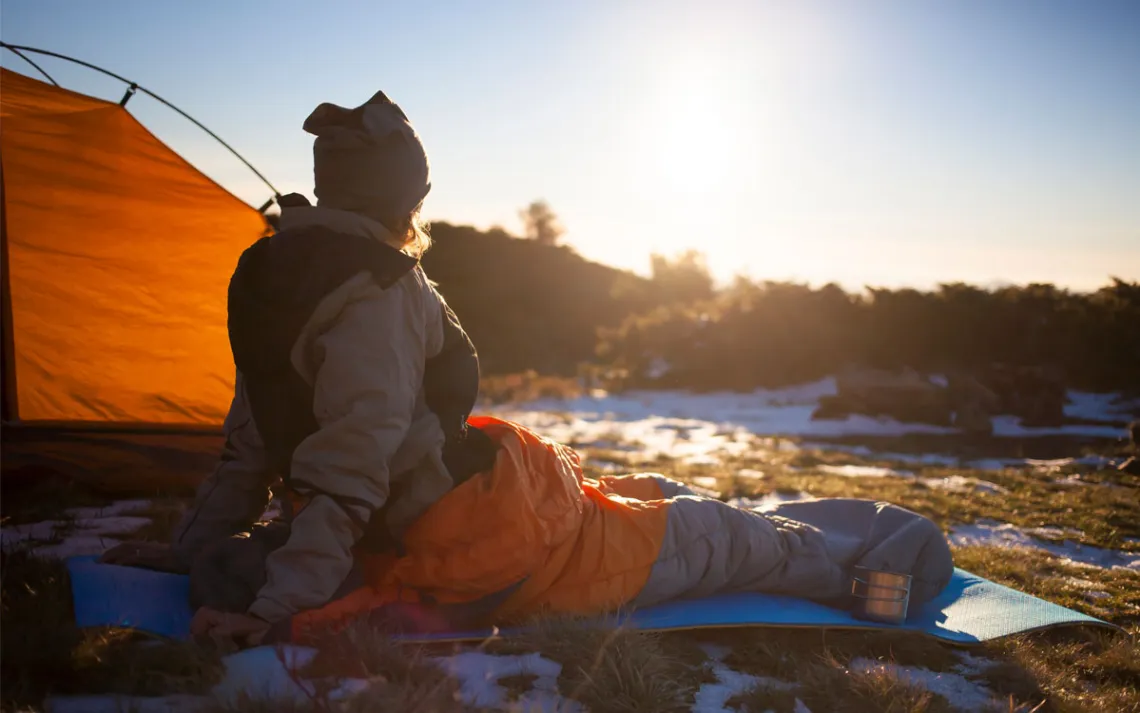
Photo by zhukovvvlad/iStockphoto
If you’re looking for a campsite in a coastal California state park or another highly desirable recreation area, you might be too late. Interest in outdoor recreation has surged since the pandemic, and it can be hard to find places to set up for the night without planning months in advance. Not to mention that campground accommodations are often expensive and far from private.
Luckily, there are plenty of ways to sleep for free. On your next camping adventure or road trip, try some of these strategies on for size.
First come, first serve
If you’re looking for some solitude—and are happy to go without amenities like running water and pit toilets—dispersed camping is for you.
Sometimes called “boondocking,” dispersed camping happens outside developed campgrounds. It’s allowed on many US Forest Service and Bureau of Land Management lands, where designated roads and trails offer spots to pull off and pitch a tent. The US Forest Service publishes Motor Vehicle Use Maps of roads that are available for public use, which you can compare against maps of Forest Service and BLM land boundaries to find an authorized camp. These areas often border public- and private-owned land, so knowing you’re in the right place is crucial.
These stretches of land are often huge, however, and the dispersed camping sites within them are sometimes off the beaten path. Websites and apps such as Campendium, The Dyrt, and iOverlander feature large databases of information from campers who share coordinates and details about specific camping spots: a Forest Service road with many pull-off options or a favorite scenic site. These are good resources for figuring out the terrain too, and deciding whether your vehicle can handle the roads. Four-wheel drive and high clearance are usually necessary in these areas, although you’ll see the occasional brave 2003 Toyota Camry setting up for the night.
While rarer, some state forests permit dispersed camping in the backcountry. For example, certain parts of the Florida Water Management District offer free reservations for backcountry campsites, and Pennsylvania state lands allow backpackers to camp along trails if they obtain a permit in advance.
“You’ll have to give up those modern conveniences,” says the Pennsylvania Department of Conservation and Natural Resources about primitive and motorized camping in their state forests. “This is where you want to stay to get a true wilderness camping experience!”
Dispersed camping offers much more quiet and solitude than a campground—and you won’t have to worry about booking anything in advance—but these areas are first-come, first-served. It’s best to get there earlier in the day if you’re in a heavily trafficked area, like a popular national forest or public land near a national park. Setting up your tent in the morning before going off to hike or do other activities is usually allowed.
When choosing a spot, use sites that already exist to minimize disturbance to the landscape. Look for obvious clearings, car pull-offs, and fire rings. According to guidance from the BLM, you’ll usually need to be at least 200 feet away from a water source and one mile from developed recreation areas, such as trailheads and campgrounds. And stays are often limited to 14 days within a 28-day period. It’s a good idea to check regulations beforehand through the local BLM office or national forest website and look out for any posted signs. The Forest Service reminds campers that this kind of camping does require more knowledge than staying at a campsite.
“There are extra responsibilities and skills that are necessary for dispersed camping,” states the Pacific Northwest Regional Office on its website. “It is your responsibility to know these before you try this new experience.”
Since there are no public services such as trash pickup in these areas, it’s even more important to leave no trace. Take all of your garbage with you, drown campfires, and bury solid human waste in a hole at least six inches deep. You’ll also need to make sure you’re entirely self-sufficient. Bring enough food and water, download maps in advance in anticipation of losing cell service, and be prepared to follow wildlife safety measures, like storing food in a way that’s inaccessible to bears.
Cozy up in the car
If you can sleep overnight in your car, you have a free campsite on wheels. Larger cars like trucks, vans, or SUVs are ideal for car camping, but you can make just about any vehicle work with the right set-up—and it doesn’t have to be fancy either.
Putting the seats down in an SUV or hatchback creates a flat surface to sleep on. While a normal camping mat will do the trick, you can find cots or air mattresses designed for specific cars—even sedans— that fold out over the seats or inflate using the car’s accessory socket. Mash window screens allow fresh air in while keeping the bugs out.
If you can’t find somewhere flat, position the bed so your head is higher than your feet. American campground company KOA recommends packing a good sleeping bag. “Car camping will keep you warmer than a tent, but don’t forget that cold air will be passing through small spaces on all sides of the car.” Increase the temperature inside the bag with a hot water bottle on especially chilly nights.
If you’re a frequent traveler or are doing a particularly long trip in a larger car, you might consider a car-camping build. Creating a raised platform in the back of the car means you don’t have to set up and take down a bed every day, and you can store supplies neatly underneath. You’ll need some supplies and power tools, but the know-how is easy to find for free from other car-camping enthusiasts online.
Finding a place to park is the next step. While you can camp in your car wherever dispersed camping is allowed, overnight parking (and sleeping) isn’t permitted everywhere. Many car-campers swear by truck stops that allow overnighting in their parking lots. Some 24-hour businesses like Walmart, Cracker Barrel, casinos, and rest stops permit it too, but always check with the individual location.
Finding gear
Whether you’re sleeping outside or in the car, you’ll need some gear: sleeping bags, tents, camp stoves, safety equipment, and other non-negotiables. Even shopping sales and used gear can quickly get pricey.
Luckily, a lot of outdoor gear can be borrowed or rented. Check out a local gear shop or outdoor retailer to see what kind of deals they offer on gear rentals. REI members, for example, get a discount on rental gear. Depending on how popular outdoor recreation is in your area, you might also be able to borrow items from a local library, school, or community center, free of charge. With some extra planning, you could rent from businesses in the areas you’re staying in, too, returning it on your way out.
Other resources
Without a home base, it can be hard to find places to shower, use the restroom, or fill up your water bottle. iOverlander is a treasure trove of crowd-sourced information about finding resources on the road: water fountains and spigots for filling up on potable water, wi-fi signal, showers, places to do laundry, and more. Local gyms, YMCAs, and community centers also sometimes offer day passes, which will grant you access to showers and other basic amenities. They come with a price, but hey, it’s cheaper than a campground.