 The Magazine of The Sierra Club
Pioneering Salmon Are Exploring Upper Klamath Basin
With four dams removed, the fish are making a comeback
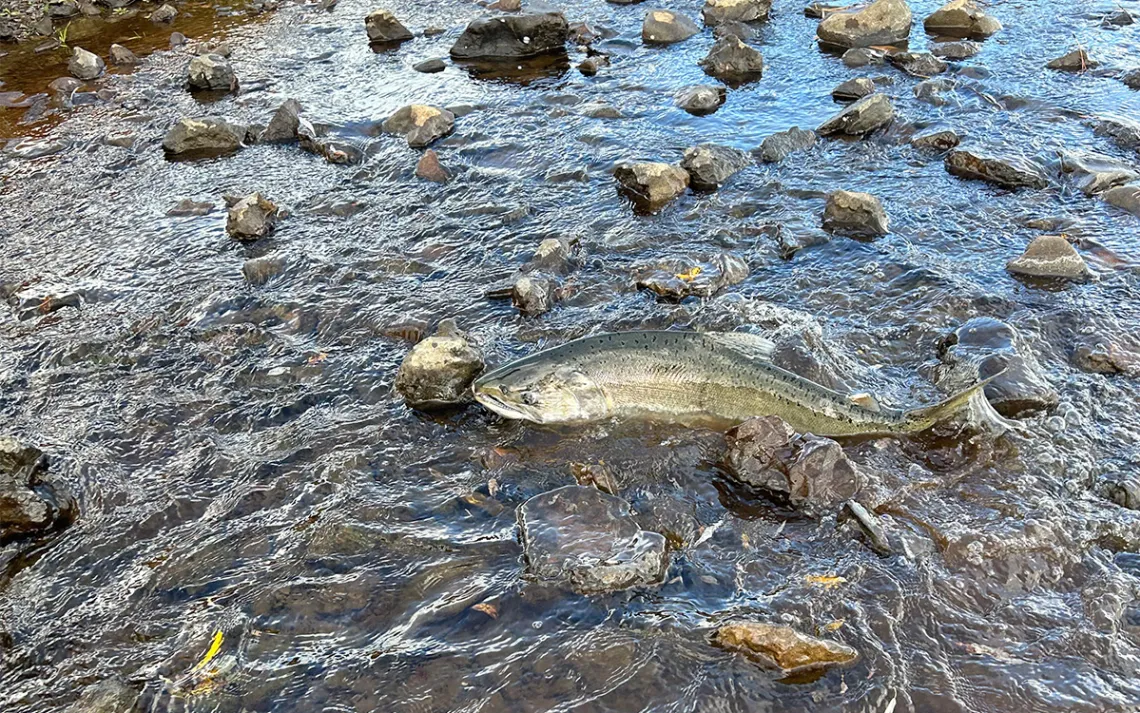
Photo by Jacob Peterson, ODFW
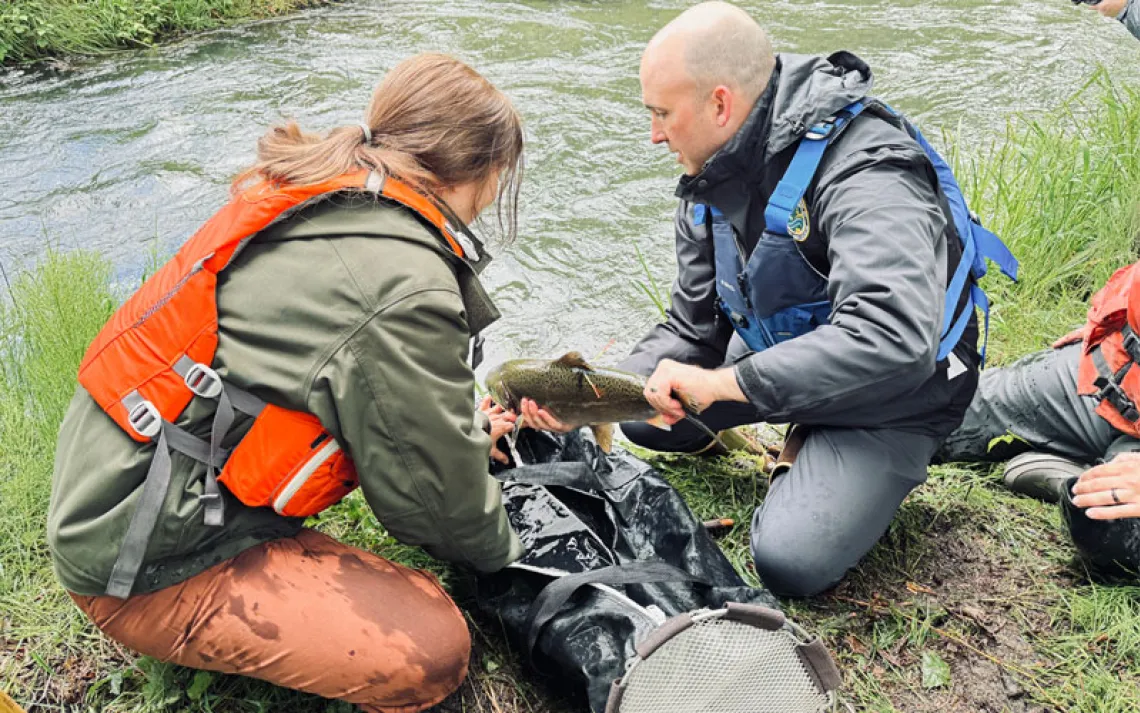
On September 24, a video camera captured a Chinook salmon successfully leaping over the fish ladder at a small dam on the Klamath River in Oregon. As far as anyone knew, it was the farthest upstream Chinook had been in over 100 years.
Other fish have followed.
“We don't have any numbers yet, but it's easy to say there's hundreds of Chinook salmon that [have made it] above Keno and Link River Dams,” says Mark Hereford, a senior fisheries biologist at the Oregon Department of Fish and Wildlife. “To all of a sudden see them occupy almost their entire historical geographic distribution—that’s big. It’s really incredible.”
A little over a year ago, four dams were completely removed from the Klamath River in Northern California and Southern Oregon. Salmon astonished biologists by immediately spawning in tributary streams above the former dam sites.
Unfortunately, those fish could only travel so far before they encountered yet another obstacle: Keno Dam, one of two small dams that remain on the Klamath. (Both are used to divert water for irrigation and are located above the four dams that were removed.) Keno Dam has a fish ladder, but its “trash racks”—barred screens that keep large debris from entering the intakes—were too small for large salmon to pass through. That meant the fish still couldn’t access miles of excellent habitat in the Upper Klamath Basin.
Earlier this year, Bureau of Reclamation retrofitted the racks.
“The fish are going everywhere,” says Mike Belchik, a senior fisheries biologist for the Yurok Tribe. “They’re finding all of the places they used to go to.”
The salmon, a mix of wild and hatchery-bred fish, are in exploration mode. Almost immediately, fish darted across vast, shallow Upper Klamath Lake and found cold springs in every major tributary. Some have been found 30 to 40 miles above the lake.
“To have made it up through that gauntlet of the two remaining dams and all the way up through Upper Klamath Lake—it’s just a Herculean feat.”
The return of salmon to the ancestral land of the Klamath Tribes—which include the Klamath, Modoc, and Yahooskin Paiute people—is a poignant homecoming.
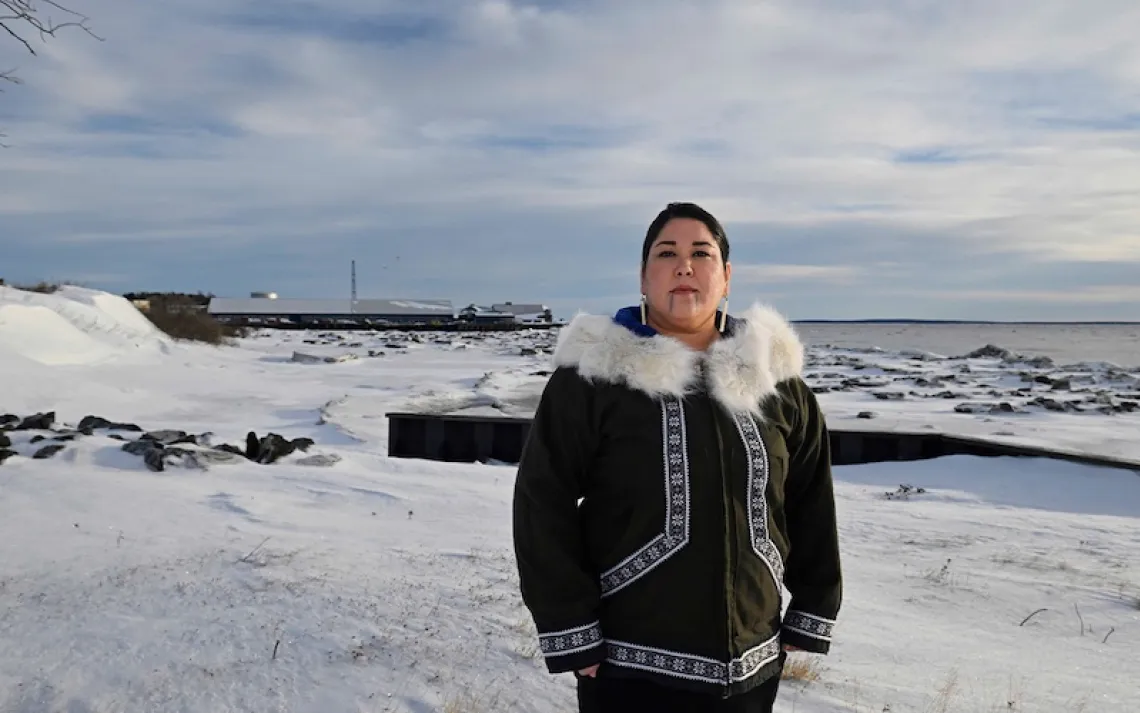
“To have made it up through that gauntlet of the two remaining dams and all the way up through Upper Klamath Lake—it’s just a Herculean feat,” says Klamath Tribes chairman William Ray Jr.
Tribes, along with federal and state agencies and university researchers, have been collaborating with CalTrout to track the pioneering fish. They have fitted some Chinook with radio tags, which allow biologists to follow them in real time using fixed and mobile antennae.
They are also using a fixed sonar station to track fish swimming past the site of the former Iron Gate Dam, which is the lowest of the four dams that were removed in California. So far, the station has recorded nearly 10,000 adult-size fish moving past the site—a 30 percent increase from last year’s count.
New challenges crop up
Irrigators have also discovered fish in waterways that feed the Klamath Project, a complex of canals that supply water to farmers in Northern California. Fish that swim into these canals can become trapped in flooded fields, with no way to get out.
The Klamath Water Users Association is pressuring agencies to fast-track the installation of some 60-plus fish screens needed to protect both fish and irrigators. The organization’s president, Elizabeth Nielsen, cites the Klamath Power Facilities Agreement, signed between agencies and irrigators in 2016. The agreement protects irrigators from regulatory and financial burdens should salmon return to the Klamath Irrigation Project and commits federal and state funding for “entrainment reduction facilities”—or fish screens—on Klamath Project waterways.
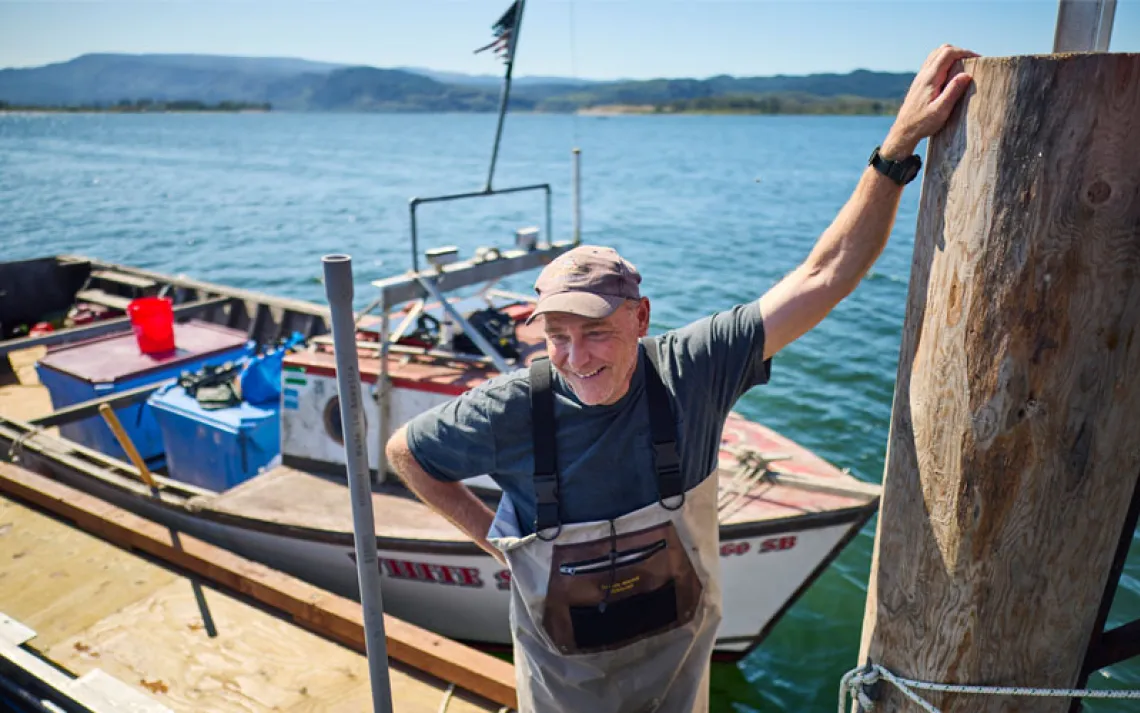
“We as districts are certainly not wanting to be the wet blanket to this really, really exciting ecological event occurring,” says Scott White, president at the Klamath Drainage District. “But more important than our excitement is doing the right thing by the people and the fish, and that is doing what we should have started doing nine years ago.”
KDD is working with the Oregon Department of Fish and Wildlife and the Sacramento-based Family Water Alliance to install screens at five turnouts—places where water is shunted from the main canal into agricultural fields—in a diversion called the Ady Canal. Eventually, the screens could help with a project, still in the design stage, to reconnect the Lower Klamath Wildlife Refuge to the Klamath River via the canal. The screening work, which is being funded with a combination of state and federal dollars, was delayed during the government shutdown.
White stresses that these screens represent a small fraction of the diversions needed on the Upper Klamath. Each screen must be custom designed and engineered for the flow and sediment conditions at each location.
“It's not going to be solved for the next 10 years, but we have to keep moving forward,” says White, adding that a program of reliable, dedicated funding for the installation and maintenance of fish screens could help mitigate this common issue in the Klamath watershed and elsewhere. The Klamath Tribes also support the installation of screens, not just to prevent salmon from getting stranded but also to protect young c’waam and koptu, two endangered species of suckerfish that are endemic to the Upper Klamath Basin.
The Klamath Tribes lost access to salmon when the first downstream dam was completed in 1909. In the last half century, populations of c’waam and koptu have plummeted, as poor water quality and disease have made it hard for young fish to survive and reproduce.
The compounded losses of these fish—staples of the Klamath Tribes’ diet and culture—has inflicted generational trauma on his people, says Ray, who recently spent a day helping to rescue young suckers that were stranded after an irrigation canal was dewatered.
The return of salmon is lending new urgency to old problems. “The Klamath Tribes for the last five decades have asked for screening of those irrigation diversions for our c’waam and koptu,” says Ray. The presence of salmon in these diversions, he adds, is “changing the narrative.”
“If you look at the landscape where we're seeing Chinook spawning, there is so much variation. That diversity will allow them to flourish in the future, with so many unknowns with the environment that they live in.”
A “diversified portfolio”
The Klamath is often called an “upside down” river: It originates in a shallow, nutrient-rich high desert lake, meandering 260 miles through hot, dry rugged country before flowing into the sea on California’s foggy redwood coast.
Some of the best salmon habitat in the watershed is in the cold spring-fed tributaries of the Upper Basin.
“If you look at the landscape where we're seeing Chinook spawning, there is so much variation,” says Hereford. “That diversity will allow them to flourish in the future, with so many unknowns with the environment that they live in.”
In the Klamath watershed, climate change will almost certainly mean warmer temperatures, diminished snowpack, and an earlier spring thaw. Some young may wait out hot summers in cold spring-fed pools, for example.
“I think what we'll see is that the eggs are going to hatch at different times of the year, and [the young] are going to out-migrate at different times of the year,” says Hereford.
Ongoing habitat restoration should give fish even more options—and help restore water quality, especially in the Upper Basin, where chronic algae blooms plague Upper Klamath Lake.
“Our overriding goal as a Tribal First Nation is to [complete] watershed restoration that produces cold, clean, drinkable water,” says Ray.
The Klamath Tribes are collaborating on several large projects to recover wetlands and restore streams in the Upper Basin. These projects will benefit salmon, c’waam, koptu, and people too.
Some of the Klamath Tribes’ projects have been stalled since the Department of Government Efficiency froze over $3 million in funding allocated through the Bipartisan Infrastructure Law. The Trump administration has also revoked over $2 million in grants from groups that do restoration work on the Mid-Klamath.
The Yurok and Karuk Tribes have been working with RES—the company spearheading restoration after dam removal—to restore several tributary creeks above the old dam sites. Salmon are spawning in all of them. Jenny Creek, which flows through the old Iron Gate Reservoir footprint, is “absolutely stuffed with fish,” says Belchik. “It’s the highest density [of fish] in the smallest amount of water of about anywhere I've ever been on the Klamath.”
Belchik stresses that the road to recovered salmon runs is long, and sure to be fraught with challenges—some expected, some not. Even so, the salmon’s swift return is filling advocates with hope, not only for the Klamath but also for other watersheds compromised by dams, diversions, and degraded water quality.