Wasted Ground
Tennessee is too exceptional a place, geologically and otherwise, to become ground for other people's waste. Underneath our fields, forests and towns is a network of limestone caves and underground rivers most people never think about, until something goes wrong. This series looks at what's under our feet, and what that means for how Tennessee handles waste.
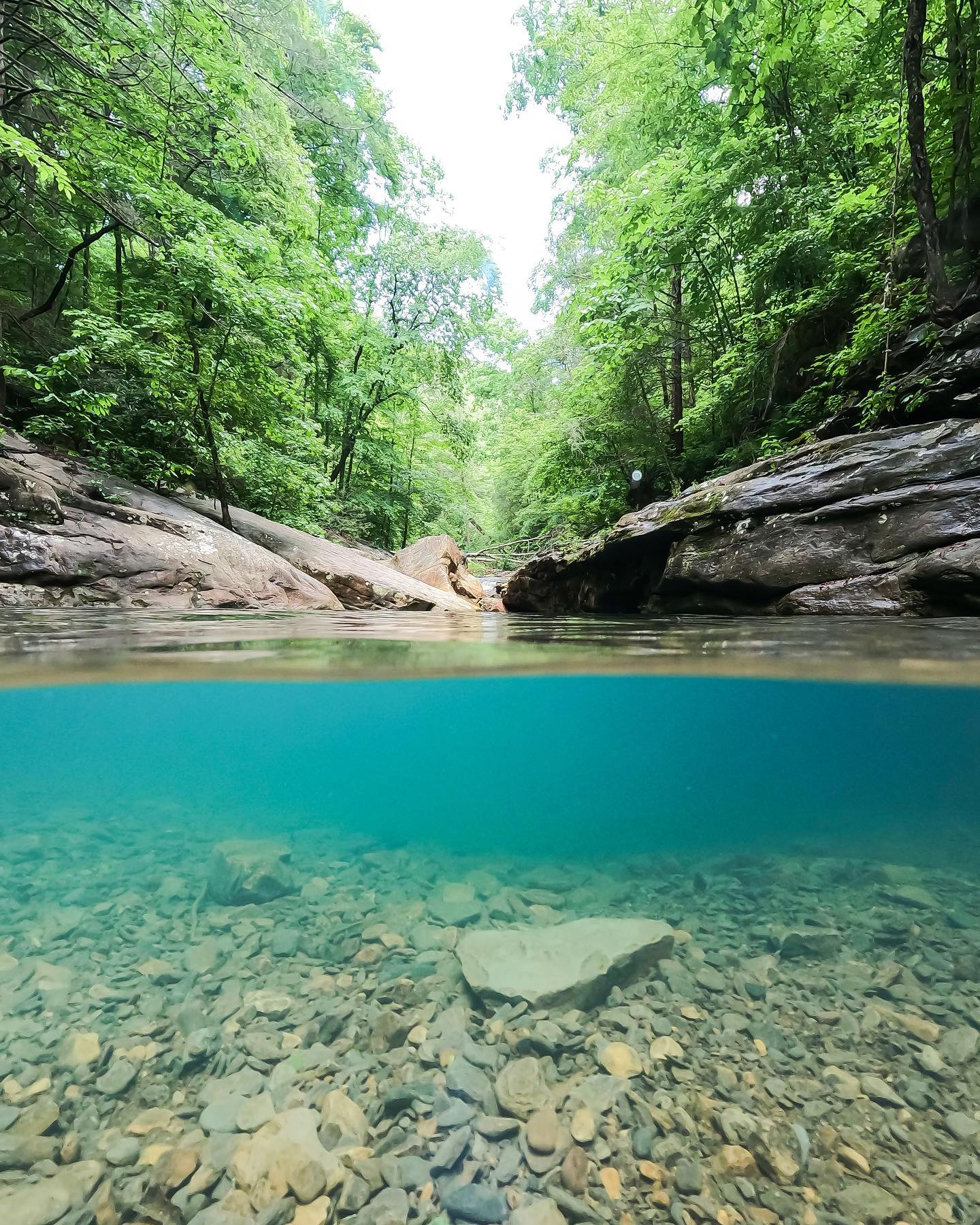
Water doesn't stay where it lands
Much of Tennessee sits on karst: limestone bedrock that water has been dissolving for millions of years, carving out sinkholes, caves and underground streams. It's a big reason our state is one of the most cave-dense places on earth.
In a lot of the country, groundwater moves slowly through soil and rock, filtering as it goes. In karst country, water can travel fast and largely unfiltered through underground channels, sometimes for miles, before resurfacing in a spring, a well or a stream. What goes into the ground in one place can show up somewhere else entirely, and fast.
That's the foundation this series is built on: understanding how Tennessee's ground actually works, and why that should shape how we handle waste here.
Four episodes, one question: what are we willing to put in the ground?
Tennessee's Fragile Foundation
Environmental experts and land-use professionals explain how water moves through Tennessee's underground karst systems, and why the state's landscape is more fragile than most people realize.
An Attack on Local Control
How much say do you and your neighbors have in decisions about where, and what type of, landfills come to your community? We talk with an attorney, a community member and a community leader about the Jackson Law, the legislation that requires local approval before new landfills get built, and how it's been used in Tennessee counties to protect people and land. Find out if your jurisdiction is covered.
Landfills, Fire and Water
A closer look at the risks landfills pose to Tennessee's water and air, including underground fires and runoff, and what communities can do about it.
PFAS and Biosolids
A look at "forever chemicals" and treated sewage sludge spread as fertilizer, what's known about the risks, and what it means for Tennessee farmland and water.