The Sustainable House
There are many things we can do to improve the sustainability of our homes, resulting in a reduced consumption of resources, many of which are not renewable. This column will address a number of ways to move towards a more sustainable future.
Of major impact is heating and cooling, which typically constitute 52% of the house’s energy use. Unfortunately, electricity in San Antonio is still produced largely by non-renewable resources: 43% is by Natural Gas; 28% is by Coal; 14% is Nuclear; 14% is Wind; and a measly 1% is Solar. By reducing your home’s energy consumption you are helping your wallet and the planet.
While San Antonio climate is variable, and even more so recently due to climate change, there are basically two conditions that result in energy consumption – summer, when it is too hot and we use air-conditioning and winter, when it is too cold and we use heating. Of these two conditions, it is really the summer months when San Antonio consumes the most energy. During the summer, because of the relationship between the sun and the earth, the noon sum is almost vertical in the sky. That means the surface of the building most impacted by solar radiation is the roof. The result is a greater cooling load for your AC unit, more energy consumption, cost, and increased environmental damage.
So what can you do to reduce your energy consumption? The roof is a good place to start:
Roof Color
Some colors absorb more solar radiation and some reflect more. As a rule of thumb, the lighter the color the more reflective (white being the most reflective) and the darker the color the more absorptive (black being the most absorptive). It doesn’t make economic sense to suddenly tear off your roof, but if your roof is asphalt shingles, like most people in San Antonio, it probably has a life of about 15 years, which may be shortened by the severe hail storms we have been having thanks to climate change. Reroofing would be a great time to rethink your roof color. Going from a very dark roof to a very light roof color will have a notable impact on energy consumption.
Attic Insulation
One of the most sensible things you can do in economic and energy terms is to go up in your attic (this is the perfect time now that it is cooler) and measure the depth of the blown in insulation above your ceiling. It should be at least 13-14 inches deep. If it isn’t, think about getting additional insulation blown in. If money is tight, you can even rent a blower down at Lowes or Home Depot and do-it-yourself. But even if you have to pay someone, this is relatively inexpensive, and has a payback period of 3-7 years.
While you are up in the attic, look to see if it is vented. If it isn’t, when you reroof the home, think about getting ridge vents installed along with a solar fan. This will keep heat from building up in the attic and moving downward to the interior of your house.
As conscientious consumers, we all need to do our part to improve our ecological footprint and these are but two areas where you can make a real difference.
by John B. Hertz, Architect, Alamo Group Green Building LeaderAn Evening of Poems
Tuesday, January 21st
6:00 pm
Meeting schedule
| Informal get-to-know-you | 6:00 pm to 6:15 pm |
| Announcements | 6:15 pm to 6:30 pm |
| Featured program | 6:30 pm to 8:00 pm |
Venue
This is an in-person meeting at:
William R. Sinkin Eco Centro, 1802 North Main Avenue
Map
Program topic
It is Martin Luther King Dreamer's Week at Eco Centro. The Sierra Club wants to join them in beginning the new year with a message of care for the earth and all species who live here. Please join us to hear this group of poets, writers, and artists from Stone in the Stream/Roca en el Rio. There will be 5-10 writers who will present over 1 hour of their writing with a puppet show for variety.
About our presenters
The poets are from Stone in the Stream/Roca en el Rio, a writers and artists collective committed to the environment through contemplative, artistic, and activist response. Their work is shared at annual poetry events such as Words for Birds at Mitchell Lake Audubon Center, readings celebrating Water at Headwaters at UIW, and the Sierra Club here at Eco Centro. Please come and help us welcome in the new year.
The presenters will be:
- Patricia Keoughan
- Darby Riley
- Jeannie Sanders
- Jean Hackett
- Kamala Platt
- Antonio Murguia
- Jim LaVilla-Havelin
- Mobi Warren (with a puppet or two as she is also an ecopuppeteer)
The Alamo Group of the Sierra Club holds its general meetings the 3rd Tuesday of most months. They're always free and open to the public.
What If We Eliminate San Antonio’s Urban Heat Island?
San Antonio, Texas, is no stranger to sweltering summers. With temperatures frequently soaring past 100°F, the city’s residents endure oppressive heat that challenges human comfort and health. A contributing factor is the urban heat island (UHI) effect. British manufacturing chemist and amateur meteorologist Luke Howard discovered 200 years ago that urban areas experience higher temperatures than surrounding rural regions due to human activities.
The UHI effect adds an average of 1–7°F to city temperatures, especially at night when heat absorbed by concrete, asphalt, and buildings is released. Mitigating this effect through increased green spaces, reflective roofing, and urban design improvements is critical for reducing local heat stress. Yet, the underlying climate of San Antonio—characterized by its semi-arid environment and increasingly frequent heatwaves driven by global warming—ensures that summers would still pose serious health risks.
Without the UHI effect, summer temperatures in San Antonio would still consistently hover in the high 90s or exceed 100°F. Prolonged exposure to such heat strains the human body, increasing the risk of heat-related illnesses like heat exhaustion and heat stroke. Vulnerable populations, including the elderly, children, and individuals with preexisting conditions, would remain at significant risk. Moreover, the extreme heat exacerbates air pollution, increasing ground-level ozone and harming respiratory health.
While eliminating the UHI effect is a worthy goal, it’s not a panacea for San Antonio’s heat woes. Ultimately, the fight against oppressive summer heat in San Antonio requires a multifaceted approach that includes expanding the use of active cooling infrastructure like district cooling networks, innovative geothermal cooling, evaporative cooling from non-potable water sources (like air conditioning condensate), and new passive daytime radiative cooling (PDRC).
by Bill Barker, Alamo Group Executive Committee memberAdventures in iNaturalist
A naturalist is a person who observes the intricate interactions in the natural world. The founder of the Sierra Club, John Muir, captured this truth in his assertion: "When we try to pick out anything by itself, we find it hitched to everything else in the Universe."
Alamo Group members can contribute to an understanding of the natural world by becoming a citizen scientist who adds observations to the app iNaturalist(iNat). You can add this app for free to your cellphone, laptop, PC and other devices. The database that is generated from the contributed observations is used by academic scientists for discovering new species, looking at species ranges, asking for specimen collection for studies, etc. It is also a useful tool for observers when they travel since they may preview the species that they might find. Observers can also make friends on the platform and potential visit them when traveling in their area.
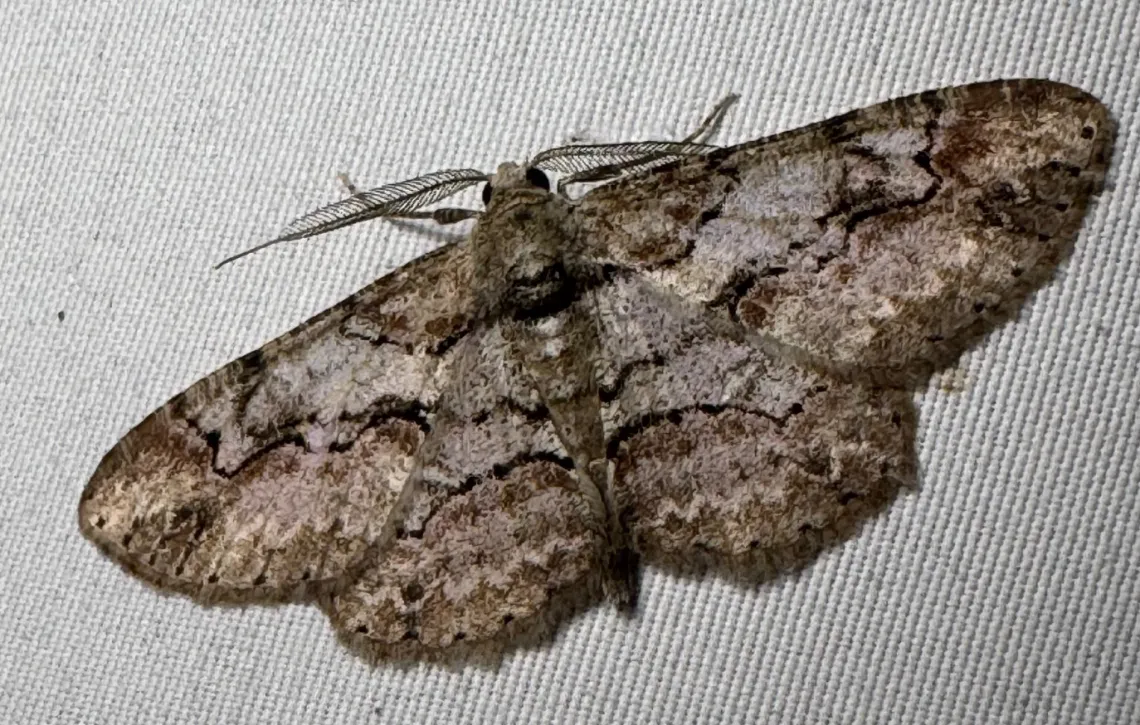
Photo by Jerry Morrisey
The San Antonio Metro Area has a very active effort to promote iNaturalist through participation in the yearly City Nature Challenge on that platform. This competition with Metro Areas around the world involves contributing the most observations in a four day period around the last weekend in April. The observations made in our Metro Area finished third in the world.
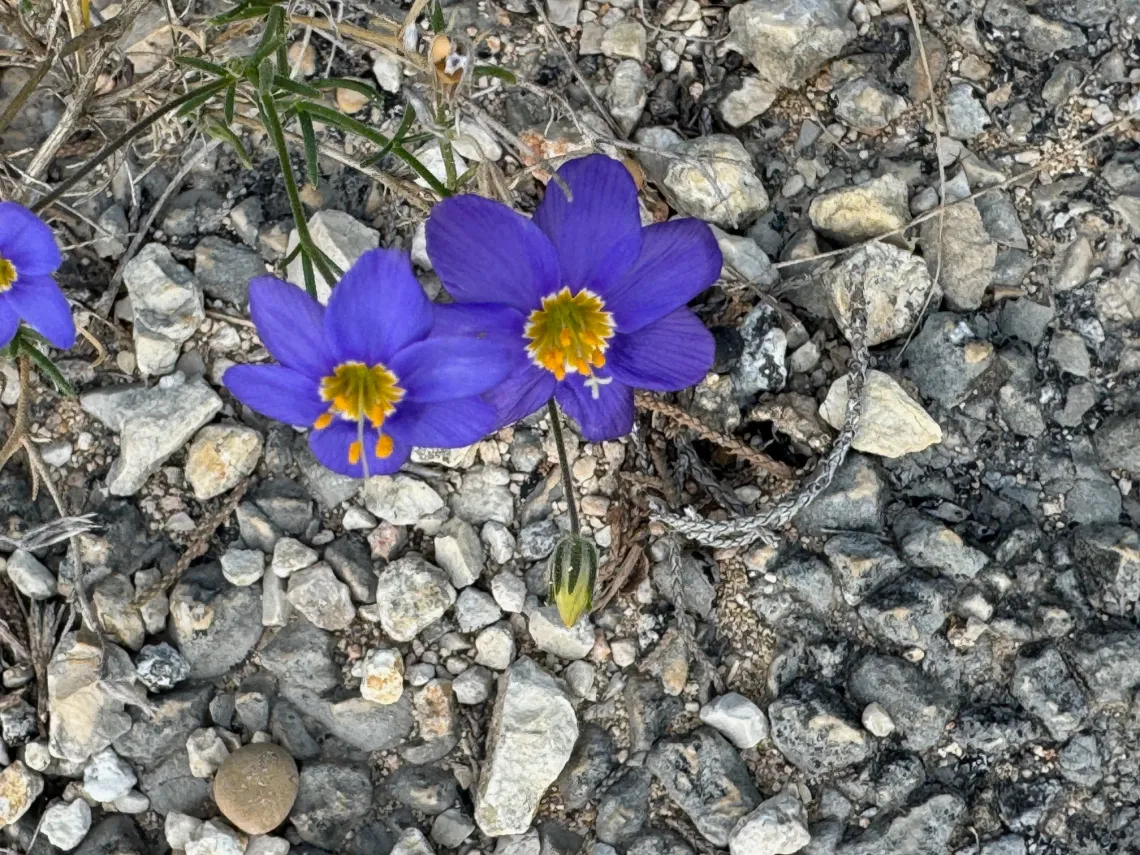
Photo by Jerry Morrisey
Photo images mostly contributed from cellphones are added to the platform for all species of plants and animals that are encountered. Sounds can also be added for birds and insects. The observer has help with identification by an auto ID that suggest the most likely family, genus or species. The accuracy is dependent on the quality of the photos and sounds and whether the proper features are photographed for difficult iDs. These proposed iDs can be reviewed by anyone who is on the platform.
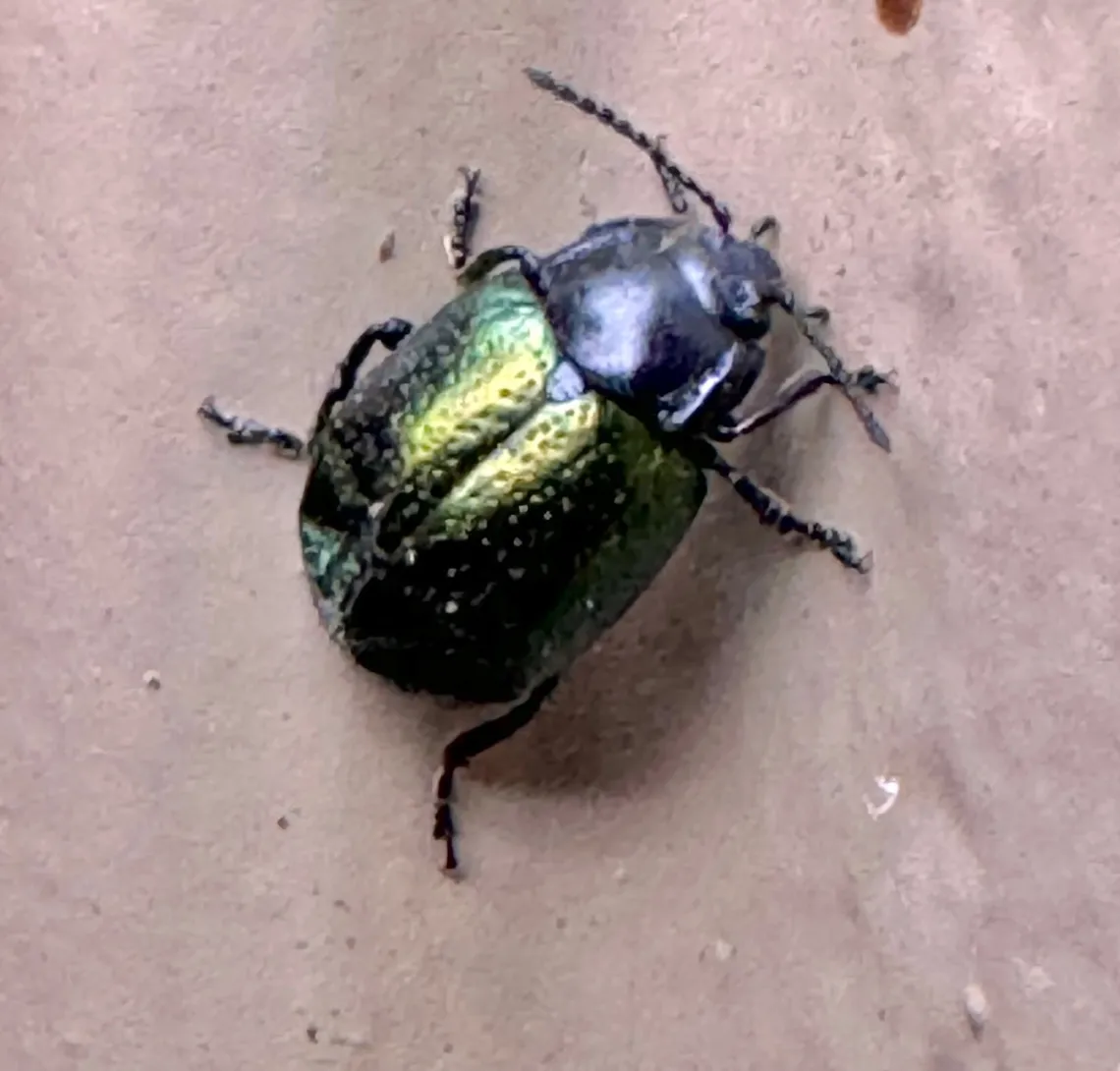
Photo by Jerry Morrisey
If you want most of your observations reviewed it is best to have or develop followers. One method is to become mutual followers with one or more observers on iNat. I will gladly provide help and become a follower of Alamo Group members who join iNat and contact me. My handle on iNat is blacknbluesa1. With questionable identifications everyone including myself can ask help from the most knowledgable observers on iNat who are called curators. Once an observation ID is confirmed by others it is moved to research grade.
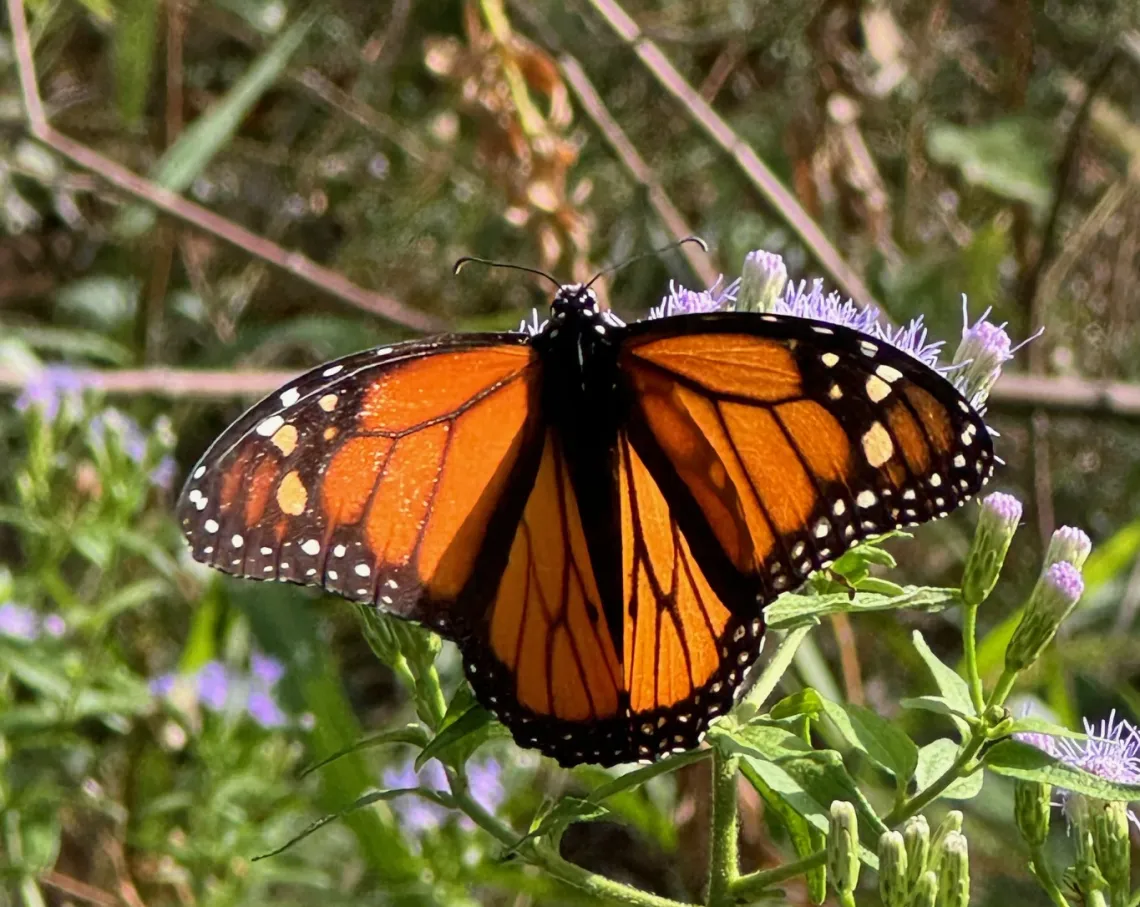
Photo by Jerry Morrisey
I have contributed over 27,000 observations to iNaturalist in the past five years. They include multiple observations for most species due to documentation at multiple locations and observations through the year. A signification portion of these observations are made of insects and other orders attracted to UV lights at my home.
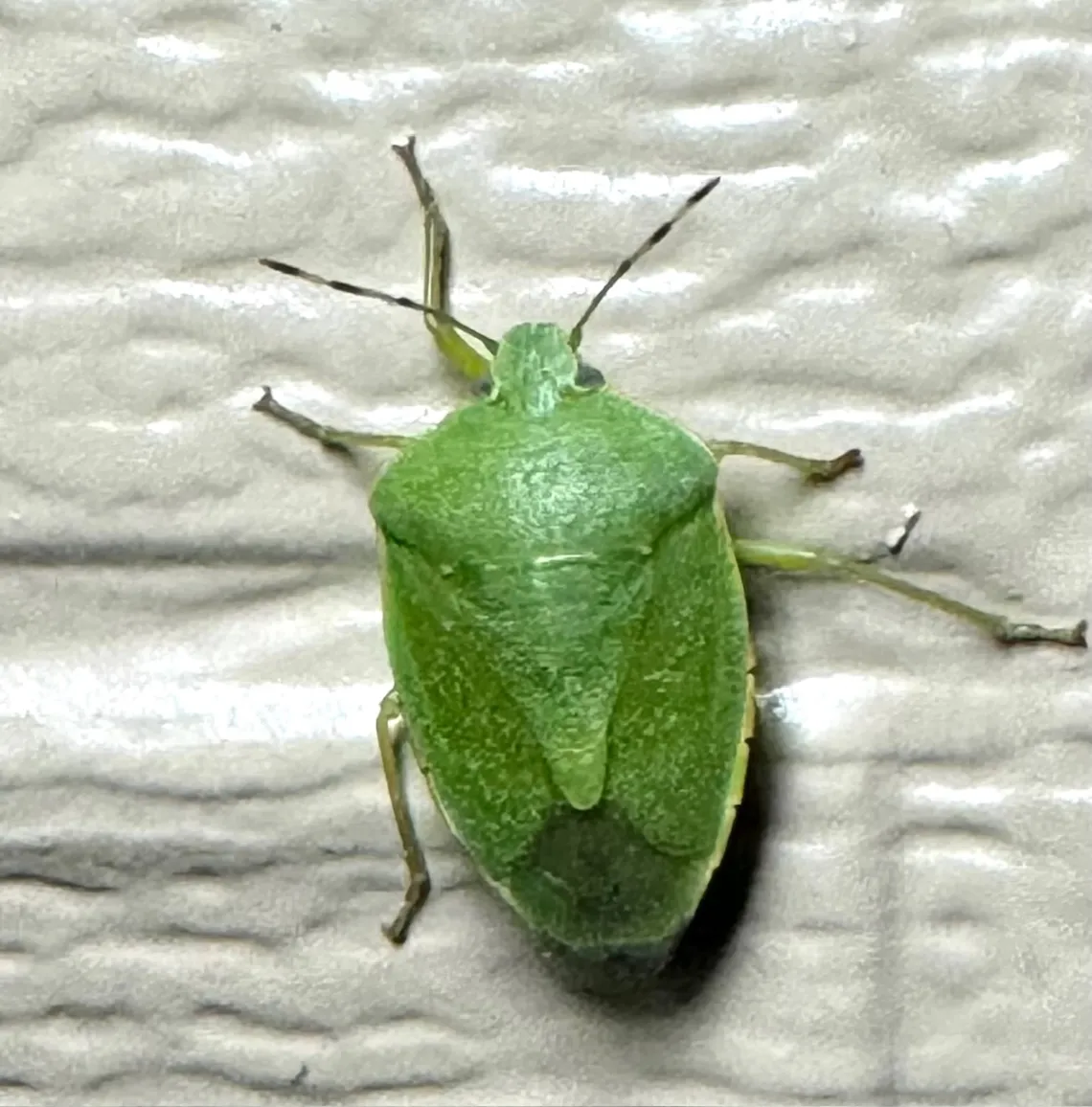
Photo by Jerry Morrisey
I plan to provide monthly articles that feature different animal and plant subjects. They will include some of my iNaturalist photos that best illustrate the subject. I've included a sampling of photos I have posted to iNaturalist in this article.
In addition, I will be leading outings where individuals can contribute to iNaturalist using their cellphones.
by Jerry Morrisey, Alamo Group MeetUp leaderHighest Tidal Range on Earth - Burntcoat Head Park, Nova Scotia; and What About Tides?
Burntcoat Head Park is on the south side of Minas Basin, which is off the eastern end of the Bay of Fundy, a bit north of the center of the south island of Nova Scotia. Easy to locate with an on-line map search. Here is the park website.
From the website: "The highest tides in the world, stunning shoreline views, and secrets of the ocean floor. It’s all here for you at Burntcoat Head Park." And "Nova Scotia’s Bay of Fundy is about 400 kilometres long and has an average depth of 246 feet. Twice each day, 160 billion [metric tons] of water flows in and out of the Bay of Fundy, a feat of nature recognized by the Guinness World Records in 1975. Burntcoat Head has an average high tide of 47.5 feet with an extreme range of 53.6 feet."
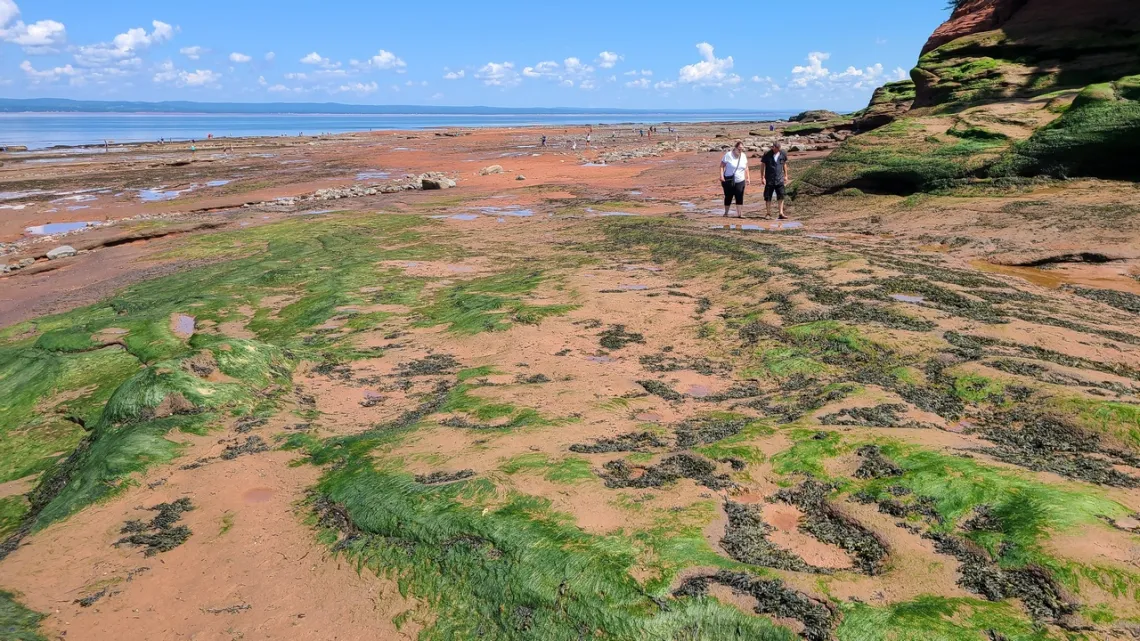
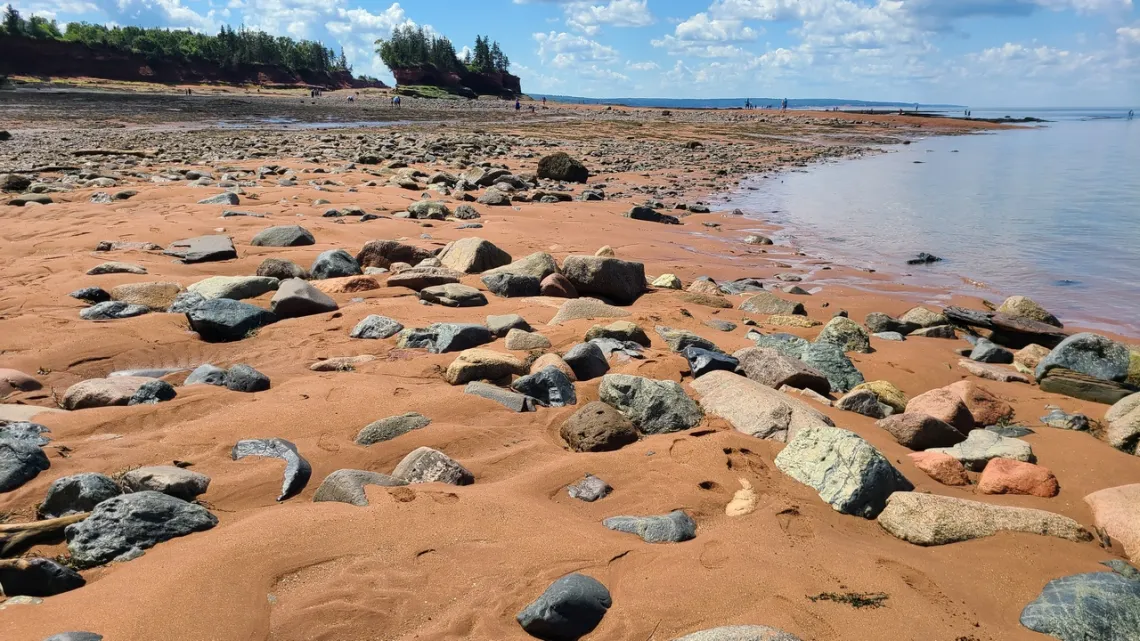
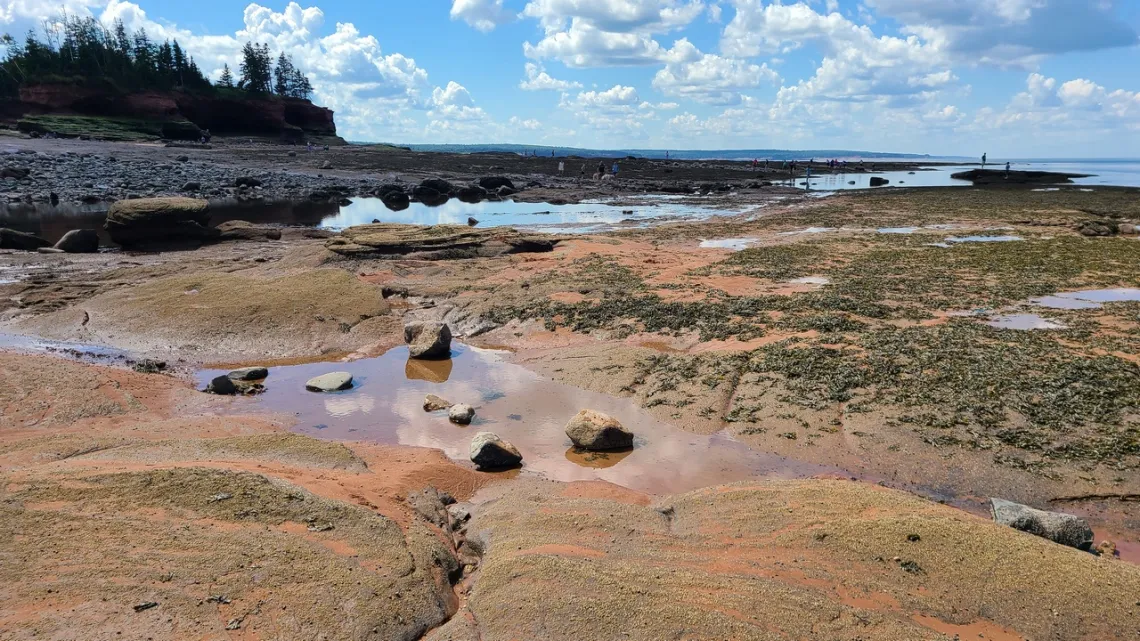
The pictures below were taken close to low tide 12:51 pm August 12th 2024. The tidal range this day per the provided schedule was only 31 feet. So pictures would look different then mine with the more common higher tidal range events.
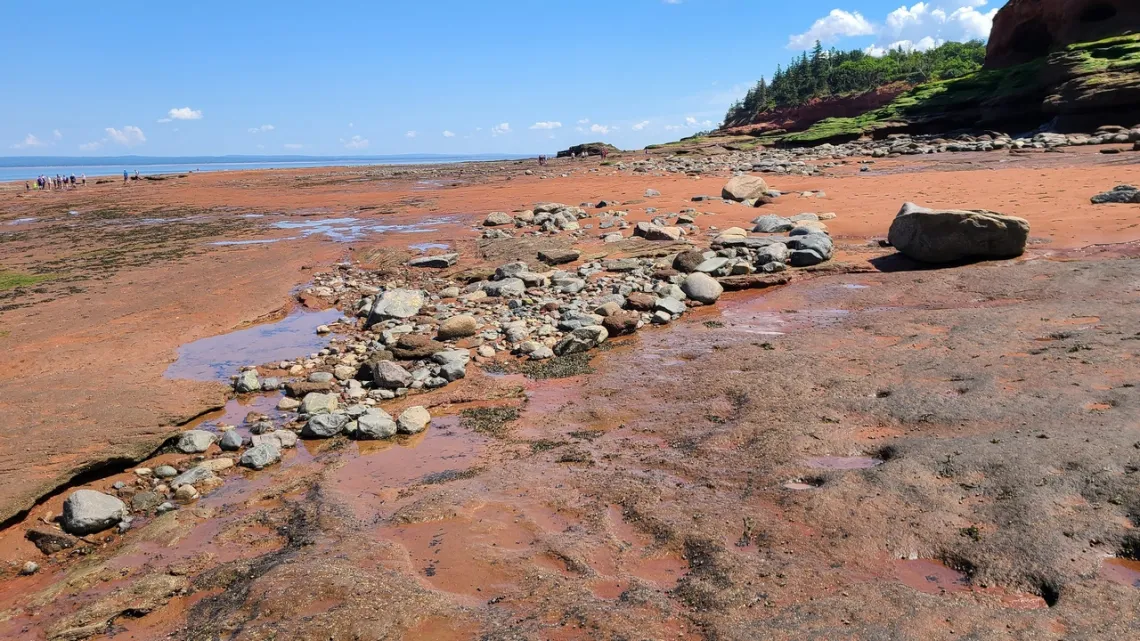
I saw lots of a tiny mollusk species above the water level, touched them, had firmly attached themselves to the rocks waiting for high tide. In the shallow water spots (tide pools) saw many little crustaceans inhabiting inherited shells of those same mollusks, moving around quickly especially when I tried to touch them.
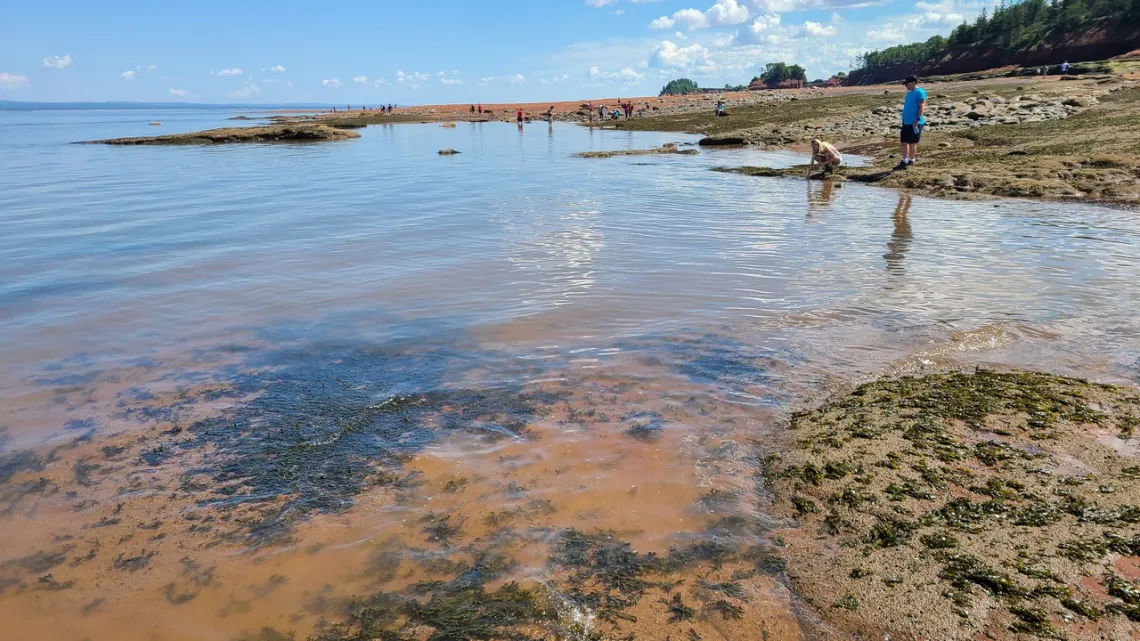
Visiting
Not many of us might get here but some info. As the website says we can select a day with morning and afternoon tidal extremes and see both if we wish. Hopefully a clear day like the one I had. No camping at the park but there are provincial parks within a few hours drive. I stayed at Five Islands Provincial Park on the north side of Minas Basin, drove to Burntcoat Head early, and then drove on to Kejimkujik National Park that afternoon (article in the September 2020 issue of this newsletter).
What About Tides?
Bunch of web pages are easily found with search for “Impact of tides on evolutionary biology”. One at ScienceDaily.com starts with “Big tidal ranges some 400 million years ago may have initiated the evolution of bony fish and land vertebrates." So distant predecessors of all mammals might have started with some amphibian-like biological groups, experts surely have facts or at least hypotheses. Without tides H. sapiens might not have happened or at least would have taken longer and wouldn't look like we do now. The evolution of land animals from bony fish is thought to have happened a number of times.
Here is a National Geographic page about factors involved in tides. Lots of terminology and physics but still easy to read.
by Kevin Hartley, Sierra Club Life Member
Outings: The Call of the Wild
Visit the Alamo Sierra Club Outings page on Meetup for detailed information about all of our upcoming Sierra Club Outings.
The Alamo Sierran Newsletter
Richard Alles, Editor
Published by the Alamo Group of the Sierra Club, P.O. Box 6443, San Antonio, TX 78209, Website.
The Alamo Group is one of 13 regional groups within the Lone Star Chapter of the Sierra Club.
Changed your contact information?
If you're not sure whether the Sierra Club has your current email address, send an email to Member Services with your name and address and/or member ID (see Locating Your Member ID) so they can add your email address to your member record.
Have you moved? Let us know by sending your old address, your new address and your member ID to: address.changes@sierraclub.org.
Go online for the latest news and events
 |
 |