By Linda Pauer and Chelsea Mendoza
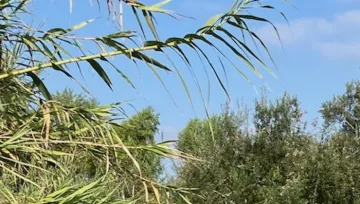
Arundo donax, or giant reed, has been identified as one of the world’s most problematic invasive plants and is often found in riparian areas throughout Orange County. It is a towering grass originally cultivated for roofing, erosion control, and even musical instrument reeds. It is one of three invasive species now dominating the county’s waterways, alongside tamarisk and pampas grass. Both introduced generations ago as ornamentals and for erosion control, they have been spreading largely unchecked.
One doesn’t have to wander far to find these three invasive plants. We see them on hikes, bike rides and along flood channels where I walk my dog.
- Giant Reed (Arundo donax): A massive non-native grass that chokes waterways and wastes water resources.
- Tamarisk / Salt Cedar (Tamarix species): Invasive trees that increase soil salinity and crowd out native riparian plants. (see photo below)
- Pampas Grass (Cortaderia species): An aggressive invasive ornamental grass producing large plumes. (see photo above)
Left unchecked, these species outcompete native plants, drain already-scarce water supplies, and degrade habitat for the fish and birds that depend on healthy riparian corridors. Managing these invasives isn’t simple, though, and the method most commonly used is rightly drawing public scrutiny.
Environmental advocates are raising concerns about overuse of glyphosate-based herbicides in rivers and creeks, arguing that the practice should end altogether. Risks associated with exposures are well known, and for the six months, the OC Creek Team has been alerting the public that widespread spraying has been occurring for years.
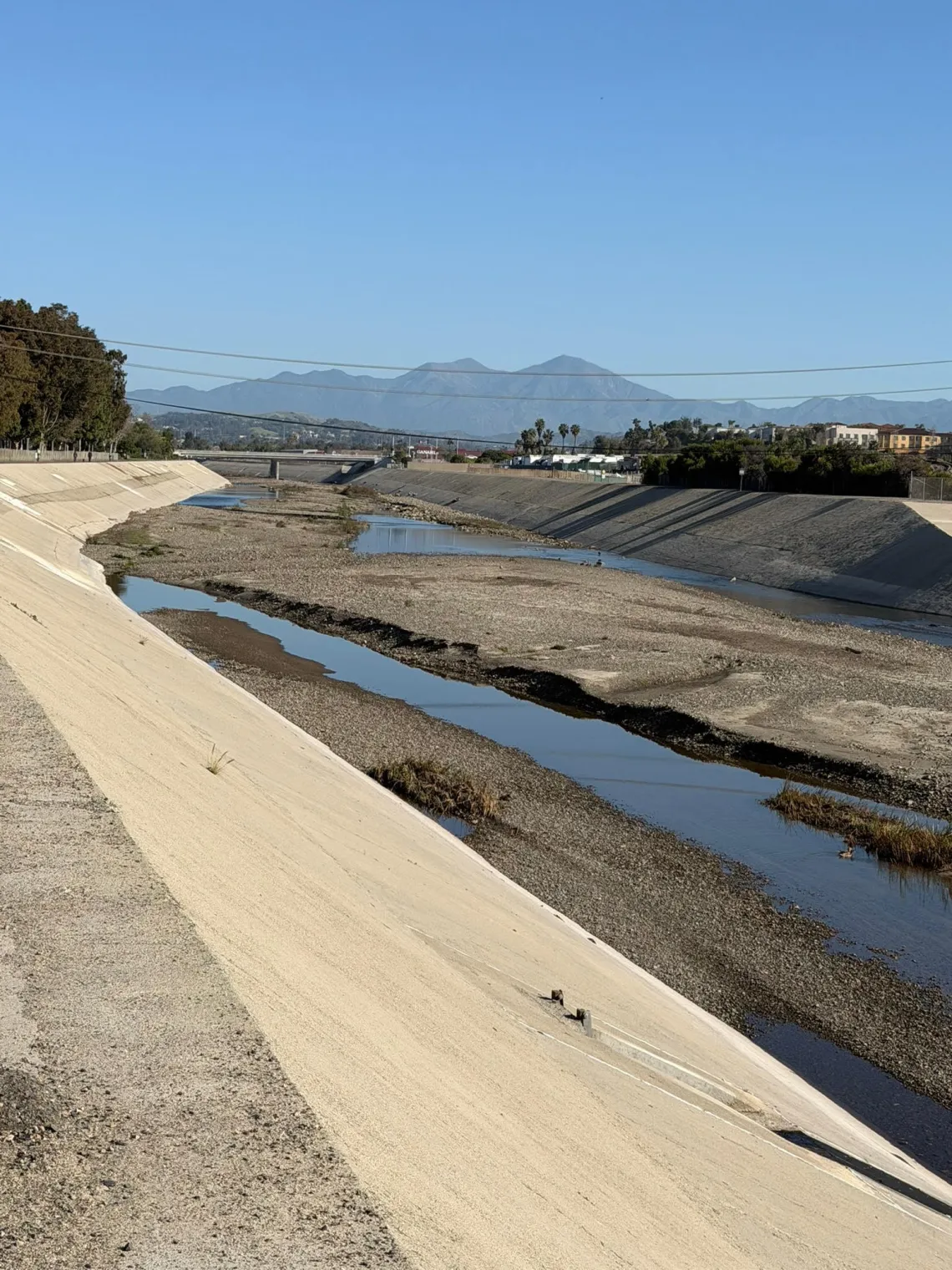
The resulting dead zone occurs when herbicides are used to manage invasive plants.
"So, the Santa Ana River here gets sprayed with somewhere between 30- and 50,000 gallons of RoundUp annually. And that’s the standard across the county," said Brent Linas, founder of the OC Creek Team. According to county officials, the vegetation management is tied to flood control efforts.
San Juan Creek is the last remaining unpaved riparian corridor connecting the Pacific Ocean to the Santa Ana Mountains in south Orange County. It's critical habitat for fish, birds, and protected species. It is a major groundwater recharge area for local water districts. It drains directly into Doheny State Beach and the surf zones where people swim every day.
Join us for a presentation on
Invasive Vegetation: Alternatives to Herbicides
Wednesday, September 23rd
Our speakers from OC Creek Team will cover these and other developments in the fight to protect our waterways.