I will never forget my first trip to a major oil and gas field. I was less than one year out of college, working for another conservation organization in Washington, DC, and jumped at the chance to visit our local members and public lands we were working to protect in southern New Mexico. We saw some truly amazing areas - it’s the Land of Enchantment after all - but equally critical to my learning was viewing what we did not want those places to become.
Growing up, my family had traveled to a number of national parks, but like many people on the East Coast I was unaware of the scale of industrial development across certain national public lands in the West.
Perhaps to remind ourselves why it was created in the first place, we decided that Earth Day would be the day to visit oil and gas fields outside of Carlsbad. The landscape was littered with pumpjacks, oil rigs, and other development that blocked access for the public to use the lands. We saw cattle grazing close to leaking equipment. And the toxic fumes in the air made me lightheaded. Even supposed “scenic overlooks” had pumpjacks in view. I grew up near contaminated areas from chemical and pharmaceutical manufacturing, but there was something shocking about vast areas of our shared landscapes being overtaken by toxic development. “These are our public lands! Can you believe it?” I wrote when I posted my photos on social media.
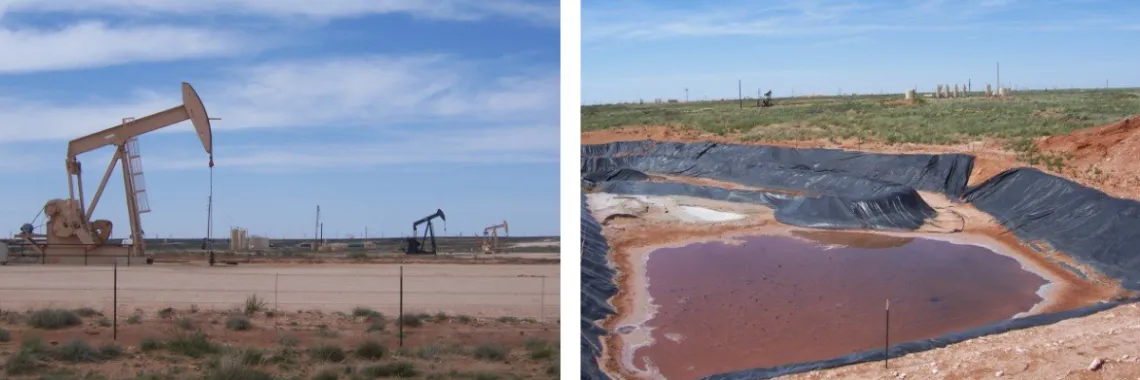
For decades, the Bureau of Land Management (BLM) - the agency that oversees about 245 million acres of national public lands, mainly across the West and Alaska - had prioritized extractive development like drilling, mining, and logging. A law called the Federal Land Policy and Management Act (FLPMA) was passed back in 1976 and declared it is the policy of the United States for, “the public lands be managed in a manner that will protect the quality of scientific, scenic, historical, ecological, environmental, air and atmospheric, water resource, and archeological values; that, where appropriate, will preserve and protect certain public lands in their natural condition....” In other words, conservation. Yet more than forty years later, 90% of BLM-managed public lands were available to be leased to oil and gas developers, and only a small percentage protected for people and wildlife.
Fast forward to this decade. As we continued to lose natural spaces at an alarming rate across the country, the BLM embarked on an effort to finally fully upholding its multiple-use mission as required by law: what is commonly referred to as the Public Lands Rule. This rule, finalized in 2024 after public input and Tribal engagement, makes clear that conservation–access to nature, cultural resource protection, wildlife habitat, and climate action–is an essential use too. It encourages collaboration with Indigenous Tribes so the original stewards of these landscapes have a meaningful role in their future. And it prioritizes protection of areas with important historic, cultural, scenic, wildlife, and other values as mandated by Congress. The rule was supported by 92% of public comments, as well as a diverse coalition including Western lawmakers, Tribes, scientists, hunters, and businesses.
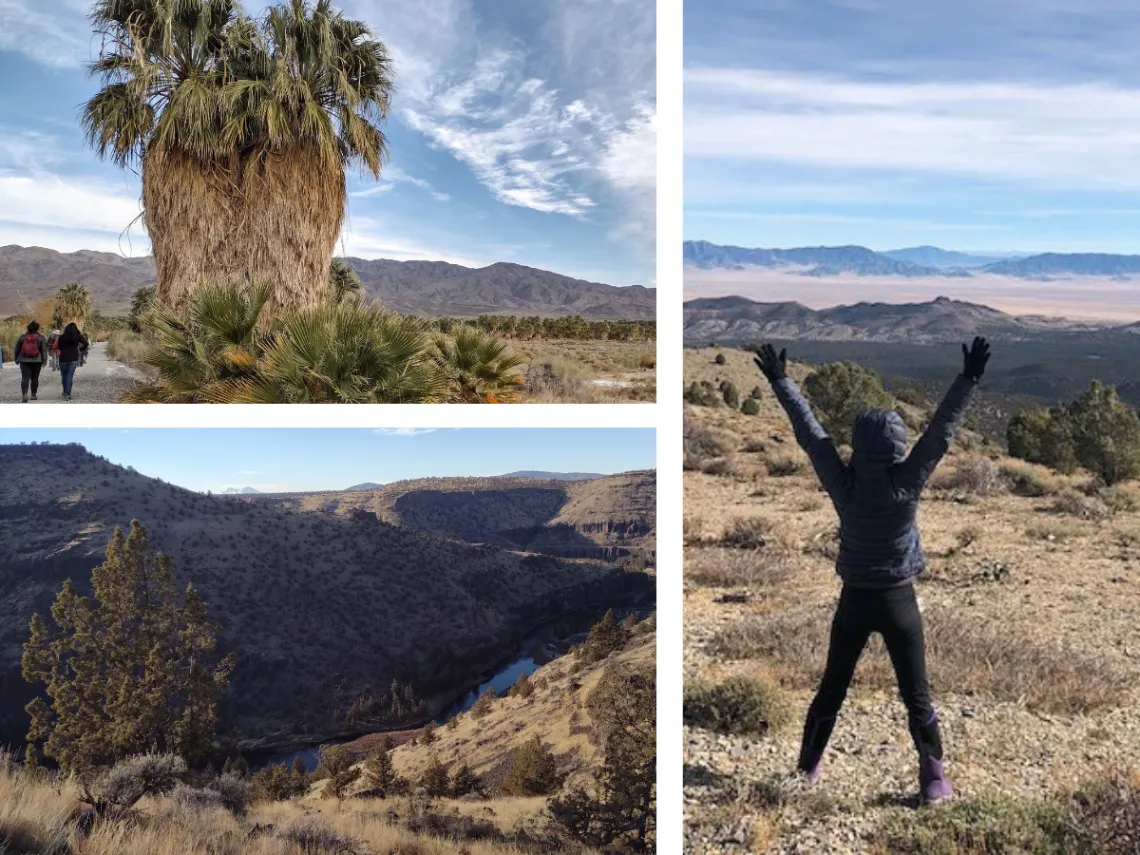
Now, the Trump Administration is seeking to discard all of that input and repeal the Public Lands Rule - even trying to eliminate conservation as a use of BLM-managed public lands altogether. It’s one of the latest in a long line of attempts by Trump and Interior Secretary Doug Burgum to undermine our world-renowned system of shared lands and the public processes that guide their management. They have slashed funding and staffing for public land agencies, proposed privatizing public lands, fast-tracked polluting projects, and are directing a massive effort to strip protections to benefit corporate polluters and other developers.
But there is inspiration and hope. When some Republicans in Congress recently proposed expansive public land sell-offs, Americans from across political and geographical boundaries came together and said NO each time.
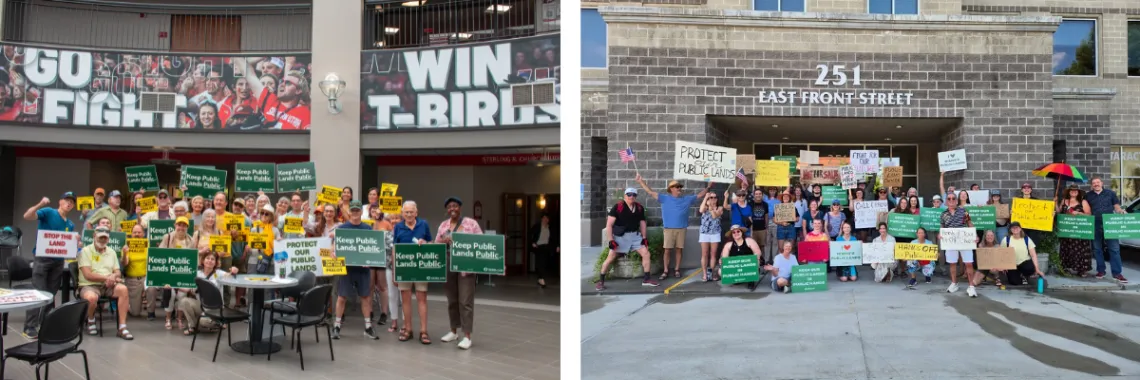
National Public Lands Day is Saturday, September 27. As we celebrate our access to the outdoors, we must continue to speak out to ensure those experiences remain for us and for future generations. More drilling, mining, and logging on public lands can be similar to full privatization, including “keep out” signs, fences, locked gates, and development of natural areas. Don’t allow Trump and Burgum to take away your - the public’s - voice and shared lands. One way is to submit your comment to defend the Public Lands Rule by November 10 here.
Take action to defend the Public Lands Rule
We only have until November 10 to make our voices heard to stop the Trump administration from giving away our public lands to the highest bidder. Take action before it's too late.
Help share our action alert on social media!
Sharing on social media is a great way to help amplify your impact. Choose your favorite post, select your preferred social media channel, and click "share."