28 de febrero de 2022
Un reporte bilingüe del Sierra Club detalla cómo las dos plantas térmicas de gas fósil que Xcel opera en Denver —Arapahoe y Cherokee— contribuyen a injusticias ambientales en el área metropolitana.
Building a clean, carbon-free electricity grid is the key to decarbonizing the US economy in time to avert a climate crisis. Cities, counties, towns, and neighborhoods powered by clean energy are healthier, enjoy a better quality of life, and see an economic boost by attracting community investment and creating new jobs.
Renewable, clean energy can power a bright future.

Wind energy plays an important role in fighting climate change and weaning us off fossil fuels.
READ MORE.Farms and ranches can allow wind power plant owners to install turbines on their properties, which provides additional income to those farmers and ranchers. The wind companies pay rent for having their turbines there. In addition, the wind industry expects to support more than 600,000 jobs in manufacturing, installation, maintenance, and supporting services by 2050.
Sometimes, those who oppose wind power plants raise the issue of whether or not they harm local birds. The fact is, wind turbine technology has evolved enough that projects cause very few bird injuries and deaths, and exponentially more birds are harmed by the effects of nuclear power and fossil fuel power plants.
In 2016, the first commercial offshore wind farm in the U.S. launched operations off the coast of Rhode Island. The Block Island Wind Farm has served as a model to other East Coast states, including New York, of how they can scale with clean energy.

Solar energy is the cleanest source of energy available in the U.S. right now, and our current solar capacity can power the equivalent of 12.3 million average American homes.
READ MORE.Solar generation offsets more than 73 million metric tons of carbon dioxide emissions from more than two million solar installations in the U.S.
Utilities that build solar facilities generally build large fields of photovoltaic cells that are designed to convert sunlight to electricity. They may also use lenses or mirrors to concentrate the sun’s rays into a narrow beam that heats a fluid, producing steam that turns a turbine.
By 2024, the U.S. solar market is expected to double. This clean energy source is providing an economic boost across the country, with solar jobs increasing in 29 states in 2018. There are more than 240,000 solar workers at more than 10,000 companies across the United States, and the solar industry generated $17 billion for the economy in 2018.
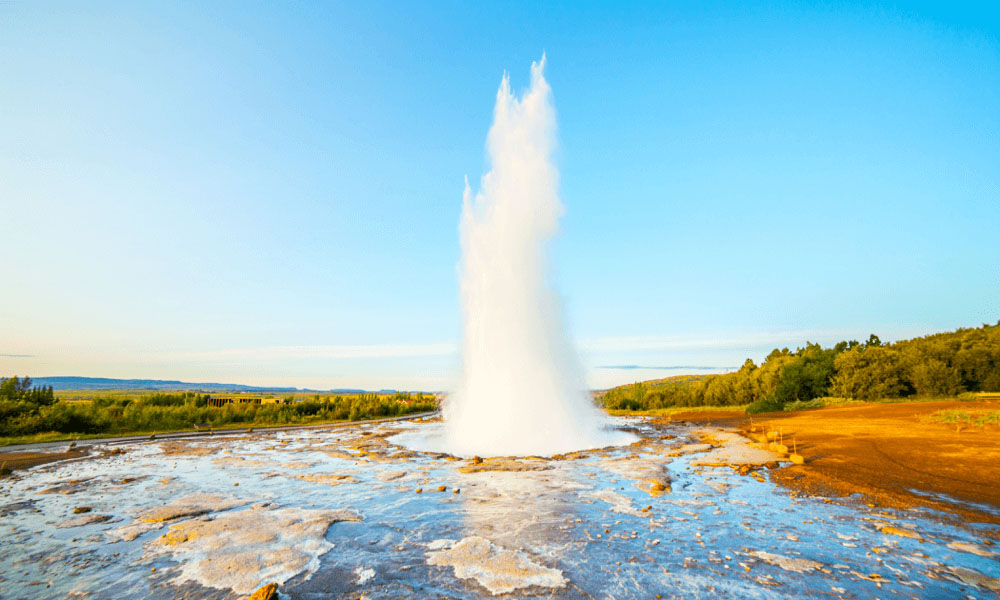
The heat of the Earth’s core can be a powerful source of reliable energy.
READ MORE.The Earth’s inner core is as hot as the surface of the sun. As that heat radiates, it heats the rocks and water just beneath the Earth’s surface, and the steam that process generates can be used to generate heat and electricity.
The United States leads the world in geothermal electricity capacity and generation, with most of the infrastructure to capture that power installed in western states and Hawaii. California is the home to the largest dry steam field in the world, which has been producing electricity since 1960. The United States has tapped less than 0.6 percent of its available geothermal electricity resources.

This includes retiring all coal and replacing it with reliable, affordable clean energy. We estimate the need to build roughly 700 gigawatts of new clean energy by 2030. To reach this goal, Sierra Club supports robust deployment of clean energy, including responsibly-sited wind, solar, and battery storage.
Solar: Sierra Club supports solar energy that is sited in ways that balance conservation priorities with the need to build out a clean grid. Sierra Club supports both distributed (rooftop) solar and responsibly-sited large scale solar, both of which are essential to an affordable, clean, and reliable grid.
Onshore wind: Today, wind is the only renewable, sustainable energy resource that is being seriously proposed for immediate development on a major scale. Sierra Club supports responsibly sited wind energy with robust public participation.
Offshore Wind: Sierra Club supports responsibly sited, equitably developed offshore wind power as one of the key ways to fight climate change and transition to 100% clean energy. Offshore wind turbines provide reliable, pollution-free energy to high populations on the coast and will create jobs, help stabilize energy prices, and ensure our families breathe clean air.
Battery storage: Battery storage is a key existing technology that can store wind and solar and release it back into the grid, lowering electricity costs and delivering a reliable grid.
Transmission: To build a 100% clean, reliable, and affordable grid, we need a significant amount of new transmission lines. Studies show that we need to double or triple the pace of responsibly-sited transmission buildout to decarbonize the grid on the timeline needed to stop climate catastrophe.

The average wind turbine generates enough electricity in just 46 minutes to power an average U.S. home for one month.
$700
250,000
jobs in the solar industry
Clean energy saves money: The transition to 100% clean energy will save the average family up to 7200 dollars per year in energy costs and another $1,500 per year in healthcare costs.
Clean energy creates good-paying jobs: The solar industry already employs over 250,000 people, nearly twice as many people as the coal-mining industry. According to the Bureau of Labor Statistics, the two fastest-growing jobs in the country are wind turbine technicians and solar panel installers.
Un reporte bilingüe del Sierra Club detalla cómo las dos plantas térmicas de gas fósil que Xcel opera en Denver —Arapahoe y Cherokee— contribuyen a injusticias ambientales en el área metropolitana.
DALLAS, TEXAS -- Today, a coalition of environmental justice advocates, representing organizations across North Texas – including Lane Plating Community Advisory Group, Southern Sector Rising, Downwinders at Risk, Midlothian Breathe, Liveable…
El Panel Intergubernamental sobre Cambio Climático (PICC) de la ONU emitió hoy su Sexto Informe de Evalución del Grupo de Trabajo en el que detalla los costos y consecuencias de la crisis climática, incluyendo salud pública, desplazamiento…
EL PASO, TEXAS / LAS CRUCES, NEW MEXICO – On Friday, a coalition of environmental and community groups filed a motion to intervene in Texas’s challenge to the EPA's designation of El Paso County as being in nonattainment under the 2015 ozone…
El Servicio postal finalizó hoy su controversial plan de adquirir vehículos de combustión interna para el 90% de su parque móvil, una afronta directa a los compromisos climáticos de la administración Biden.