The Problem with Fossil Fuels
The Problem with Fossil Fuels
For too long, the fossil fuel industry has continued to expand when we know its risk to public health, the climate, and the environment. We must transition to a world powered by clean, renewable energy to protect our communities from harmful air, ground, and water pollution and our future from catastrophic climate change.

According to the American Lung Association, 40% of Americans live in areas with unhealthy levels of pollution.
What are the risks of fossil fuels?
Burning fossil fuels like coal, oil, and gas releases toxic pollution into the atmosphere that causes health problems, traps heat in the atmosphere, and causes global climate change. The United Nations describes climate change as a series of long-term temperature and weather pattern shifts. This shift isn’t happening naturally – it’s largely driven by human activity of burning fossil fuels.
Our reliance on fossil fuels is cranking up the volume on environmental chaos.
The fossil fuel industry's climate pollution is escalating wildfires, raising sea levels, strengthening hurricanes, increasing flood frequency, and sending heatwaves to record-breaking temperatures. What were once rare, extreme weather events are now becoming the norm. Burning fossil fuels also pollutes our air and water, putting our families at risk of asthma, respiratory disorders, lung cancer, pregnancy complications, and much more.

Particles released from coal plants kill more than 3,000 people in the U.S. each year, and cost more than $6.1 billion for healthcare.
8.7M
120M
Americans breathe unhealthy air
Fossil fuel activity occurs disproportionately in communities of color and on or near Indigenous lands
A study in Environmental Research found that air pollution from fossil fuels is responsible for nearly one in every five deaths worldwide. Fossil fuel pollution is not only fueling the climate crisis also kills more people each year than HIV, tuberculosis, and malaria combined. This burden falls disproportionately on communities of color who are subject to environmental racism.
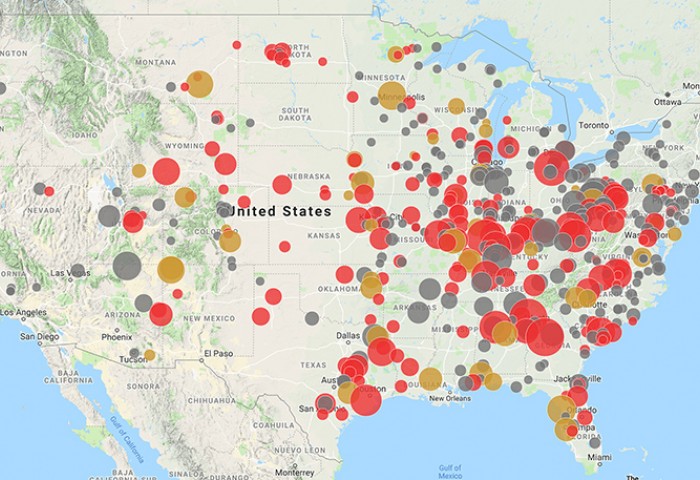
Does Coal Affect You and Where You Live?
We are in the midst of an historic transition, working toward a future where all communities use clean energy to drive American prosperity. Grassroots pressure combined with economic realities will end the coal industry, and consumers and workers alike are speeding this inevitable transition.
Our map shows the existing coal plants in America and those that have retired or committed to retirement. We also track where gas pipelines and plants are threatening a clean energy future. We’re working toward a future where all these map circles show clean, renewable energy.
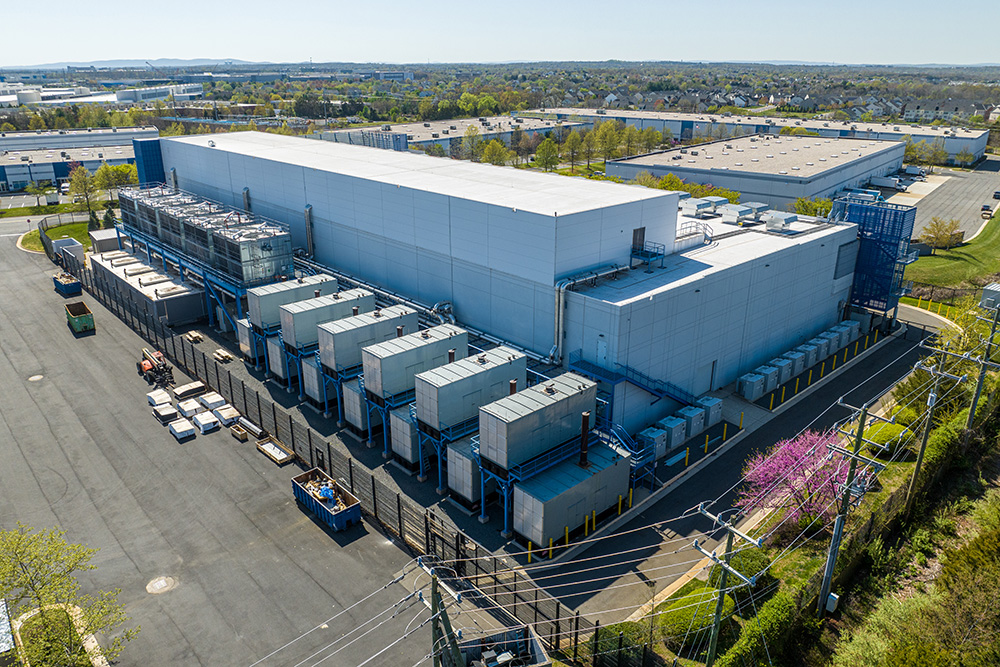
Data Centers
The rapid growth of data centers is quickly overwhelming utilities, undermining environmental goals, increasing public health impacts, and putting ratepayers at risk of dramatically increased costs for the infrastructure and extraordinary power demands of these facilities.
Coal by the Numbers

solar jobs as coal jobs, including
mining and power.

2 million people, nearly twice as many
as the oil and gas industry.

every 2.4 hours in the US.

plants have retired or proposed retirement.

have retired or proposed retirement.

lives, $3.4bn in health care costs and prevented
more than 81,000 asthma attacks.
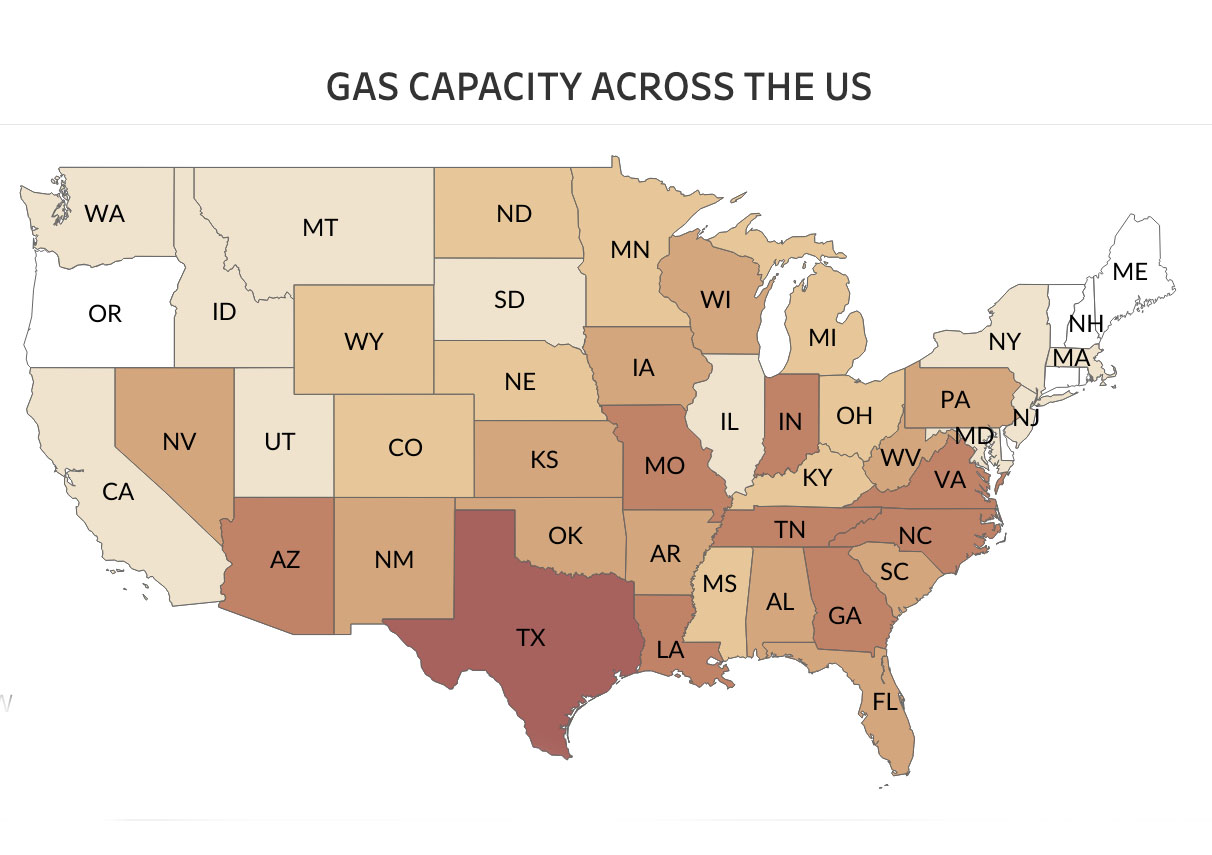
Is There a Planned Gas Plant Near You?
Across the country, companies are planning a massive buildout of new gas power plants. Fracked gas is a danger to all communities, risking public health, environmental devastation, and climate disruption. Building new gas power plant infrastructure is an environmental justice issue because it is a particular danger to Black, Brown and Indigenous communities, who bear a disproportionate burden from pipeline construction and the other consequences of fracked gas.
Environmental Damage from Fossil Fuels
From the land we live on, to the water we drink, to the air we breathe, coal poisons every part of our environment.
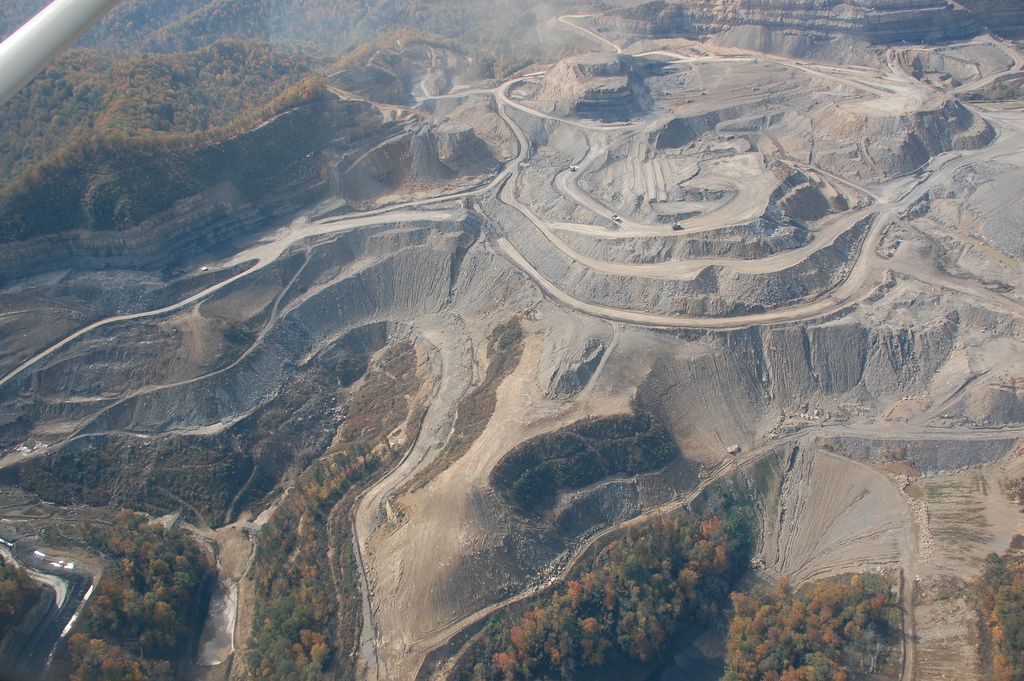
In Appalachia, the practice of mountaintop-removal mining has damaged thousands of miles of streams and millions of acres of forests.
READ MORE.In Appalachia, mining companies literally blow the tops off mountains to reach thin seams of coal. They then dump millions of tons of rubble into the streams and valleys below the mining sites. Toxic heavy metals such as cadmium, selenium, and arsenic leach into local water supplies, poisoning drinking water.
This destructive practice, known as mountaintop-removal mining, sends carcinogenic toxins like silica into the air, affecting communities for miles around. Cancer rates are twice as high for people who live near mountaintop-removal sites, and the risk of heart defects in babies born to mothers who lived near these sites while pregnant is 181 percent higher than for babies in non-mining areas. It also destroys beautiful, biodiverse forests and wildlife habitat, increases the risk of flooding, and wipes out entire communities.
This practice has damaged or destroyed more than 2,000 miles of streams, and has wiped out more than 1.5 million acres of forests in Kentucky, Tennessee, Virginia, and West Virginia.
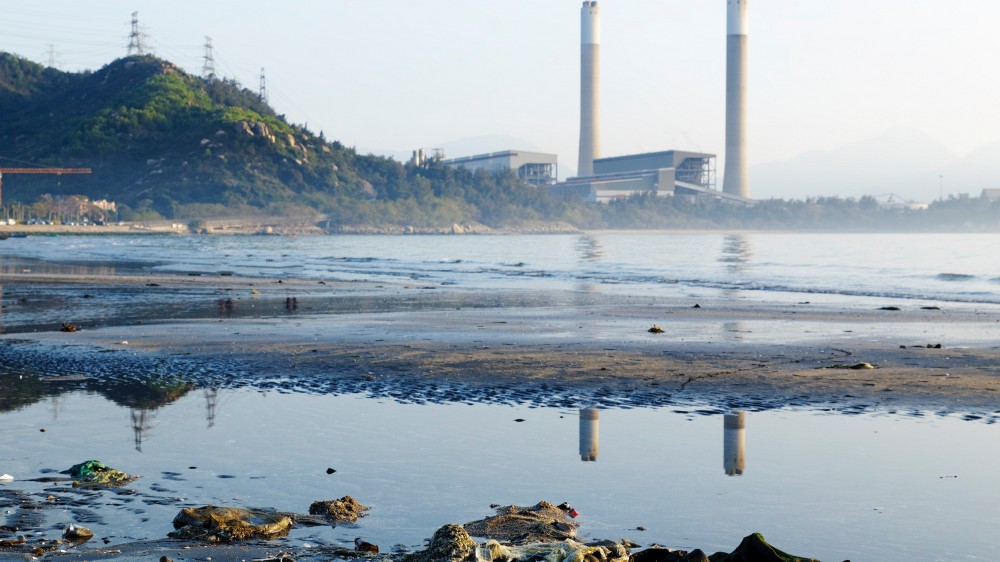
Discharges from power plants alone contribute a third of all the toxic pollution in our environment. Coal-fired power plants poison waterways and the fish that swim in them.
READ MORE.Every year, coal-fired power plants dump millions of tons of toxic metals into our waterways. Coal plants across the country dispose of heavy metals like selenium, mercury, arsenic, cadmium, thallium, and lead into our waterways, polluting our drinking water, fishing areas, and local rivers and streams. Research has shown exposure to these dangerous chemicals can lead to birth defects, cancer, and even death. Limiting these pollutants will not only clean up our water, but also save lives.
Each year, coal-burning power plants in the United States produce millions of tons of coal ash pollution, the toxic by-product of burning coal. Coal plant ash waste is often mixed with water and stored in ponds, which threaten America’s waterways. When flooded, when they leak, or when they are otherwise compromised, those ponds can poison freshwater sources nearby, including lakes, rivers, and streams, with a toxic soup. Coal ash ponds are also often placed in low-income communities and communities of color. This environmental injustice affects at least 1.5 million people of color in coal ash pond catchment areas.
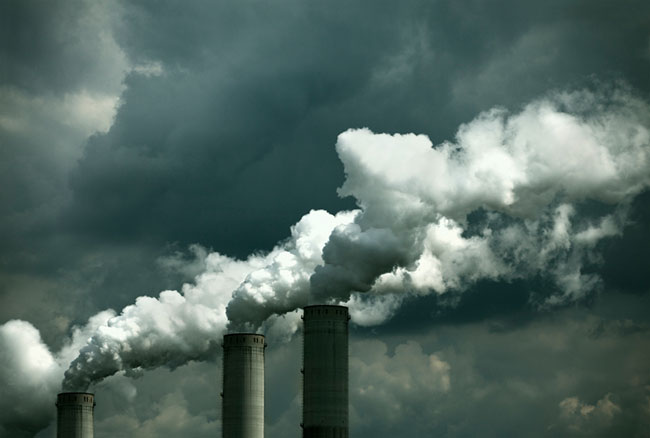
Coal-fired power plants produce toxic soot and ozone, which harm lung health for Americans who live near and breathe those pollutants.
READ MORE.Though pollution control technology is available, approximately 40 percent of power plants in the United States do not control emissions of toxic pollutants like mercury. In fact, half of the mercury and 77 percent of the acid gases that pollute our air are emitted by power plants. This carbon pollution also exacerbates climate change, making extreme weather worse -- including more severe floods, widespread wildfires, and record drought.
Soot pollution, a by-product of coal-fired power production, is one of the deadliest, most dangerous air pollutants. When plants burn coal, they release small particles composed of a mixture of metals, chemicals, and acid droplets into the air. The smallest particles are less than one-thirtieth the width of a human hair, and are easily inhaled, where they can make their way deep into the lungs and pass into the bloodstream.
Ozone pollution, which happens when emissions from coal-fired plants (and other sources) interacts with heat and sunlight, creates smog, which is a low-lying toxic compound that serves as a dangerous lung irritant. It can cause chest pain, coughing, and breathing difficulties.
Health Damage from Fossil Fuels
Pollution from burning coal and gas threatens critical organs like our lungs, heart, and brains.
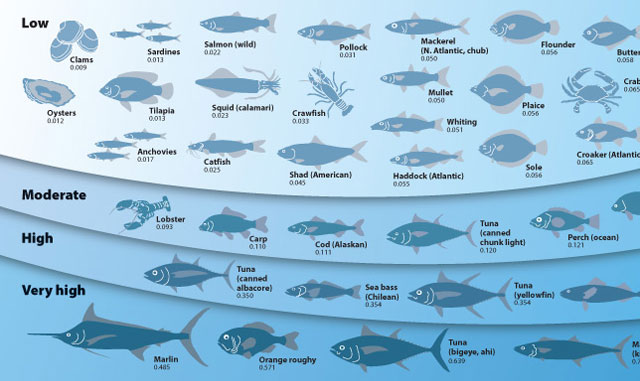
Burning coal releases toxic mercury that rains down into rivers and streams. This poison then accumulates in the food chain, eventually making its way into our bodies when we eat contaminated fish. Mercury, a powerful neurotoxin, can damage the brain and nervous system.
READ MORE.Women who are pregnant or thinking of becoming pregnant are especially at risk--mercury exposure can harm fetus’ developing brains and nervous systems. Children who were exposed while in the womb can develop problems with memory, attention, language, motor skills, and spatial skills later in life.

Fracked gas is a danger to all communities, risking public health, environmental devastation and climate disruption. Gas plants emit formaldehyde and nitrous oxides (NOx) which can cause respiratory ailments.
READ MORE.Building new gas infrastructure is a particular danger to Black, Brown and Indigenous communities, who bear a disproportionate burden from pipeline construction and the other consequences of fossil gas.
Children, whose lungs are still developing and who are more likely to be active outdoors, are at the greatest health risk from air pollution. In addition, people who work with coal in any capacity (in mines, at power plants, in train lines and at ports) are more likely to suffer from long-term health effects, including permanent scarring of their lungs.

As coal plants produce power, they also produce toxic pollutants that can cause a range of health problems.
READ MORE.Soot pollution, a by-product of coal-fired power production, is one of the deadliest, most dangerous air pollutants. When plants burn coal, they release small particles composed of a mixture of metals, chemicals, and acid droplets into the air. The smallest particles are less than one-thirtieth the width of a human hair, and are easily inhaled, where they can make their way deep into the lungs and pass into the bloodstream.
Ozone pollution, which happens when emissions from coal-fired plants (and other sources) interacts with heat and sunlight, creates smog, which is a low-lying toxic compound that serves as a dangerous lung irritant. It can cause chest pain, coughing, and breathing difficulties.