August 15, 2018
Yesterday, a coalition of clean water advocates filed two emergency motions to stop the continued construction of the Mountain Valley Pipeline
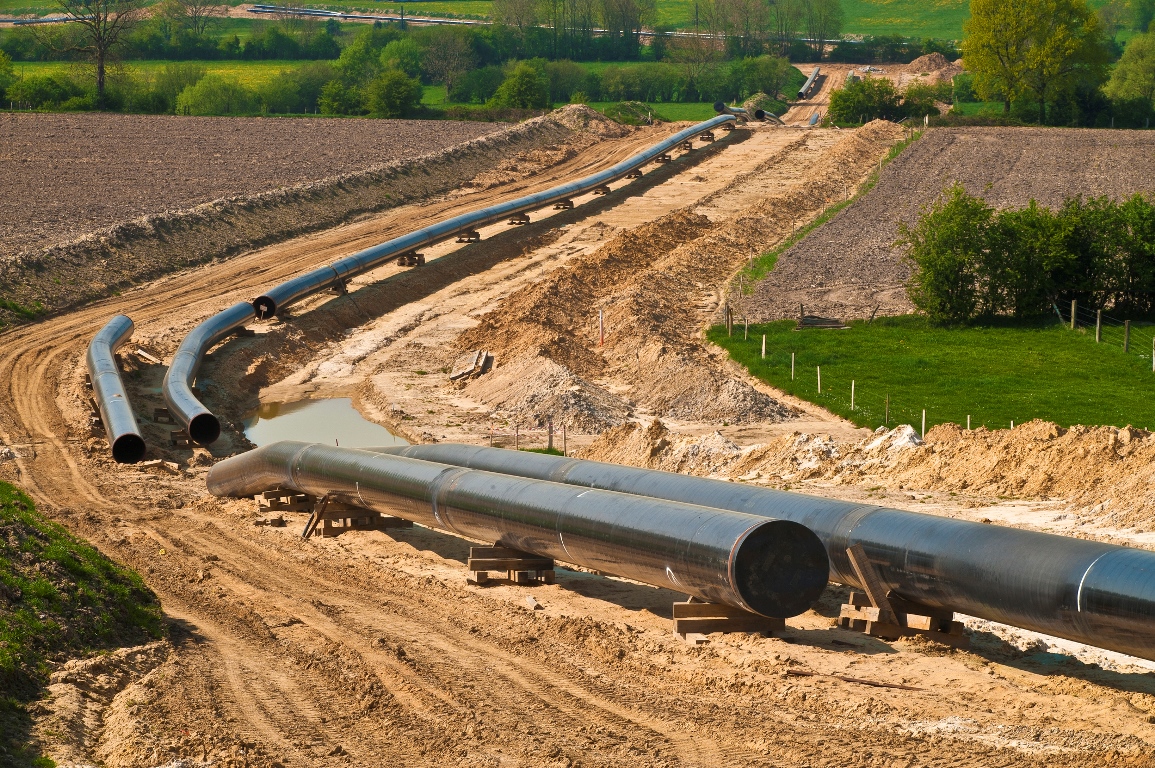
Whether it moves by pipeline, by rail, or by tanker, tar sands and other oil is polluting, highly combustible, and dangerous to communities and our climate. In order to avert the worst of the climate crisis and protect our communities from devastating explosions and oil spills, we must stop the industry from building any new oil infrastructure. After more than a decade of advocacy, legal challenges, and organizing in partnership with local communities along the pipeline route and across the country, we successfully blocked the proposed Keystone XL tar sands pipeline. Now we are continuing to apply those same tools to winning fights against other pipelines, oil train terminals, and oil export facilities across the country.
Read more:
Watch:
Yesterday, a coalition of clean water advocates filed two emergency motions to stop the continued construction of the Mountain Valley Pipeline
In the space of just one week, legal challenges from clean water advocates led to work stoppages along the entire routes of both the Atlantic Coast and Mountain Valley pipelines.
Today, the fracked gas Mountain Valley Pipeline (MVP) responded to an order to halt construction by proposing they complete 45 miles of construction (bless their little hearts).
The Fourth Circuit Court of Appeals today threw out the National Park Service’s permit for the Atlantic Coast Pipeline
The Federal Energy Regulatory Commission (FERC), ordered a halt to construction activities along the entire route of the fracked gas Mountain Valley Pipeline
Despite acknowledging the severe climate threat posed by burning fossil fuels, an administrative law judge recommended today to allow FPL to expand its fracked gas-burning operations in Dania Beach
Today, Donald Trump’s State Department released a draft Environmental Assessment of the proposed Keystone XL tar sands pipeline’s route through Nebraska.
The U.S. Court of Appeals for the Fourth Circuit dealt another blow to the floundering Mountain Valley Pipeline (MVP), handing down a decision that rescinds permission for all pipeline-related activities in the Jefferson National Forest
The EPA’s new associate administrator for the Office of Policy, sent a letter to FERC rolling back suggestions from EPA on how FERC might evaluate the environmental impacts of fracked gas pipelines
Yesterday evening, the comment period closed on FERC's review of their 1999 policy statement pertaining to pipeline reviews. Members and supporters of the Sierra Club submitted more than 25,000 comments.