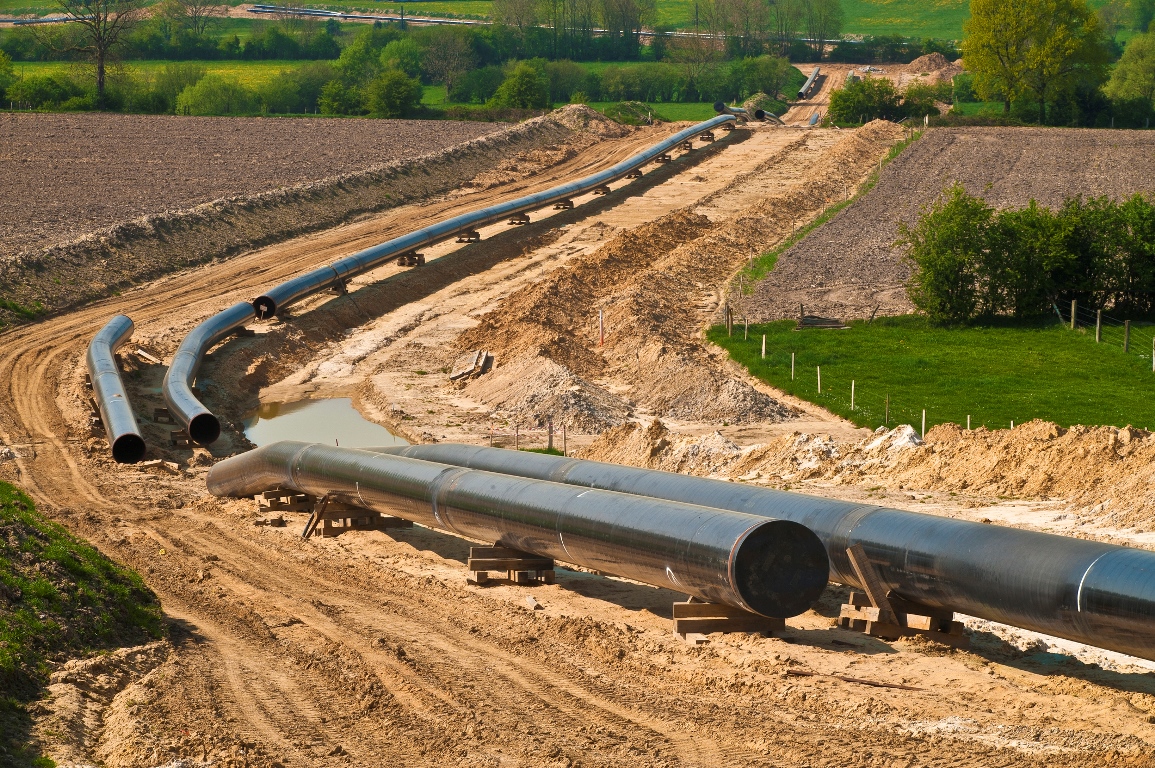
Whether it moves by pipeline, by rail, or by tanker, tar sands and other oil is polluting, highly combustible, and dangerous to communities and our climate. In order to avert the worst of the climate crisis and protect our communities from devastating explosions and oil spills, we must stop the industry from building any new oil infrastructure. After more than a decade of advocacy, legal challenges, and organizing in partnership with local communities along the pipeline route and across the country, we successfully blocked the proposed Keystone XL tar sands pipeline. Now we are continuing to apply those same tools to winning fights against other pipelines, oil train terminals, and oil export facilities across the country.
In a notice to be published to the Federal Register tomorrow, the Bureau of Land Management (BLM) will finalize a one-year delay of a rule designed to limit methane pollution from oil and gas operations on public lands. The rule has already withstood legal attack from industry, as well as an attempted repeal in Congress.
The West Virginia Department of Environmental Protection again waived its opportunity to review the water quality impacts of a fracked gas pipeline, this time with the Atlantic Coast Pipeline.
Today, the American Petroleum Institute (API) is touting its new, voluntary program for its members to cut methane emissions from oil and gas facilities. Meanwhile, API is a driving force behind the Trump administration’s push to roll back common sense regulations that would limit methane pollution and other danger emissions from new oil and gas facilities and those on public lands.
A coalition of environmental groups filed letters today urging the Trump administration to analyze the environmental impacts of the approved route for the Keystone XL tar sands pipeline.
WASHINGTON, D.C. -- Today, Scott Pruitt’s Environmental Protection Agency (EPA) will hold a hearing for the reconsideration -- with intent to repeal -- pollution limits from glider kit trucks (freight trucks with a used engine installed in an otherwise new frame). The repeal would declassify "glider kits" as new vehicles or engines, making them no longer subject to air pollution control requirements. EPA Administrator Scott Pruitt announced his intent to revisit the glider loophole that was just closed in August of 2016.
Today, the United States Forest Service issued a decision to allow the fracked gas Mountain Valley Pipeline (MVP) to cross the Jefferson National Forest. In addition to its role in exacerbating climate change, the Sierra Club opposes this pipeline on the grounds that the need for it does not exist, and there is no need to send it through undisturbed portions of the Appalachian Trail and Jefferson National Forest.
Federal Energy Regulatory Commission (FERC) Chairman Neil Chatterjee told the American Gas Association’s Natural Gas Roundtable that more focused and sophisticated resistance from environmental organizations was slowing down the approval process for gas infrastructure.
WASHINGTON, D.C. -- Today, North Carolina applied for funding to invest in clean transportation solutions from the Volkswagen dieselgate settlement funds. With North Carolina’s application, all 50 states plus Washington, DC and Puerto Rico have applied for these funds one day ahead of the December 1 deadline.
Local activists will gather on Thursday at noon to rally outside Wells Fargo’s headquarters in San Francisco and demand that they divest from Keystone XL.
Today, a federal judge ruled that a lawsuit brought by environmental and landowner groups over the Trump administration’s approval of the cross-border permit for the Keystone XL tar sands pipeline can proceed. The decision rejects attempts by the administration and TransCanada, the company behind the proposed pipeline, to have the lawsuit thrown out.