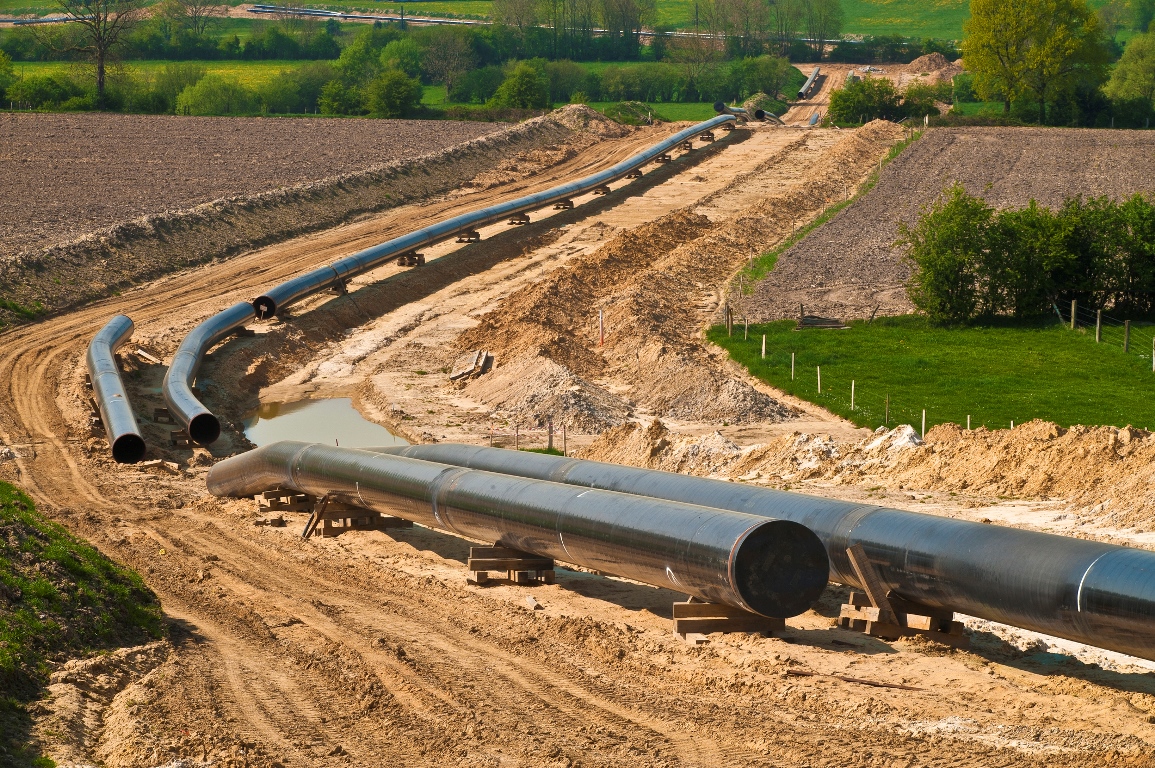
Blocking Dirty Oil Infrastructure

In Setback for Enbridge, PUC Rules Line 3 Review is Inadequate

Whether it moves by pipeline, by rail, or by tanker, tar sands and other oil is polluting, highly combustible, and dangerous to communities and our climate. In order to avert the worst of the climate crisis and protect our communities from devastating explosions and oil spills, we must stop the industry from building any new oil infrastructure. After more than a decade of advocacy, legal challenges, and organizing in partnership with local communities along the pipeline route and across the country, we successfully blocked the proposed Keystone XL tar sands pipeline. Now we are continuing to apply those same tools to winning fights against other pipelines, oil train terminals, and oil export facilities across the country.


Read more:

Watch:


November 15, 2017

The North Carolina Utilities Commission (NCUC) filed a rehearing request yesterday with the Federal Energy Regulatory Commission (FERC) to challenge the Atlantic Coast Pipeline’s (ACP) guaranteed 14% return on equity. The rehearing request comes as the Sierra Club and watchdog groups have been raising concerns over the lack of necessity for these pipelines, as well as the fact that ratepayers could be on the hook to pay for them.

November 13, 2017

The Sierra Club and allied conservation groups yesterday requested a rehearing before the Federal Energy Regulatory Commission (FERC) for the Mountain Valley and Atlantic Coast pipelines. Yesterday’s filings are a necessary step before filing suit in federal court.

November 13, 2017

Appalachian Mountain Advocates (Appalmad), on behalf of the Sierra Club, filed a federal lawsuit challenging the decision by the Federal Energy Regulatory Commission (FERC) to allow construction of the fracked gas NEXUS pipeline.

November 12, 2017

Leading environmental, health, scientific and business organizations today applauded the announcement by seven states and Washington, D.C. of plans to develop a regional policy to reduce carbon pollution from the transportation sector. The move was endorsed today by the Natural Resources Defense Council (NRDC), Acadia Center, Sierra Club, and Union of Concerned Scientists (UCS), and five other groups.

November 12, 2017

Annapolis, MD -- Today eight Northeastern states and jurisdictions, including Maryland, Massachusetts, New York, Connecticut, Delaware, Rhode Island, Vermont, and Washington, D.C., announced their plans to share approaches and develop regional policies to enable greater access to clean mobility opportunities, reducing carbon pollution from transportation fuels, creating jobs, and growing their economies.

November 9, 2017

St. Paul, MN -- Today, the Minnesota Public Utilities Commission (PUC) announced that they will not reschedule a public hearing on the proposed Line 3 tar sands pipeline in St. Cloud. The hearing was scheduled to be held on October 26th but was canceled due to logistical concerns from the city.

November 9, 2017

WASHINGTON, D.C. -- Today, the Environmental Protection Agency reopened -- with intent to repeal -- a portion of the emissions rule for heavy duty trucks. The repeal would declassify "glider kits" as new vehicles or engines, making them no longer subject to air pollution control requirements. EPA Administrator Scott Pruitt announced his intent to revisit the glider loophole that was just closed in August of 2016.

November 9, 2017

The Sierra Club sent a mail piece to Northampton and Halifax County residents informing them that they may be in the “blast zone” or “evacuation zone” for the fracked gas Atlantic Coast Pipeline. It encourages people to attend a public hearing for a proposed compressor station.

November 8, 2017

United States Court of Appeals for District of Columbia Circuit lifted its stay on construction of the Pennsylvania portion of the fracked gas Atlantic Sunrise Pipeline, which Sierra Club will continue to fight

November 8, 2017

Today, the European Commission published proposals aimed at reducing vehicles' carbon dioxide (CO2) emissions by 2030. The EPA is conducting a review of current U.S. vehicle greenhouse gas and fuel economy standards with the intention of rolling them back.