Blocking Dirty Oil Infrastructure

In Setback for Enbridge, PUC Rules Line 3 Review is Inadequate

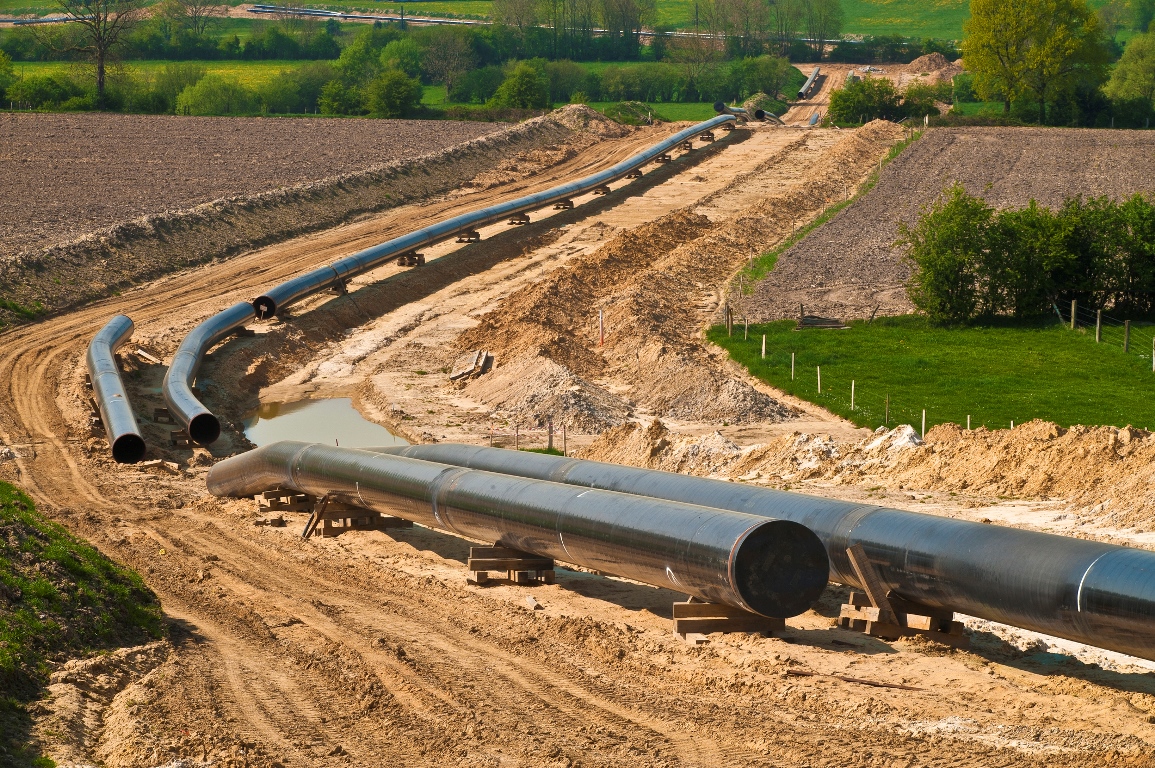
Whether it moves by pipeline, by rail, or by tanker, tar sands and other oil is polluting, highly combustible, and dangerous to communities and our climate. In order to avert the worst of the climate crisis and protect our communities from devastating explosions and oil spills, we must stop the industry from building any new oil infrastructure. After more than a decade of advocacy, legal challenges, and organizing in partnership with local communities along the pipeline route and across the country, we successfully blocked the proposed Keystone XL tar sands pipeline. Now we are continuing to apply those same tools to winning fights against other pipelines, oil train terminals, and oil export facilities across the country.


Read more:

Watch:


October 24, 2017

Tulsa, OK - Today, the Oklahoma Supreme Court struck down H.B. 1449, a bill that sought to implement an annual fee on electric vehicles, ruling the tax unconstitutional because the fee was untethered from a regulatory purpose and simply sought to impose a new financial burden. In August, the Sierra Club filed a state lawsuit in Oklahoma, challenging the legislature’s passage of H.B. 1449. The bill would have established, without justification, a $100 annual fee for the purchase of an electric vehicle and $30 for the purchase of a hybrid vehicle. The arbitrary fee had no connection to the…

October 24, 2017

Today, Interior Secretary Ryan Zinke announced plans to put up 77 million acres in the Gulf of Mexico up for oil and gas leasing. The largest offshore oil and gas lease sale in Interior’s history, the sale would include all available, unleased areas of the Gulf. The announcement comes in the wake of an oil spill that spilled an estimated 16,000 barrels into the Gulf, making it the largest Gulf oil spill since the Deepwater Horizon disaster in 2010.

October 24, 2017

A recent poll conducted by Greenberg Quinlan Rosner Research in Colorado, Michigan, Ohio, Pennsylvania and Virginia found overwhelming support for clean cars standards. While the Trump administration has opened the federal fuel efficiency standards for review, a wide majority of those states’ residents support requiring the auto industry to continue meeting increased fuel efficiency standards that save drivers money at the pump.

October 23, 2017

Today, in surrebuttal testimony submitted to the Minnesota Public Utilities Commission (PUC), the Minnesota Department of Commerce (DoC) confirmed its original finding that Enbridge’s proposed Line 3 tar sands pipeline project is not needed and that the risks outweigh any limited benefits.

October 17, 2017

The Fourth Circuit Court of Appeals today granted an unusual request from the West Virginia Department of Environmental Protection (DEP) - to throw out DEP’s approval of the Mountain Valley Pipeline (MVP) and let them start anew.

October 16, 2017

Washington, DC -- Today, the State Department granted a cross-border permit for Enbridge’s Line 67, or Alberta Clipper, tar sands pipeline expansion. Since 2015, Enbridge has already been moving an expanded amount of tar sands across the border, since the company connected Line 67 to the nearby Line 3 tar sands pipeline. This scheme allowed them to bypass State’s environmental review because Line 3’s original cross-border permit was older and did not specify a maximum capacity.

October 15, 2017

The Rover pipeline has been spilling gasoline in an ongoing, days-long discharge into a Pinckney, Michigan wetland.

October 13, 2017

Today, the Federal Energy Regulatory Commission (FERC), after recently regaining a quorum, granted federal approval for the fracked gas Atlantic Coast (ACP) and Mountain Valley (MVP) pipelines.

October 12, 2017

Today, attorneys for the Sierra Club and Appalachian Mountain Advocates filed an appeal to the Virginia Supreme Court to ensure that a deal for fracked gas shipping capacity is reviewed for conflicts of interest. The Atlantic Coast Pipeline presents a major conflict of interest because the companies that own the pipeline, including Dominion Energy, also own the utilities that have purchased shipping capacity on the pipeline.

October 9, 2017

The North Carolina Department of Environmental Quality (DEQ) has rejected a vital part of the proposed Atlantic Coast Pipeline’s (ACP) construction process. ACP cannot start construction in North Carolina without DEQ’s approval of this plan and now must either submit a revised plan or contest the rejection.