Blocking Dirty Oil Infrastructure

In Setback for Enbridge, PUC Rules Line 3 Review is Inadequate

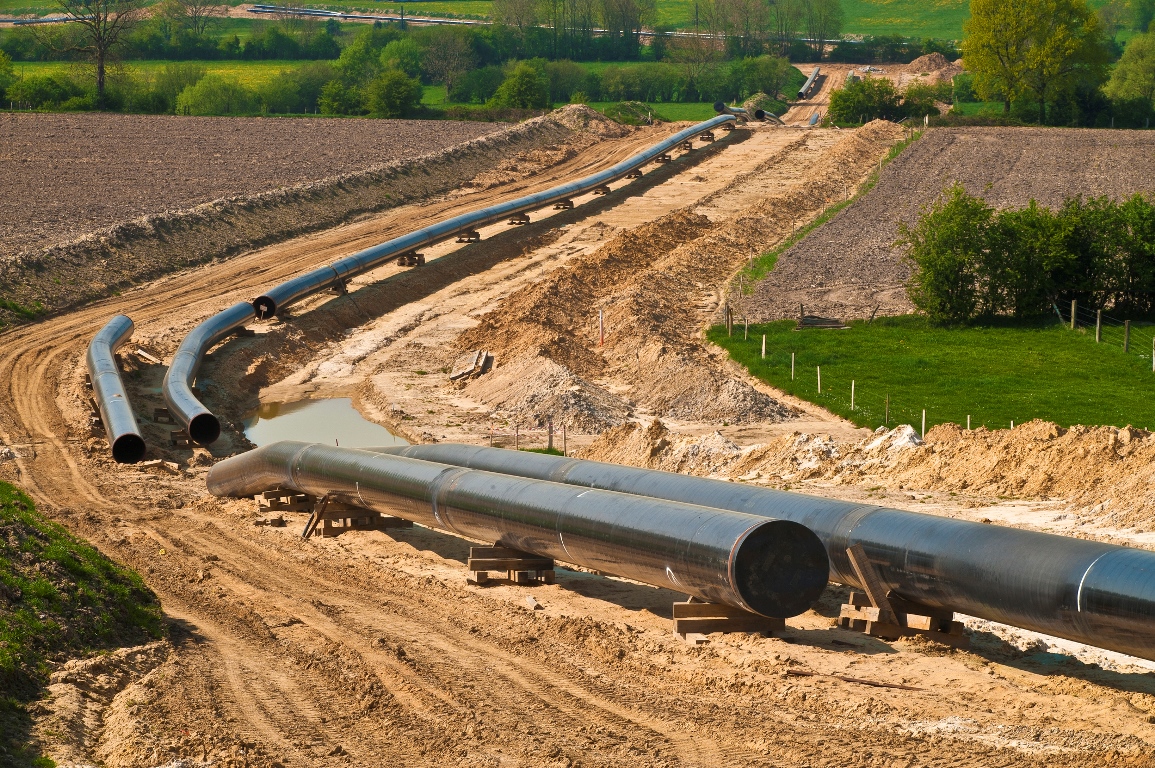
Whether it moves by pipeline, by rail, or by tanker, tar sands and other oil is polluting, highly combustible, and dangerous to communities and our climate. In order to avert the worst of the climate crisis and protect our communities from devastating explosions and oil spills, we must stop the industry from building any new oil infrastructure. After more than a decade of advocacy, legal challenges, and organizing in partnership with local communities along the pipeline route and across the country, we successfully blocked the proposed Keystone XL tar sands pipeline. Now we are continuing to apply those same tools to winning fights against other pipelines, oil train terminals, and oil export facilities across the country.


Read more:

Watch:


October 5, 2017

As the second comment period for the EPA’s reopened review of passenger vehicle tailpipe standards comes to a close today, a diverse coalition including the Sierra Club, Environment America, Natural Resources Defense Council, the League of Conservation Voters and the Safe Climate Campaign have submitted more than 300,000 comments from members and supporters over the two comment periods calling on the Environmental Protection Agency (EPA) to maintain strong vehicle standards.

October 4, 2017

Today, the U.S. District Court for the Northern District of California struck down Donald Trump and Ryan Zinke’s attempt to delay a commonsense rule designed to limit methane pollution from oil and gas operations on public lands.

October 4, 2017

Washington, DC -- In a document that is expected to be officially filed in the Federal Register tomorrow, the Bureau of Land Management (BLM) will propose a one year delay of a rule designed to limit methane pollution from oil and gas operations on public lands. The rule has already withstood legal challenges, as well as an attempted repeal in Congress.

September 29, 2017

The Associated Press broke the news that Dan Weekley, Vice President of Corporate Affairs at Dominion Energy, told a gathering of fracked gas industry insiders that the company had plans to extend the proposed Atlantic Coast Pipeline into South Carolina, despite only releasing maps that show it ending in North Carolina. This revelation contradicts not only what Dominion told the public, but what they told the Federal Energy Regulatory Commission and West Virginia, Virginia, and North Carolina regulators, as well.

September 28, 2017

St. Paul, MN -- Today, Minnesotans marched and rallied outside the State Capitol to voice their opposition to the controversial proposed Enbridge Line 3 tar sands pipeline expansion.

September 28, 2017

The Sierra Club notified the Wolf administration that Transco has suspended air quality monitoring at two locations during its construction of the fracked gas Atlantic Sunrise Pipeline

September 26, 2017

WASHINGTON, D.C. -- Yesterday, the Sierra Club filed with the Federal Energy Regulatory Commission (FERC) a challenge to Florida Southeast Connection’s (FSC) request for fast-track authorization to extend  the fracked gas Sabal Trail Pipeline, in what is called the Okeechobee lateral project. The project would supply a massive new gas-burning power plant that FSC’s affiliate, Florida Power & Light Company (FPL), wants to put into service in 2019.

September 21, 2017

Today, Appalachian Mountain Advocates (Appalmad), on behalf of the Sierra Club, filed a request for rehearing with the Federal Energy Regulatory Commission (FERC) calling for a new and comprehensive examination of whether the NEXUS fracked gas pipeline is necessary.

September 18, 2017

The Sierra Club and its partners filed two letters with the Federal Energy Regulatory Commission (FERC) arguing that body must do new analyses of two fracked gas pipelines. While FERC has already issued Environmental Impact Statements (EIS) for both the Atlantic Coast Pipeline (ACP) and the Mountain Valley Pipeline (MVP), neither sufficiently considered the pipelines’ impacts, including the long-term effects of the greenhouse gases produced from burning the gas transported by these pipelines.

September 15, 2017

Washington, D.C. -- Today, the Federal Energy Regulatory Commission granted Williams Transco the right to begin construction on the fracked gas Atlantic Sunrise Pipeline despite a faulty water review and a piecemeal permitting process. FERC’s review lacked public oversight and is currently evading judicial review, while the Wolf administration’s review of the project downplayed known impacts to water quality that other states took action on.