Every three years, the Iowa Department of Natural Resources (DNR) conducts a Triennial Review of its water quality standards. Part of the review is a determination of what changes need to be made to Iowa’s existing water quality standards. After digging into these topics during the Review meeting, what jumped out was the lack of investment the State of Iowa and the DNR has made in water quality and improved water quality standards over the last two decades.
The DNR plans to revise Iowa’s water quality standards to reflect the human health criteria issued by the Environmental Protection Agency in 2015. Most of Iowa’s human health criteria are based on EPA’s 2002 criteria. It has been 10 years since the 2015 criteria were issued.
The DNR is so far behind in performing Use Attainability Analysis on some of Iowa's water bodies that there are 250 water discharge permits (called NPDES permits) that have expired and are waiting for the UAA to be completed. Some of the permits have been expired since 2007, almost two decades.
More than one-quarter of the NPDES permits have expired! Some of the expired permits are for major sources, both municipal and industrial. The oldest expired NPDES permit expired in 2002, over two decades ago.
When a water body is placed on the impaired waters list (a list of waters that are polluted), the DNR is supposed to write a plan for bringing the water back into compliance with water quality standards – that plan is called a TMDL. Numerous waters on the current impaired waters have been on the list since 2006 and 2008, with no TMDL having been prepared – almost two decades. Some of the waters that have been on the list since 2006 and 2008 are designated as Outstanding Iowa Waters pursuant to Iowa’s Antidegradation Policy. An Outstanding Iowa water is considered the best of the best and is entitled to extra protection from pollution.
The significance of the delay in implementing new water quality standards and updating permit levels is that dischargers – sewage treatment plants and industries - may have been discharging harmful levels of those pollutants into the state’s water bodies, exposing humans who are wading, swimming, and boating to those pollutants, along with fish and other wildlife.
The backlog of work needed to comply with the most basic requirements of the federal Clean Water Act is shocking. All of this points to a need for funds for staff, equipment, materials, and other resources. And the will to see that Iowa's water quality improves.
If you want to write a letter to the DNR about the triennial review, we have made it easy for you - just click here to send a message to the DNR .
Take care,
Pam Mackey Taylor, Chapter Director and Newsletter Editor
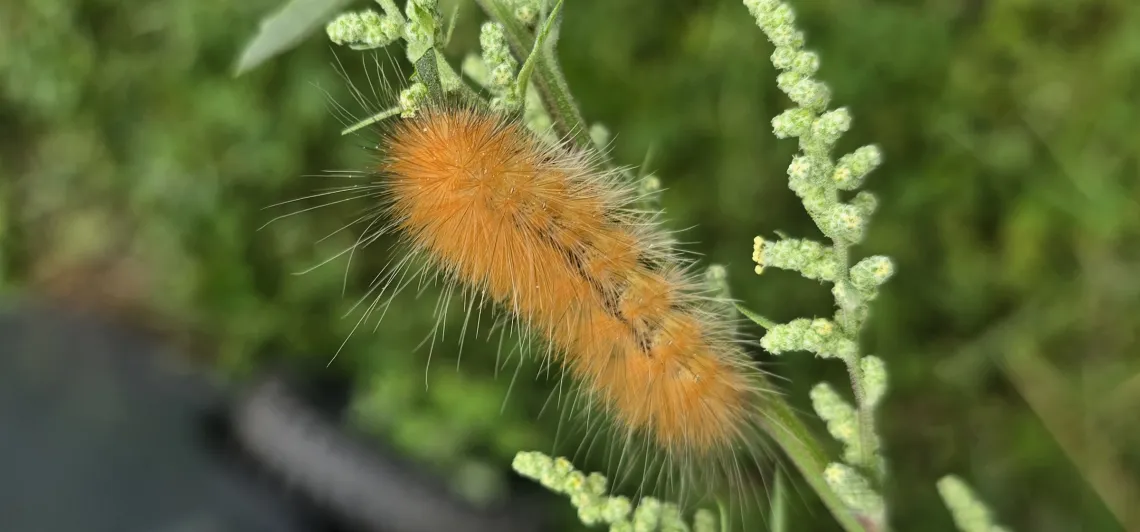
Photo of caterpillar by Nick Graceffa
What you can do to help the environment
Send a message to the Department of Natural Resources about the Iowa's water quality standards
Save the date for our Annual Meeting Sept. 26, 2026, Newton Arboretum, Newton, Iowa
Donate to the Iowa Chapter of the Sierra Club so that we can continue our work on protecting Iowa's environment.
Attend the Lunch and Learn presentations - Live-streamed on Facebook on Fridays at noon - https://www.facebook.com/IowaSierraClub
October 17 – Saving Our Avian Resources (SOAR): Learn how hunting with lead ammunition harms Iowa’s wildlife, and what we can do to protect eagles and other birds.
October 24 – Risks of Nuclear: Join Dr. Maureen McCue, Dr. John Rachow, and researcher Joseph Mangano for a discussion on the health and safety impacts of nuclear power.
Missed the live-stream lunch and learn? No problem, find them on our YouTube: https://www.youtube.com/@IowaSierraClub/videos
In this issue of the Iowa Sierran
Iowa's environment
Triennial Review, Sierra Club submits water standards recommendations to the Iowa DNR
Here's How to Take Action to Clean Up Iowa's Water!
Polk County Judge to rule on pipeline next steps
Plus
Annual Meeting Sept. 26, 2026, Newton Arboretum, Newton, Iowa - Save the date
Lunch and Learns Fridays at noon
Contribute to the Iowa Chapter
Volunteer for the Iowa Chapter
Calendar of events
To see the archive of previous Iowa Chapter newsletters
Triennial Review: Sierra Club Submits Water Standards Recommendations to the Iowa DNR
Iowa Water Quality Standards Lacking, Not Funded, Not Monitored, and Not Enforced
Every three years, the Iowa Department of Natural Resources (DNR) conducts a Triennial Review of its water quality standards. Sierra Club Iowa Chapter reviewed Iowa DNR’s water quality standards and submitted comments calling for increased funding, monitoring, enforcement and in general, stronger standards.
Water Quality standards are important because they set a standard and allow DNR to monitor whether or not the water body is polluted and to take action to clean it up.
“After digging into these topics during the Review meeting, what jumped out was the lack of investment the State of Iowa and the DNR has made in water quality and improved water quality standards over the last two decades.” Said Pam Mackey-Taylor, Director of the Sierra Club Iowa Chapter.
Iowa is going in the opposite direction of clean water. The DNR has a backlog of expired permits, a lack of funding to maintain our already low number of water quality monitoring sensors across the state, old standards that have not been updated in decades, and improper methods for determining limits of pollutants that a facility can discharge (TMDLs).
There are 250 water discharge permits that have expired, some since 2007, and cannot be completed because they are waiting for the DNR to complete the Use Attainability Analysis (UAA). UAA’s are a water quality standard based on how the water body is used - aquatic life, recreation, drinking water, and human health.
A full review of NPDES discharge permits shows 1,587 permits as of September 28, 2025. Of those, 451 permits had expired on or before August 31, 2025, and 22 permits were scheduled to expire on September 30, 2025. The oldest expired NPDES permit expired in 2002, over two decades ago.
“More than one-quarter of the NPDES permits have expired. The backlog of work needed to comply with the most basic requirements of the federal Clean Water Act is shocking. All of this points to a need for funds for staff, equipment, materials, and other resources.” said Wally Taylor, conservation and legal chair for the Iowa Chapter of the Sierra Club.
“If Iowa doesn’t set standards, issue permits to meet those standards and monitor whether facilities are compliant with those permits, we will never clean up Iowa’s waters. Iowa is failing every step of the way.” said Jess Mazour, Sierra Club Iowa Chapter Conservation Program Associate.
Read Sierra Club’s full comments here.
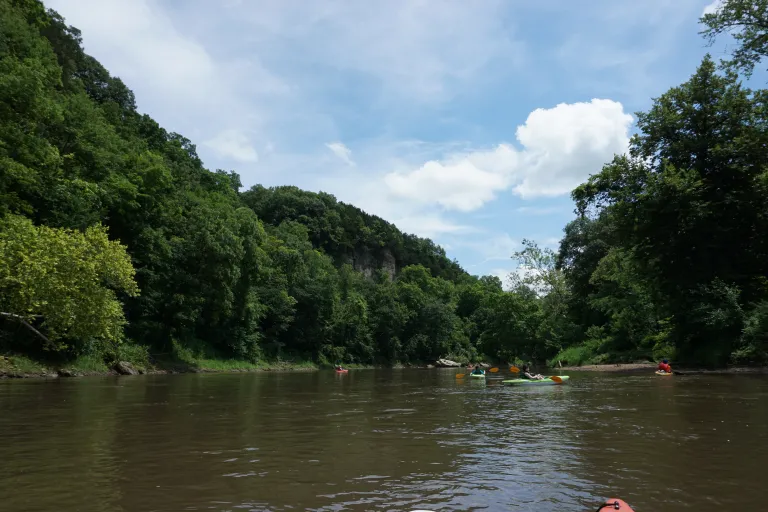
Here's How to Take Action to Clean Up Iowa's Water!
Every three years, the Iowa Department of Natural Resources (DNR) reviews their water quality standards and lays out what they are going to work on over the next three years. Then they allow us to comment. We all know that Iowa’s water quality has deteriorated and needs significant improvement. After reviewing the plans, it is obvious that the DNR’s plan falls short. It is important that the DNR hear from us during the public comment period. Please send a letter to the DNR by October 20 at 4:30pm CT about their priority items.
The DNR is accepting comments about the following items. We've made it easy to take action - click here to send a message to the DNR.
Human Health Criteria - The DNR plans to implement the human health criteria that were issued by the Environmental Protection Agency in 2015. DNR is currently using 2002 criteria. It has been 10 years since the 2015 criteria were issued. During that time, dischargers may have been discharging harmful levels of those pollutants into the state’s water bodies, exposing humans who are wading, swimming, and boating to those pollutants, along with fish and other wildlife.
Use Attainability Analysis (UAA) - UAAs are used to determine whether our water is clean enough to permit uses like swimming and fishing. DNR is way behind in completing the UAAs for Iowa’s waters and are currently planning to complete 100 of them. There are an additional 150 UAAs waiting to be worked on. The DNR needs to put priority on completing all 250 permits.
NPDES permits – The DNR issues NPDES permits to sewage treatment plants and industries identifying the maximum levels of pollutants are allowed to be discharged into a waterbody. Because UAAs are not completed, about 250 NPDES permits have expired and need to be reissued, some dating back to 2007.
Lake nutrients – The DNR is going to address nutrients for lakes by writing water quality improvement plans (called TMDLs) for the lakes. However, the DNR needs to establish numeric water quality standards for all lakes, rivers, and streams.
Nitrate in drinking water - The levels of nitrates allowed in drinking water need to be reduced, in order to be more protective of human health.
Send a letter to the DNR by October 20th at 4:30pm CT.
It is reprehensible how far behind the DNR is in implementing water quality standards. The DNR needs to forcefully tell the governor and legislature that they need the resources – money, staff, equipment, supplies - to complete the UAAs, write permits, and implement revised water quality standards.
Want more information? Watch our recent Lunch & Learn for more details about the Triennial Review. "Iowa DNR Triennial Review Process"
Thank you for speaking up for accountability in our leaders.
Polk County Judge to rule on pipeline next steps
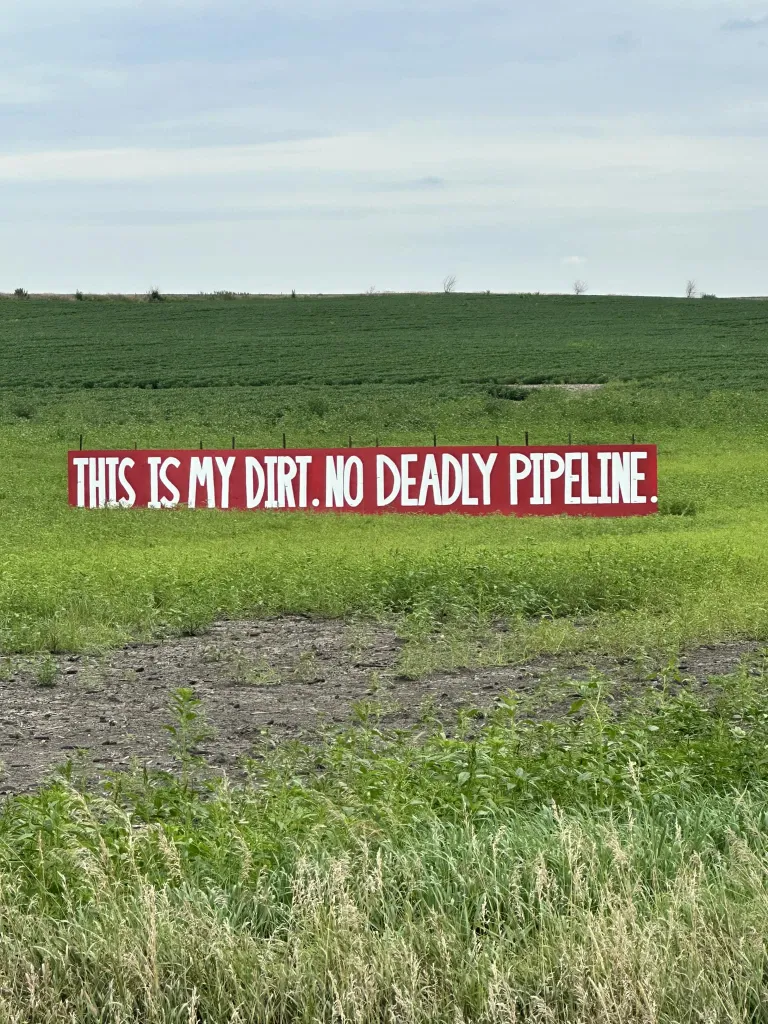
The Sierra Club and a number of other intervenors appealed the Iowa Utilities Commission decision to grant a permit for Summit Carbon Solutions to build its pipeline across Iowa. The case was expected to be argued before a Polk County judge on October 10. A few weeks before the argument, Summit's actions changed the whole process before the Polk County judge. Summit requested that the Judge return the case to the Utilities Commission to consider a number of amendments Summit is requesting the Commission allow in its original permit - pipeline siting, pipe size, and permit conditions. On October 10, the attorneys were arguing whether the judge should consider the original appeal, whether the judge should let the Utilities Commission consider the amendments and then allow an appeal, or to put the current appeal on hold until the Commission considers amendments to Summit's permit.
Over the last month, Summit took several steps it claims caused the court action to change. First, Summit requested the Utilities Commission to amend the permit by removing the requirement that Summit obtain a permit from South Dakota before it can build its pipeline in Iowa. Summit also asked the Commission to allow the pipeline diameter be increased in its crossing into Nebraska. It also wants the Commission to consolidate 15 separate requests for lateral pipelines to additional ethanol plants into the original pipeline permit request. There is one additional ethanol plant being connected to the pipeline.
After Summit made the request to the Iowa Utilities Commission. it then went to the Polk County Court and asked the court to remand the appeal back to the Utilities Commission. This means that Summit wanted the Utilities Commission to consider the amendment before the court considered the original permit.
Wally Taylor who is the lawyer for Sierra Club, Brian Jorde who is the lawyer for the landowners, and Jason Craig who is the lawyer for the counties argued that the principles underlying the original permit should be considered by the Court. Those principles include whether the project is a public convenience and necessity, whether the process used by the Commission during its 8-week hearing on the permit was conducted fairly, and whether eminent domain should have been granted.
During the Polk County hearing, the attorney for Summit admitted that Summit is considering transporting the carbon dioxide to sequestration sites in Nebraska, Wyoming, Colorado, or Kansas.
The judge indicated it could be a few weeks before a decision is made.
Study Links Duane Arnold Nuclear Plant to Cancer Rates
A recent study by the Radiation and Public Health Project, led by Executive Director Joseph Mangano, MPH, MBA, finds troubling health trends among residents living near the Duane Arnold nuclear plant in Linn and Benton counties.
Using decades of data from the Iowa Cancer Registry and the National Cancer Institute, researchers compared local cancer rates before and after the plant began operating in 1974. The results are alarming:
From 1975 to 2022, cancer cases among children and young adults (ages 0–39) were 15.6% higher than expected, about 482 extra cases in the local counties.
Younger populations, who are most vulnerable to radiation, appear to be particularly affected.
Even more striking are improvements in infant health since the plant’s shutdown in 2020:
Infant mortality in Johnson and Linn counties dropped 17.8%, compared to just a 2% decline nationwide.
Premature and low-weight births also fell locally by 20.5% and 14.5%, while rising elsewhere in Iowa.
“These findings show that nuclear operations affect more than energy production—they impact public health,” said Mangano. “A reactor produces more than 100 radioactive chemicals, which enter air, water, and food. Our data shows clear changes in cancer rates and infant health during operation and after shutdown. Before any decision is made to restart or build a plant, these health risks must be shared with the public and elected officials.”
As Iowa considers new nuclear proposals, including small modular reactors (SMRs), these results highlight the need to protect community health and invest in safe, renewable energy solutions that don’t leave a toxic legacy.
If you want to hear more on how nuclear affects our health, tune into our Friday Lunch and Learn on October 24th at noon! Link for the lunch and learn - https://www.facebook.com/IowaSierraClub
To read the report, see "Analysis of Changes in Local Health Near Duane Arnold Nuclear Plant" by Joseph Mangano, September 23, 2025
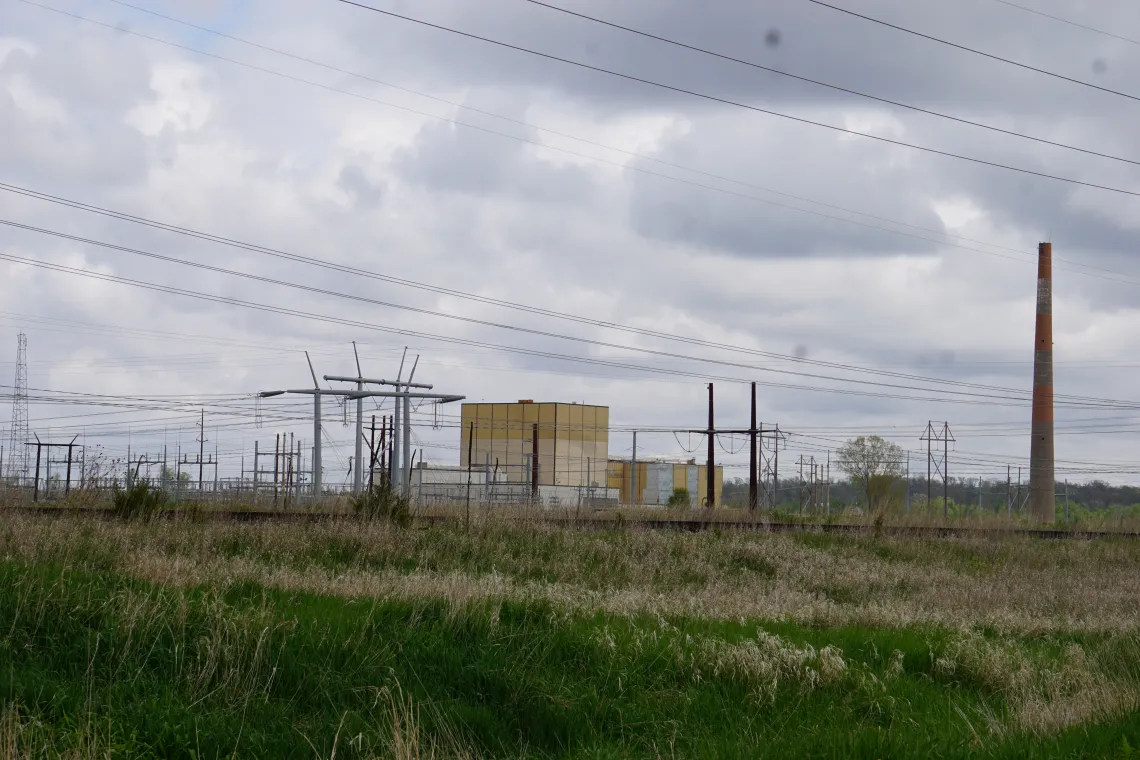
Photo below: Duane Arnold nuclear power plant
Lunch and Learns Fridays at noon
Fridays at noon, we do a Lunch and Learn livestream. See us on Facebook at "Sierra Club Iowa Chapter". These will be recorded so you can watch them anytime. Topics will be selected based on what is happening during the week. During the legislative session, we cover issues coming before the Iowa legislature.
Upcoming Lunch & Learns:
October 17 – Saving Our Avian Resources (SOAR): Learn how hunting with lead ammunition harms Iowa’s wildlife, and what we can do to protect eagles and other birds.
October 24 – Risks of Nuclear: Join Dr. Maureen McCue, Dr. John Rachow, and researcher Joseph Mangano for a discussion on the health and safety impacts of nuclear power.
In case you missed our past webinars and lunch and learn sessions, you can still see them on YouTube.
Take action: "Iowa DNR Triennial Review Process", October 3, 2025
Check out the 2025 "Dirty Truth Annual Report", September 26, 2025
Volunteer for the Iowa Chapter
Almost everything we do is done by volunteers like you. If you would like to volunteer for the Iowa Chapter, please let us know by sending an E-mail to Iowa.chapter@sierraclub.org. Or sign up by using the online form. There are many opportunities for you to make a difference:
making phone calls
developing graphics for banners and flyers
working on legislative issues
working on elections
fundraising
organizing events
joining an issue committee
If you would like to join our legislative action team, sign up here. Keep on top of what is happening at the Iowa legislature. Be alerted when you should contact your legislators about pending legislation.
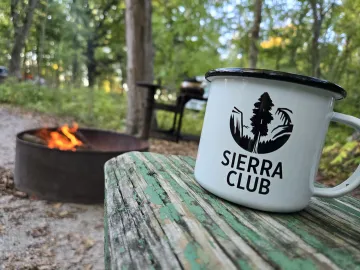
Photo: camping by Jess Mazour.
Contribute to the Iowa Chapter
Sierra Club - working every day on Iowa’s environmental problems
Sierra Club is Iowa’s oldest and largest grassroots environmental organization. Not only that, we are the best bet in the state for achieving bold solutions to Iowa’s environmental problems.
We work in the courts, before Iowa’s public agencies, and in the halls of the legislature. The Iowa Chapter's effort to protect the environment takes financial support. The Chapter receives very little financial support from the national Sierra Club. Can we count on you for a donation to ensure even more victories? Your contribution will be put to work here in Iowa on issues that affect every day Iowans – water quality, clean air, protection of Iowa's soil, parks and natural areas, and a strong democracy. The Iowa Chapter is relentless in fighting back bad legislation that affects every one of us.
Your non-deductible contributions make it possible for us to fight bad legislation and to promote good legislation. We appreciate your past and on-going support of these efforts. You can make a non-deductible donation with a credit card. A non-deductible donation supports the Chapter's effective, citizen-based advocacy and lobbying programs. If you prefer, a non-deductible check can be written to the Sierra Club Iowa Chapter and mailed to:
Treasurer
Sierra Club, Iowa Chapter
PO Box 1058
Marion, IA 52302
You can also make a tax-deductible donation with a credit card. Tax-deductible activities are limited to public interest education, research and legal actions. A deductible check can be written to the Sierra Club Foundation with “Iowa Chapter” written in the memo line.
Thank you for your support.
Donate your used vehicle
As the Sierra Club Foundation's Iowa Chapter continues to raise charitable funds to support its work in Iowa, won’t you consider participating in our vehicle donation program? Our partners over at CARS have made the process of donating your unused or unneeded car, truck, motorcycle, boat or RV easy, efficient and secure. They’ll take care of everything from picking up your vehicle to sending you a tax receipt for your generous gift. To learn more about The Sierra Club Foundation's Iowa Chapter vehicle donation program, please call 844-674-3772. Or visit our webpage to get started today!
Sierra Club Foundation promotes climate solutions, conservation, and movement building through a powerful combination of strategic philanthropy and grassroots advocacy. The Foundation is the fiscal sponsor of Sierra Club’s charitable environmental programs.
For more information
Planned giving . . . naming the Sierra Club Iowa Chapter in your will
Ensure your environmental legacy by naming the Iowa Chapter in your will or trust. These gifts cost you nothing now. You can hold onto your assets for as long as you need them.

Thank you for supporting our work!
| When | Earliest: Latest: |
| What |
|
| Word or Phrase | Word or phrase to search for: |
| Leader | All or part of leader name to search for: |
No Matching Activities Found
Loading
| Date | Activity (click title for full description) | Sponsor | Category | Type | Difficulty | Links |
|---|
Loading ...
 Outing
 Team/Committee
meeting
Team/Committee
meeting
 Volunteer Event
 Activist event
 Multiple events
(map only)
Multiple events
(map only)