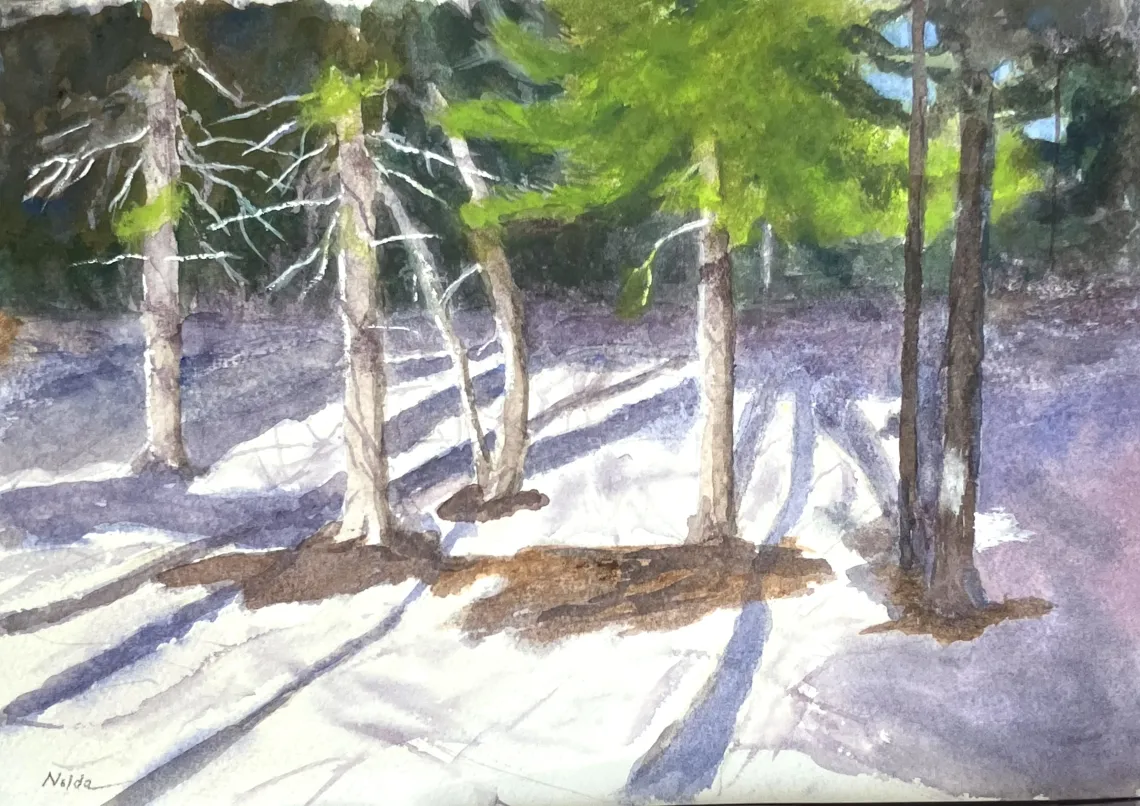
Artwork by Ed Nolde, Sierra Club Maine Volunteer
April 2026
In this issue:
- Satellites Now Identify the Major Emitters of Greenhouse Gases in Maine
- Sierra Club in the News! Op-Ed published for LMF
- Special Presentation: Drawing the Arctic with Michael Boardman
- You're Invited! Celebrate Earth Day with the Sierra Club
- The "Seedlings" National Youth Essay Contest
- Join Us for Earth Month Events!
- Learn How to Transition to a 100% Electric Home
- Support the Conservation of Old Growth Forests
- Sustainable Business Highlight: Maine Beer Company
- How Everyday Stories Build Social Movements
- Green Tip of the Month
- The Month Ahead
- Volunteer With Sierra Club Maine

Satellites Now Identify the Major Emitters of Greenhouse Gases in Maine
By David von Seggern
What are the major point sources of greenhouse gases (GHG) in Maine? Could you name any of the top ten? GHGs are usually divided into two categories: point sources and diffuse sources. Although the diffuse source due to transportation traffic is the largest aggregated source, the point sources, taken together, are the second largest. They are, however, subject to certain federal controls and are often amenable to significant technological fixes (for example, CO2 “scrubbers” in coal-plant smoke stacks). Here we are mainly discussing point sources.
Until recently we have relied on ground-based sensing to indicate the quantity of GHGs that are being emitted by point sources such as fossil-fuel power plants, landfills, incinerators, water impoundments, harbors, and other minor sources. At best this information was incomplete and often inaccurate, depending on self-reporting in many cases where the polluters had no interest in revealing the true impact of their operations. This inadequate quantification is now being erased by the capability of satellite sensing for detecting particular chemical signatures associated with gaseous emissions from GHG sources. For a description of how satellites observe GHG emissions, see the website of the Committee on Earth Observing Satellites (CEOS).
I have been following ClimateTrace for a few years, watching their continually improving and maturing website that users can access to determine the quantities of point-source GHGs contributing to global warming. ClimateTrace is heavily dependent on satellite data. There are other websites devoted to incorporating satellite measurements (e.g., CarbonMapper, MethaneSAT); but ClimateTrace seems to be the most comprehensive and beneficial to users. Although other websites deserve attention, I am basing this article on ClimateTrace only. Also, even though ClimateTrace covers the entire globe, I have limited my examination of their data almost exclusively to our state of Maine.
The methodology of ClimateTrace is somewhat complex and perhaps open to criticism here and there, but it delivers probably the most accurate and comprehensive picture of emissions that affect global warming. Those who desire more detail on the reported measurements can consult the extensive descriptions of the methodology available on the ClimateTrace website. This methodology has been developed by, or guided by, experts in the fields of atmospheric pollution, satellite sensing, and global warming.
ClimateTrace reports on four major global-warming gases: CO2 (carbon dioxide), CH4 (methane), N2O (nitrous oxide), and fluorinated gases. They also use a “global warming potential” (GWP) factor for the latter three to make them equivalent to CO2 and then combine all four to report CO2e (carbon-dioxide equivalent) measures. There is a further complication in that the GWP for CH4 may have different values, depending on how far in the future one is concerned with. Most variable GWPs are set to a 20-year or 100-year timeframe; thus we have CO2e_20yr or CO2e_100yr. I have chosen to focus this article on the latter.
Data for the entire year of 2025 for the United States was downloaded from the ClimateTrace website in March of 2026. (The nearly up-to-date nature of their data is one of the most important characteristics of ClimateTrace.) A total of the anthropogenic GHG emissions in CO2e_100yr for the entire world in 2025 was 60.6 billion metric tons (hereafter written as Bmt). That is roughly 7.5 metric tons for every person on Earth. The total for the US was 7.01 Bmt CO2e_100yr in 2025. Coming down to state level, the total for Maine was 0.018 Bmt. While Maine is only a tiny contributor (0.030%) to the overall global warming, we must all act locally to solve the global problem.
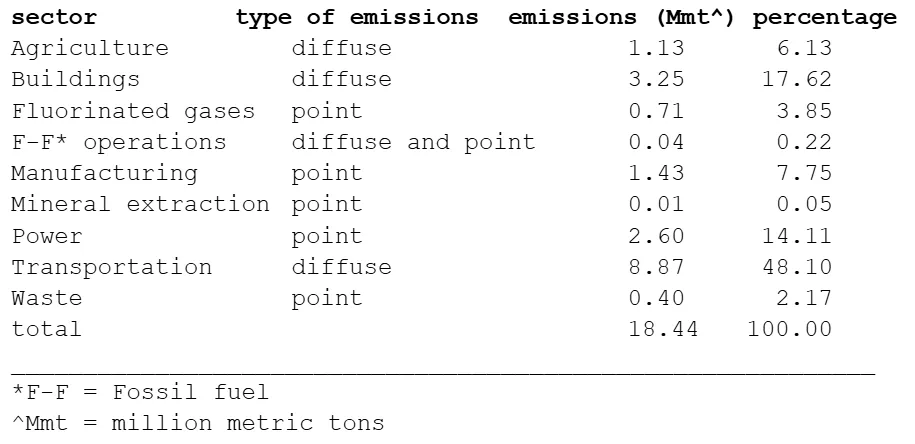
ClimateTrace divides GHG emitters into nine categories called “original inventory sectors”, or just “sectors” for short: agriculture, buildings, fluorinated gases, fossil fuel operations, manufacturing, mineral extraction, power, transportation, and waste. ClimateTrace also estimates GHG emissions for a tenth sector called “Forestry and Land Use”, but emissions associated with it are not all anthropocentric and this sector is the most difficult to develop accurate estimates for. Not all estimation is based just on satellite data, and the interested reader can get details for each sector on the ClimateTrace website.
The amount of emissions from Maine sources for each of the nine sectors is shown in Table 1. Note that Transportation is, by far, the largest. Buildings (heating, cooling, electricity) and Power (electricity generation) are the other main contributors.
Table 1: GHG Emissions (CO2e_100yr) for Maine by Sector in 2025
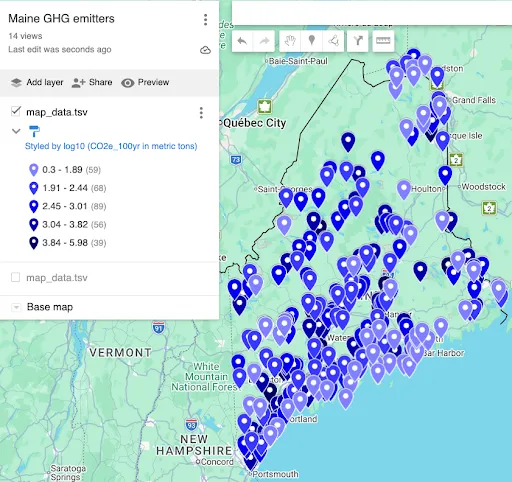
ClimateTrace names particular point emitters — millions of them around the globe — and associates them to one of the nine none-diffuse sectors. In the 2025 data download, over 300 such sources appear for the state of Maine. Although one can see these sources in the ClimateTrace website, I have mapped these sources in Google MyMaps to provide a more direct way to view Maine point-source GHG emitters.
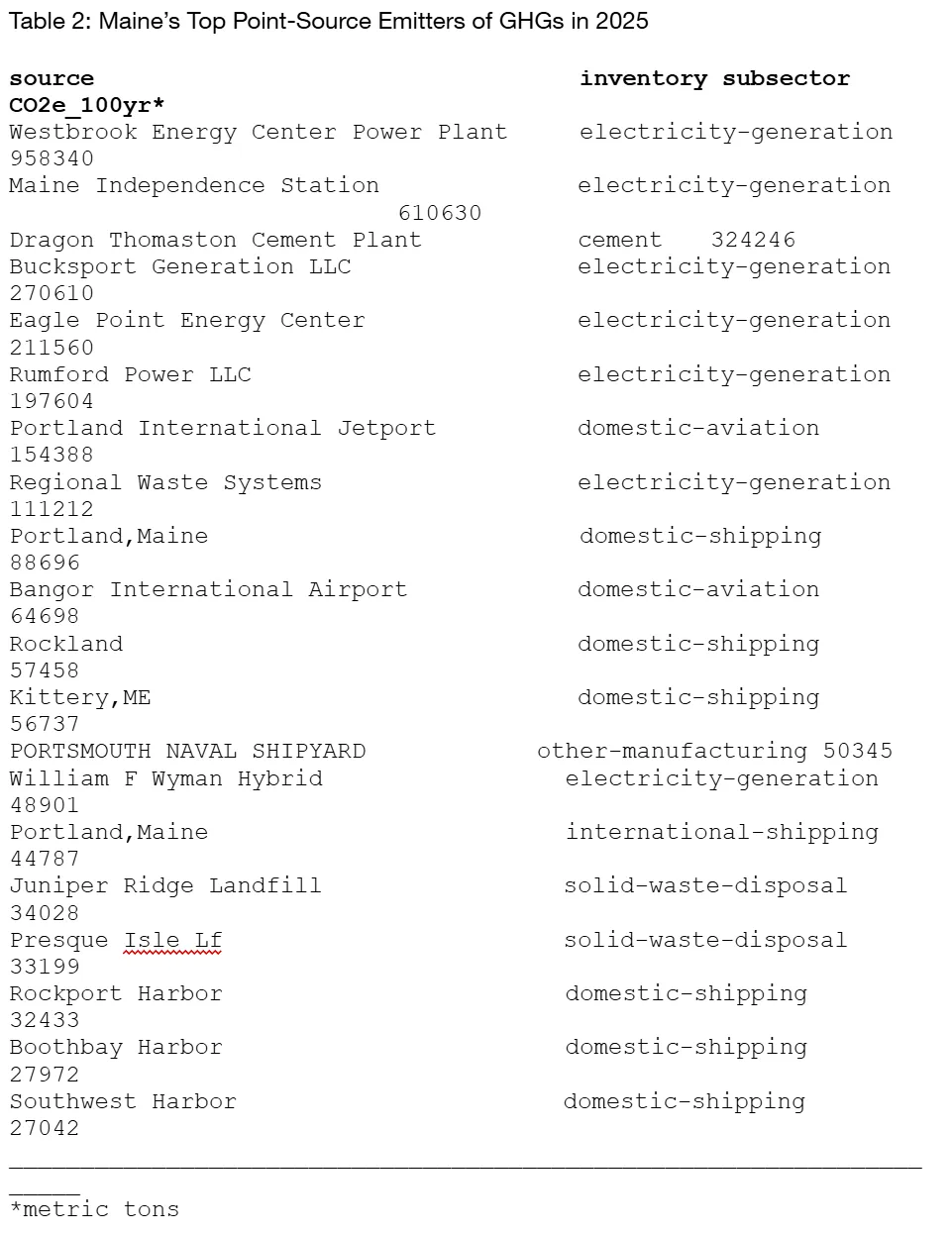
It is important to recognize the largest emitters in our state, and Table 2 lists the top 20 emitters in the year 2025 on the basis of CO2e_100yr. Separate maps for the individual GHGs could be prepared, but the full CO2e values are the most relevant indicator for the impact on global warming and climate change. This list would change only slightly from year-to-year, as most emitters are fairly constant on an annual basis.
Recently, in February 2026, the Trump administration has effectively removed EPA reporting requirements for point-source emitters by negating the “endangerment finding” of the EPA for GHG emissions, despite many lines of evidence connecting GHG emissions with negative environmental and health impacts. Those wishing more detail should read the Sierra Club statement which followed this action. ClimateTrace will continue to provide data on GHG emissions from US point sources though. If anticipated court suits against this action fail, the role of satellites in estimating GHG emissions from these US point sources will become much more important. One cannot overstate that polluters have no place to hide when satellite sensing is active. Were the Trump administration to deactivate the sensing of US satellites or suppress their data, there are satellites from many other countries and non-profit organizations to cover for that data loss. See the CEOS webpages for current information on GHG sensing by satellites.
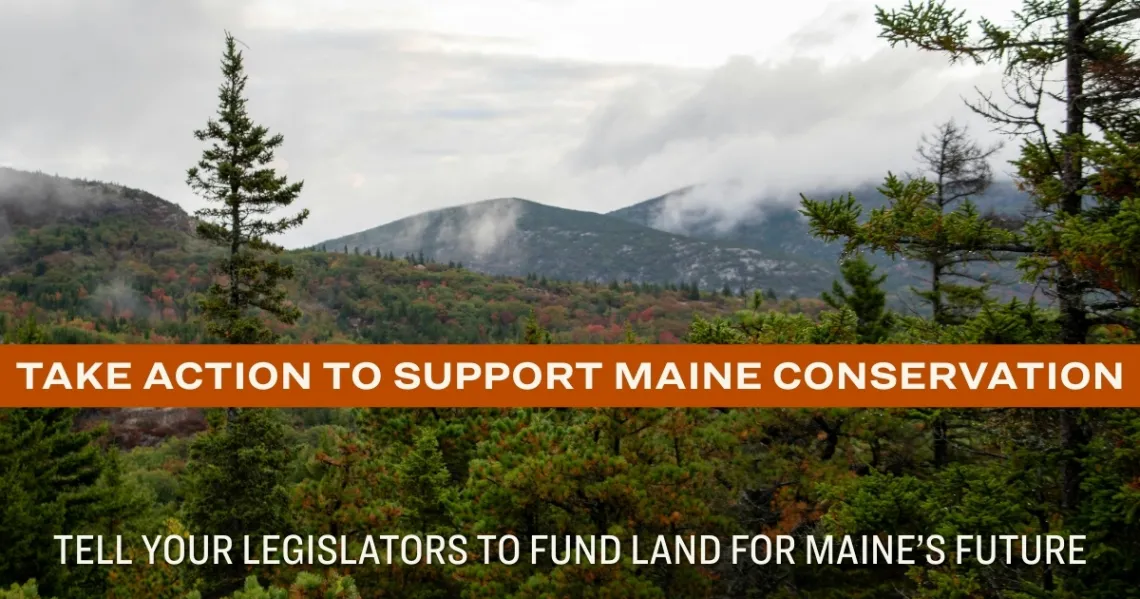
Sierra Club in the News! Op-Ed Published for LMF
By Jane Brekke
On March 25th, the Bangor Daily News published an Op-Ed penned by our very own Chapter Director, Jane Brekke! Her writing draws on personal experience and knowledge to advocate for the passage of funding to continue the wildly popular Land for Maine's Future program. This program is responsible for over 600,000 acres of conservation land in Maine, and is the state's primary program for facilitating and funding work that protects environmentally critical and historically significant woods, waters, and farms. Read Jane's Op-Ed here, then head on over to sign the petition!

Special Presentation: Drawing the Arctic with Michael Boardman
We are thrilled to invite you to a unique rendition of our monthly Community Conversations! Hosted by the Peary-MacMillan Arctic Museum, Bowdoin College, and the Sierra Club, this Community Conversation will be held in-person and via Zoom.
In 2019 field artist Michael Boardman was selected by the US Fish & Wildlife Service to be the artist in residence for Arctic National Wildlife Refuge in northeastern Alaska. The two week project was based on the coastal plain of the Refuge, studying and sketching migratory birds that come from all corners of the world to use the unique tundra habitat to nest and raise young. Michael fell in love with the unique natural history of the Arctic and has returned many times to record the interactions of wildlife, botany and climate. Through his nature journals he will offer a view of the endangered coastal plain, the life that congregates there, and the stories of migratory birds who connect us all to the Refuge.
Michael Boardman is a wildlife and watercolor artist based in North Yarmouth, Maine. His artistic practice includes many hours of field sketching and direct observation; taking notes and renewing a sense of wonder about the natural world. Through good fortune he has been able to connect his work to both wildlife science and conservation through artist residencies in Maine and Alaska, including Baxter State Park, Acadia, Glacier Bay and Arctic National Wildlife Refuge. Michael is a Maine Master Naturalist and runs Coyote Graphics, an art and screen printing business focusing on wildlife.
The event location is the Visual Arts Center at Bowdoin College in the Beam Classroom, Room 101. The address is 9300 College Station, Brunswick ME 04011. Please register HERE as there is limited space available.

You're Invited! Celebrate Earth Day with the Sierra Club
By the Events Team
Did you know that Earth Day is actually the best holiday of the year? We sure think so! Our events team has been hard at work planning an entire month of educational and charitable activities for you to participate in across the state. Amid so much work to be done to protect the home we love, it’s important to take time to love it too!
Join us for an Earth Day bash at Oxbow, featuring the Sierra Sessions. Sierra Sessions is a streamed Earth Day concert that will spotlight singer/songwriters. Participating artists will perform a 2-4 song set, sharing the inspiration and stories behind their songs and their reflections on nature and life on Earth. The concert will be streamed and hosted by Sierra Club Chapters and the Sierra Student Coalition hosting viewing parties across the country.
Sierra Sessions seeks to do more than entertain - it is a call to action for the environmental movement and a reimagining of music’s role in the fight for a livable planet. This event aims to inspire a creative and cultural response to the climate and extinction crises, one song at a time.
Bring your friends and family for this laid back celebration of the Earth and all her gifts! Spots are limited, so Register HERE today!
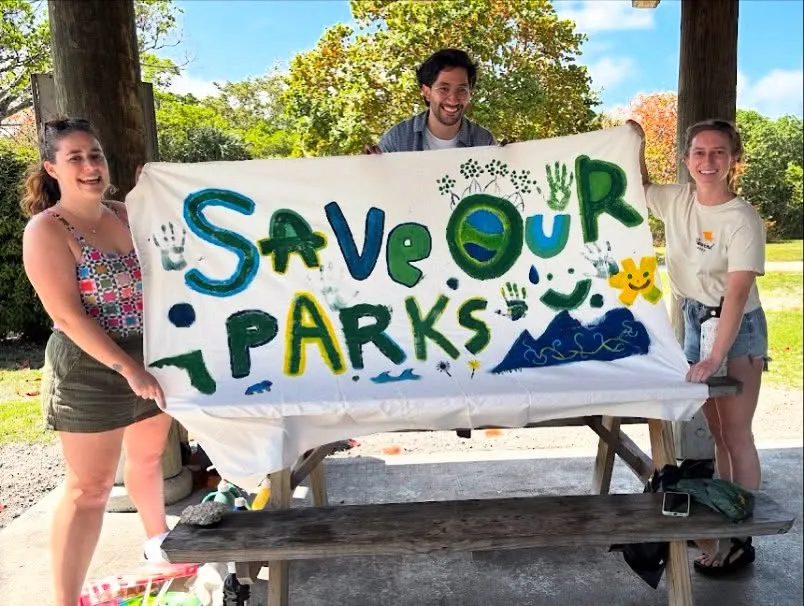
The “Seedlings” Essay Contest
Pick a park. Take a hike. Then write about it—you just might get published in Sierra magazine!
Choose a state or national park near you, go explore, and then write an essay about what the experience was like and why protecting that natural area is important to you.
Deadline for submissions: May 15, 2026
Maximum word count: 1,500
Sierra, the national magazine of the Sierra Club, is an award-winning publication focused on stories about exploring, protecting, and living in harmony with the natural world. We specialize in eco-literary nature writing that features sparkling storytelling and captivating photography and original illustrations. In our quarterly national print and digital edition and on Sierramagazine.org, we report on the issues that matter most to our planet.
In 2025, the magazine launched "Seedlings," a special issue for young readers and families, and plans to publish it every summer. This year, to coincide with the second “Seedlings,” we are hosting a national essay contest in partnership with the Sierra Club’s Outdoors for All campaign. We invite young writers up to age 18 to craft an essay or reported story about public lands that matter to them. At a time when these lands need our protection more than ever, we encourage young people to visit a local state or national park (or any other wild place in nature), take a few photos, and write about their time there, then submit their work to us.
The winning essay will be published in the digital edition of the Summer 2026 “Seedlings” issue.

Join Us for Earth Month Events
By Corrine Kucirka-Adamowicz
Join us for Earth Month Events! Stop by and say hello, or help out by tabling for an hour or two!
- Saturday, April 18th We’ll be tabling at Portland’s 4th Annual Earth Day Celebration at Deering Oaks Park from 11 am to 2 pm. Stop by our table and make a seed bomb to take home! Enjoy live music by the local band Leaf, mend your clothes at the Powerful ARRMS table, visit the drop-in bike repair & education area, meet your local farmers at the Portland Farmers Market, stop by the Portland Climate Action Team table, plant wildflowers, take the kids for face painting and learn about composting. Eat lunch at your favorite local food truck including Icelandic Hot Dogs, Empanada Club, Ugly Dumpling, and Fire & Co. Rain date Sunday, April 19th from 11am to 2 pm. Learn more here.
- Wednesday, April 22nd Join us for dinner and beer at our Earth Day Celebration at Oxbow Blending & Bottling Portland from 5 pm to 8 pm! Free admission and free dinner with a cash bar. Space is limited so RSVP soon! Learn more and register here.
- Wednesday, April 22nd There will be an Earth Day Clean-up along Mill Road in Damariscotta with the Coastal Rivers Conservation Trust from 1 pm to 3 pm. Trash bags, trash pickers, and high-visibility vests will be provided. Meet at Damariscotta Mills after the clean up for a celebration with refreshments. Learn more and register here.
- Saturday, April 25th We’ll be tabling at South Portland’s 2nd Annual Earth Day Resource Fair at Mill Creek Park/Community Center from 10 am to 2 pm. Visit us with your whole family; we’ll have art and writing projects for all ages at our table. There will be over 40 eco-focused community groups, family-friendly activities, music from the Pine Tones & The Truth About Daisy, food trucks, and animals at Sparks Ark. Rain or shine. Learn more here.
- Saturday, April 25th We’ll be tabling inside the Harriet Beecher Stowe Elementary school in Brunswick at Brunswick’s first Annual Earth Day Festival from 10 am to 3 pm. Tons of fun activities for the whole family: an all-species parade, live music, dancing, food trucks, wheelbarrow races, educational talks, interactive exhibits, demonstrations, off-grid solar generators and electric vehicles on display - plus much more! Rain or shine. Learn more here.
If you would like to volunteer with us at any of these wonderful events, please contact Corrine at maine.chapter@sierraclub.org.

Learn How to Transition to a 100% Electric Home!
By David von Seggern
You've maybe heard the phrase Electrify Everything. While fossil-fuel combustion has powered our homes, businesses, and factories for decades, continued combustion of matter to supply our energy needs entails a severe environmental impact; and we need to turn to electricity generated by clean, sustainable sources. Electrification of our homes and transportation is a sure means of progressing towards that clean future. To see how this is done, please join us at a Volunteer Leader's home in Westbrook for an Open House to learn about the transition from fossil fuels to a 100% electric lifestyle with heat pumps, electric vehicle, and more. David von Seggern owns a modest home in Westbrook where no trace of fossil fuel now exists and would like to show you how the transition came about there. David is co-lead of the Clean Energy Team of Sierra Club Maine and has recently taken a course from Electrify America to learn how to coach others in making their transition to a more electrified lifestyle. There will be refreshments, tours, and information on how to make the transition. Space is limited, so please register now!
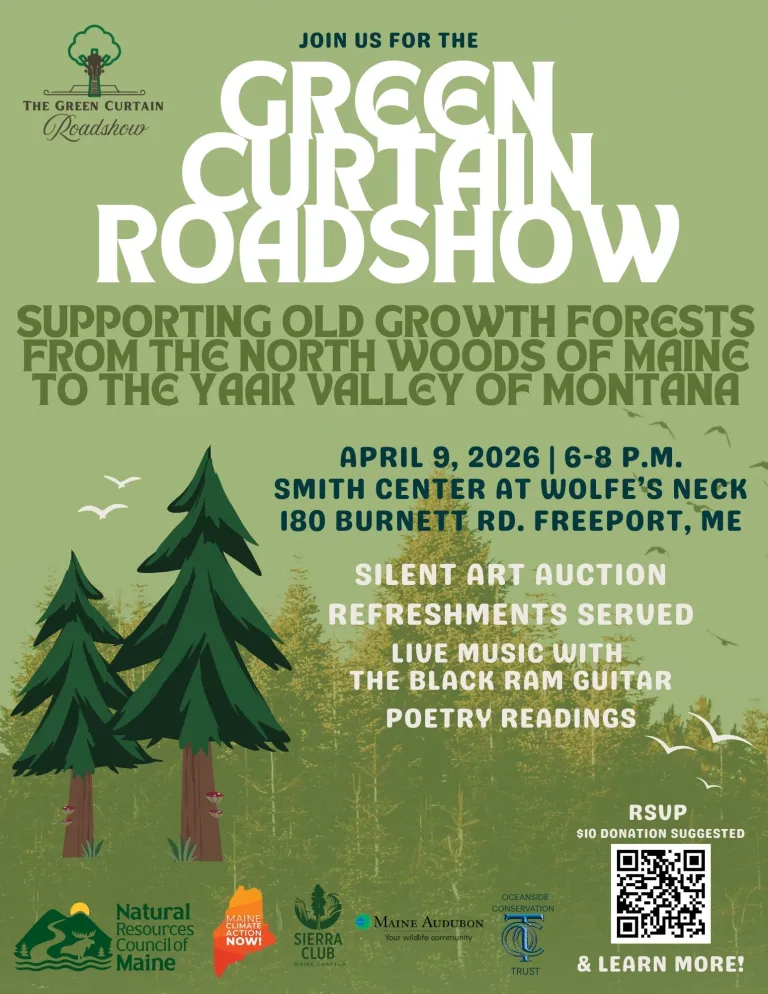
Support the Conservation of Old Growth Forests
By Green Curtain Roadshow
The Roadshow seeks to raise awareness, funds, and support for the creation of climate refuges here in Maine and across the U.S. Join us for a night of music, poetry, art, and education! You will have the chance to see live performances on the Black Ram guitar (made from a 300 year old old-growth tree that was wind-felled after illegal clear cutting), hear poetry and prose, win beautiful pieces by local Maine artists in a silent art auction, and learn about old growth forests in Maine and the efforts being made to protect them. Refreshments and drinks provided!
A collaborative event between The Green Curtain Roadshow, Maine Climate Action Now!, The Sierra Club, and the Natural Resource Council of Maine, join us for a beautiful, free, family-friendly night out at Wolfe’s Neck!
About the Roadshow: In the Summer of 2026, a group of Maine artists, writers, and researchers will travel from Portland, Maine to the proposed Black Ram Climate Refuge in Montana’s Yaak Valley, stopping at old-growth forests and proposed climate refuges along the way. The Green Curtain Roadshow will map a future “Green Curtain” of climate refuges across the country and amplify the voices of Old Growth forests through the transformational power of music, writing, science, and visual art.

Sustainable Business Highlight: Maine Beer Company
By Lauren Strohmeier
In this interview, Zach Dewitt and Dave Love reveal how Maine Beer Company makes a meaningful impact by putting sustainability at the center of its mission. From brewing with carefully sourced ingredients to operating with renewable energy and environmentally responsible practices, the company shows that great beer and environmental stewardship can go hand in hand. By minimizing waste, conserving water, and supporting conservation initiatives, Maine Beer Company actively protects the natural landscapes that inspire its craft. Their commitment proves that businesses can thrive while caring for the planet—creating not only exceptional products, but also a lasting positive impact on the environment and community.
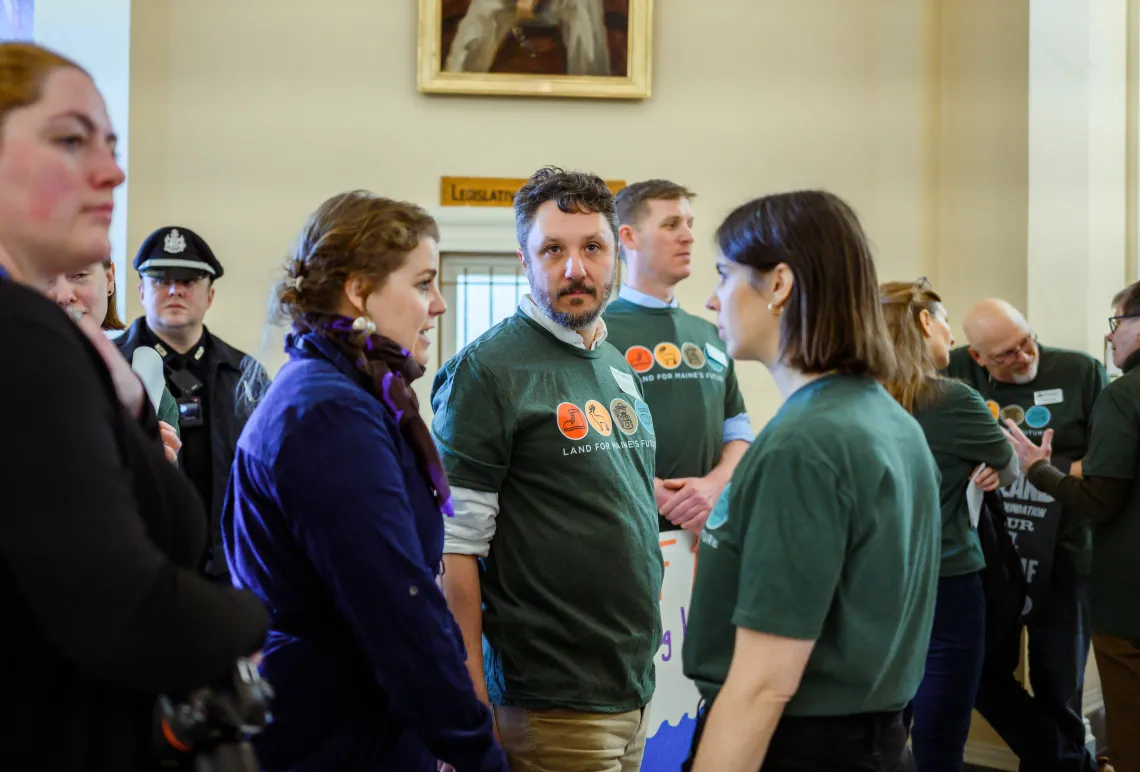
How Everyday Stories Build Social Movements
By Ashley Nye
When it comes to state and federal lobbying, most volunteers have no idea what to expect. It’s not uncommon to find yourself in the nicest button-down you own, timidly waiting in marble halls surrounded by Talbot’s and Men’s Warehouse wondering ‘How did I end up here?’. Many of us don’t know exactly what we’re hoping to achieve when we send that first barrage of emails to conservation groups, searching for community, purpose, or even just something to fill the time. It is true that for a quiet mind, one needs to keep busy hands, and volunteering is often the quickest way to get dirt — physical or metaphorical — under your nails. It doesn’t matter what type of work it is, it could be trail building, trash cleaning, or simple admin tasks. That effort is the difference between change and the status quo. Sierra Club is one of the organizations that can offer so many things we crave in those moments of loneliness or feelings of helplessness–direction for action, training, and most importantly, community. Despite the chaotic and unpredictable landscape, inexperience is no burden, and participation is celebrated in all its forms.
Sometimes, you find yourself on a plane to Washington D.C., to speak with congressional representatives about advocacy work you just got involved in shortly before. How can you prepare for such an opportunity? What are you expected to bring? You aren’t a lauded expert, nor experienced in persuasion. How are you meant to make the most of your little time and resources?
For many of us, despite freshness of experience in the world of nonprofit advocacy, environmental protection has been a pillar of our lives for decades. The luckiest of us spend our childhoods recreating in the forests, beaches, and mountains. We experience the delicate balance of beauty and destruction first hand. Maybe you kayaked the high rapids of dam releases, or witnessed formidable plumes of wildfire smoke in ominous shades of purple and maroon, billow over the land you call home. Maybe you evacuated home and returned to find it swallowed in pale ash, or drenched in the hazardous debris of a flood. We store in our personal histories vivid accounts of dusty fields littered with oil rigs, dipping up and down like gritty, yellow drinking-bird toys, or powerplants that leeched colorful, foamy waste into the creeks which ran behind our neighborhoods. Even as children, before we knew about greenhouse gases and the environmental rampage of deregulated industry, we wanted the abrasive evidence of natural exploitation to stop corroding our fantasies.
Understanding the oscillating extremes of a reactive planet can prepare us to navigate complex politics, narrative-driven campaigns, and frustrating bureaucracy in a polarized country. It allows us to identify the sometimes-hypocritical dynamic between friends who join us on backcountry adventures, or cast alongside us on crystal lakes. The friends who then turn around and passionately defend the politicians sacrificing these privileges to private industry. Recreation has the power to make us fall utterly in love with the natural world, but our country’s blatant disrespect for the land is a direct challenge to protect it. A wild call that not everyone chooses to hear.
No one knows how to save the world. Maybe in high school, the answer seemed to be marine biology and then in college, environmental science was the new best answer. Maybe you decide to facilitate other’s call to action as a guide, sports retailer, or educator. For so many of us, artwork becomes a creative outlet for the abundant love and building sense of loss we carry for both land and life. Regardless of our exact rhetoric or method of delivery, the stories we collected during our youth or personal exploration serve as fuel for our own drive to protect these special spaces, and they percolate through the communities we exist within.
When you attend a lobby training with the Sierra Club or any similar organization, the first thing that the organizer will tell you to do is ask yourself why you are there. What got you on the plane? Why did you put your life on pause to wander the capitol attempting to catch the ear of a politician you’ve likely never met? The training may briefly cover the legislation you’ll be advocating for, but firmly asserts that you are there to tell your story. They don’t want factoids or statistics, the pro lobbyists have that covered. Volunteers are here for the personal touch, the heartstring tugging elements that seal the deal. If your voice shakes, or your words are unpolished, it only lends additional authenticity.
Learning the social dynamics spread across an entire state is a long process, no matter how small the organization. For every town, there are environmental hazards, opportunities, examples, or projects. For every project, there is a community member who is spurred on by experience, passion, or fury. When held along with the lifelong fighters, the direct action takers, the effective and acclaimed changemakers, your individual story might feel small. It may sometimes feel insignificant, or even a shortcoming. Hundreds of stories exist within our small organization, and each one contributes exponential depth to our rhetoric and communal fight for healthy, safe, thriving homes. Those narratives of varying intensity and depth work together to present as a diverse and representative sample of an even larger group of people who care about our environment, and every single one exemplifies why action is both needed and expected from our leaders.
When I began my temporary employment with the Maine chapter of Sierra Club as a fill in for the Creative Strategist, I was contracted to communicate the chapter’s story. During that time I was able to attend the national Organizer Training, and on day one our goal was simple: developing our own personal narrative. I found this intimidating as someone young, inexperienced, and unoppressed. I had become skilled at telling others stories through photography and writing, but my own remained elusive. For a community organizer, the job is not to be a charismatic leader with a faith-instilling story. The organizer role is to platform the stories of others, working with natural leaders to distill narratives for communities to rally around. But to be in community is to reciprocate. I must offer the same thing I ask — in this case, a story. No matter how I clung to the importance of data, evidence, and intellect, to be an effective advocate requires a deeper understanding of motive and movement.
I followed along with the training, completing every narrative exercise and fumbling through role-play activities, proving how badly I needed them. I listened to other’s stories; the woman who came because she had grown up traveling the country with her advocate parents, determined to fill their shoes. A veteran who took his traumatic exposure to the environmental and ethical realities of the American War Machine, and channeled both pain and knowledge into positive action. A woman who discovered her talent for building community during a devastating natural disaster, and followed her calling to lead. The stories that were shared were colorful, high-stakes, and transformative. The people who told them were survivors.
Some stories are perfectly poised, delicately balanced between weight and comprehension in a way that optimizes their impact. These narratives are powerful, moving, or inspiring to many. Others must be broken into digestible fragments, or pieces woven into larger works. Some stories are best shared around a campfire, or over a cup of coffee. Just as quickly as they are spun, they are accumulated, collaged, and integrated into the lives and beliefs of those who hear them. One story, told in confidence, may change the entire life course of its fervent listener, indirectly becoming a defining cord in many other lives.
Just as the value of persuasion cannot be measured in statistics and facts, the value of a story isn’t measured by the number of people who hear it. Just as the value of land can’t possibly be measured by the dollars that can be extracted from it. Matters of heart and instinct are rarely able to be quantified numerically. Rather they are evaluated in measures of depth, feeling, or movement.
We are exposed to a cacophony of performances across the diaspora of media we have created, and it is true that many have become hollow noise. Marketers, politicians, reporters, and trolls have perfected the recipe for stories that enrage, incite chaos, and sow fear. That doesn’t make them good, nor effective. A good story ignites physical action, not a social media comment. They awaken passion, and a desire for change that is rooted in hope. The best story is life-altering, whether it touches one or many. It is the story which pierces your heart and makes a home there, driving you forward one beat at a time. The only story that truly matters, is the one that grounds your values, and informs the way you show up in your sphere, and branch out into the world.

Photo by Bernd Lee, Pexels
Green Tip of the Month
By Michael Trombley
If you’re like me, you used to love riding a bike. Maybe you even have one still (I do), and it’s under your deck, in your basement, or in your shed. It’s been gathering dust (and maybe some rust) for the past few years. Well, it’s April, and this is our year. It’s time to get the old bike out and fix it up. Don’t have one? Hit up Craigslist or a local bike shop. Why? Bikes are an amazing feat of engineering. They’re a joy to ride, they use zero fossil fuels, they have next to no embodied carbon (especially old ones). Sure, you could get a fancy e-bike, but let’s save that (and the cash) for another time. For now, use what’s around and go for a ride.
Do you have a green tip that you would like to have included in a future newsletter? Please share it with us here
The Month Ahead
Here are some of the meetings and events we have coming up. Hope to see you soon!
- 4/1 Outings Walk at Fuller Farm
- The Fuller Farm Preserve offers sweeping open fields, woods, wildlife, abundant birdlife, streams, a waterfall, and frontage on the Nonesuch River. The hike is approximately 3 miles.
- 4/8 Volunteer Orientation
- Learn how you can help protect Maine's environment
- 4/9 and 4/23 Events Team Meetings
- Help us organize events to educate and engage Mainers across the state
- 4/14 Drawing the Arctic with Michael Boardman
- In-person event to learn about how art can change the conservation game
- 4/22 Chapter Earth Day Party at Oxbow Portland
- Celebrate the earth with live-streamed music, free food, local beer, and the Sierra Club community!
- 4/29 Club Chat
- An opportunity for you to get updates from our Chapter staff team, to have your questions answered, and to offer your feedback and ideas.
VOLUNTEER OPPORTUNITIES
Interested in helping to protect Maine's environment? Join us at our next volunteer orientation! No matter your background, we have a role for you--no experience necessary.
SUBMISSIONS
Submit a photo, article, or event for us to include in our next newsletter!

Stop Ignoring the Scientific Facts and Take Action
How will Maine respond to the next spruce budworm outbreak?
Keeping Maine a Blessed Place
Club, Chapter, Community
Maine Needs Clean Elections for a Clean Environment