And why is it so important for Oregon to protect it?
8/20/26 Update: It's go time! Today, the Forest Service released the Roadless Rule Draft Environmental Impact Statement (DEIS) and opened the accompanying 30-day public comment period.
>>> Use your voice to urge the Forest Service to maintain the rule that protects undeveloped roadless areas across the country right now using this easy tool. <<<
Read our press release for more.
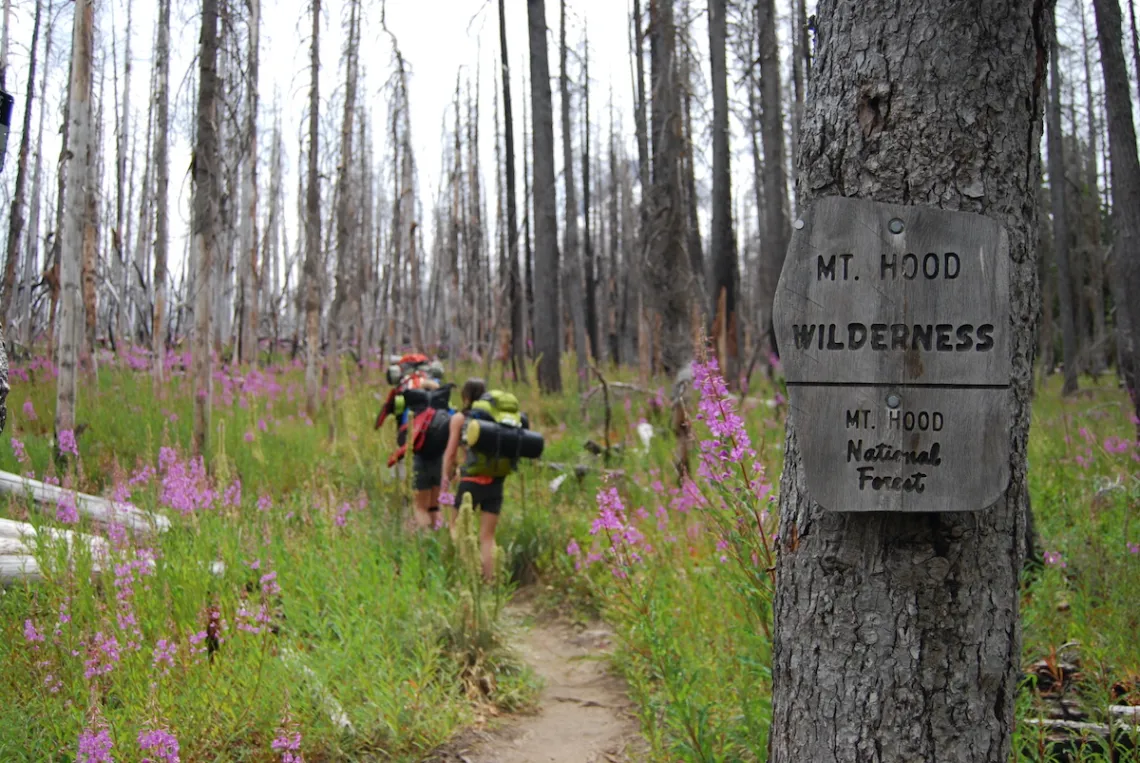
Mt Hood Wilderness by Kai McMurtry
Much of Oregon’s identity and culture is rooted in our collective love for our public lands. And part of what makes our public lands so amazing is that they are protected from being mowed flat and paved over by endless roads and highways. Nearly 2 million acres of land in Oregon are protected solely through the U.S. Department of Agriculture’s (USDA) Roadless Rule. Some iconic roadless areas across Oregon include West South Bachelor, which contains much of the area along Cascade Lakes Highway, Sparks Lake, Hosmer Lake, and the Metolius-Windigo Trail. It also comprises 13,000 acres on Mt. Hood, including where the Pacific Crest Trail connects to the Timberline Trail, and over 13,000 acres surrounding Mount Hebo in the Siuslaw National Forest.
The Roadless Area Conservation Rule, known as the Roadless Rule, was enacted in 2001. It's a Forest Service conservation rule that protects the least-developed portions of our national forests from harmful roadbuilding and the resulting logging, mining, and oil and gas drilling that roads are built to enable. Since its enactment, the Roadless Rule has been considered one of the most important conservation wins in United States history, helping to protect 58.5 million acres of National Forest land across the country. Unfortunately, this June, Agriculture Secretary Brooke Rollins announced that the USDA is rescinding the Roadless Rule.
What can we do about it? More on that below.
The Roadless Rule is essential to protecting public lands and nature for people and animals alike. We need it in order to protect wild lands for future generations. Gone are the days of viewing our public lands solely as a source of resources to be extracted. Protecting roadless areas comes down to our most basic climate justice principles: all humans and animals deserve to breathe clean air and drink clean water. Across Oregon and the nation, the Roadless Area Conservation Rule protects drinking water, wildlife habitat, world-class recreation opportunities, and preserves traditional cultural properties and sacred sites.
💧Clean Water Protections
National Forests and Grasslands are the single most important source of municipal water supply in the US, serving more than 60 million people in 3,400 communities in 33 states. According to the Forest Service itself, roads may have unavoidable effects on streams, regardless of how well they are located, designed, or maintained (USDA Forest Service and USDI Bureau of Land Management 1995). Since 1926, the Bend Municipal Watershed has been the City of Bend's primary water source. The almost 15,000 acres of the Bend Watershed roadless area are currently only protected under the Roadless Rule.
🔥 Wildfire Protection
Roads create more opportunities for fire; wildfires were four times more likely to start in roaded areas than in roadless forest tracts. Maintaining defensible space around homes is the best way for people to live alongside wildfires – thinning and logging does not protect anyone from wildfires, and in fact, logging makes forests less resilient to fires.
🦫 Biodiversity & Ecology
Roads have long-lasting ecological impacts on our ecosystems. Roadless areas protect habitat for fish, especially threatened and endangered species, the loss of which may impact Tribal treaty rights. Roadless areas provide habitat for more than 1,600 threatened or endangered plants and animals, including the grizzly bear and Canada lynx. These areas provide habitat for or affect more than 220 threatened, endangered, and proposed species (TEP) and 1,930 sensitive species.
💰 Cost
Building and maintaining roads is expensive. “Limited resources, aging infrastructure, and an increase in public use have led to the delay of a portion of the regularly scheduled maintenance. The current estimate of the agency-wide maintenance backlog, or “deferred maintenance”, was over $8.6 billion in FY2023.” It doesn't make fiscal sense for the US Department of Agriculture (USDA) to invest in new infrastructure with so much existing infrastructure that needs to be repaired and maintained.
📣 Public Support
Lastly, the rule is a testament to democracy and our nation's bipartisan support for public lands. The rule was created out of one of the most extensive public rulemaking processes in US history. The rule was originally created after 18 months of review and analysis and 600 public hearings. The original Roadless Rule garnered 1.6 million public comments, with 95% of those comments in favor of the rule. Public opinion and support should matter in the management of our public lands.
📍 Explore Roadless Areas
WHAT CAN WE DO?
Help Protect Our Wildest Forests from Trump [link ↗️]
If you do one thing today, make it this. Take a minute to share your voice with the Forest Service and let them know why wild places matter to you.
Support the Roadless Area Conservation Act (RACA) [link ↗️]
Introduced by Rep. Andrea Salinas (OR) in the House and Sen. Maria Cantwell (WA) in the Senate, this bill would provide lasting protection for inventoried roadless areas within the National Forest System. We can ask our reps to cosponsor RACA. Currently in Oregon, Rep. Bonamici, Rep. Dexter, and Rep. Bynum have cosponsored. We need Rep. Bentz and Rep. Hoyle to cosponsor the House bill. Both Wyden and Merkley have cosponsored on the Senate side.
You can hear directly from Rep. Andrea Salinas about RACA and the Roadless Rule in this webinar recording we hosted in late August.
Keep Going:
- Write a Letter to the Editor of your local paper!
- We have a new LTE writing tool that helps you write a great letter that can bring awareness to your local community and help our elected officials see that this is something that is important to us.
Additional Reading and Resources:
- Interactive map [full screen]
- Sierra Magazine Roadless Article
- Reuters - Eroding Protections for Public Lands
- Central Oregon Landwatch - What We Lose Without the Roadless Rule
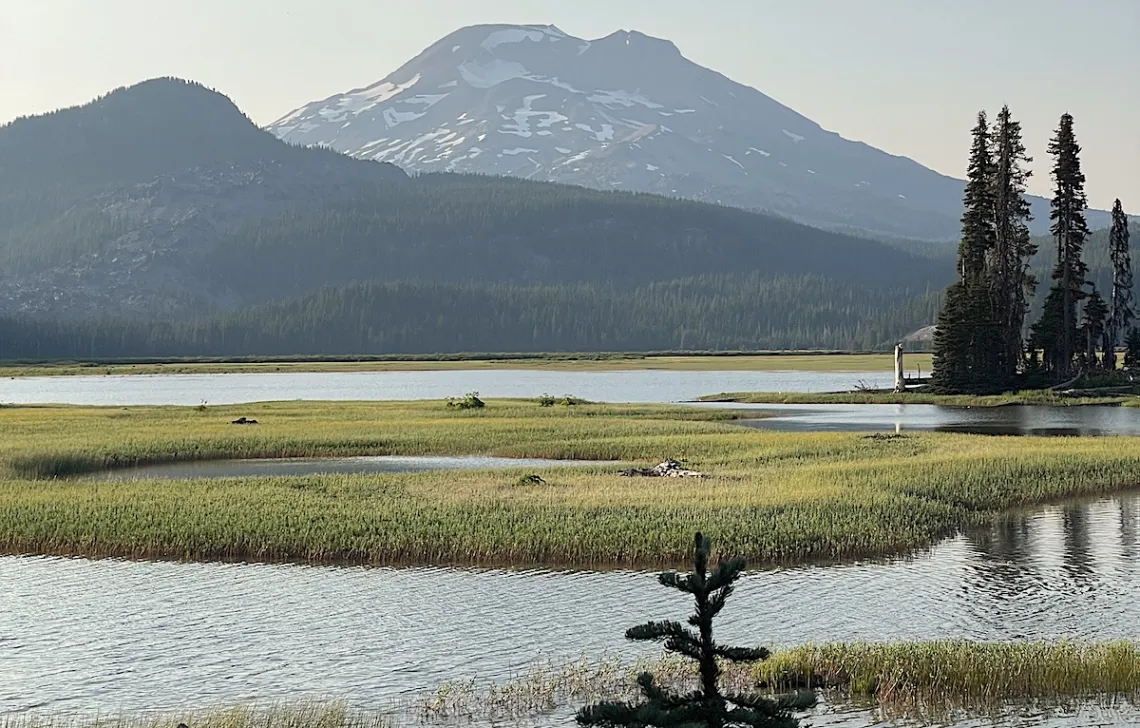
Sparks Lake, West South Bachelor Roadless Area by Alice Weston
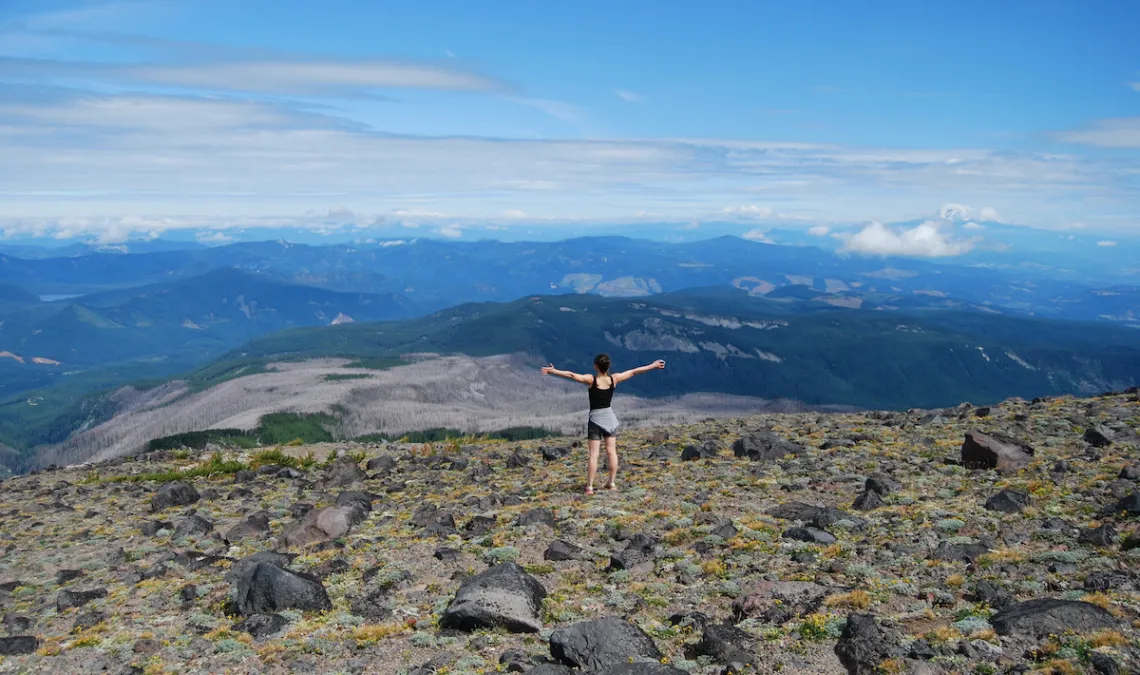
Mt. Hood Wilderness by Kai McMurtry