
Executive Summary
Nature has untold benefits for people and communities. From improving mental and physical health, to providing cardiovascular benefits, improving cognitive function, and decreasing symptoms of PTSD, nature is a powerful, low-cost form of healing and enrichment. Green spaces in urban areas can also reduce air pollution and even improve community cohesion and trust. Yet many of our nation’s veterans lack access to nature, and with the recent unprecedented attacks on the Department of Veterans Affairs, cuts to key programs by the Department of Defense, and funding revocation for urban greenspace, the situation may get much worse.
From head to heart, getting outside heals. A plethora of studies have shown that nature can improve physical health, reduce anxiety and depression, and even reduce symptoms of PTSD and complex grief. While nature and green spaces have benefits for all people, veterans are uniquely positioned to benefit from nature while transitioning back to civilian life and potentially healing from the mental and physical consequences of active duty. Not only are service members often returning home with physical and mental injury, they are also often exposed to toxic air and water pollutants while on-duty and/or overseas. Returning home should offer service members a place to heal and transition without the continued impacts of pollution, noise, and hazards they endured while serving. This led the Sierra Club to investigate the potential for eight major cities in the U.S. to offer nature-based reprieve to veterans. We used a number of factors, including an internal analysis of veteran access to nature within their own neighborhoods (delineated by census tracts), alongside air pollution grades from the American Lung Association and city walkability and public transit scores developed by Redfin’s WalkScore.
Key Findings
- At least 1 in 5 veterans lack access to nature and the benefits of nature-based healing.
- While some cities, such as Washington, D.C., and Minneapolis, MN, scored very well on green space availability and low dependency on a personal vehicle, all cities have metrics to improve upon and/or neighborhoods with disproportionately low access to nature.
- Atlanta, GA, has the lowest access to nature for veterans, while Jacksonville, FL, has a highly uneven distribution of parks across the city with poor access for veterans.
- Air quality is a persistent and chronic problem in many U.S. cities, which may inhibit opportunities for outdoor recreation.
Introduction
The health status of U.S. military veterans reflects a complex and pressing challenge, marked by high rates of physical injury, psychological distress, suicide, and barriers to accessing care. Military service increases the risk of both physical and psychological injuries for veterans. Among the 1.2 million veterans treated by the Department of Veterans Affairs (VA) between 2002 and 2015, 58% had a diagnosed mental health disorder.(1) Common issues include post-traumatic stress disorder (PTSD), anxiety, depression, and substance misuse.(2) Veterans tend to experience physical disabilities at nearly twice the disability rate of the general public (up to 30% of veterans)(3), with many of those injuries sustained during service. Many veterans also have diagnoses that coincide with traumatic brain injuries (TBIs) sustained in combat, with 80% of those experiencing a TBI also diagnosed with a mental health disorder.(4) Suicide remains a critical concern, particularly in the first year after military separation. The suicide rate for veterans within 12 months of leaving service has risen sharply—from 34.8 per 100,000 in 2010 to 51 per 100,000 for those who separated in 2019.(5)
Service-related exposure to toxic environmental pollutants also confounds veteran care. For example, during the wars in Iraq and Afghanistan, the US military used large open-air burn pits to burn materials including plastics, metals, chemicals, and medical waste—often ignited with jet fuel.(6) The pits released a complex airborne mixture of occupational toxic substances, including particulate matter (PM), volatile organic compounds (VOCs), heavy metals, dioxins, and polycyclic aromatic hydrocarbons (PAHs), all of which significantly impact both body and brain health through mechanisms involving neuroinflammation.(7) Veterans regularly exposed to such toxins are particularly at risk, reporting not just higher rates of physical symptoms such as respiratory issues, but also cognitive impairments and mental health disorders.(8)
Given both the psychological traumas of war and the impacts of air pollution on cognitive health, veterans are at significant risk for mental health disorders upon returning home from service. Research has found, however, that fewer than half of American veterans seek out traditional mental health services due to the cost, lack of availability, and stigma involved.(8,9) Military culture exacerbates stigma towards conventional therapy due to the military’s inherent focus on mission accomplishment at the expense of personal welfare. Such military cultural norms may decrease help-seeking behavior and increase social isolation, both of which appear to be a trigger for veteran suicide.(10) Access to mental health care is further complicated by systemic issues. Recent staffing cuts and administrative changes within the VA have led to longer wait times (sometimes as long as a year), long commutes, and appointment cancellations, disrupting services for many veterans.(11) Overall, the mental health landscape for US veterans in 2025 is characterized by significant needs and systemic barriers, highlighting the importance of comprehensive, accessible, and innovative approaches to care.
In light of this, mental health professionals, veterans groups, and researchers have been committed to finding appropriate therapeutic pathways for veterans that fall outside of the typical “office” interventions. Recent research suggests that outdoor exposure and recreation in natural environments may be one such pathway, with positive benefits reported among veterans suffering from PTSD, anxiety, depression, and more. (12,13,14) Following up on a 2014 Sierra Club-funded study by Duvall et al., Johanna Bettman studied the impacts of Sierra Club’s Military Outdoors program on participants engaged in overnight camping trips, with results indicating a significant reduction in mental health symptomology among participants from pre-trip to post-trip.
While organized adventure-based trips (such as backpacking, whitewater rafting, etc.) provide evidence-based benefits for veterans, these programs are available only sporadically, or are not available in many areas. Furthermore, many areas, particularly urban landscapes, lack suitable and sufficient natural areas conducive to this type of recreational therapy. This has implications not only for veterans, but also their families.(15) As many as 37% of Department of Defense members have children, totaling over 1.5 million US children in military families. These types of adventure-based trips are also often not practical or affordable for families with children.
This emphasizes a need for veterans and their families to have access to quality natural spaces close to their homes, regardless of transportation availability, connection to organized outings, or economic situations. The CDC and Trust for Public Lands define nearby nature access as that which is within a 10-minute walk (approximately 0.5 miles of a residence for the general public); because veterans tend to experience physical disabilities at nearly twice the disability rate of the general public (up to 30% of veterans)(3), accessibility may vary significantly. Furthermore, veterans may be disproportionately impacted by air pollution—especially ozone and particulate matter—due to higher rates of health conditions that increase vulnerability. Many veterans suffer from respiratory and cardiovascular conditions, making them more sensitive to pollutants, preventing them from engaging in outdoor activities, particularly on air quality index alert days. Therefore, alongside our own internal analysis, we also considered other factors in our ratings to assign overall city Veteran Access to Nature (VAN) grades. These factors include the American Lung Association’s 2025 State of the Air ratings and the Redfin Corporation’s WalkScore.

Health benefits of getting outside
A 2018 study by UC-California Berkeley in partnership with the Sierra Club found that time spend outdoors in nature can positively impact the ill effects of PTSD. Read more.
Methods
Eight cities were selected for analysis, based on veteran populations, Sierra Club Military Outdoors active presence, and campaign interest. These cities are: Las Vegas, NV; Denver, CO metro-area; Minneapolis-St.Paul, MN; Philadelphia, PA; Detroit, MI.; Washington D.C.; Atlanta, GA.; and Jacksonville, FL. Total populations in these metro areas ranged between approximately 1,000,000 - 4,000,000 people, with veteran populations accounting for ~5-12% of the populations (2022 US Census). While focusing on these eight cities offers detailed insight as case studies, much can also be inferred from these trends and applied to a national perspective on veteran access to nature.
Veteran data for all census tracts within each metro area (defined by US Census Tigerline shapefiles) was accessed from the US Census 2020 American Community Survey, queried between November 2024 and January 2025. Tabular data provided by the Census was converted to an ArcPro-compatible table and joined to US Census tract spatial data using ESRI’s ArcPro 3.1.
Spatial data from the USGS Protected Areas Database of the US (PADUS) was downloaded and clipped to a 0.5 mile buffer surrounding US urban area boundaries. PADUS data was then queried to select and remove all closed and restricted public access areas (e.g. private partnership easements and closed government sites). Parks and greenspaces requiring membership were also removed (e.g. HOA parks, membership-based golf courses, etc.). Further queries were done to remove hard-surface public areas and quasi-public areas, as they are generally not considered “natural spaces” for adults. This included children’s areas, playgrounds, tennis courts, “tot lots”, school grounds, public pools, and baseball fields. Lastly, plots under 0.3 acres were queried and removed, as these were often corner public lots or rights-of-way that do not reflect an accessible natural space. After systematic removal of lands via size and queried keyword searches, an extensive visual quality control spot-check via satellite imagery was also used to remove inappropriately coded public lands (such as government office buildings) from the analysis.
ArcPro 3.1 was used to generate a one-half mile buffer (i.e. 10-minute walk) on all remaining public lands within each city/metro area. A location-based query was then used to select all tracts that had less than half of the census tract area covered by the 10-minute walk area. These census tracts were considered to be “lacking nature access” for local residents, while tracts with 50% or more coverage of the half-mile buffer were not considered to lack nature access. Veteran census numbers were then compiled for the census tracts lacking access and compared to overall veteran numbers for the urban area.
Alongside our own analysis of nearby access to nature for veterans, the American Lung Association’s (ALA) State of the Air grades and WalkScore’s walkability rating were used to holistically assess veteran access to nature. The ALA grades rank particulate matter (PM) days, high ozone days, and overall annual PM, releasing annual grades through their State of the Air reports. WalkScore, a subset of realty group Redfin, helps people find walkable, bikeable, and transit-friendly places to live. Cities are rated on a scale from 0-100, with combined scores below 29 considered a very car-dependent city, and those between 30-49 being more bike/walk/transit friendly but likely still needing a personal vehicle for most errands. Scores between 50-69 indicate a city where “some errands” can be made without a personal vehicle, and scores above 70 indicate very walkable or easiest to traverse without a vehicle.(16) Having walkable, bikeable, and/or transit-friendly communities helps to facilitate veteran access to nature, particularly for those who may not have personal vehicles.
Overall grades, then, were developed by assigning an individual letter grade to each variable and averaging. Census-tract level green space ranked by percentage of veterans lacking green space in their neighborhoods (A: 0-15% vets lacking nature; B: 16-25%; C: 26-35%; D: 36-45%; F: >45%). ALA independent grades were used as-is from respective metropolitan areas. WalkScore grades were somewhat subjective in that overall mean values (BikeScore, WalkScore, and TransitScore) were used to guide grades, but sometimes this method masked very high scores amongst one or two of the three categories, so qualitative descriptions were also used. For example, Minneapolis walk and bike scores were high but the transit score was fairly low, lowering its quantitative mean to 70, but still considered a “Very Walkable” city by WalkScore, thus earning an A-. Each individual variable grade was assigned a number 0 to 4 (0 for F grades, 4 for A grades) and averaged across all variables for a final “VAN” grade.
Notable limitations apply to this methodology. It was not possible to visually inspect all public lands identified by PADUS, and as such, some non-natural public areas may still have been included in the buffer analysis (particularly in cities with a disproportionately high number of public statues, monuments, and memorials, such as Washington, D.C.). Analysis of park quality, including tree canopy cover, urban heat islands, crime rates, and other variables were not investigated. Finally, some of the final VAN grading was qualitatively assessed, based on city nuances, subjective description of WalkScores, and other variables.
Military members, veterans, and their families enjoyed the healing power of nature during a sailing trip on Lake Bde Maka Ska in Minneapolis, Minnesota, in 2025.
Results
Nearly 300,000 (20.6%) veterans in these eight US cities lack access to public greenspaces, with many of those also consistently exposed to toxic air pollution and high levels of ozone. Using the data from these cities as a representative sample, we can infer that at least one in five veterans nationwide lack access to nature and greenspaces in their communities (with local variations). This number is based solely on the availability of green spaces in census tracts where veterans reside.
As articulated above, however, this number likely underestimates the actual number of veterans that are disconnected from local natural areas, due to physical barriers (e.g. lack of sidewalks), lack of accommodations for veterans with disabilities and respiratory sensitivities, variations in greenspace quality, and over-estimation of greenspaces in each metro area. While some cities, such as Washington, D.C., and Minneapolis, MN scored very well on green space availability and walkability (including accessible public transit), all cities had metrics to improve upon, particularly air quality and equitable distribution of parks.
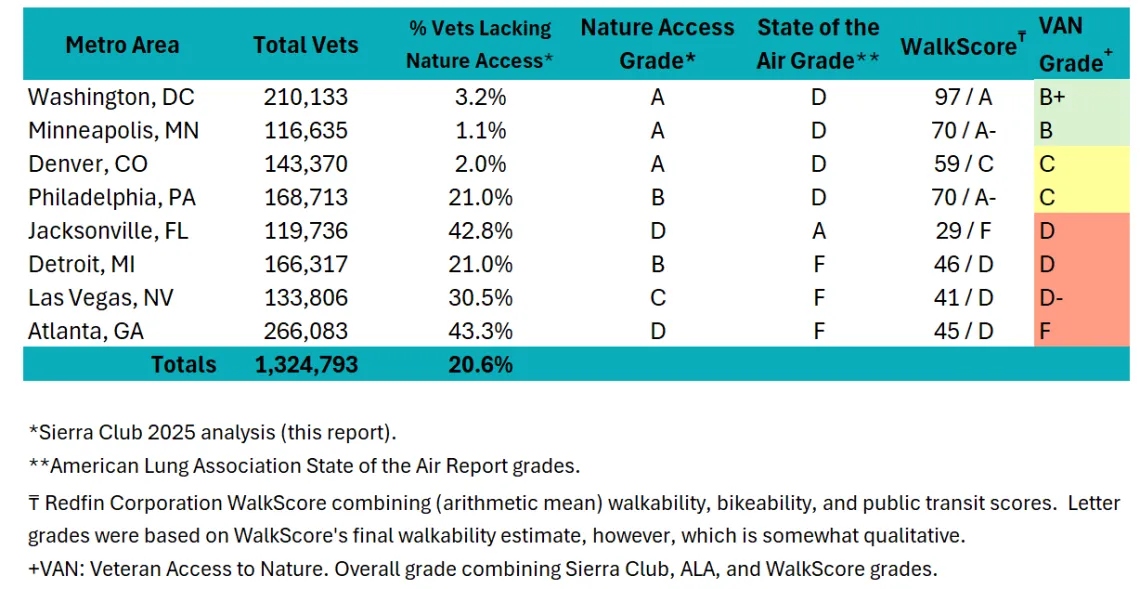
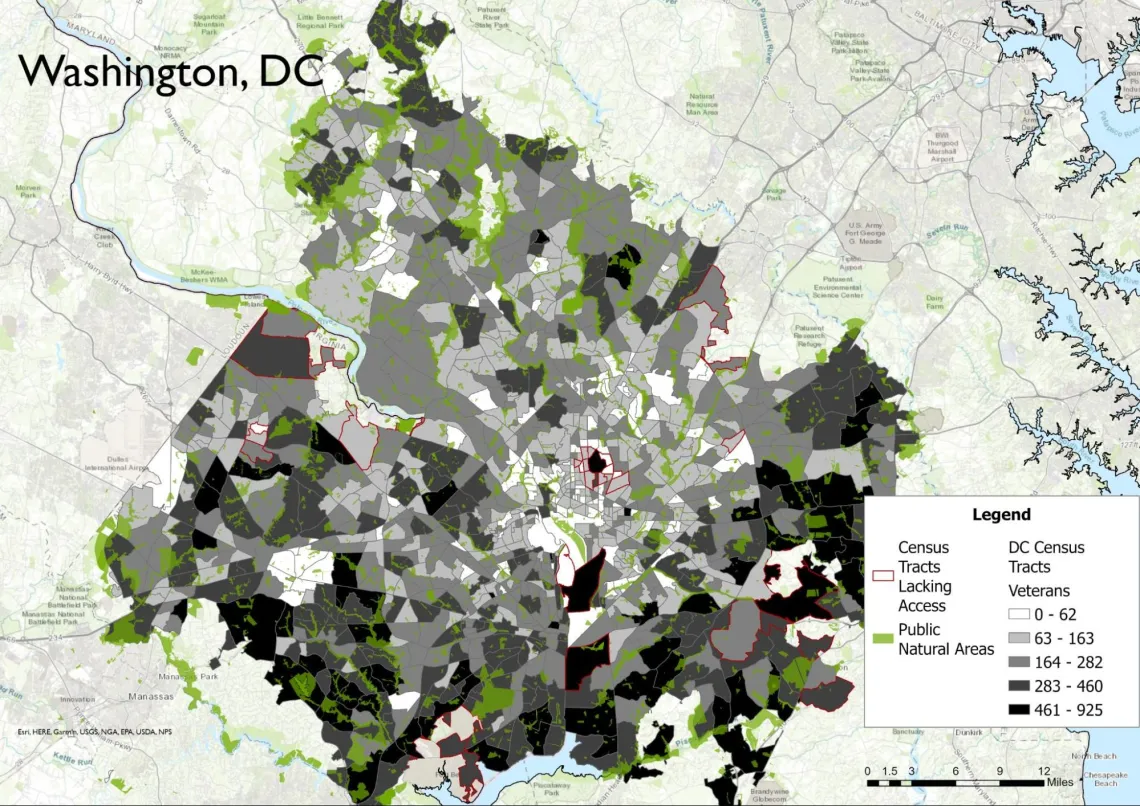
Washington, D.C., received the highest overall grade (B+) when considering the combined impacts of census-tract level greenspaces, air quality, and lack of dependency on a personal vehicle. Our analysis indicates that only 3.2% of veterans residing in Washington, D.C., do not have access to a greenspace within a walkable distance, bolstered by high walkability/bikeability and ample public transportation (considered a “Walker’s and Rider’s Paradise” by WalkScore).
The city, however, received a low grade for 2025 air quality, with most metro areas in D or F status for high ozone days, and C or D status for 24-hour particulate pollution.(17) Encouragingly, however, air pollution trends in Washington, D.C., have been improving according to ALA, with a reduction in high ozone days (from a record high of 90 days in 1998) to now generally below 20, and particulate matter pollution generally receiving a “passing” grade since approximately 2015.
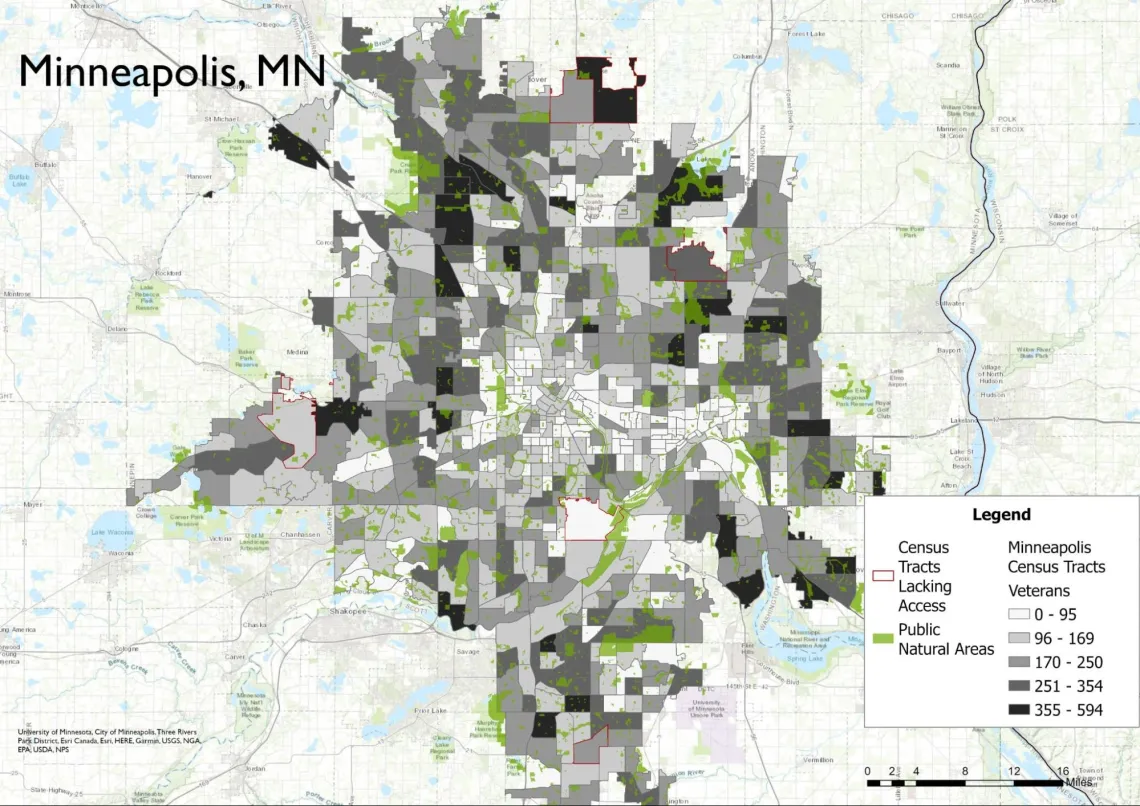
The Minneapolis/St Paul metro area received the best rating for greenspace availability, with approximately only 1% of veterans living outside a 10-min walk from a park or greenspace. City walkability is high and public transportation is readily accessible. The city’s D-grade rating for air pollution, however, reduces the overall grade to a B. The American Lung Association reveals that air quality in the Twin Cities metro area has declined over the past few years. While ozone pollution has generally improved, the ALA “State of the Air” report found that short-term particle pollution has worsened.(18) Major point sources for air pollution in Minneapolis/St Paul appear to originate from industrial manufacturing and fossil fuel energy production (19); however, recent spikes in wildfire smoke from both the US and Canada may also be contributing.(20) Equity issues also exist. According to the Trust for Public Lands, Minneapolis residents living in neighborhoods of color have access to 58% less nearby park space than those living in white neighborhoods.(21)
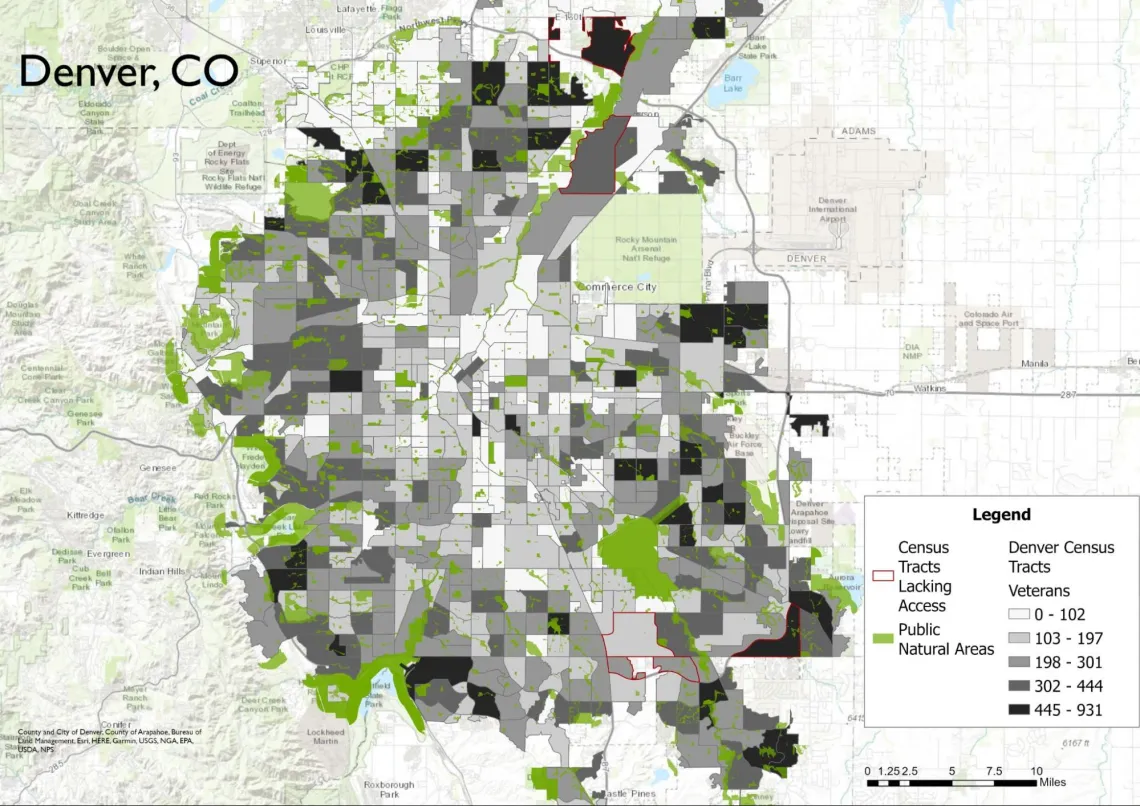
Denver received a C rating overall, due to its relatively high estimate of nature accessibility for veterans (98% within walking distance to a park or greenspace); however, poor air quality and city walkability and transit scores may hinder veteran access. WalkScore gave Denver a 61 on walkability and 72 on its bike score; however, public transit was only rated at 45, making Denver potentially difficult to traverse for disabled veterans without a personal vehicle. Social and geographic inequities also exist. Residents living in neighborhoods of color have access to 23% less nearby park space than those living in white neighborhoods and residents living in lower-income neighborhoods have access to 48% less nearby park space than those in higher income neighborhoods.(22) Veterans residing in the southern/ southeastern portion of the city appear to have the least accessibility to nature. Smog is also a chronic problem in Denver, with the American Lung Association ranking it 6th worst in the nation for ozone smog pollution.(23) Denver has also experienced periods with high levels of particulate matter, including spikes due to wildfire smoke.
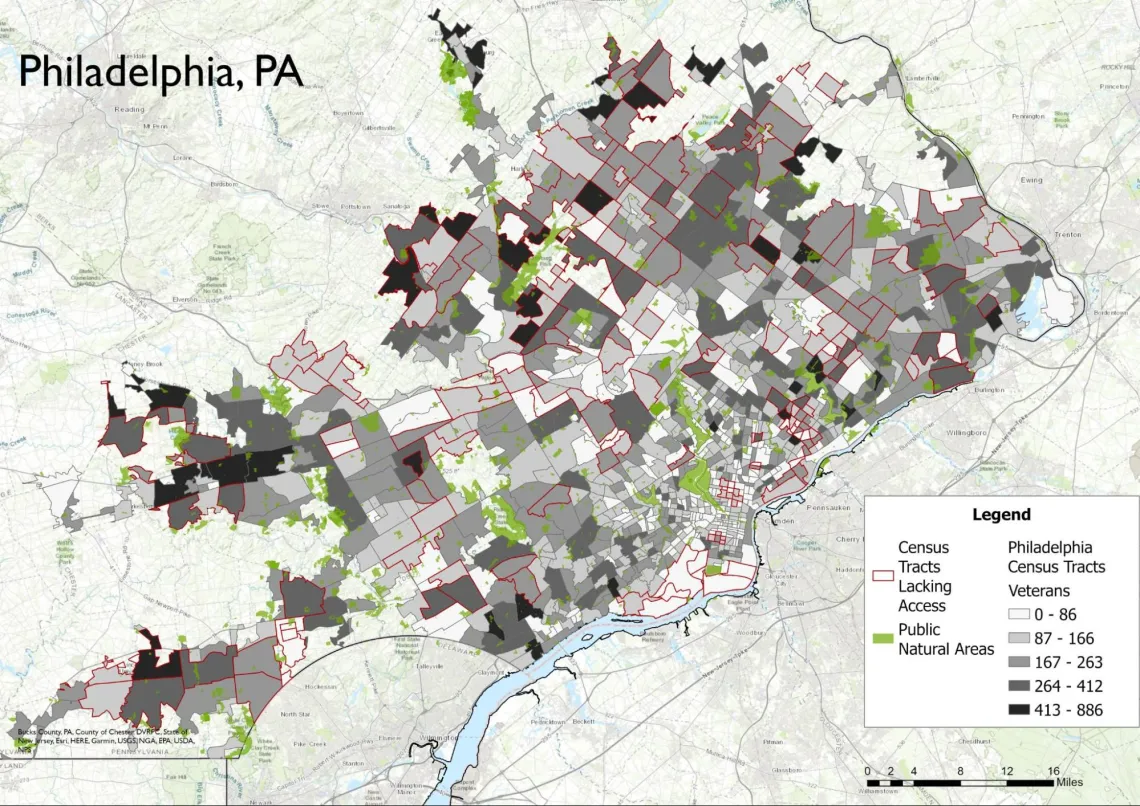
Philadelphia boasts one of the most expansive urban park systems in the United States, encompassing over 11,000 acres of public land and waterways. The system includes more than 150 neighborhood and regional parks and 223 miles of trails.(24) In terms of accessibility, Philadelphia ranks 28th nationally in the 2025 ParkScore Index by the Trust for Public Land, with 95% of residents living within a 10-minute walk of a park. Philadelphia also received a high overall score of 70 for the city’s walkability/bikeability and public transit. However, disparities persist, as over 20% of veterans lack a park or green space within walking distance to their homes, particularly in the outer, northeastern areas of the metro. Furthermore, data from the Trust for Public Lands indicates that lower-income neighborhoods have 45% less green space compared to higher-income areas. Another key element contributing to Philadelphia’s overall C grade is the city’s poor air quality rating, with the American Lung Association grading much of the metro area as D or F for high ozone days and particle pollution.(25) Similar to Washington, D.C., though, Philadelphia has been showing signs of improvement with ozone and PM rates steadily declining since the early 2000s.
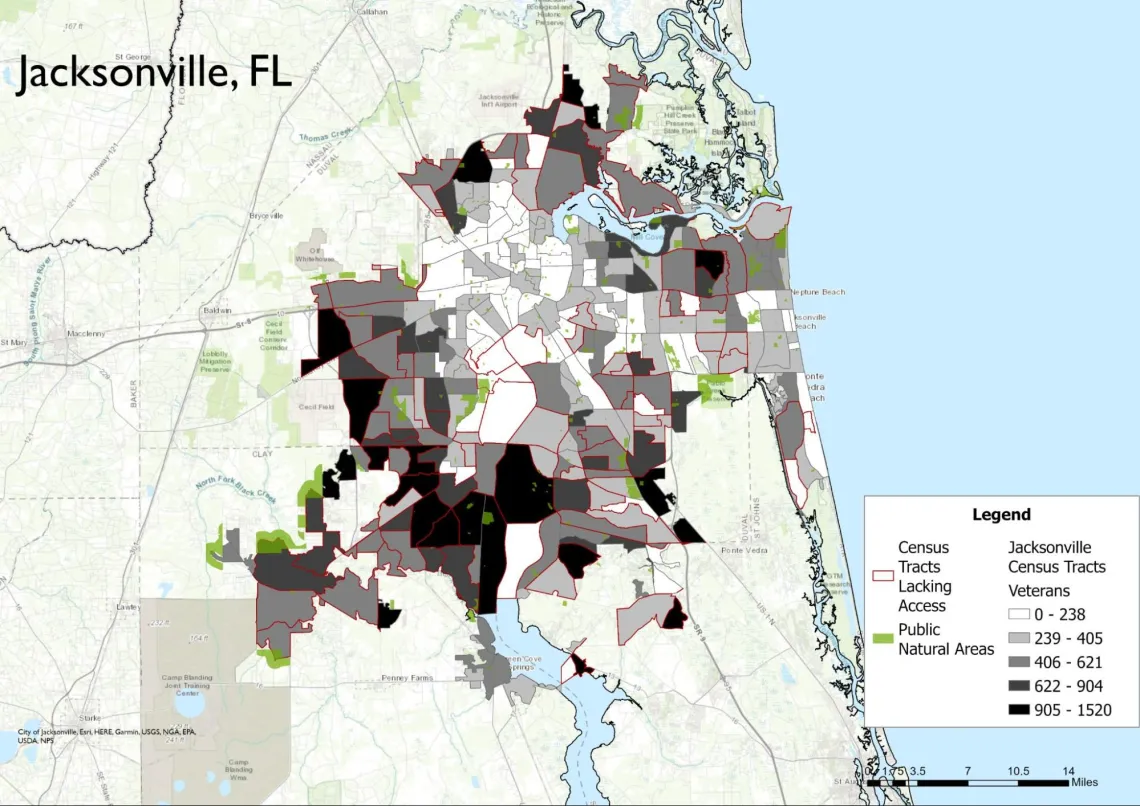
Jacksonville presents an interesting case study. With more than 80,000 acres of parks and natural recreational sites, including the notable 46,000-acre Timucuan Ecological and Historic Preserve, Jacksonville scores extremely high on the percentage of the city’s overall area that is dedicated to parkland (according to the Trust for Public Land’s ParkScore). Jacksonville also boasts the best air quality grade in our study, earning an A from the American Lung Association.
Yet despite this high acreage, Jacksonville rates amongst the lowest in veteran access to parks (more than 40% lacking access according to this study) as well overall general population accessibility.(26) This is due to the highly uneven distribution of parks across the city, demonstrating the importance of equitable geographic placement of parks in urban areas. Jacksonville also has very low walkability and public transit scores from WalkScore, ultimately placing the city at a D grade.
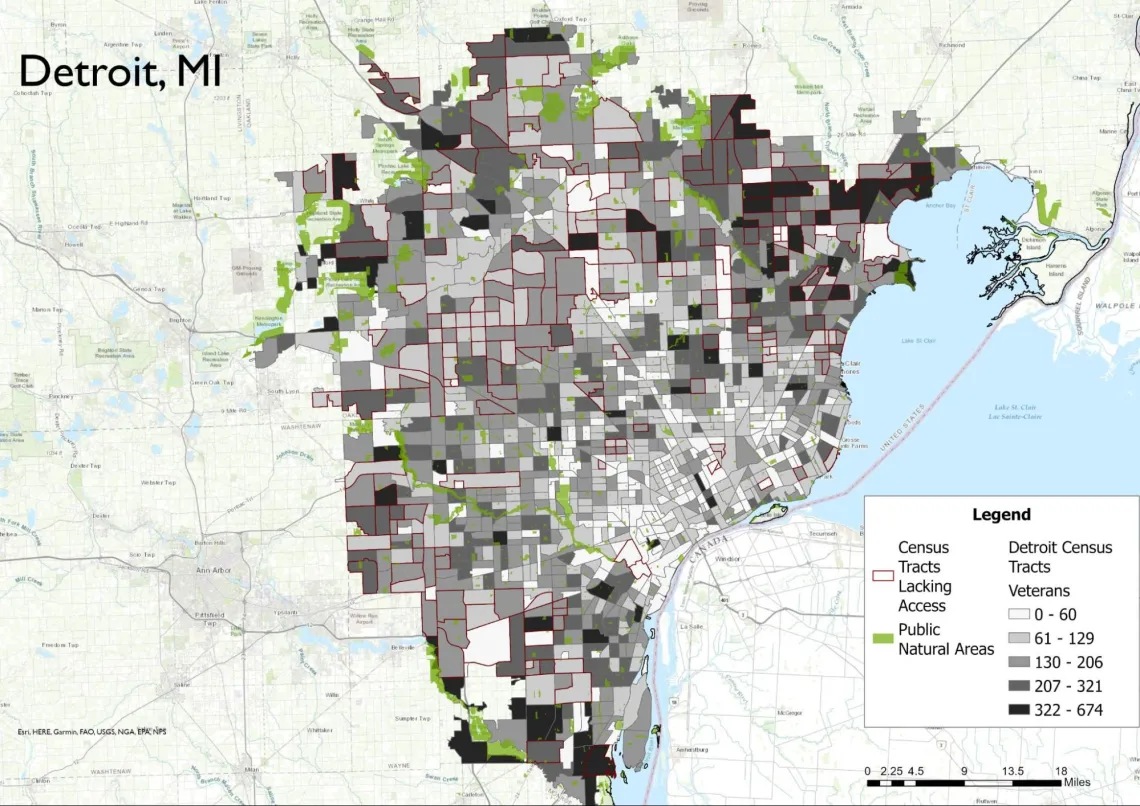
Detroit's public parks represent a growing and evolving system, currently encompassing over 300 parks that cover nearly 5,000 acres, while also actively developing 29 miles of new greenways to connect neighborhoods.(27) Detroit's commitment to improving its park system is reflected in its rising ParkScore ranking. In 2025, the city climbed 7 points to number 58 in the Trust for Public Land's ParkScore index, with 84% of residents living within a 10-minute walk of a park.
However, challenges remain. More than 20% of the city's veterans lack nature access in their neighborhoods; alongside high rates of air pollution (receiving an F grade from ALA) and low walkability scores and dismal public transit, significant challenges remain in increasing accessibility. Additionally, neighborhoods with the highest concentration of people of color have access to 38% less park space per person than neighborhoods with the most white residents.(28) All variables considered, Detroit received an overall D grade.
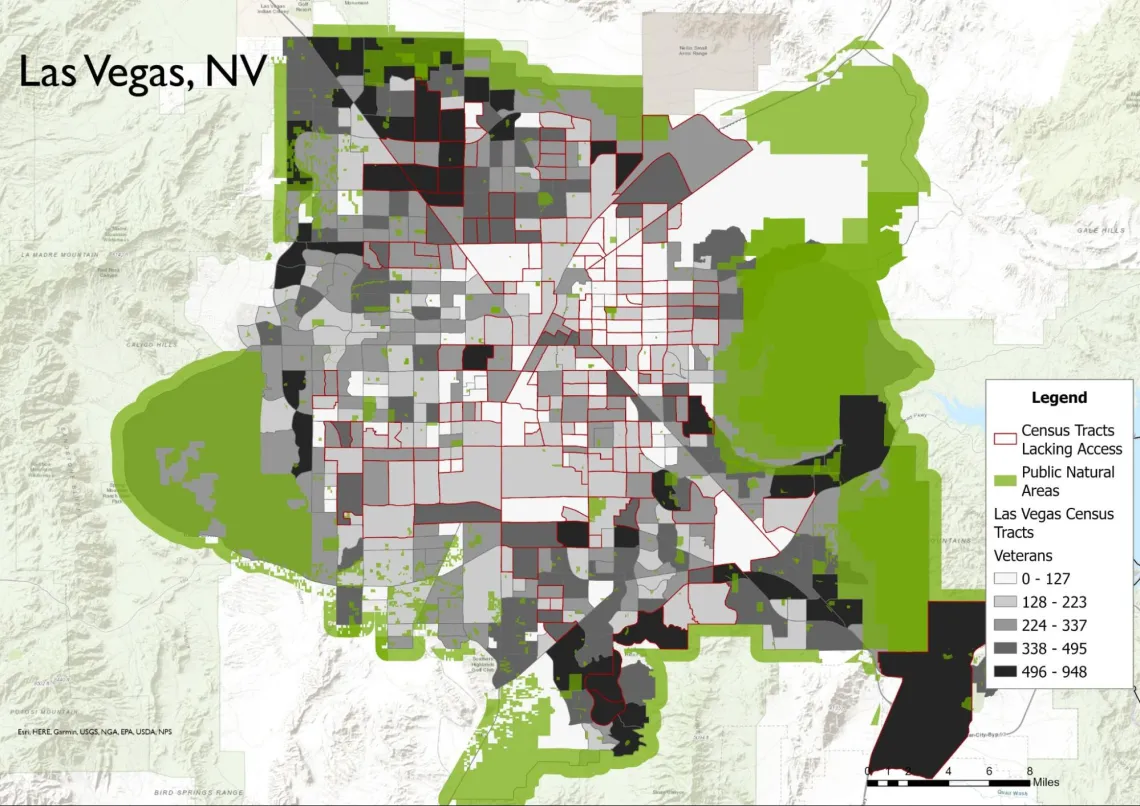
Las Vegas is uniquely positioned amid an expansive array of public lands. Surrounding the city are over 7.5 million acres of public lands, with more than 1,000 miles of scenic hiking and biking trails. While this offers ample opportunity for local residents with access to vehicles, walkable city parks are fairly limited, with more than 30% of veterans lacking access to a public greenspace in their neighborhoods. While Las Vegas appears to have a strong commitment to city recreational areas, including its "Imagine Las Vegas Parks" initiative, many existing public areas consist of built-up environments (sports complexes, indoor recreational centers, etc) that do not provide the healing benefits of nature immersion.
Furthermore, Las Vegas’s chronic air pollution may be keeping veterans and other residents indoors. ALA rated Las Vegas the 12th worst metropolitan area for ozone pollution in 2025 and failing for 24-hr particle pollution. Las Vegas’s WalkScore is similarly low, with the city being scored as a highly car-dependent city, particularly outside of the downtown area.(29) As most of the city’s veterans reside far outside the downtown metro, accessing quality natural areas is likely problematic and difficult, particularly for those without a personal vehicle. Overall Las Vegas received a D- grade.
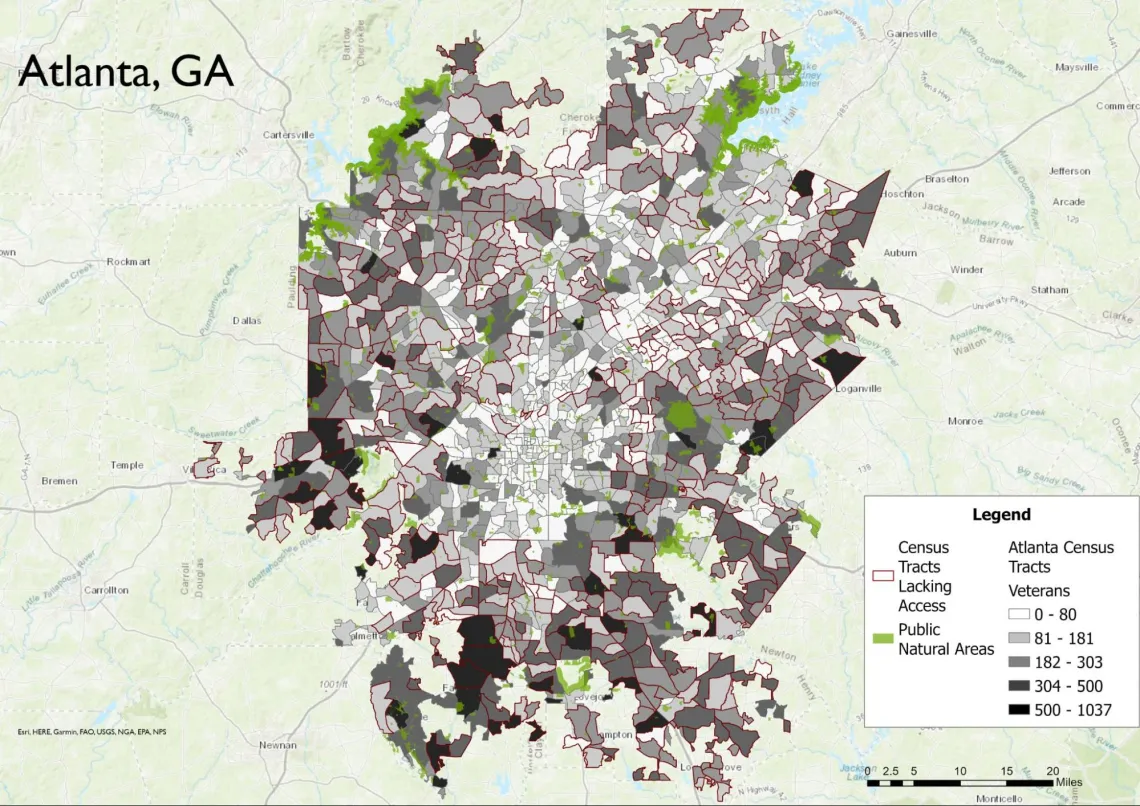
Atlanta represents the lowest grade rating in both our independent study and overall VAN score combining nature access, air pollution, and walkability. While recent efforts to increase green spaces in Atlanta allowed the city to climb to 21st place in the Trust for Public Land's 2025 ParkScore rankings(30), challenges remain in ensuring equitable access to park spaces. A notable 43% of veterans lack access to parks in their own neighborhoods, the lowest accessibility rate in our study. Furthermore, residents in neighborhoods of color have access to 14% less park space per person than the city’s average neighborhood and 41% less than those in white neighborhoods.(31) Atlanta’s F rating from the American Lung Association in 2025 likely limits the time that health-compromised veterans can spend in nature, and accessing local parks likely rely on a personal vehicle due to low walkability scores. In 2021, Atlanta adopted a comprehensive 10-year plan aimed at increasing park access. A concerted effort to ensure veteran access to nature in their neighborhoods, while also increasing accessibility features such as ADA compliance and adaptive recreation would greatly benefit the veterans of Atlanta.
Conclusion
Increasing access to nature is a compelling strategy for improving the physical, mental, and overall wellbeing of our nation’s veterans and their families. Not only can access to nature and greenspaces help combat veterans overcome service-related mental health outcomes such as PTSD, but research shows that greenspace can also enhance immune function and lower incidence of chronic diseases such as cardiovascular disease, stroke, diabetes, and respiratory illnesses like asthma.(32) Additional benefits include improved longevity(33) and faster postoperative recovery(34). Mental health outcomes are also positively impacted, with access to greenery associated with reduced rates of stress, anxiety, and depression.(15,16,17)
Many veterans face long-term respiratory, cardiovascular, and mental health conditions that are made worse by pollution and environmental degradation. Weakening protections for clean air, water, and public lands exposes them to harmful contaminants and limits their access to nature-based healing, which has been shown to support recovery from PTSD, depression, and trauma.
This means that the many veterans who are already being exposed to toxic air pollutants while deployed abroad(35) return home to similar air quality conditions and suffer long-term health consequences in their own cities.
Ensuring close-to-home access to natural spaces is not only vital for recreation and mental well-being, but also plays a critical role in protecting public health. The presence of nearby parks and greenspaces contributes to cleaner air, which is particularly important in densely populated urban environments where pollution levels tend to be higher. Trees and plants reduce air pollution by capturing particles on their leaves and absorbing gases through stomata.(36,37) Even small-scale vegetation increases have shown measurable impacts, such as a reduction in PM10(38) and decreased asthma prevalence(39).
Failing to ensure access to quality greenspaces and natural public lands breaks an implicit promise: that those who served the country will return to one that safeguards their health and dignity. When parks are closed, air is polluted, or communities near bases suffer environmental damage, veterans—many of whom live in those areas—bear the brunt. Protecting the environment is not just an ecological responsibility; it's part of the nation’s duty of care to those who served.
Meeting the Moment: What Can Be Done?
Critical environmental and public health laws, such as the Clean Air Act, are being weakened(40) and the agencies that enforce them are being gutted. Proposed budget cuts pose significant harm to initiatives that support veterans’ access to nature and the health of public lands. The administration has called for a drastic reduction in funding to the National Park Service and the decimation of the Land and Water Conservation Fund—resources critical to creating and maintaining parks, trails, and green spaces. These cuts would lead to reductions in urban greening efforts, staff layoffs, service reductions, and deferred maintenance, making parks less accessible and less safe for all users, including veterans.
At the same time, the administration has not prioritized expanding or supporting programs within the VA that connect veterans to nature-based therapies, despite growing evidence of their benefits for mental health and recovery. Proposed cuts to federal agencies like the Department of the Interior and the Department of Veterans Affairs further undermine the infrastructure needed to build and sustain such programs. Without strong investment in both public lands and veteran services, the pathways that connect veterans to healing outdoor experiences—and the broader vision of equitable access to nature—are severely threatened.
Veterans, their families, and their communities need increased access to nature, not decreased. We need to work to increase public lands in both size, quantity, and quality, in all places, urban and rural, east and west. We also need concerted efforts to encourage and facilitate veteran access to quality outdoor spaces through funding and programs. Below is a list of ways we can make this happen.
To support veterans’ physical and mental well-being, it’s essential to develop dedicated programs within the Department of Veterans Affairs (VA) that connect veterans with nature. These programs can include therapeutic outdoor experiences, adventure recreation, and conservation-based employment initiatives that harness the healing power of natural settings. By integrating access to parks, trails, and wilderness areas into VA healthcare and wellness services, we can create sustainable pathways to healing and recovery. Supporting efforts to fully fund core services at the VA, Department of Defense (DoD), and Department of the Interior (DOI) is essential for long-term success. These agencies form the backbone of support for veterans and public land stewardship. Adequate funding ensures that healthcare, mental health services, conservation initiatives, and recreational programming are not only preserved but expanded to meet growing needs. A united investment in both people and the land strengthens national resilience and honors the service of those who have served. In 2024, Sierra Club collaborated with the University of Kentucky to gain perspectives from hundreds of veterans across the country through a national survey and in-person listening sessions. The result of this initiative was a full report and a set of guiding pillars and recommendations for connecting veterans to nature.
Equally important is a strong commitment to preserving, maintaining, and expanding America’s protected public lands by ensuring they are fully funded, staffed, and operational. From local city parks to national forests and monuments, these spaces play a vital role in community life and environmental health. For veterans and all citizens, well-maintained parks offer places for recreation, reflection, and restoration. Continued federal support is needed to address maintenance backlogs, prevent staff shortages, and protect these lands from overuse and degradation, while continuing to grow our conservation legacy through the establishment of future parks and public lands.
The American Lung Association’s State of the Air 2025 report highlights how climate change is worsening air quality and underscores the urgent need to cut emissions driving ozone and particle pollution. While the EPA has made major progress under the Clean Air Act in reducing pollution across key sectors and improving community-level data, that progress is now threatened. Deep staff cuts and reduced federal funding are undermining the agency’s ability to protect public health. The report issues a clear call to action: the public must support and defend the EPA to ensure clean air for all.
Fighting rollbacks to critical environmental laws like the Clean Air Act is essential to protecting veteran health, especially for those with preexisting conditions linked to military service. Veterans experience higher rates of respiratory illnesses, cardiovascular disease, and other chronic health issues that are worsened by exposure to air pollution, particularly ozone and fine particulate matter. The Clean Air Act regulates harmful emissions from vehicles, power plants, and industrial sources, significantly reducing pollutants that contribute to smog and poor air quality. Weakening these protections would disproportionately affect vulnerable populations, including veterans living in urban areas or near major polluters. Preserving and strengthening the Clean Air Act ensures that the air veterans and their families breathe is safe, helping to prevent disease, reduce hospitalizations, and support long-term health and quality of life.
Accessibility must be a priority in both design and policy. Improving accessibility infrastructure on public lands ensures that veterans with physical disabilities, many of whom rely on mobility devices, can safely and comfortably enjoy outdoor spaces. This includes accessible trails, restrooms, signage, and visitor centers, as well as programming tailored to a range of abilities and needs. In addition, enhancing transit options from military bases or areas with high veteran populations to nearby parks would increase access and participation. Many veterans face transportation barriers that prevent them from taking advantage of natural spaces. Coordinated transit solutions—such as shuttle services, discounted fares, or community partnerships—can close that gap and help veterans stay connected to nature and their communities.
For 20 years, the Sierra Club Military Outdoors (SCMO) Program has been at the forefront of a national movement to ensure every service member, veteran, and their families enjoy the beauty of the great outdoors. By organizing outdoor experiences such as hiking, camping, and paddling trips, the program aims to improve the mental and physical health of participants while fostering a sense of community and purpose. These activities not only provide therapeutic benefits but also help veterans reintegrate into civilian life by building strong social connections. Many service members and veterans can achieve meaningful connections and a sense of camaraderie by recreating and relaxing in nature, which provides gateways to new missions and continued service to the lands they swore an oath to protect. Service members and veterans are change agents who are enthusiastic about making a difference in their communities. When our service members and veterans thrive, society greatly benefits.
Beyond direct engagement, SCMO advocates enhancing administrative policies that enhance access to public lands for veterans. This includes supporting funding for national and local parks, promoting the development of accessible infrastructure, and encouraging the integration of outdoor therapy into VA services. Through these efforts, the program addresses systemic barriers that prevent veterans from benefiting fully from outdoor spaces. By combining hands-on outdoor experiences with advocacy, the Sierra Club’s Military Outdoors program plays a crucial role in ensuring that veterans have the opportunity to heal and thrive through nature. Its comprehensive approach not only benefits individual participants but also contributes to the broader goal of preserving and enhancing public lands for all.
Until every veteran in America can walk or roll to a safe and clean place of natural beauty, Sierra Club will continue its efforts to improve nature access for veterans and their families. You can support this effort by joining a local Sierra Club Military Outdoors chapter, or donate directly to the program.
Acknowledgments
- Data analysis, mapping, and report authored by Heather Stricker, Sierra Club Climate & Lands Analyst.
- Technical support and guidance provided by Sherman Neal II, Sierra Club Military Outdoors Director and Jackie Ostfeld, Sierra Club Outdoors for All Director.
- Editorial comments and support provided by Cara Fogler, Jackie Ostfeld, Ginny Roscamp, and Natasha Blakely.
Endnotes
- National Academies of Sciences, Engineering, & Medicine. 2018. Evaluation of the Department of Veterans Affairs Mental Health Services. The National Academies Press, Washington, DC.
- Milanak et al., 2013. Prevalence and features of generalized anxiety disorder in Department of Veteran Affairs primary care settings. Psychiatry Research 209:2, Pages 173-179.
- US Census Bureau, 2024. New Report on U.S. Veterans and Service-Connected Disabilities.
- Carlson et al., 2010. Psychiatric diagnoses among Iraq and Afghanistan war veterans screened for deployment-related traumatic brain injury. Journal of Traumatic Stress 23:1, pgs. 17-24.
- US Dept of Veterans Affairs. 2024 National Veteran Suicide Prevention Report.
- Dimitri, C. 2024. New Study Links Military Burn Pit Exposure to Increased Health Risks. Brown University
- Brooks et al. (2024). Neuroinflammation and Brain Health Risks in Veterans Exposed to Burn Pit Toxins. International Journal of Molecular Sciences 25(18):9759. doi: 10.3390/ijms25189759.
- Garcia et al., 2014. A Survey of Perceived Barriers and Attitudes Toward Mental Health Care Among OEF/OIF Veterans at VA Outpatient Mental Health Clinics. Military Medicine, Vol 179: 3, Pages 273–278.
- Young C. 2023. The Perceptions of Transitioning to Civilian Status Among Criminally Involved Military Men. Dissertation, Adler University.
- Bettman et al., 2022 (and citations within). Mental Health Outcomes of Peer-led Therapeutic Adventure for Military Veterans. Journal of Experiential Education 45:3.
- Reuters. “VA shake-up hits mental health services for US veterans”. March 20, 2025
- Sierra Club/Bettman et al. 2022. New Study: Outdoor Experiences Improve Veterans’ Mental Health. Sierra Club.
- Wheeler et al., 2020. Outdoor recreational activity experiences improve psychological wellbeing of military veterans with post-traumatic stress disorder: Positive findings from a pilot study and a randomised controlled trial. PLoS One 15(11):e0241763.
Greer & Vin-Raviv, 2019. Outdoor-Based Therapeutic Recreation Programs Among Military Veterans with Posttraumatic Stress Disorder: Assessing the Evidence. Military Behavioral Health 7:3.
Military OneSource, 2023 Demographics Dashboard, accessed May 2025
WalkScore how-it-works. https://www.walkscore.com/how-it-works
American Lung Association. 2025. Washington, DC State of the Air Report.
American Lung Association. 2025 State of the Air: Minneapolis-St. Paul.
US EPA ArcOnline data; 2022 National Emissions Inventory.
Van Oort, T. 2023. Minnesota beset with bad air quality days this summer. Axios.
Trust for Public Lands. 2025 Minneapolis ParkScore Index.
Trust for Public Lands. 2025 ParkScore: Denver.
American Lung Association. 2025. State of the Air: Denver.
American Lung Association. 2025 State of the Air: Philadelphia.
Trust for Public Lands. 2025 ParkScore: Jacksonville.
City of Detroit. 2025. Parks and Greenways.
Trust for Public Lands. 2025 ParkScore: Detroit.
WalkScore 2025: Las Vegas.
Trust for Public Lands 2025 Park Score: Top 100 cities
Trust for Public Lands 2025 Park Score: Atlanta
Gascon et al., 2016. Mental health benefits of long-term exposure to residential green and blue spaces: a systematic review. International Journal of Environmental Research and Public Health 12(4):4354-79.
Takano et al., 2002. Urban residential environments and senior citizens' longevity in megacity areas: the importance of walkable green spaces. Journal of Epidemiology and Public Health 56(12):913-8.
Andrade et al, 2017. Do the hospital rooms make a difference for patients’ stress? A multilevel analysis of the role of perceived control, positive distraction, and social support. Journal of Environmental Psychology 53: 63-72.
NASA. 2023. NASA Data Helps Track Veterans’ Exposure to Air Pollution.
McDonald et al. 2007. Quantifying the effect of urban tree planting on concentrations and depositions of PM10 in two UK conurbations. Atmospheric Environment 41(38): 8455-8467.
Nowak et al. 2014. Tree and forest effects on air quality and human health in the United States. Environmental Pollution 193: 119-129.
Janhall, 2015 (and citations within). Review on urban vegetation and particle air pollution - Deposition and dispersion. Atmospheric Environment 105: 130-137.
Donovan et al., 2018. Vegetation diversity protects against childhood asthma: results from a large New Zealand birth cohort. Nature Plants 4, pages 358–364.
CBS News. “Senate votes to overturn EPA rule that limits 7 hazardous air pollutants”. 01 May 2025