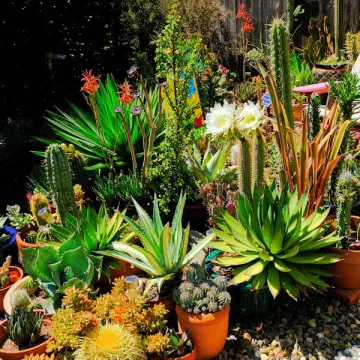
My front and backyards are mostly taken up by a succulent garden that’s become both a personal passion and an unexpected lesson in ecology. These tough, water-wise plants haven’t just made the space more beautiful—they’ve shown me how gardening can work with nature, not against it. If you’re thinking about starting your own succulent garden, maybe my experience can offer a bit of inspiration and some practical advice.
The Beginnings of My Succulent Garden
What started as a low-key landscaping decision has grown—literally and figuratively—into something I never expected. About twelve years ago, after clearing out what had been an overgrown tangle of bushes, I asked my landscaper to plant things that could handle the dry California climate. That’s when succulents entered my life.
So what exactly are succulents? Think of them as the camels of the plant world—storing water in their leaves, stems, or roots so they can tough it out in hot, dry conditions without complaining. They come in a wild variety of shapes: some look like roses made of wax, others like tiny alien brains, and a few are basically green pincushions with attitude. Succulents are drought-resilient, low-maintenance, and often weirdly adorable. In short, they’re perfect for gardeners who want to save water, support biodiversity, and still have a yard that looks like a modern art exhibit.
At first, I was just drawn to their look—clean lines, bold colors, crazy shapes. They felt like the opposite of the lush, chaotic garden I grew up with: roses, overgrown trees, fussy hedges. Succulents were minimalist but striking. They didn’t scream for attention—they held it. And they seemed perfect for someone like me, juggling work and life, who didn’t want to spend hours pruning or watering every day.
But something unexpected happened. I got hooked.
I started reading books, especially Succulents Simplified by Debra Lee Baldwin—an excellent guide whether you’re just starting out or knee-deep in euphorbias. I kept going back to it for ideas on design and care. What had begun as a practical project quickly became something more immersive.
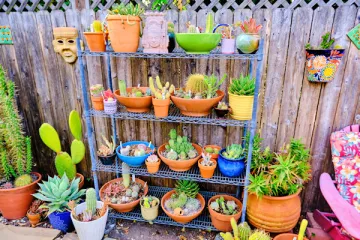
Instead of planting everything directly into the ground, I started experimenting with pots—big, small, plain, decorative. Using containers gave me more control. I could move plants around to get the right light or shelter them from cold or rain. And I loved the creative freedom of arranging them like living art.
I also learned quickly that regular soil doesn’t cut it. You need the right mix—something gritty and fast-draining. The cactus mix from Van Winden’s, while not cheap, has become my go-to. Setting up a dedicated potting station in a shady corner of my yard also turned out to be a game-changer. It keeps the mess out of the way and makes the whole process feel a little more intentional.
When the local nurseries all started to blur together, offering the same handful of species, I began hunting elsewhere—Berkeley, Sebastopol, and eventually online sources in Tucson and Phoenix. That’s where I found the rare stuff: euphorbias with alien elegance, towering columnar cacti, weird hybrids I never knew existed.
Weather, Zones, and the Greenhouse Hustle
To have the best success growing succulents, you have to be very tuned in to your local climate. Here in Zone 9a/b, winters, especially wet ones, can be deceptively tough on succulents. Some species just can’t deal with cold rain. Even the more cold-tolerant ones will rot if their roots stay soggy.
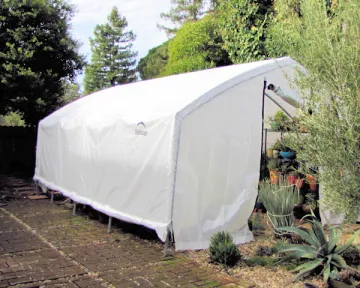
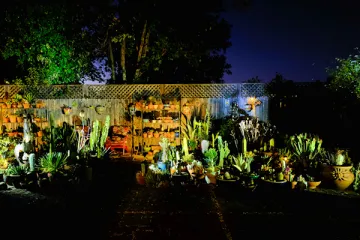
So every year, like clockwork, I set up a 12 by 20 feet shelter, which allows me to group plants according to their needs and keeps the vulnerable ones warm and dry. But it’s not without its challenges. Twice a year, I haul heavy pots in and out, dodging spines, scraping my arms, and ending up sore for days. But I wouldn’t trade it. There’s a rhythm to it now. A seasonal ritual.
Designing the Layout
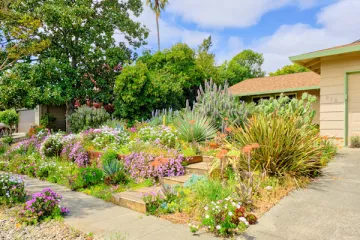
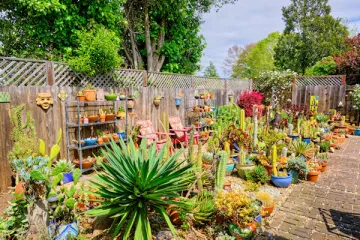
Laying out the garden has been its own creative process. I tried to take inspiration from the natural desert—layering texture, height, and color. Some areas are planted directly in the ground, but much of the visual impact comes from the way pots are arranged—clustered, staggered, contrasted.
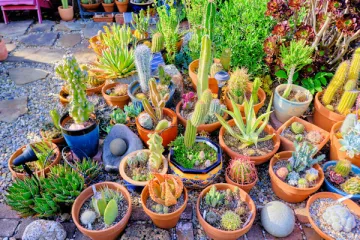
I group plants by how they look: rosette-shaped echeverias next to spiky agaves; soft, trailing burro’s tails cascading over the edges of pots. The idea is to play with harmony and contrast at the same time. Gravel and stone paths add a natural frame. Every section has its own vibe.
A Living Palette
Succulents bring color in unexpected ways. Not just green—though there are a hundred shades of that—but deep purples, icy blues, rusty reds, even near-black. Some change color with stress or temperature shifts, adding another layer of drama.
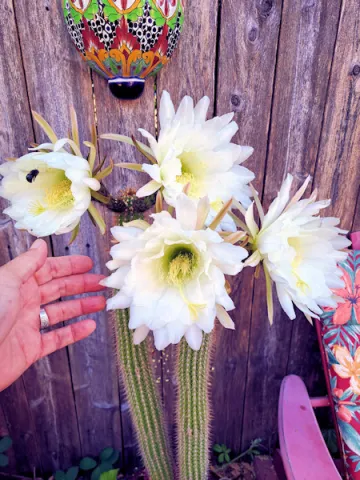
There’s elegance in an echeveria’s symmetry that reminds me of my mom’s roses, but also wildness in haworthias and lithops—plants that look like they were sent from another planet. Euphorbias can feel almost architectural in their forms. And the blooms—when they come—feel like surprise gifts. Bright, bold, sometimes fragrant, often fleeting.
The Real Work Behind “Low-Maintenance”
People say succulents are low-maintenance, but they still need attention—just a different kind. Overwatering is the fast lane to rot, so watering is infrequent but critical. I water every couple of weeks, more in summer, letting the soil fully dry out in between. Some glazed pots hold moisture longer, so when in doubt I use a moisture meter to check moisture levels.
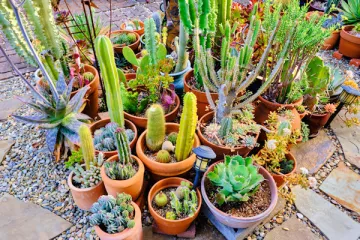
Sunlight is another tricky factor. Some plants thrive in full sun, others need some shade. Trial and error (and a few sunburned plants) taught me to watch closely. These plants may be tough, but they still have their limits—and getting to know those limits has been one of the best parts of the process.
Pests and rot are the heartbreakers. I’ve lost beloved plants to root-eating insects that I never saw coming. Sometimes insecticide helps. Sometimes the only option is to remove the plant entirely before it infects others. That part is hard.
And let’s not forget the cost. While succulents don’t need much water, starting a collection does come with some up-front investment. I’ve found that buying slightly larger plants—four-inch pots or more—gives them a better chance of survival, especially early on. They tend to be a bit pricier, but worth it in the long run. The rarer the succulent, the higher the price as well. And once you factor in quality soil, attractive pots, and maybe a few tools or protections against the weather, the hobby can add up. Still, compared to many other types of gardening, it feels like a good balance between beauty, sustainability, and practicality.
Keeping Track of the Madness
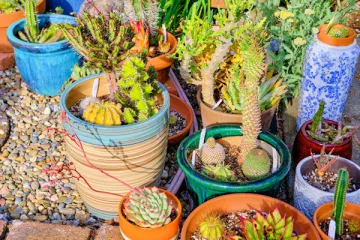
At last count, I had over 500 different species of succulents, on top of about 90 that have died. This presents an organizational challenge. To keep it all straight, I built a spreadsheet with names, zones, purchase dates, care needs, and photos. It helps me avoid buying duplicates and reminds me which ones need extra protection in winter. It’s also oddly satisfying—like curating a museum collection.
The Magic of Propagation
One of the best parts of this whole experience is how easily succulents reproduce. Some—like agaves—send out pups constantly. Others can be clipped and re-rooted. I’ve sliced columnar cacti in half and watched both parts grow new arms. It’s part science experiment, part magic trick.
Sharing cuttings with friends has become its own kind of ritual. I’ve given away dozens, and received plenty in return. This builds community in a way I didn’t expect—people trading stories along with plants.
A Space That Gives Back
At the end of the day, my succulent garden is more than just a hobby. It’s a space that gives back. I’ve spent countless days and evenings out there—watering, rearranging, just sitting. There’s something meditative about being surrounded by plants that thrive under harsh conditions. They remind me that beauty and resilience aren’t opposites—they’re intertwined.
The creative part is just as rewarding. Whether I’m designing a new display or adding found objects like driftwood, shells or rocks, the garden keeps evolving. And I keep learning.
Why It Matters
This garden has taught me about patience, observation, and working in harmony with nature rather than trying to control it. It’s made me more conscious of water use, soil health, and biodiversity. Every plant here is a little lesson in adaptation, and taken together, those lessons offer a hopeful message: even in dry, challenging conditions, life can thrive in surprising ways.
If you’re thinking of starting your own succulent garden, don’t worry about doing it “right.” Start small. Experiment. Learn as you go. It’s more work than you might expect, but also more rewarding than I ever imagined. And if you’ve got questions, feel free to email me. I’m always happy to talk about succulents. Email: napavalleysierraclub@gmail.com.