Time Outdoors Is the Answer to the Mental Health Crisis We See in Kids Today
Nature is calling, but our kids are wearing noise-canceling headphones. We can help them listen.

Photo courtesy of Jackie Ostfeld
As the mother of two young kids, I am a witness to how addictive digital technologies like smartphones influence the way children spend their time. Even on family camping trips, it isn’t easy for my husband and I to keep these devices out of sight. Last summer, during a road trip to Colorado, we listened to the audio version of Jonathan Haidt’s book The Anxious Generation, which is all about how smartphones have contributed to a rapid mental health decline among youths. Our kids were playing video games on hand-held devices in the backseat.
I also know what it feels like as a parent to get overwhelmed, and to relish moments of quiet that screens can bring to our lives. The thing is, there are other ways to claim those peaceful moments, and they don’t have to involve engaging your kids with potentially addictive technology. Just step outside and you’ll find one.
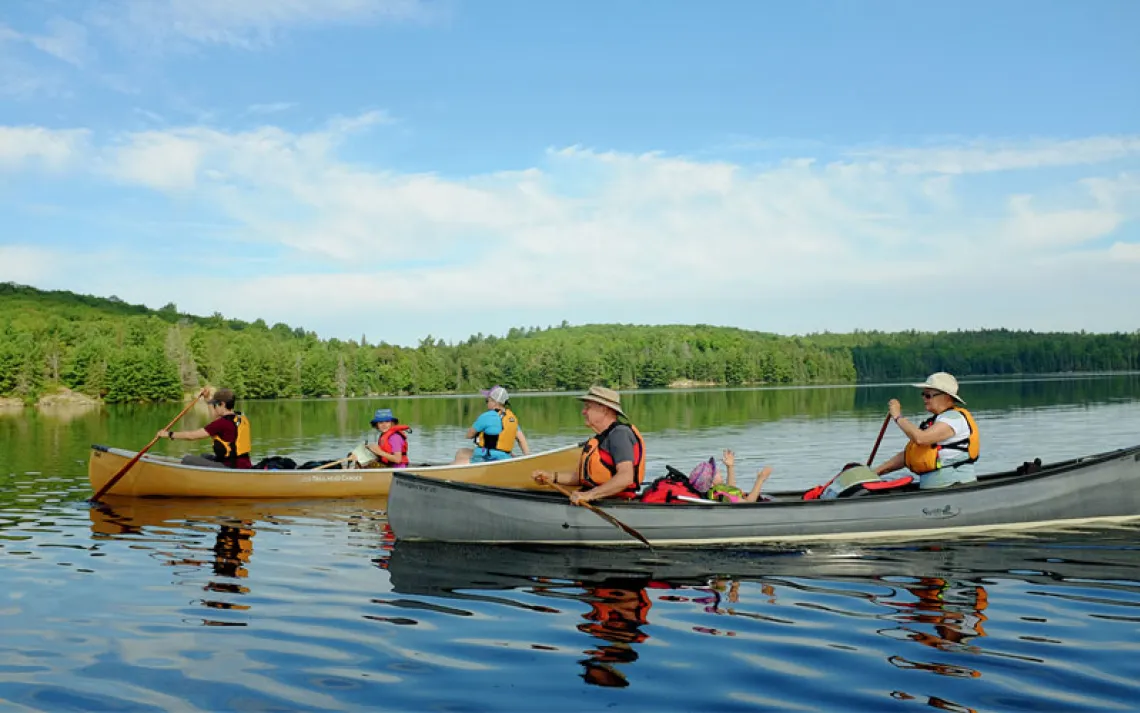
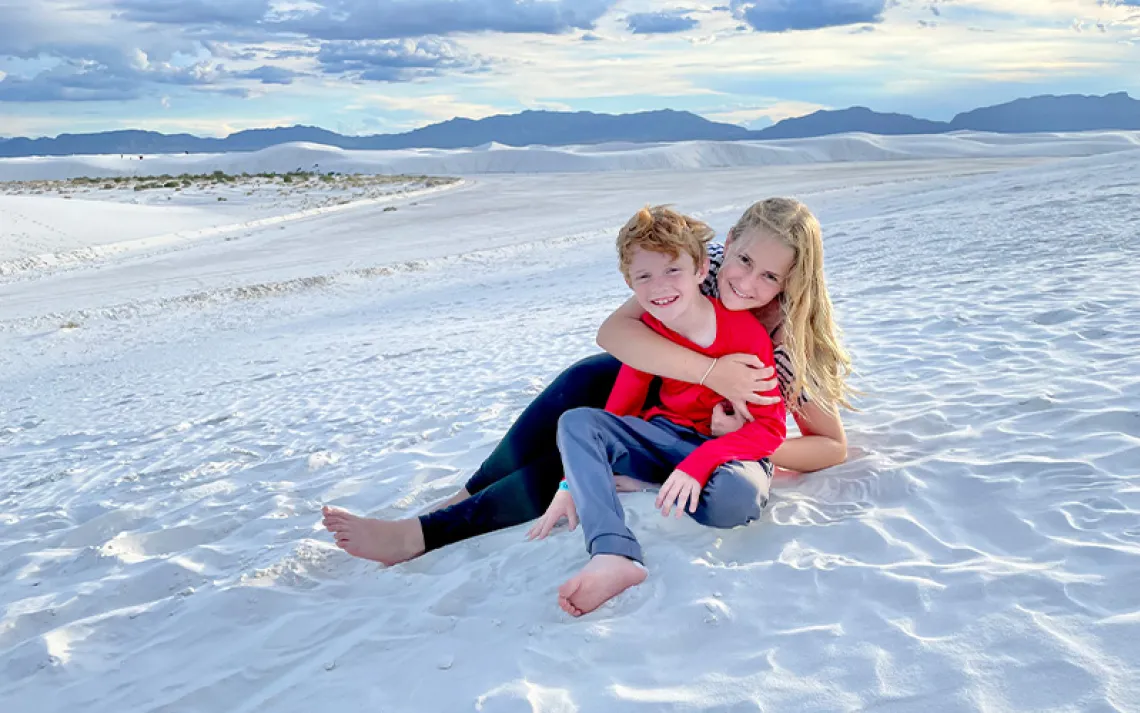
Spending time in nature—whether that means skipping down a tree-lined city street, getting hands dirty in a school garden, or camping under the stars—is essential for a healthy childhood. Kids who have opportunities to be in nature are more likely to report lower levels of stress and anxiety, greater social connections, and more feelings of overall happiness. Nearby nature in our communities creates places for kids to run and play, and important buffers from toxic pollutants and the impacts of climate change, like excessive heat and flooding. This means neighborhoods and schoolyards that protect or restore nature can lead to improved mental and physical health outcomes for our kids.
Yet far too many kids are being denied basic access to the outdoors where they can breathe fresh air, run, and play. And since the launch of social media and the smartphone, kids are spending more hours than ever before looking down at screens—sometimes as much as eight hours a day, according to studies. This growing divide between children and nature is contributing to a youth mental health emergency with extreme consequences for the wellness of a generation.
Depression, anxiety, hopelessness, sadness, and suicide are all on the rise among adolescents. Worries stemming from the harsh realities about the world they are growing up in—from immigration raids, divisive politics, gun violence, and eco-anxiety about climate change—are taking their toll on the mental health of our kids. School closures and social isolation brought on by the pandemic resulted in a fourfold increase in anxiety among young people. And screen time—especially social media usage—plays a significant role in rising anxiety among teens—a landmark social media addiction case just found both Meta and YouTube responsible for harm to a young user’s mental health.
These trends make clear that the era of smartphones and social media—sold and marketed to us as simply a way to get connected with our friends and family, to listen to music, to unleash our creativity—has disconnected us more than ever. We need an antidote to that, and we can find one in time outdoors.
Even for kids who do have access to nature, the lure of electronic devices is pulling them back indoors. Nature is calling, but our kids are wearing noise-canceling headphones.
Unfortunately, access to nature has never been equal in America. There are great disparities in how communities access nearby nature today. The Nature Gap, a recent report authored by Justice Outside and the Center for American Progress, found that 74 percent of people living in nature-deprived areas are communities of color. The analysis also found that “communities of color are three times more likely than white communities to live in areas that have lost their forests, wetlands, and green spaces.” That’s a one-two punch for kids who are exposed to toxic pollution and the impacts of climate change first, and then further suffer from a lack of green space where they can improve their physical and mental health.
Even for kids who do have access to nature, the lure of electronic devices is pulling them back indoors. Nature is calling, but our kids are wearing noise-canceling headphones.
These trends can and must be reversed. At the Sierra Club, we’re working to ensure that kids can safely and regularly access nature everywhere they live, learn, and play. We’re advancing critical park equity funding to continue building and restoring parks in communities that need them most. We’re advocating for investments in green schoolyards and outdoor learning. We’re advancing transportation policy to ensure that families don’t have to own a car to get outdoors. The Sierra Club is also helping to bring down the cost of visiting public lands by reducing and removing fees for kids and families. Hundreds of volunteer outings leaders are inspiring connections outdoors, by connecting young people with nearby nature in more than 30 communities across the country.
The next time you look up from that screen, a world of new experiences awaits you. Dive into it, and you just might find that it’s what you’ve been looking for all along.