 The Magazine of The Sierra Club
An Enduring Truth in the Face of an Uncertain Future
Endurance is both personal and ecological

Winter reveals something essential about endurance. At times, the cold and the wind are sharp and unforgiving; at others, they hum quietly with life. Endurance in harsh times is not simply the struggle against challenge—it’s an act of presence brimming with the potential for revival. This season, and this issue, honor that truth.
If you find yourself struggling to endure right now, you are not alone. We face a hard present and an uncertain future. Many among us have forgotten that we are part of the natural world—that nature exists not to serve us for extraction or profit but to receive us, each and every organism, as home. Some have come to believe that we are separate and above all that. In language, policy, politics, and culture, we’ve acted as if cities aren’t ecosystems, our bodies aren’t made of rivers and minerals, and our breath isn’t exchanged with the trees. But we have never been separate. We have always belonged to this magnificent earth.
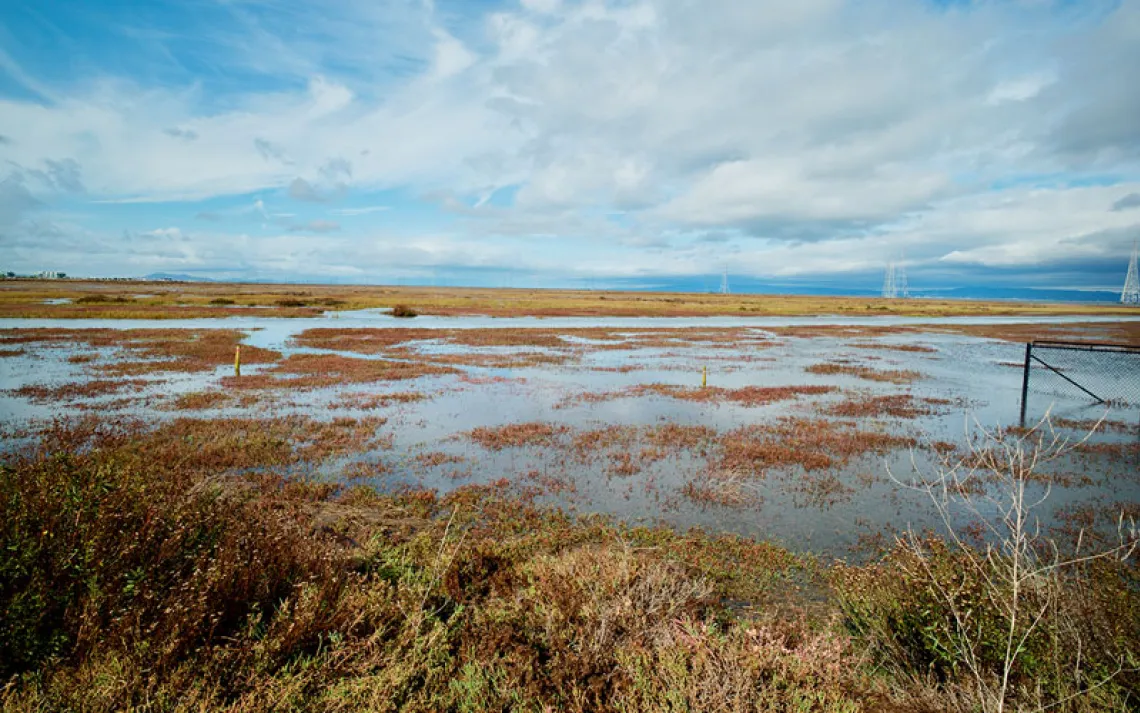
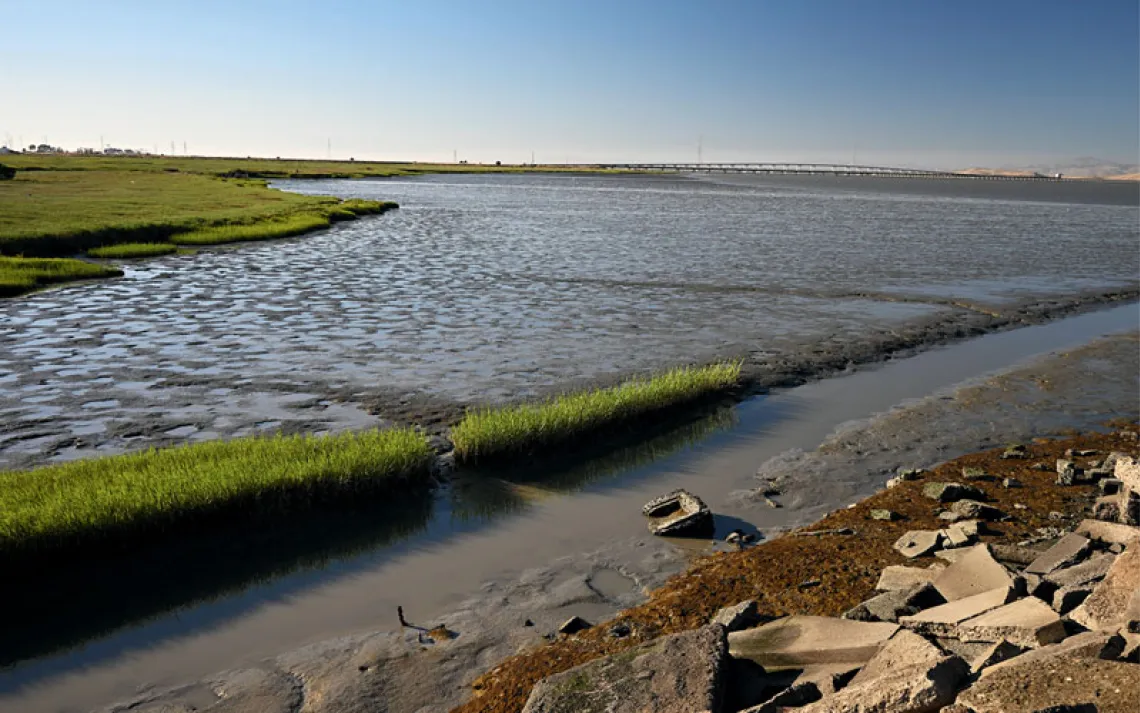
While some may have forgotten this truth, many have not. We see them all over the world, living, teaching, and remembering what was never truly lost. We see this truth in communities restoring wetlands, in farmers regenerating soil, in neighbors organizing around local food and renewable energy. We see it in acts of kindness and expressions of care, for the earth and for one another.
This Winter issue celebrates endurance as both personal and ecological—as a living practice and a communion between humans and the land. As Olivia Acland reports in “Turning Pain to Power,” women in the Democratic Republic of the Congo who have survived unimaginable violence are coming together through sisterhood, dance, and cultivation of the land. In “Caring Under the Sun,” Jireh Deng meets up with Mily Treviño-Sauceda and her team of volunteers from Alianza Nacional de Campesinas, which supports farmworkers enduring heat, chemical exposure, and ICE raids in California’s Coachella Valley. And in “Woman Warrior,” Gingger Shankar profiles Nemonte Nenquimo, cofounder of the Ceibo Alliance, who led the Waorani to defend the Amazon against the ravages of oil extraction.
Across the earth, we are being tested. Wildfires blacken skies, floods redraw coastlines, glaciers continue to recede, and droughts remind us that stability is an illusion. These are not simply environmental events—they are mirrors reflecting the consequences of disconnection. The climate crisis demands more than awareness. It calls for sustained, collective, courageous action that restores both ecosystems and relationships. People are rallying around this truth everywhere, rooting themselves in place, tending soil, and rebuilding what has been broken.
Endurance is not about getting through and surviving unchanged—it’s about adapting and maintaining space with intention. Nothing in nature endures by remaining static. Rivers carve new paths, forests regrow from ash, coral reefs pulse with quiet persistence as they recover from bleaching. Life insists on adaptation. So we, too, must adapt and change with imagination. Our movements for justice and restoration are learning to bend without breaking, to rest without retreating, to find strength not only in protest but also in presence.
We thrive in relationship, in community—growing stronger when nourished by shared purpose, mutual care, and cooperation. To endure together is to weave a web of belonging. It’s choosing to stay connected—to the land, to one another, and to the future we have the power to shape.