 The Magazine of The Sierra Club
Out of the Car, Into the World
Urban density can connect us to nature and to one another
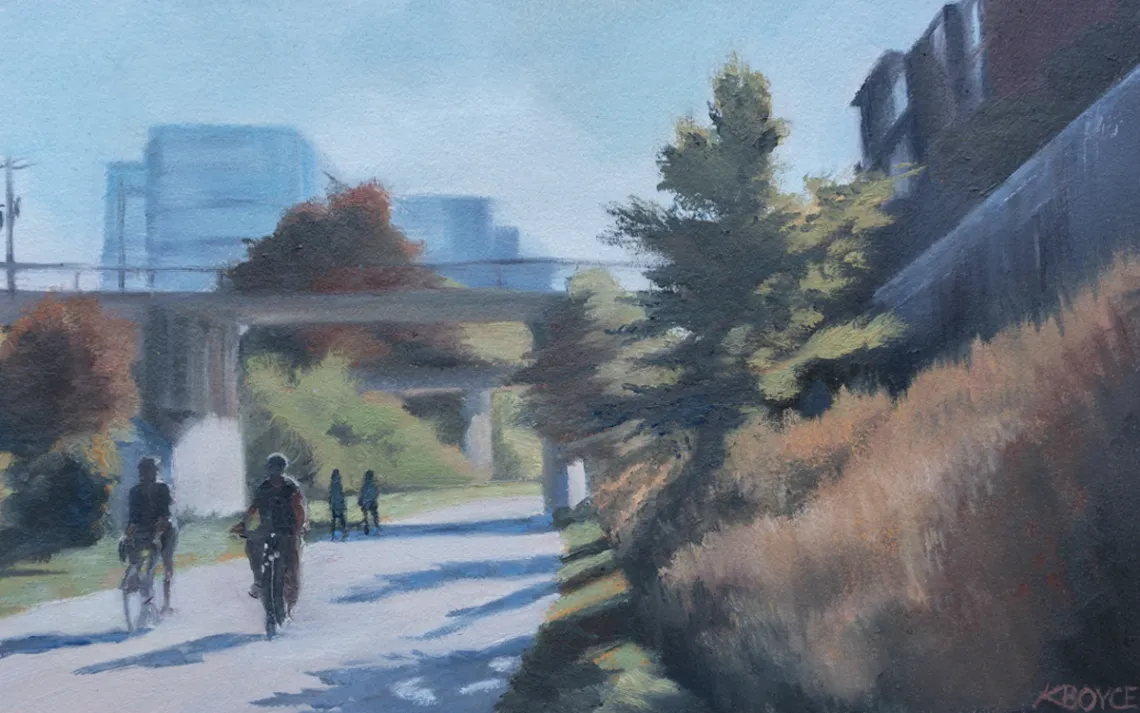
The nearest place to buy groceries is a little too far to be walkable. When I need to stock up, I often hitch a trailer to my bike and load up my reusable bags. I live in Minneapolis, just a few blocks from a trail that follows the Mississippi River and passes near my grocery store. There’s a tree along the path where a pair of eagles has roosted. According to local legend, they’ve been nesting there for 15 years. Last summer, I could often spot a large, brown headed fledgling in the nest. Now that it’s autumn, I look for eagles flying overhead.
When I walk, bike, or take public transit, all my senses wake up. The fallen leaves crunch beautifully under my bike wheels. I notice a chill in the wind; soon I’ll need to outfit my bike with studded tires for the snowy, icy months ahead. When I can leave the car behind, the time spent outside is its own reward.
I’m fortunate to live in a city with pleasurable places to walk and bike and a growing investment in public transportation. That’s not a privilege everyone in the United States enjoys. Many of our cities, towns, and suburbs were scaled for highways and parking lots, not for people or ecosystems. Sprawl forces car dependency on us and calls it convenience.
Long commutes and the ever-rising costs of car ownership are more than an annoyance. Transportation is the largest contributor to climate change in the nation. Sometimes we can’t avoid driving, but I wonder: What would make it possible for more people—colleagues, friends with young children, my aging parents—to get around without a car?
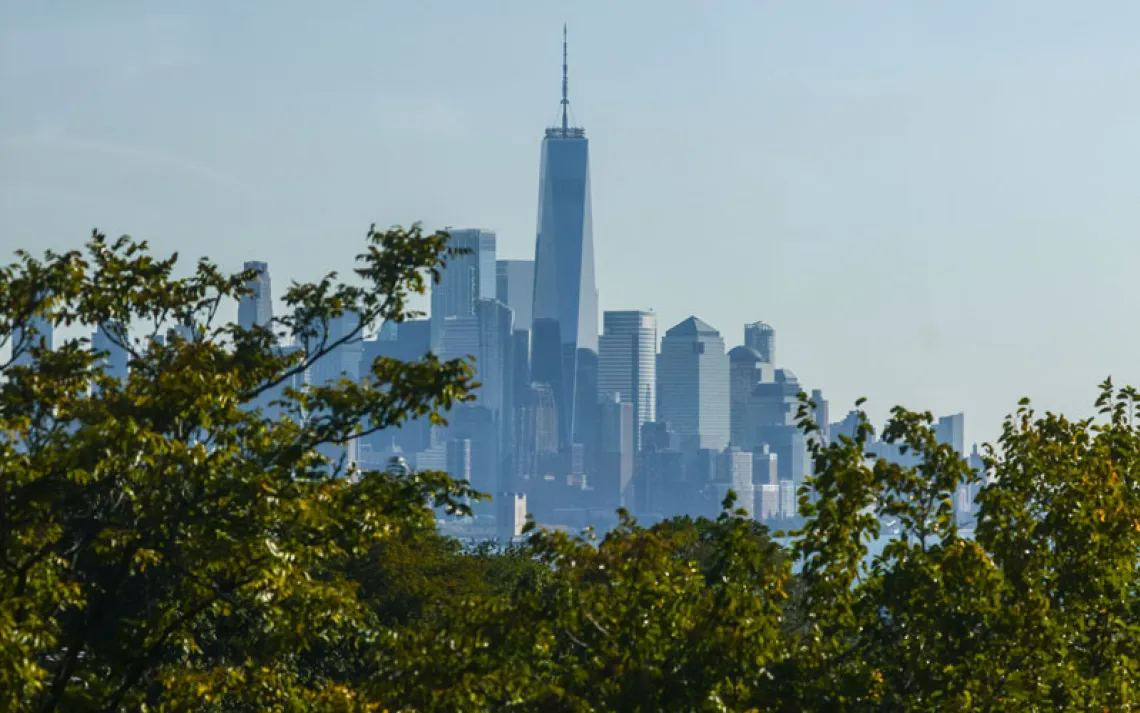
Urban density, sprawl’s opposite, isn’t always top of mind for environmentalists. Even longtime conservationists can struggle to make the connection between the developed places where many of us live and the wild habitats we seek to protect. But the years I’ve volunteered with the Sierra Club North Star Chapter have shown me that how we design and utilize developed places can make or break the future of open spaces, farmland, and natural ecosystems near and far.
When neighborhoods are dense, they offer better transit options. When city leaders favor urban density, they allocate more funds for the infrastructure that supports those options instead of endlessly expanding highways (which, ironically, induces more demand and traffic).
Housing is the other key component, because where and how we build matters. We need to make it easier, not harder, to build in already developed places, especially along transit corridors, rather than continually eating up undeveloped habitat. Efforts like eliminating single-family zoning give residential neighborhoods much-needed options such as duplexes, triplexes, and modest multifamily units. Land value taxes, parking reform, and other policy tools can be used to incentivize development of underutilized properties and vacant lots. And along with clean energy, land use reform is one of the best climate solutions we have.
Our car-dependent lives can feel inevitable—in part because so many of us have adapted our time, finances, and jobs in response. But it doesn’t have to be this way. Imagine if more people could get safely to their grocery store (or doctor, school, workplace, library, or park) on foot, by bike, or on a fast and reliable bus or train. Cities across the world enchant people with their density and walkability. Why not here? Why not now, when our communities and our natural environment desperately need it?
On a ride home from the grocery store, I glanced up at the tree and spied one of the eagles. Another person bicycling stopped to look with me. We chatted excitedly and stared in awe at the majestic bird. We were strangers, yet connected by the simple circumstance of being outside, sharing a moment of wonder as cars sped past.