4 National Parks to Visit on Earth Day and Beyond
These protected public lands are perfect for spring and summer exploration
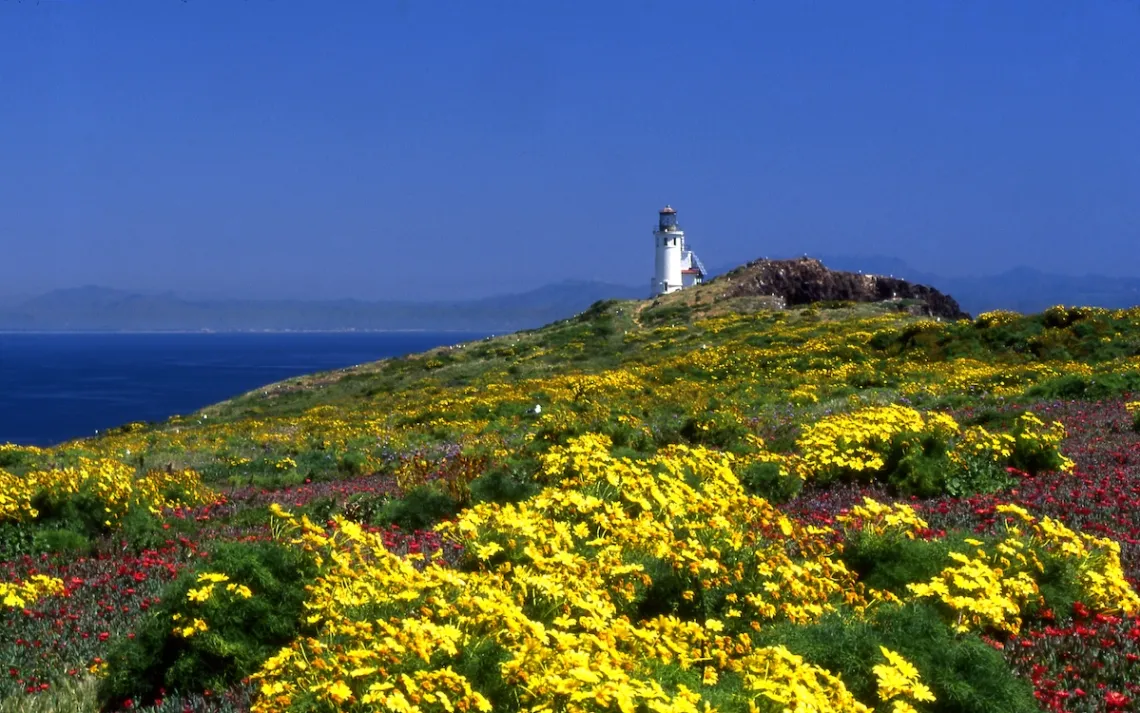
Channel Islands National Park Anacapa Island lighthouse. | Photo by Tim Hauf
Our national parks system is the crown jewel of the United States’ public protected lands. Ever since Yellowstone was established in 1872—the country’s first national park—the list of wild places dedicated to preservation for all to enjoy has been growing. Some come to mind immediately—big-name destinations like the Grand Canyon, with its majestically carved canyons, and Yosemite, with its signature giant sequoias. Others may not sound so familiar but offer just as rich an experience for visitors of all ages.
There are now 63 official national parks to choose from. That includes unique recent additions like New River Gorge National Park & Preserve in West Virginia (which has excellent hiking and whitewater rafting) and Pinnacles National Park in California, a volcanic, mountainous park that offers hiking, climbing, and birding (it’s one of the best places in the country to spot California condors).
Here are just four to consider adding to your bucket list.
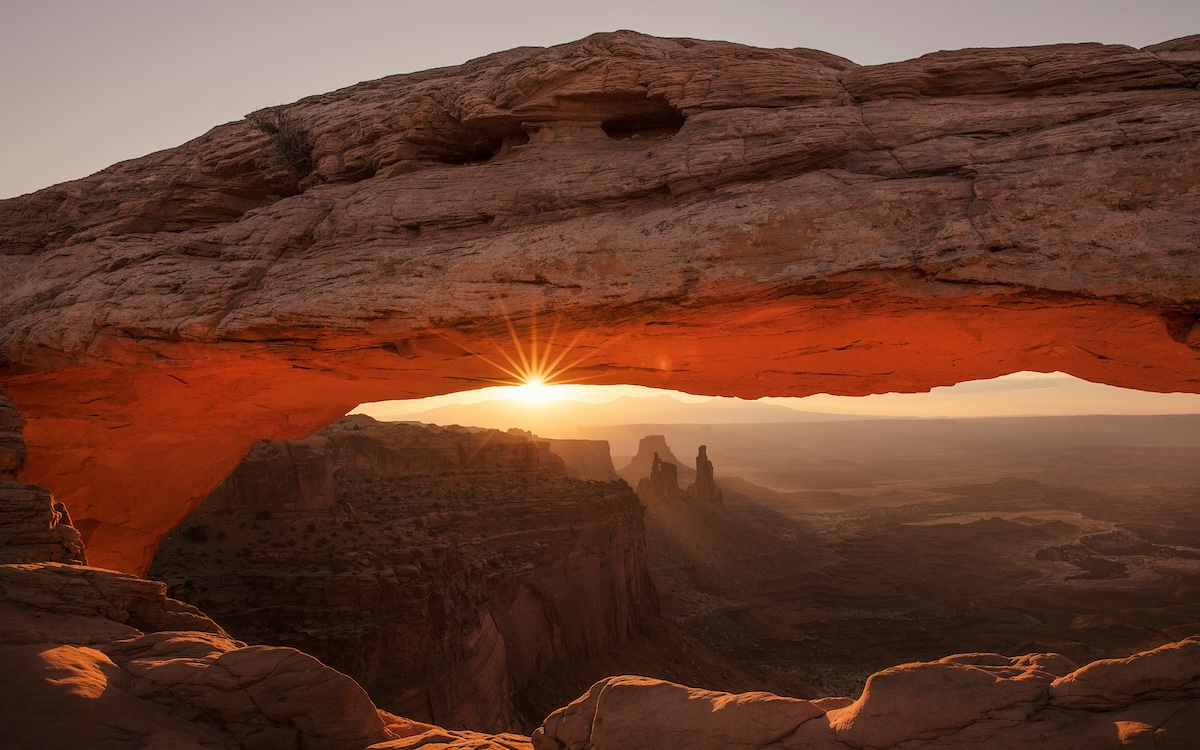
Canyonlands Mesa Arch. | Photo courtesy of the Moab Office of Tourism
Canyonlands National Park
Utah
Not far from the redrock stage of Arches National Park, Canyonlands National Park unfolds as a quieter, yet equally extraordinary landscape. Here, vast canyons split open the earth, mesas glow in shades of rust and copper, and sandstone spires rise like sculptures shaped by sun, wind, and time itself. Despite its grandeur, Canyonlands (which—surprise!—also has arches) welcomes far fewer visitors than its more popular neighbor, offering the space to wander, reflect, and absorb the terrain without having to elbow your way through crowds.
The park is divided into three distinct districts—Island in the Sky, the Needles, and the Maze—each with its own character. Island in the Sky delivers sweeping overlooks high above the Colorado River, while the Needles invites hikers and backpackers into a labyrinth of Mars-like rock formations, mesas, and remote trails. For those drawn to water, summer rafting or kayaking along the Green and Colorado Rivers reveals the park from an entirely new perspective.
If bikers don’t want to fight cars for space on the park’s famous White Rim Road, 211 miles of trails just opened up for e-bikes around nearby Moab.
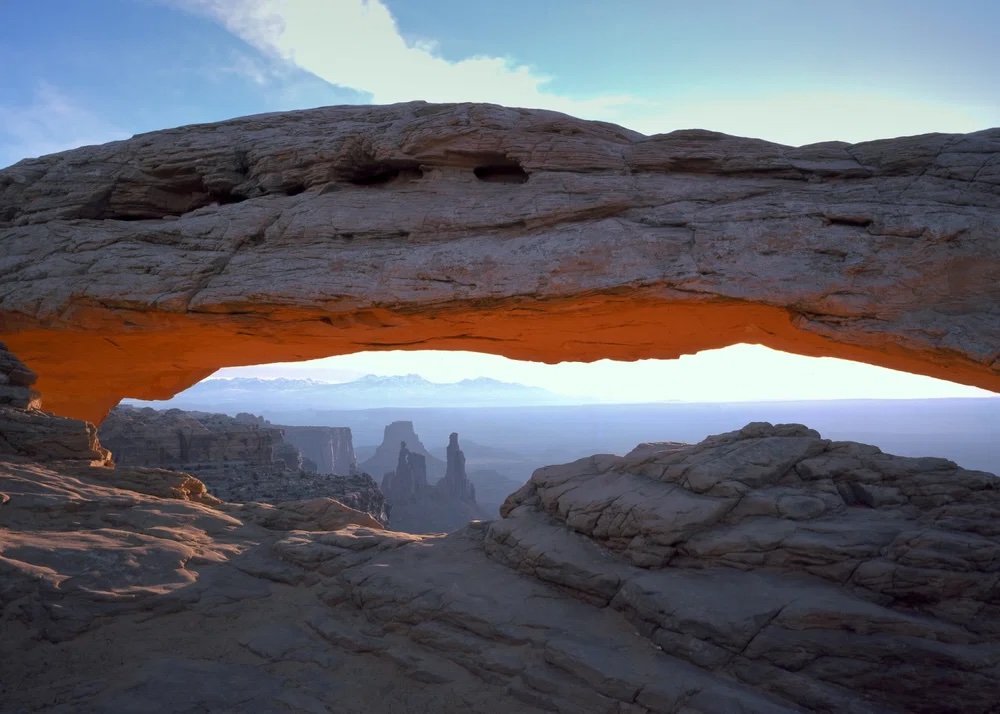
Take an Outing to Canyonlands
Explore one of the world's unique national parks
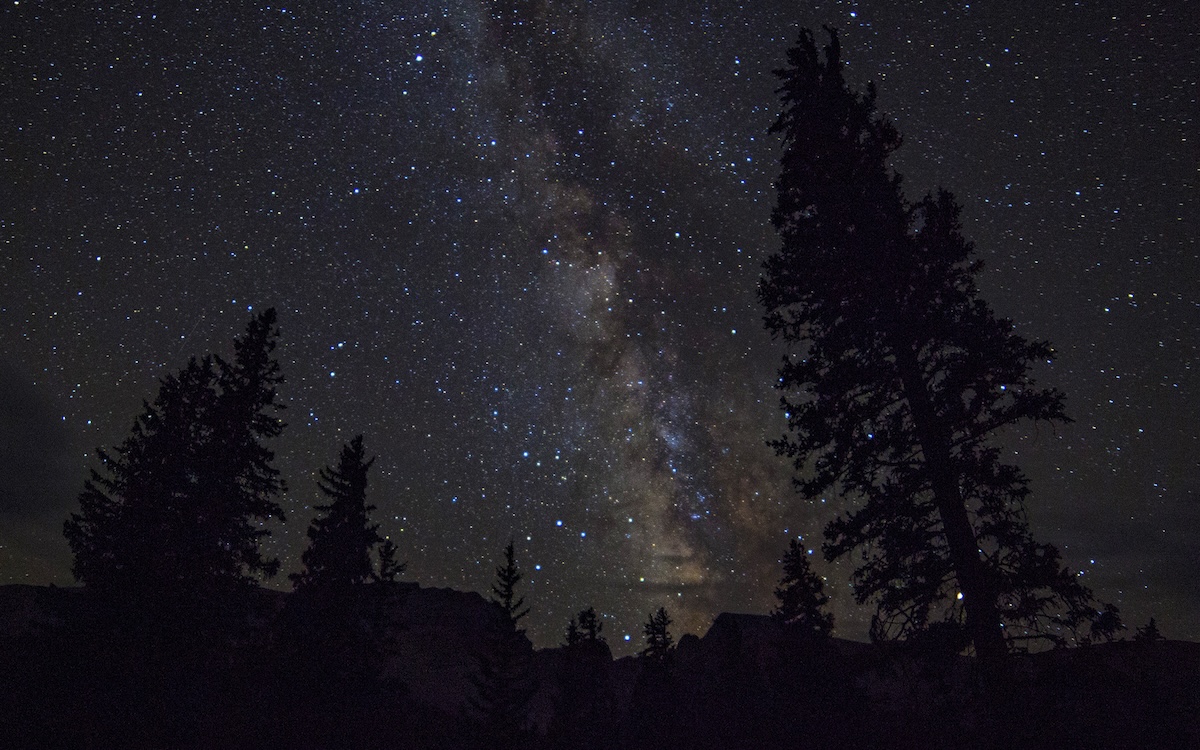
Great Basin National Park. | Photo courtesy of Travel Nevada
Great Basin National Park
Nevada
Tucked into Nevada’s high desert, Great Basin National Park offers an exclusive kind of stillness—one shaped by alpine lakes, ancient forests, and skies so dark they shimmer with clarity. Less than five hours from the neon glow of Las Vegas (and four from Salt Lake City), this remarkable landscape feels worlds away. As its celebrating its 40th anniversary, the park will be offering a series of free online lectures digging into the park’s biology, ecology, and history.
In the park itself, hike to the legendary bristlecone pines (some over 5,000 years old) along the Wheeler Peak trails, or wander alpine loops where glacial lakes reflect the surrounding peaks. Bring binoculars for birding and elk watching near the Sage Steppe Loop up Strawberry Creek. Next, head below ground to Lehman Caves, which reveal intricate limestone. (The caves are currently under construction but are set to reopen and resume guided tours on May 22. Reservations are highly recommended.) Come evening, look to the heavens, as the park’s Gold Tier International Dark Sky status (a coveted status indicating the darkest, clearest skies) invites unparalleled stargazing, often guided by astronomy rangers.
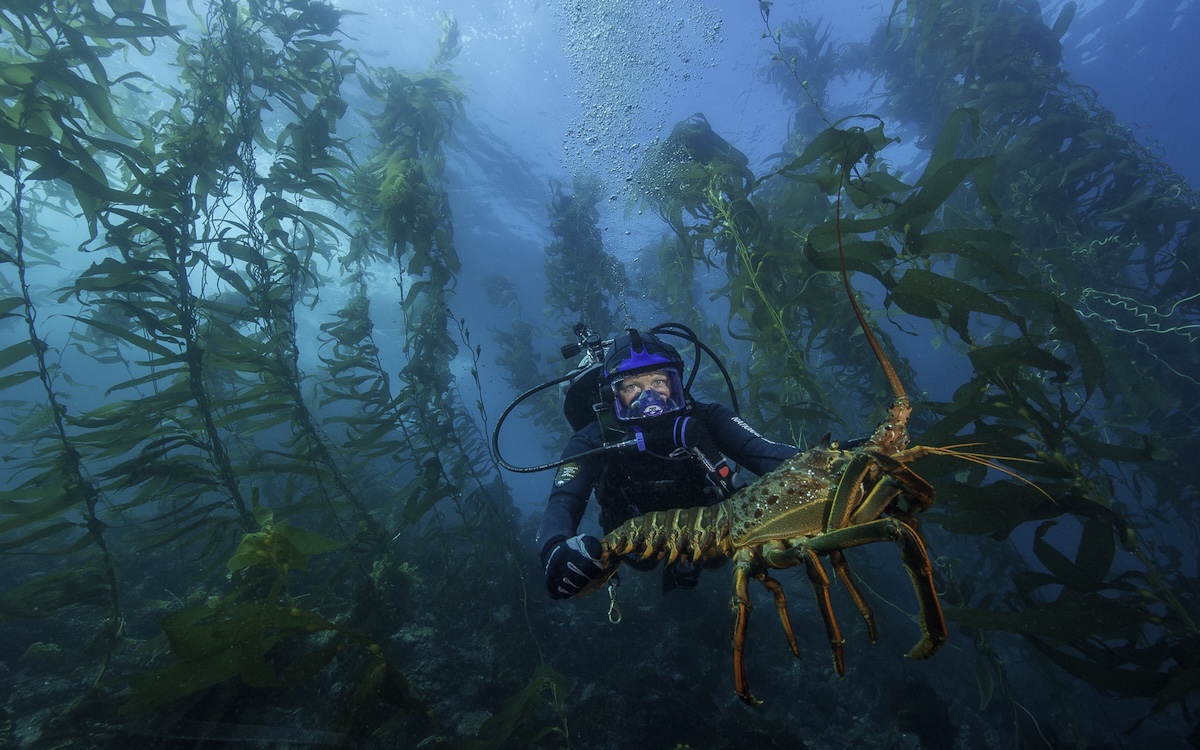
Channel Islands National Park. | Photo courtesy of the National Park Service
Channel Islands National Park
California
Just beyond the sunlit shoreline of Channel Islands National Park, five rugged isles rise from the Pacific in a quiet display of raw, untamed beauty—an unparalleled escape often called the “American Galápagos.” Here, coastal cliffs plunge into crystalline waters, kelp forests sway beneath the surface, and wildlife thrives. Sea lions bark from rocky outcrops, harbor seals drift in sheltered coves, and migrating gray whales trace elegant arcs offshore.
Reaching the islands is part of the adventure, and many excursions require a full day. Begin at the visitor center in Ventura Harbor, or board a boat with Island Packers, the park’s official concessionaire. Crossings range from one to three hours, depending on your destination, with Santa Cruz Island offering the most accessible introduction. A day trip here rewards with sweeping views along the Cavern Point loop, where dolphins often appear just beyond the cliffs.
With a single day, plan to hit only one island (boats do not shuttle between islands, so to visit multiple, you’ll need to return to the mainland and catch another ferry). Those who linger longer can tackle longer backcountry hikes and camp under open skies (book here) on Santa Cruz and Santa Rosa, where you can explore sea caves via kayak at Scorpion or Prisoners Harbor (also on Santa Cruz).
Reservations are essential (including for scuba diving, the most unique way to explore the park), especially during peak seasons, and conditions at sea can change quickly. Yet for those who make the journey, the reward is extraordinary.
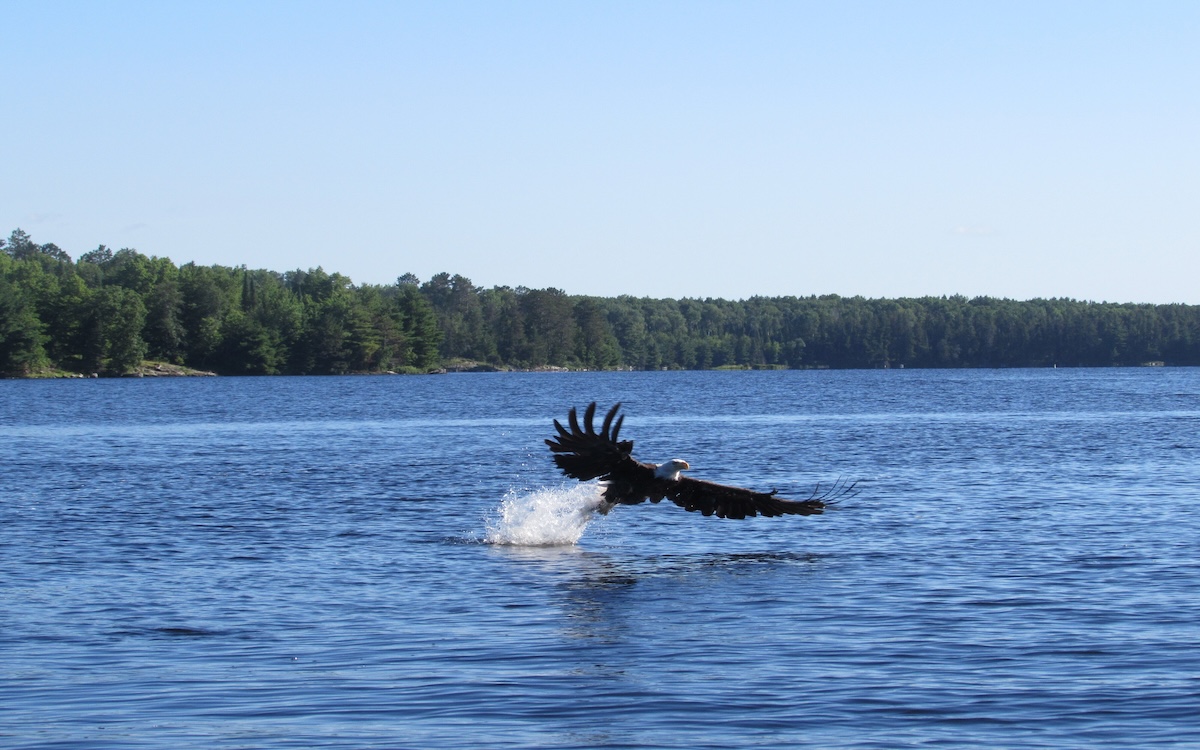
Voyageurs National Park. | Photo courtesy of R. Lehto/NPS
Voyageurs National Park
Minnesota
Northern Minnesota’s Voyageurs National Park takes its name from the French-Canadian voyageurs (fur traders who traveled and transported their goods by canoe) who once navigated the park’s abundant waters. Just one visit will have you scratching your head about why Voyageurs is one of the least-visited national parks. This is one of the only places where you can see the northern lights in the contiguous lower 48 states (which is most likely during long, dark winter nights).
The park is also best explored by boat. Yes, by boat. Much of it can only be explored by boat since the majority of the park sits within the sizable Kabetogama Lake and nearby bays. While group motor boat tours are available, many prefer to canoe and kayak between the park’s islands in summer (boat rentals range from kayak and canoe to motor boats and pontoon). Many companies also offer water taxi service ferrying campers to campsites on various islands.
Note that while this northerly park tends to not experience peak fall foliage until late September or early October, much of the park (and many of the tour operators and watercraft rental companies) are already shut down by then. You’ll still find a handful of companies offering boat tours, and some trails will be open, so it’s a great time if you prefer a solitary park experience but know that you’ll have access to a smaller slice of the park.