The Next Front for Data Centers: Underwater
Residents, tribes, and environmental groups say if built, these projects would harm marine life and coastal livelihoods
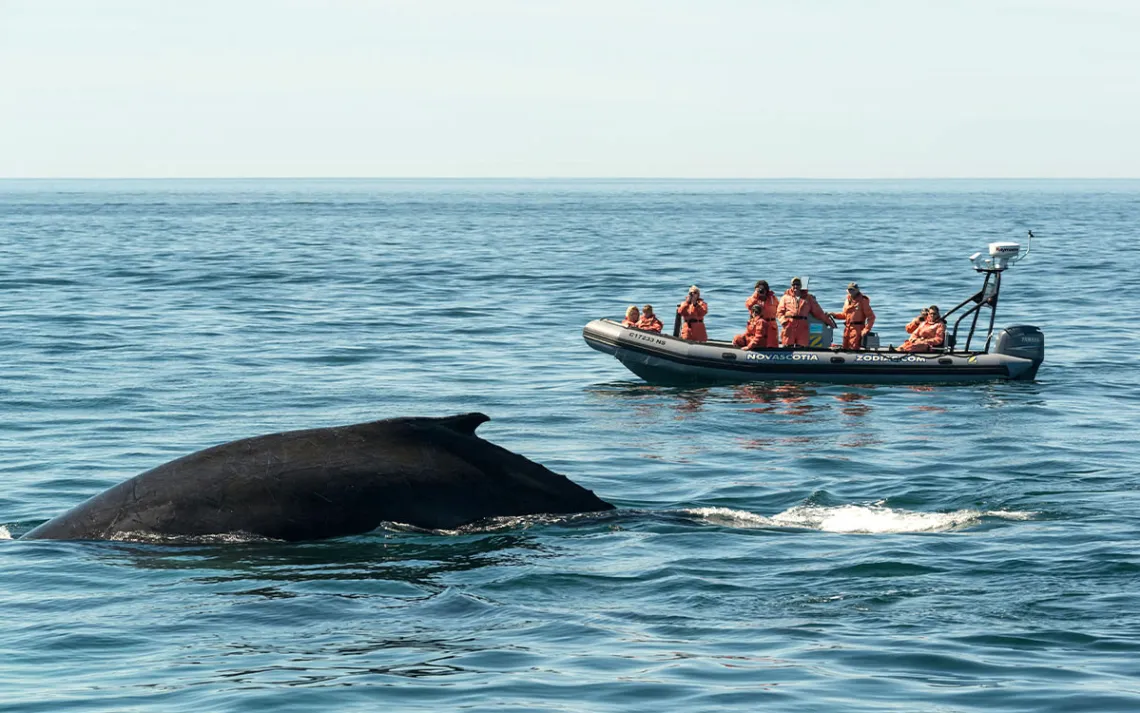
Whale watching in the Bay of Fundy. | Photo by shaunl/Getty Images
On August 5, residents of Eastport, Maine, gathered at the local Port Authority to protest a new data center proposal. People of all ages and political backgrounds showed up to voice their concern, which included fears about the environmental impact of the project, increased energy costs, strain on local resources, and the long-term consequences for their small coastal town. It’s not an unusual scene—people across the country are speaking out about these projects in their communities.
But this proposed data center project is different: It’s underwater.
In May, DeepGreen Western Passage SPV LLC, a company set up by developers at DeepGreen holdings, proposed to build a tidal-powered underwater data center in the Bay of Fundy, off the coast of Eastport. Two months later, the Federal Energy Regulatory Commission (FERC) granted the company a 48-month preliminary permit to begin conducting studies and surveying. The permit does not allow DeepGreen to begin construction, but it does give the company priority to apply for a license to build. The $100 million facility would span 27 acres and be powered by 34 tidal turbines—giant underwater generators that convert ocean tides into electrical power.
Residents, tribes, environmental groups, and the City of Eastport are pushing back against the proposal, claiming it could have detrimental impacts on marine life, ocean temperatures, and coastal livelihoods.
“We're scared about ocean warming; we’re scared about what that construction is going to do to the fishing vessels,” said Birdy Velveteen, a member of the Eastport Coalition for Healthy Oceans, a local organizing group formed to protest DeepGreen’s proposal. “We're scared what it's going to do to this deeply important migratory corridor for not just whales, dolphins, and other cetaceans, but for sharks, for microorganisms, and for plankton.”
The Bay of Fundy is part of the Gulf of Maine, an ecosystem warming faster than 99 percent of the world’s oceans.
In August, the Eastport City Council passed a 180-day moratorium on data center development, and weeks later filed a motion to intervene with FERC’s permitting process, citing concerns about the potential effects on fisheries, marine habitat, water quality, underwater noise, and access to marine resources. Intervenor status would allow the city to challenge FERC’s review process and decisions.
“These waters support commercial fisheries, aquaculture, transportation, tourism, recreation, cultural activities, and Eastport's working waterfront,” the letter to FERC reads. “The City also has governmental responsibilities involving land use, shoreland zoning, emergency response, public safety, waterfront access, and municipal infrastructure.”
“Experimenting with an underwater data center is unprecedented and a very bad idea. But to do it in the habitat of some of the world's most endangered whale populations is truly a terrible idea."

Photo by Nickie Sekera/Sunlight Media Collective
Shortly after Eastport took action, the Center for Biological Diversity also filed a motion to intervene in FERC’s permitting process, on grounds that the project would be harmful to the endangered North Atlantic right whale.
“Experimenting with an underwater data center is unprecedented and a very bad idea. But to do it in the habitat of some of the world's most endangered whale populations is truly a terrible idea,” said Kristen Monsell, the oceans program litigation director at the Center for Biological Diversity.
Every year, North Atlantic right whales make the treacherous journey through coastal waters from their calving grounds in Florida to feeding grounds in New England—a heavily trafficked route filled with fisheries and shipping lanes. In part because of excess ship collisions, just under 400 North Atlantic right whales remain, with only about 70 reproductive active females.
Even in its preliminary survey phase, DeepGreen’s project could be harmful to whales in the Gulf of Maine, Monsell said. Conducting studies and monitoring may come with vessel traffic and noise pollution from boats, which can affect whale communication and navigation.
“They use sound to communicate, to locate prey, to find mates, and navigate their environment. And when humans are introducing noise into their environment, it can mask those important communications and threaten their survival,” Monsell said.
In a statement to Sierra, Louis Wolfson, a managing member of DeepGreen, denied that early environmental surveying for the project would harm marine life. “Protecting fisheries and marine mammals is the baseline,” he said. “If any hardware we evaluate can’t operate safely within federal acoustic and environmental standards, it simply won't get licensed or built.”
He also pushed back against claims that the data center would lead to ocean warming.
“On water temperature, subsea cooling is closed loop and relies on natural heat exchange. Western Passage moves billions of gallons of cold ocean water through the channel every tide cycle, so heat dissipates immediately at the surface of the pod. Unlike land-based data centers, this doesn't evaporate millions of gallons of drinking water or dump heated wastewater into local watersheds,” Wolfson added.
DeepGreen is proposing a similar 100-megawatt tidal-powered underwater data center in Cook Inlet, Alaska. Like in Maine, Alaskans and tribal groups are speaking out against the project, and the Center for Biological Diversity has filed a motion to intervene on similar grounds.
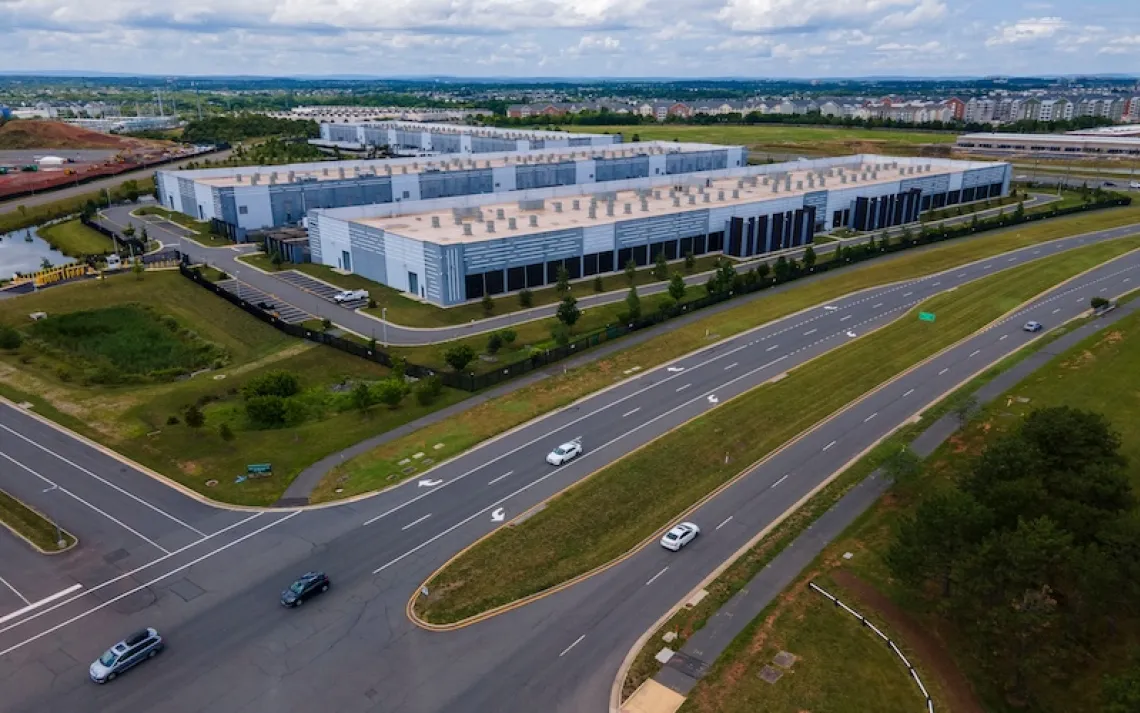
Across the country, public opposition to land-based data centers—some of which span more than 1 million square feet—is at an all-time high amid concerns of rising energy demand, water use, and proximity to residential areas. About 70 percent of Americans are opposed to constructing AI data centers in their communities, according to a March Gallup poll. Another survey found that over half of US adults believe data centers to be “mostly bad” for the environment and home energy costs.
That opposition, and the challenge of finding a solution, is likely a large part of why data center developers are now turning to the ocean, said Nir Kshetri, a professor at the University of North Carolina Greensboro who researches the societal and environmental implications of artificial intelligence.
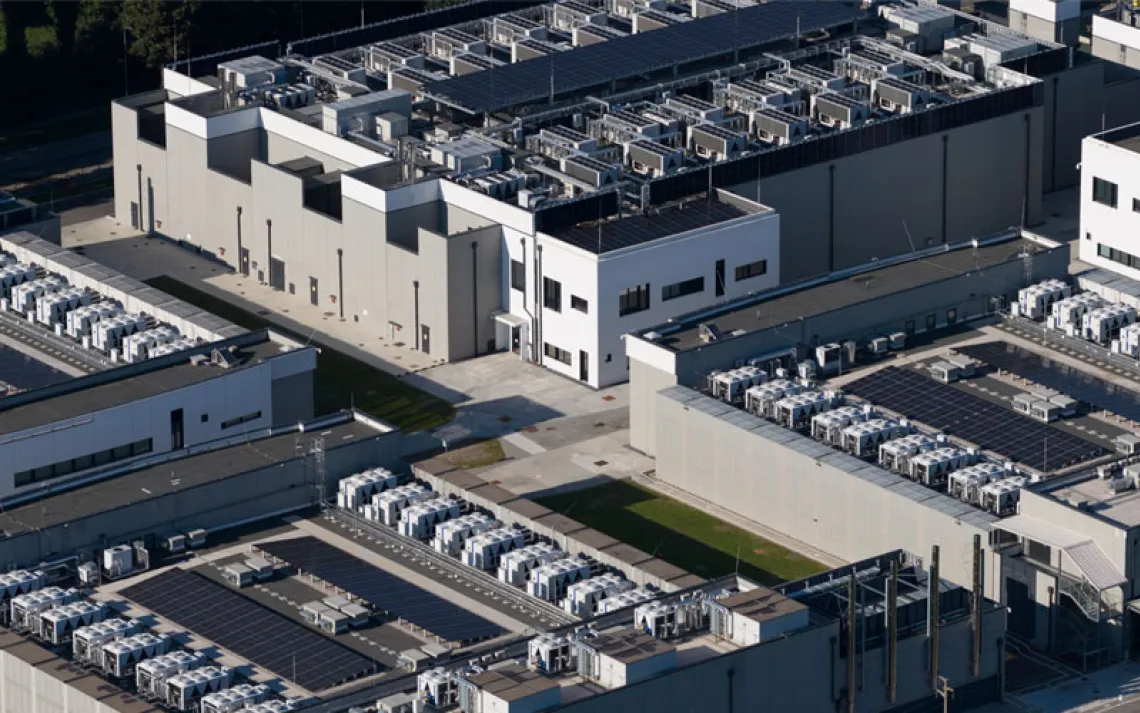
Though DeepGreen’s proposals are the first of their kind in the United States, other countries have begun testing the waters. In June 2025, China built a $226 million underwater data center in Shanghai powered entirely by wind. The facility utilizes seawater to cool computers and consumes about 30 percent less electricity than land-based data centers. A similar project is being proposed in Ulsan, Korea.
“The idea is to see if the water requirement to cool all this equipment—computers, servers—is lower if they move to the ocean,” Kshetri said. A large, land-based data center can use up to 5 million gallons of water per day to cool its computers. That’s the equivalent of providing water to a mid-size town.
Microsoft, one of the world’s largest data center developers, has already researched the feasibility of ocean-based facilities. In 2015, the company constructed an underwater data center off the coast of Scotland’s Orkney Islands. It found that underwater equipment was much more durable than land-based equipment (likely because it wasn’t exposed to oxygen), but the research project ended in 2024. The reason was never disclosed publicly. Microsoft has not built any more underwater data centers since.
Without further study, it’s too early to tell what the impacts of underwater data centers will be, Kshetri said. Still, the environmental concerns that come with land-based operations likely won’t just disappear when they’re moved to the ocean, he added.
For residents in both Maine and Alaska, the unknown is concerning.
“There are a lot of things to be nervous about, and because this is a one-of-one project, we don't have anything to compare it to,” Velveteen said. “We don't know what it's going to do, and we don't want to be the experiment.”
Brittany Fintel, the organizer of a grassroots coalition called Alaskans for Data Center Accountability, expressed similar concern.
“There's really no information,” she said of DeepGreen’s project and possible impacts. Like in Maine, she along with other environmental and tribal groups in Alaska, fear the data center will harm Cook Inlet’s delicate marine ecosystem. Right now, the group’s focus is on reaching politicians and encouraging people to participate in FERC’s public comment period, which ends November 2.
“Then we just wait and see if it will be built.”