 The Magazine of The Sierra Club
Could Data Centers Be a Last Gasp for Gas?
Fossil fuel companies are relying on data centers to extend the use of their product
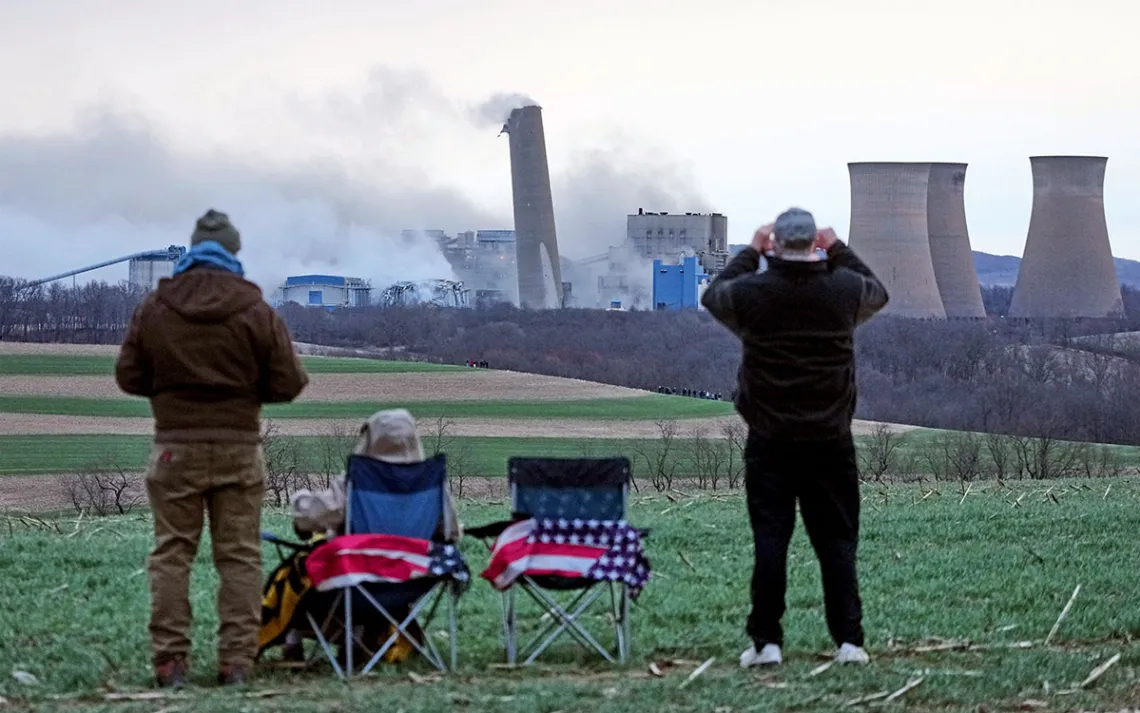
Pennsylvania’s former coal-fired Homer City Generating Station was demolished to make way for a new gas-fired power plant. | Photo by AP Photo/Gene J. Puskar
Jennica Giroux never thought she would move back to Indiana County, Pennsylvania, after college. But every time she visited her quaint hometown, she felt the allure of rural life. So just before she turned 30, she returned to launch a small-scale organic farm with her twin sister, Chloe Drew. After starting a family of her own, Giroux envisioned raising her children surrounded by nature. Most of all, she wanted to create a home they could always return to.
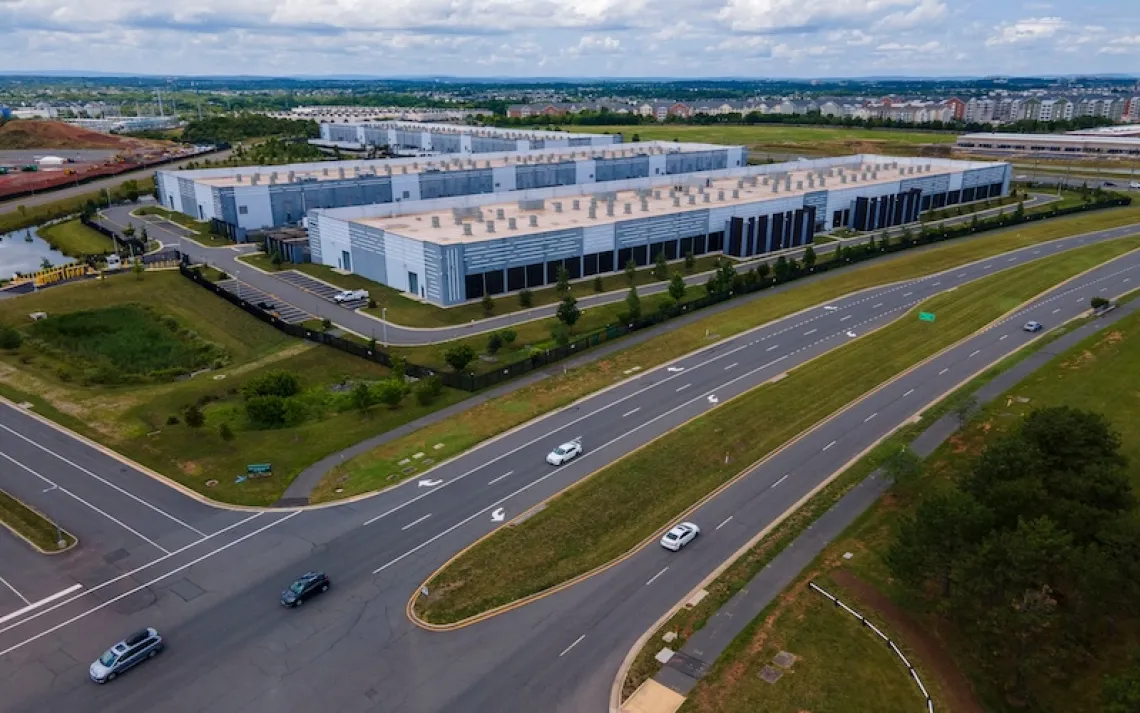
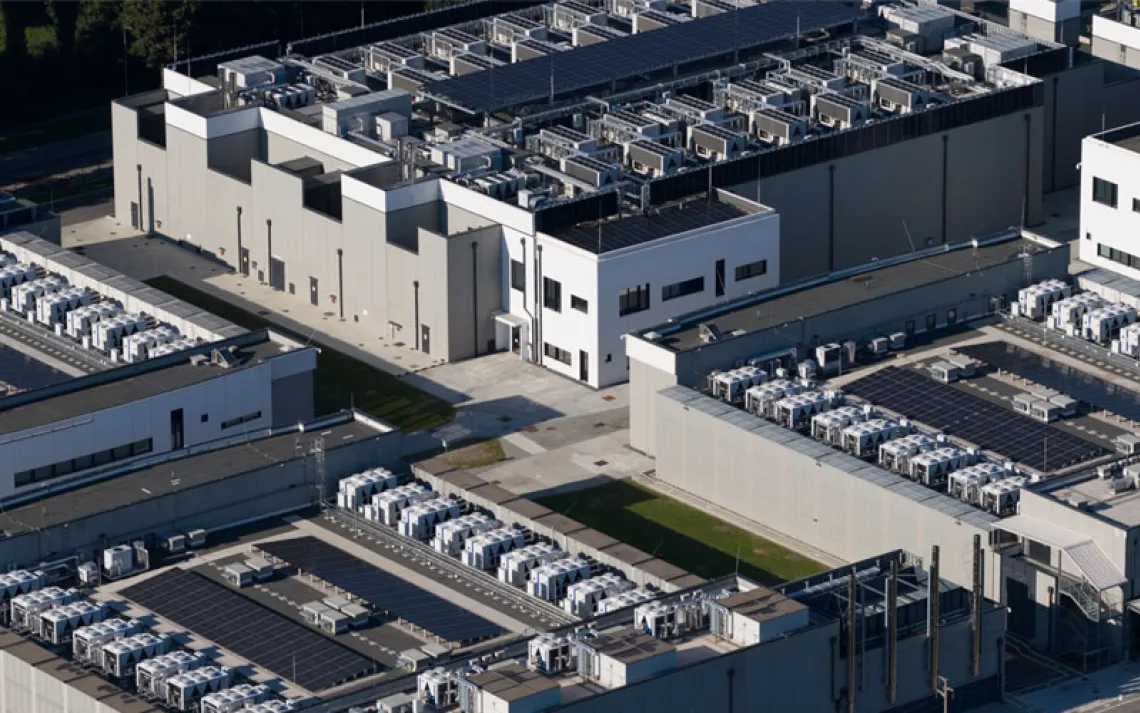
But Homer City Redevelopment is upending that idyllic vision. The developer is proposing a 3,200-acre campus located on the site of a former coal-fired power plant. Rather than drawing on electricity from the grid, a collection of hyperscale data centers would be powered by a four-gigawatt gas-fueled power plant. If it were built tomorrow, it would be the largest gas-fired power plant in the country.
Giroux frets about what this means for Homer City. “I worry that we’ll become a very aging western Pennsylvania Appalachia town that looks like any of the other Rust Belt towns you can see around here that are not thriving,” she said.
It’s no secret that data centers have vast environmental consequences. But far less attention has been paid to the industries poised to benefit from their enormous power needs. As the projected demands from AI rise, some developers are increasingly turning to fossil fuels—particularly gas.
The United States now leads the world in developing gas-fired power capacity, with more than a third of that capacity intended for data centers, according to research from Global Energy Monitor. A report by Cleanview, a market analysis firm, estimated that nearly 75 percent of the power equipment planned for data centers will run on gas. For example, last summer in Bucks County, Amazon sought approval from the Pennsylvania Department of Environmental Protection to install 280 gas-fired generators to power one data center. In other words, AI is an opportunity for the gas industry to keep the country reliant on its product for as long as it can.
The push for gas has been further fueled by a Trump administration plan, released earlier this year, that encourages tech companies to fund, construct, and pay for new gas-powered power plants to support generative AI, rather than connect to the grid. The administration has simultaneously cut clean energy incentives for building out wind and solar—the fastest and most affordable way to increase the grid’s power capacity.
Residents and environmental groups in Homer City fear that the gas power plant could lead to toxic air pollution and public health ramifications for nearby communities. According to the Environmental Integrity Project, the plant could release more than 17 million pounds of carbon dioxide annually. Burning gas also emits nitrogen oxides, which have been linked to heart and lung disease, birth defects, and an increased risk of autoimmune disease. Meanwhile, air pollution from the oil and gas industry is estimated to cause about 90,000 premature deaths in the United States every year.
In December 2025, several environmental groups, including the Clean Air Council, PennFuture, and the Sierra Club, appealed the air-quality permit that the Department of Environmental Protection issued to Homer City Redevelopment. The groups claim that the permit is in violation of the federal Clean Air Act, the Air Pollution Control Act, and the state’s constitution, which gives all Pennsylvanians the right to clean air and water.
“It’s wild to me that in 2026, after a period of slowdown in gas-fired-power-plant construction in the United States, we are suddenly having this giant boom with the biggest, most polluting plants being proposed,” said Alex Bomstein, the executive director of the Clean Air Council. “We have known for so many decades at this point that every new power plant that’s putting out carbon emissions is digging our graves.”
If the projected energy demand for AI doesn’t come to fruition (some research suggests that the demand is significantly overstated), the cost of gas may eventually fall on utility payers, said Sean O’Leary, a senior researcher at the Ohio River Valley Institute, a think tank dedicated to long-term solutions in Appalachia. Between April 2025 and April 2026, electricity rates in Pennsylvania rose by nearly 14 percent—almost double the national average. As of March, consumers in the state were paying on average $175 per month. According to the Pennsylvania Utility Law Project, a consumer advocacy group, one in five Pennsylvanians struggle to pay their utility bills.
The affordability issue is a huge concern for impacted residents, said Sara Majorsky, an organizer with Protect PT, a Pennsylvania-based nonprofit focused on community engagement. “Inflation is already rampant, and people are seeing a lot of costs go up in all areas of their life,” she said. “There’s a lot of historic distrust from people in this area about developers making really lofty promises and then those promises not coming to fruition.”
For more than a century, the coal industry powered Pennsylvania’s economy, but the boom-and-bust cycle of resource extraction led to economic struggles and a legacy of pollution. Similarly, the fracking industry, which at its peak promised hundreds of thousands of jobs, has left entire regions struggling to deal with the impact of abandoned wells, contaminated water, and declining populations.
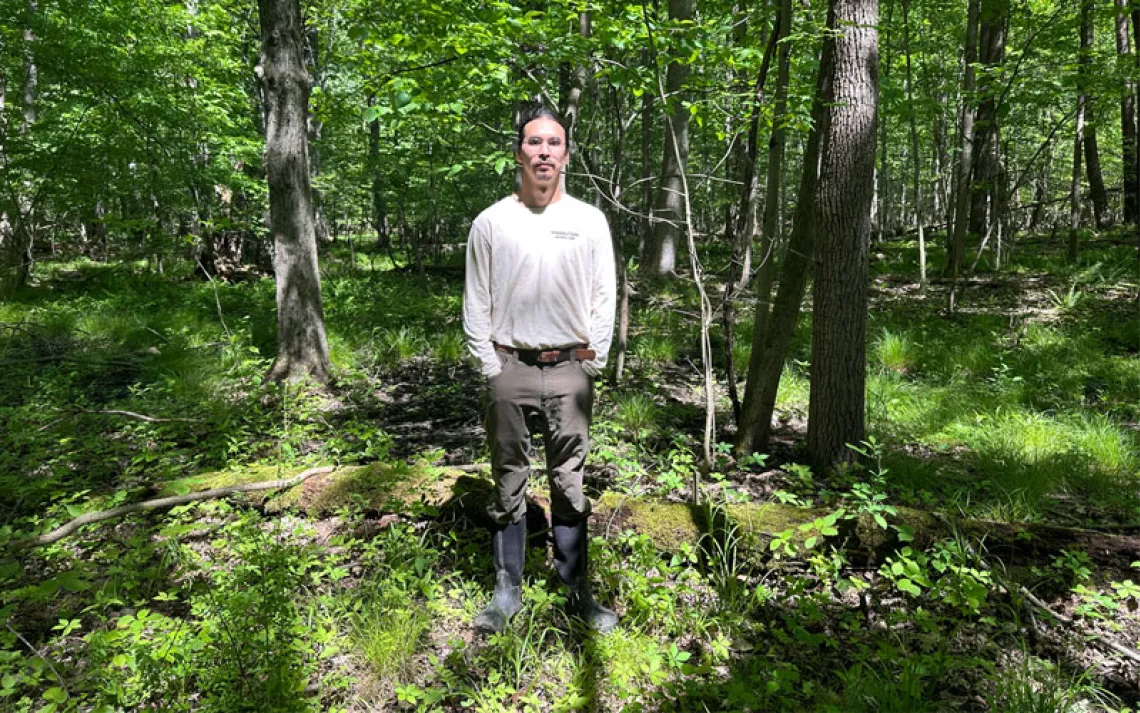
Kurt Limbach lives within 20 miles of five former and current coal plants and about 10 miles from Homer City. Like Giroux, he fears that this revived rush to exploit the state’s resources will lead to more polluted water, land, and neighborhoods. “It’s easier to exploit poor people,” he said. “Because they have less resources in the community to fight back against an outside extractive force that wants to destroy things in their community.”
Limbach and Giroux have been protesting the Homer City plant, attending public hearings and trying to raise awareness among their neighbors. They both want a better future for the next generation.
“When I think about the folks in this community, I would just want them to ask themselves, ‘Who do they truly think is going to benefit from this?’” Giroux asked. “Is the degradation of our already perilous environment worth it to them, worth it to their children?”