 The Magazine of The Sierra Club
Sierra Club and Other Environmental Groups Sue Trump Administration Over Electric Vehicle Charging
The administration is holding up billions of dollars for EV charging projects
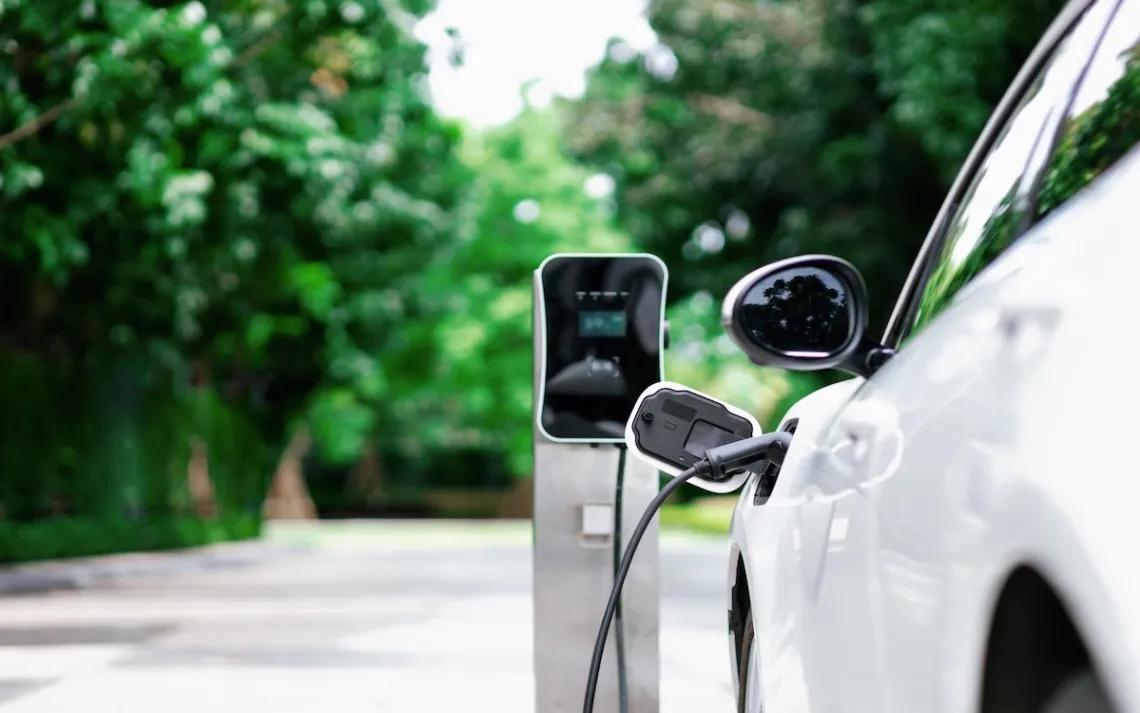
Photo by Ralf Hahn/iStock
Update: On January 23, 2026, a federal judge barred the Trump administration from its effort to block the National Electric Vehicle Infrastructure (NEVI) Formula Program, paving the way for the release of billions of dollars for building reliable, high-speed electric vehicle charging stations across the country.
A coalition of environmental advocacy groups sued the Trump administration today to force the release of more than $2 billion in federal funding through the Charging and Fueling Infrastructure Grant Program. The program provides money to local and state agencies and tribes to fund community charging and transportation corridor projects. So far, the federal government has awarded more than 140 grants through the program, totaling nearly $1.8 billion, to help reduce greenhouse gas emissions and increase mobility for people who drive electric or alternatively fueled vehicles.
Under the Trump administration, however, those funds have been frozen. As a result, transportation projects across the country are in jeopardy. Some that have already received money for design phases have been halted partway through.
The Sierra Club, Climate Solutions, Natural Resources Defense Council, and Earthjustice joined together to sue the administration over the funding freeze. “[Gasoline-powered] vehicles have a baked-in advantage, in … that we have trillions upon trillions of dollars of infrastructure designed to serve those vehicles,” Zachary Fabish, a staff attorney for the Sierra Club said. “There are gas stations everywhere. There are not charging stations everywhere. That's something that this legislation was supposed to address.”
Pollution from burning fossil fuels to power vehicles contributes to the climate crisis, harms the health of millions of Americans, and is especially dangerous for marginalized communities across the nation that live next to major freight corridors. The transportation sector is the largest greenhouse-gas-emitting industry in the United States, contributing between 15 and 20 percent of emissions. One study found that every year, almost 30,000 deaths are associated with fine particulate matter from the transportation sector.
“This is not just a climate change issue. It is not just about people who want to drive EVs. This is a public health issue. [And] this is a democracy issue.”
While demand for electric vehicles is up, the infrastructure needed to make them competitive at a larger scale is still lacking. “This is not just a climate change issue. It is not just about people who want to drive EVs. This is a public health issue,” said Fabish. “[And] this is a democracy issue.”
The Charging and Fueling Infrastructure Grant Program was created when Congress, during the Biden administration, passed the Bipartisan Infrastructure Law. The new legislation appropriated $2.5 billion for the program over five years, delivering one of two major federal funding programs for electric vehicle charging infrastructure. The other—the National Electric Vehicle Infrastructure (NEVI) Formula Program—appropriated $5 billion to build electric vehicle charging stations along major highway corridors and to enable long-distance EV travel across the country.
In May, the Sierra Club, NRDC, and other coalition partners filed a similar lawsuit challenging the Trump administration’s freeze of NEVI. A federal judge issued a preliminary order directing the federal government to release NEVI funding, and the Trump administration restarted the program in August. Today’s lawsuit is being filed before the same court.