By Joseph Siry
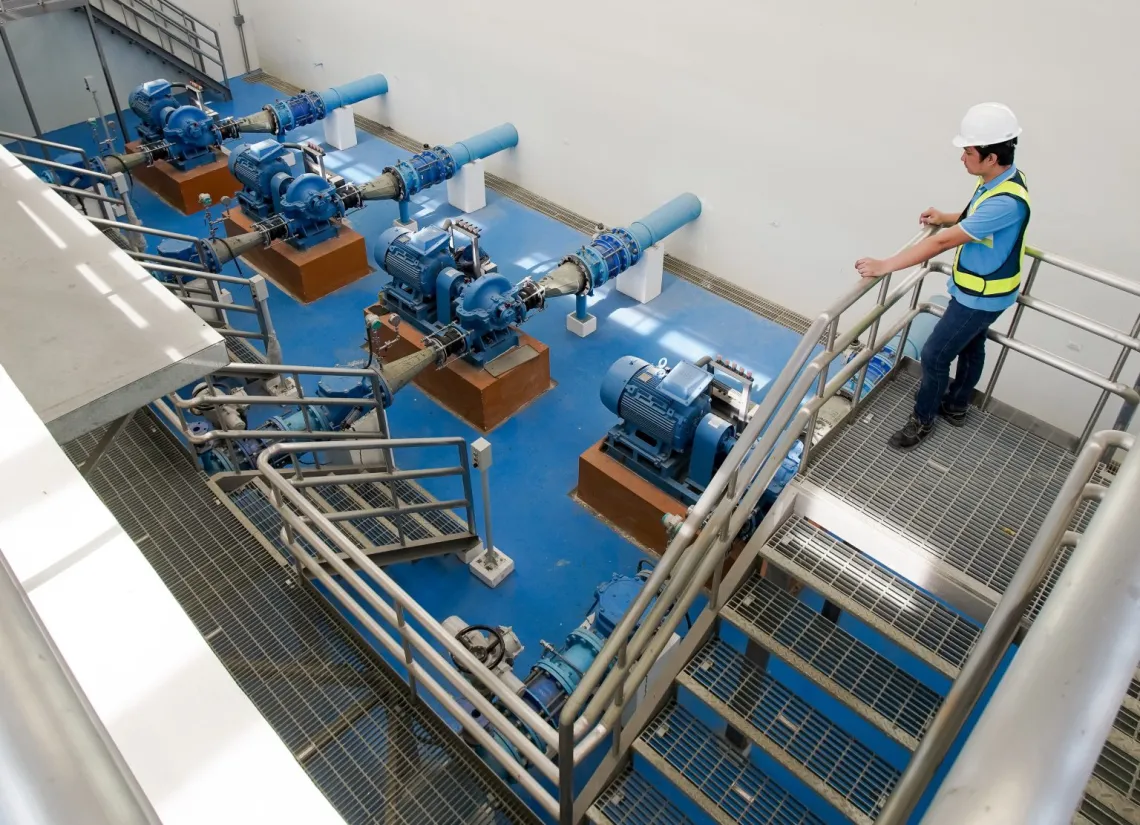
Turn on the tap, and you have reasonably clean water to use instantly. That is because electricity pumps water to your faucets. Electricity is generated by heating water into steam to run turbines unless you use wind or photovoltaic (PV) energy sources for electrical production. Often, these essential connections are not mentioned in public information. Especially in drought-prone places, the simple fact is that you need water for energy, and it takes energy to move, chill, or heat water.
Southern California is in a drought, and parts of the western deserts are in severe drought conditions. We may realize that hydroelectric power production from dammed rivers is diminished in periods of extended drought. Living well in a water deficit region requires enormous use of electrical energy to move water from mountainous northern California to our desert and semiarid regions.
When you fail to consider how energy moves water and water moves the industrial world, arguments about clean air and contaminated aquifers, may be misunderstood. When the technical details get confusing, people are susceptible to disinformation. An example of missing the point occurs when people say PV is no power alternative anyway because it is only available during the day. Well, in a desert (pun intended), by not needing water to make power, solar electricity, like wind power, is a good investment. Cars can be powered as they sit in a lot–baking in the sun—and that stored energy can be used when the sun don’t shine!
Another example is the dispute about photovoltaic-generated electricity. Part of the issue is the siting of the panels that produce the current. Pitting decentralized roof-top PV against centralized PV arrays on open desert lands ignores how PV expansion is already producing excessive amounts of needed power on summer days in California. But worse, the argument ignores the amount of acreage in the West dedicated to parking cars. Why build PV arrays on wild desert lands when parking lots contribute to urban heat islands and remain warm late into the evening? Covering parking lots with PV panels would shade their users and reduce the need for large arrays that interfere with indigenous desert vegetation and wildlife. By not connecting the parts of a puzzle, we open debate to disinformation which benefits the few at great cost to the general public.
Yes, they paved paradise and put up a parking lot, to quote Joni Mitchell’s astute lyrics. There are eight spaces of uncovered parking for every vehicle in the U.S., which means that about five percent of all urban land in the United States is set aside for idle cars, trucks, buses and golfcarts. The US Geological Survey points out that “5.5% of developed land in the lower 48 U.S. states is covered by impervious parking lots.” Besides being great places to site PV, that permitted activity also wastes water in the form of urban runoff. We compound our problems when we fail to link air, water, and electricity and fail to discern solutions readily available for climate-friendly construction. Two years ago, a study revealed one-third of urban Salt Lake City is devoted to parking lots. Oh, but let’s permit PV arrays in the desert because real-estate is cheaper there, despite the costs of uncovered parking lots generating urban heat islands and excessive storm-water runoff! Almost half of San Bernadino’s central business district is covered by parking spaces that could be covered by PV panels rather than the adjacent wild desert.
As the nation retreats from climate-friendly solutions, then abandons the Paris Agreement and refuses to allow agencies to inform you about abrupt climate change or healthy air conditions, this ever-widening denial masks readily available solutions. Right before us, climate-friendly techniques could become more widespread. These solutions save money long-term, create good local jobs, and improve lives by reducing air and water pollution. In Germany, financial arrangements have been created that allow owners to rent their roof-tops to solar electricity-generating businesses, who place PV on their open roofs and pay the lessees for that service. As our temperatures hit record levels, are we not obliged to think in ways that link parts of the problems we face with off-the-shelf solutions? By bickering over clean, renewable, and climate-friendly energy sources, we merely delay affordable remedies instead of protecting the public.
The existing climate catastrophe demands that we unite to promote solutions to reduce our common risks from firestorms, droughts, and flooding. That means taking the challenge seriously by investing in existing technology and re-purposing the very parts of our buildings, highways, and parking lots that threaten our common good. Anything less yokes us to the habits that are already warming the air, acidifying our oceans, and polluting water sources. Improving our civic life depends on serious steps to protect people’s health, livelihoods, and opportunities.