For generations, environmentalists have proven they can make meaningful change. By combining grassroots organizing, lobbying, research, analysis, and litigation, environmental organizations have notched incredible wins for the environment and public health. The Sierra Club’s Beyond Coal Campaign, for example, has been described as the most effective environmental campaign in history. Stopping 200 new coal plants and then replacing existing ones with clean energy has resulted in 72,000 lives saved, 110,000 heart attacks prevented, and more climate pollution reduced than the proposed Waxman-Markey legislation in 2009 or President Obama’s Clean Power Plan in 2015 would have achieved.
It is true that people often connect our success to stopping things that would devastate our environment, climate, and communities like the 500 new fossil fuel power plants planned across the country, or the Trump administration’s attempts to roll back life-saving air pollution standards for cars and trucks. But we have reached an entirely new era in the work to transition off fossil fuels and we must define our role. Clean energy is the lowest cost form of energy and we need to build a significant amount of it as fast as we can. We find ourselves in a new era of environmentalism with a new assignment. In addition to stopping the bad, we must build the good.
I am not the first to define this moment, but it might be surprising to hear this call coming from the nation’s oldest environmental group. I often hear a critique that the same organizations who brought us the Clean Air Act and the movement to stop the Keystone XL oil pipeline are somehow permanently fixed in opposition to building new infrastructure and unwilling to support building what’s needed to power the future. Nothing could be further from the truth. I know because I direct the advocacy work at the Sierra Club, and with 3.4 million members and supporters, we are already working every day to help build the clean energy we need.
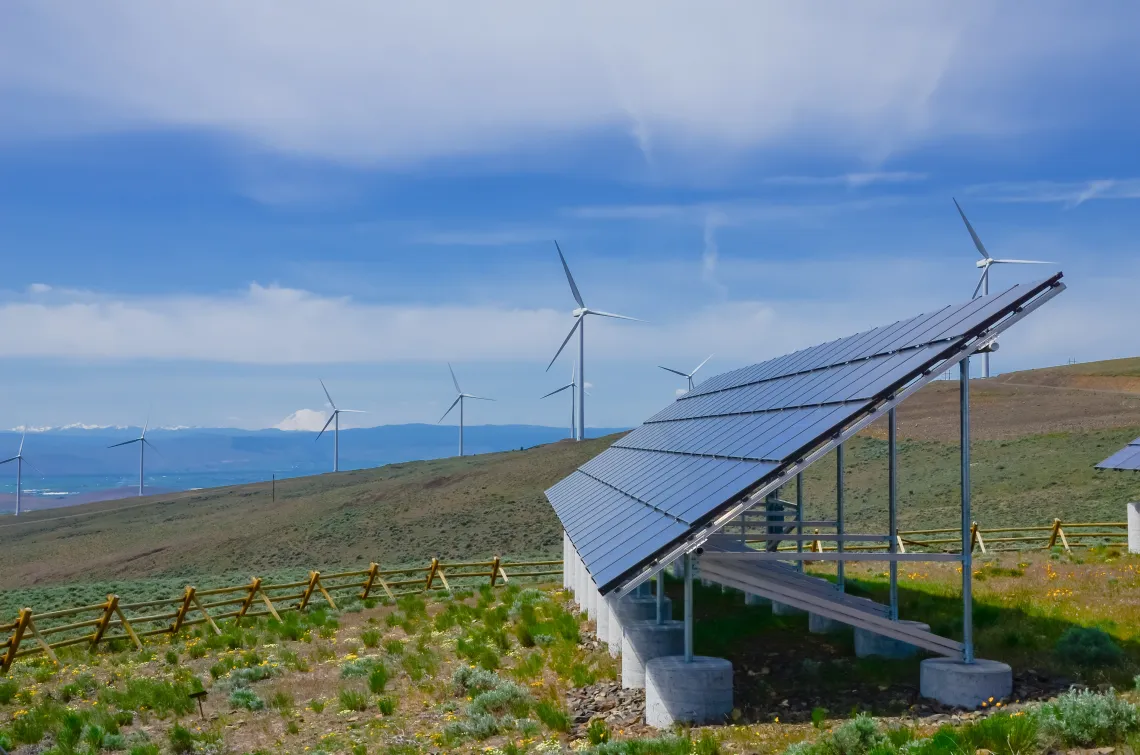
Across the country, Sierra Club is working in communities to build support for specific clean energy projects. We are mobilizing local community members to attend zoning and planning meetings to advocate for new clean energy projects in their communities, like ones in Pennsylvania, Arizona, and New Mexico where local organizing helped shift decision makers from opposition to support for proposed clean energy projects. We are championing transmission lines like the Grain Belt Express, a multi-state line that the Trump administration imperiled by revoking loan guarantees. We are avid supporters of offshore wind, even as some politicians sow division by claiming that we must choose between wildlife and clean energy. And we are partnering with the clean energy and tech industry, including companies like Fervo for the smart development of geothermal. We are, and have been, all in to roll up our sleeves and continue to build support for clean energy.
It is no secret what stands in our way. Under Donald Trump, nearly 146,000 clean energy jobs and more than $75 billion in investments have been lost or delayed, and over 400 clean energy projects have been canceled, delayed, or are now laying off staff. But that is not the only hurdle we face. Local opposition to clean energy is deeply influenced by misinformation, which in many cases is spread through “local” organizations stood up by the fossil fuel industry. As of 2025, nearly one in four counties (755 in total) across America enacted restrictions on large-scale wind or solar projects. We cannot sit on the sidelines while the Trump administration’s actions, combined with fossil fuel astroturfing, put clean energy at stake. This is where grassroots organizing becomes critical, and where environmental organizations are essential.
Misinformation takes many forms, including false narratives about the environmental impacts of clean energy, and long-established environmental organizations like mine can help to rebut this misinformation. More important than information sharing, we must organize in our communities and build authentic, durable, support for projects by listening to concerns, designing local solutions, and tailoring benefits to what local communities need most. Research shows that engaging local people in decisions to site clean energy projects leads to better projects that get built faster, in the right places, with community benefits.
The Sierra Club was founded in 1892 and we know a thing or two about taking on big complex challenges. One hundred and thirty four years later, we still don’t shy away from helping to solve the environmental issues that face us. It’s time to get to work building the good, and the environmental movement will help lead us there.