
AB 306: A Huge Step Back for California’s Building Codes
Newsom and the Legislature Take a Hatchet to CEQA
AB 306: A Huge Step Back for California’s Building Codes

While Californians prepare for another summer with above average temperatures, our legislature quietly passed one of the most environmentally regressive pieces of legislation we’ve seen in years. AB 130 is a budget trailer bill signed into law earlier this month that includes the full language of AB 306, a measure that freezes the implementation of major building energy code updates for new buildings. California’s legislators just voluntarily chose to stall our state’s climate progress.
Under the name of efficiency, the state has blocked cities and agencies from requiring more energy-efficient buildings, resilient cooling systems, and better environmental standards at a time when these policies are critical for both public health and ecological survival.
There were no public hearings on AB 306. No tribal consultation. No environmental review. And no voice given to the very communities CEQA was designed to protect. AB 306 will halt crucial code updates, effectively locking cities into outdated technologies and infrastructure. Without the ability to strengthen building standards, communities are blocked from implementing clean energy strategies that are essential to phasing out fossil fuels. This makes it significantly more difficult to electrify buildings, cut emissions, and protect residents from the escalating impacts of extreme heat
While community voices were left out of this process, the voices of powerful industry groups were clearly heard. The language in AB 306 reflects long-standing pressure from real estate developers and fossil fuel interests who have frequently opposed updates to California’s building codes and energy efficiency standards.
With AB 306, these interests have secured something they have been pushing for over many years: a long pause in environmental oversight and building code improvements. For the next seven years, local and state governments will be blocked from adopting stronger standards that would otherwise help California reduce emissions, improve indoor air quality, and protect residents from the growing dangers of extreme heat.
This is not what thoughtful climate policy looks like. It is a step backward at a time when we can least afford it. If we do not remain vigilant and organized, we risk allowing this kind of rollback to become a lasting feature of how environmental decisions are made in California.
At Sierra Club California, our opposition to these provisions did not come from ideology but from years of experience working alongside communities to defend California’s environment and the people who depend on it. We have witnessed the critical role strong building codes have played in helping Californians withstand the worst effects of the climate crisis, from reducing utility costs to improving air quality and ensuring people can stay safe during extreme heat. These standards have not only saved lives—they have positioned California as a national leader in energy innovation and climate resilience.
In the weeks and months ahead, we will continue working to restore the authority of local governments to adopt stronger energy and environmental standards, to push for oversight and accountability in the implementation of this policy, and to call on lawmakers to uphold the values of transparency, environmental justice, and long-term sustainability that Californians overwhelmingly support.
Newsom and the Legislature Take a Hatchet to CEQA
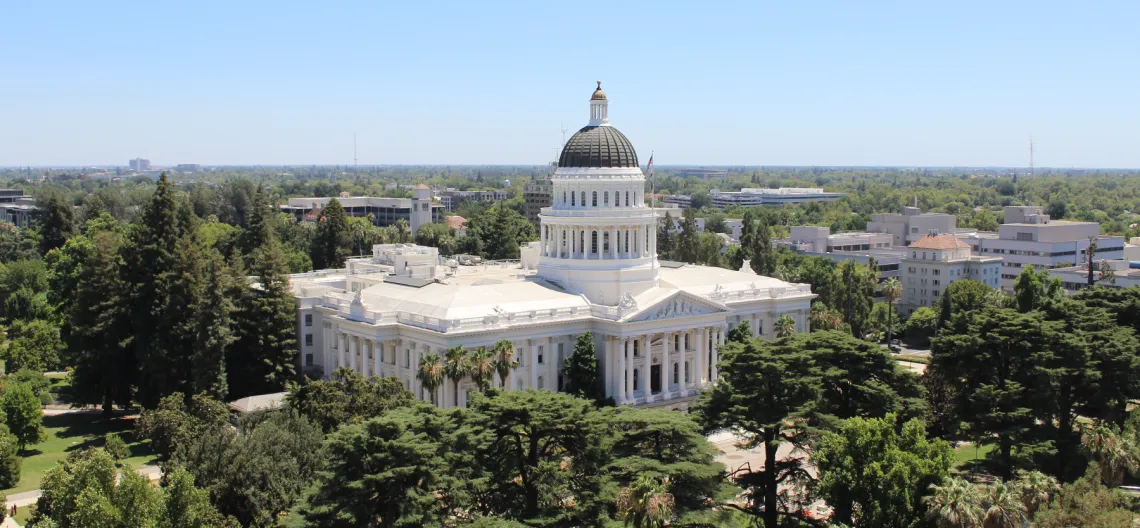
Since 1970, the California Environmental Quality Act (CEQA) has stood as Californians’ “environmental bill of rights,” ensuring that infrastructure is developed in a way that minimizes harm to people and the environment. This week, Governor Newsom and California’s legislative leadership undermined this pillar of environmental protection by forcing broad rollbacks of CEQA through the state’s budget process after closed-door negotiations.
These rollbacks bypassed public policy input entirely, and their negative impacts on communities and vital ecosystems across the state will reflect this opaque process. The bill lacks protections for endangered species and provides a full exemption for “advanced manufacturing” facilities. These facilities are intense polluters, and frontline communities and our state’s ever-expanding list of endangered species will pay the price for these dangerous rollbacks.
Despite misleading messaging, CEQA remains an important tool to ensure that developers and state agencies are completing projects in ways that maximize safety and minimize environmental and public health harms. CEQA is, at its core, a transparency law that allows for democratic decision-making as it relates to infrastructure development. This allows impacted communities and local governmental bodies to weigh in on projects to ensure they’re being planned and developed in ways that protect clean water, prevent toxic soil contamination, and keep California’s air clean and breathable.
When these processes are bypassed, it risks significant harm to our state’s most vulnerable neighborhoods and ecosystems. The exemption for “advanced manufacturing” facilities is aimed specifically at accelerating construction of semiconductor production facilities. These facilities are certainly important to local economies, however building them with utter disregard for their impact on local communities is extremely shortsighted.
Santa Clara County has 23 active superfund sites that resulted from semiconductor facilities that leaked toxic chemicals, including arsenic, lead, and chloroform into local groundwater. These clean-up sites, such as those in Sunnyvale and Mountain View, are within commercial and residential communities. Many Californians live adjacent to these sites, and they and their families are at risk from toxic pollution. Countless other Californians could be impacted by future semiconductor projects that face no environmental review under these CEQA exemptions.
CEQA also helps mitigate infrastructure projects’ impacts on the environment, and is the public process through which protections for endangered species are exercised under the California Endangered Species Act. In CEQA environmental reviews, local agencies review project sites for evidence of endangered species habitats, and are required to analyze how a project would impact them. The lack of protection for these habitats in the broad CEQA exemptions included in this legislation mean that the public process that the California Endangered Species Act relies on is no longer required. Projects developed near threatened, rare, and endangered species habitats will no longer have to take any steps to avoid these harms. This would result in untold consequences for California’s natural spaces and wildlife.
Despite the cherry-picked examples that developers and special interest groups elevate to highlight NIMBY groups’ abuses of CEQA to delay projects, litigation under CEQA is exceptionally rare. The Rose Foundation found that just 1.9% of CEQA projects faced legal challenges from 2013-2021, and just under a quarter of that small percentage related to housing projects from 2019-2021. CEQA is not an anti-housing law, it is a pro-environment law. The legislation signed this week takes a jackhammer to the bedrock of environmental protections in California.
These rollbacks come as the Trump Administration is deregulating the National Environmental Policy Act (NEPA), a national law that provides parallel protections to CEQA. Unfortunately, California’s political leadership has taken a page out of Trump’s playbook. Their strategy of passing these rollbacks to environmental and community protections behind closed doors is a fundamental abuse of the budget process, just like President Trump’s flagrant violations of our Constitution.
Newsom and the legislature’s shortsighted decision to roll back 55 years of CEQA protections will undoubtedly manifest in faulty projects that will endanger frontline communities, workers, and ecosystems. Senate President Pro-Tempore McGuire and Senator Wiener highlighted these concerns related to the legislation’s exemptions for advanced manufacturing and lack of protections for endangered species – they must make these amendments in a clean up bill.
Follow Us:
  |
Thank you for being a part of our work! Consider making a monthly donation. You may securely donate online or by sending a check to Sierra Club California at 909 12th Street, Suite 202, Sacramento, CA 95814.
