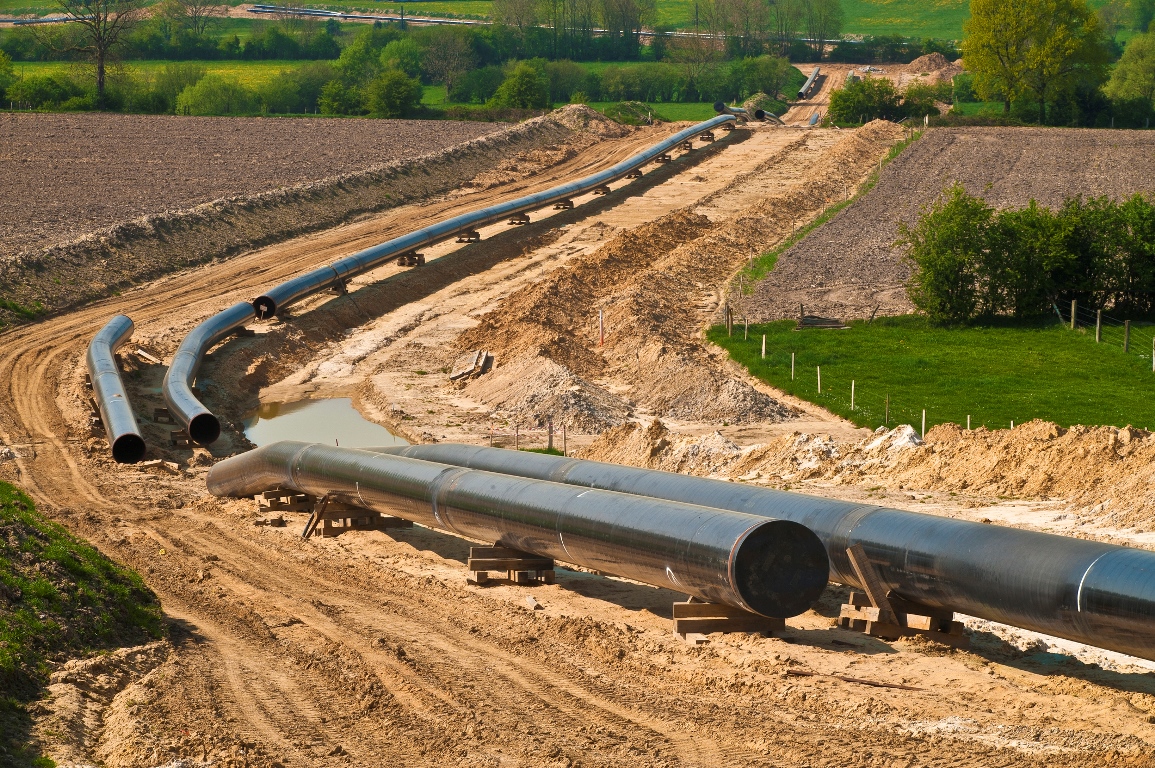
Blocking Dirty Oil Infrastructure

In Setback for Enbridge, PUC Rules Line 3 Review is Inadequate

Whether it moves by pipeline, by rail, or by tanker, tar sands and other oil is polluting, highly combustible, and dangerous to communities and our climate. In order to avert the worst of the climate crisis and protect our communities from devastating explosions and oil spills, we must stop the industry from building any new oil infrastructure. After more than a decade of advocacy, legal challenges, and organizing in partnership with local communities along the pipeline route and across the country, we successfully blocked the proposed Keystone XL tar sands pipeline. Now we are continuing to apply those same tools to winning fights against other pipelines, oil train terminals, and oil export facilities across the country.


Read more:

Watch:


May 31, 2017

Columbus, OH -- Today, the Federal Energy Regulatory Commission (FERC) notified Energy Transfer Partners (ETP) that it was conducting an investigation into the construction of the fracked gas Rover pipeline. The investigation comes as the Ohio EPA discovered the presence of petroleum hydrocarbon constituents, which are commonly found in diesel fluid, among the fluid ETP spilled near the Tuscarawas River during construction.

September 10, 2017

Today, the Minnesota Department of Commerce submitted testimony to the Minnesota Public Utilities Commission (PUC) on Enbridge’s certificate of need application for its proposed Line 3 tar sands pipeline expansion project. The PUC will be accepting public comments over the next few months and is expected to make a decision next spring.