The goal of the Beyond Coal Campaign is to replace most polluting energy sources -- such as coal, oil, and gas -- with clean energy sources that don’t pollute our air, don’t have volatile price spikes, and don’t contribute to climate change.
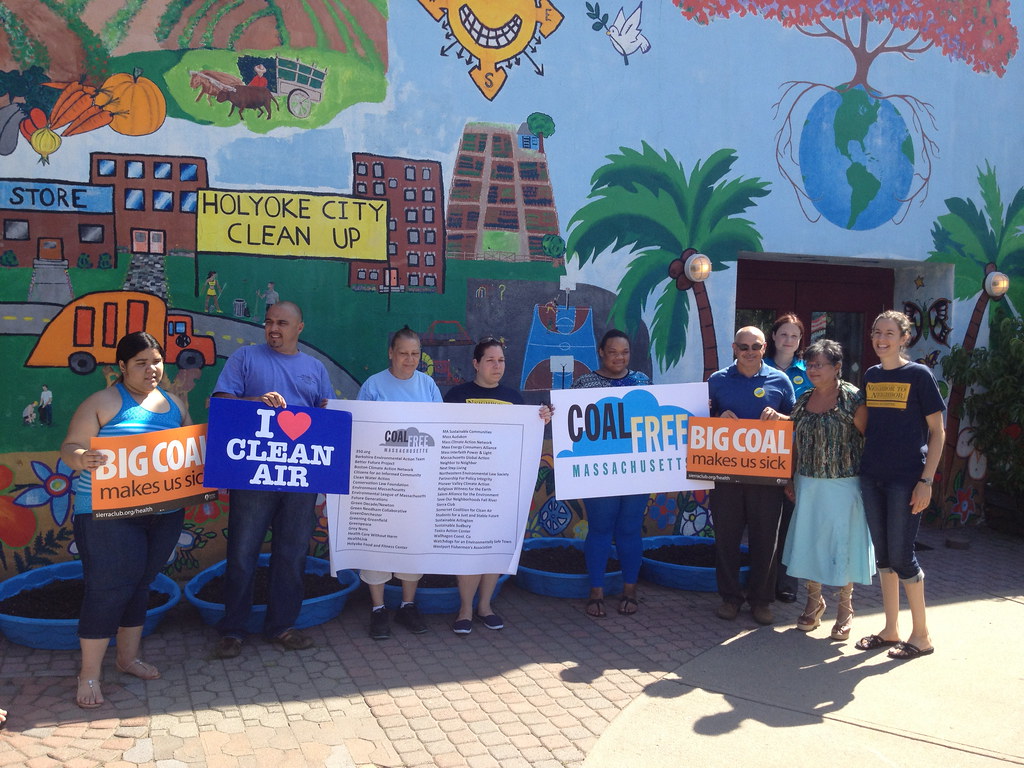
In 2025, our chapters and organizers helped engage the public to show that we want clean energy in our communities. In 2026, our goal is to build public support for 20 gigawatts of locally-sited utility-scale wind, solar, and battery energy storage projects across 25 states, and to support enabling conditions and policies for a resilient clean energy economy.
Solar Power: Energy from the sun is now one of the cheapest ways to produce electricity. Solar panels can be installed on rooftops, balconies, and built at larger scale to power entire communities. Both approaches help lower energy costs and give people more control over their electricity bills. Programs like community solar are also making it easier for renters and families to benefit from solar without installing panels at home.
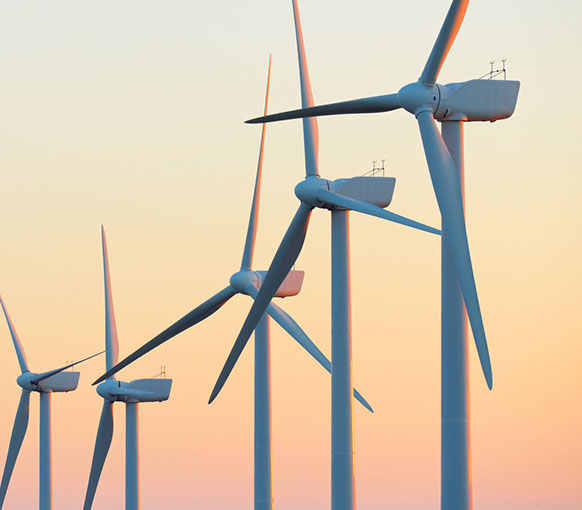
Wind Power: Wind energy uses turbines to turn moving air into electricity. It is the largest clean energy source in the United States -- and one of the most affordable. Wind farms can be built on land or offshore and are already providing low-cost power to millions of homes. Wind turbines provide reliable and consistent power, often at times that complement solar power - such as at night and during winter months. Unlike conventional power plants, which, if they fail, tend to take their entire capacity offline, when wind power goes down, maintenance can be performed on a few turbines without impacting the others.
Offshore Wind: Massive wind turbines allow us to capture the strong and consistent winds over the ocean and deliver power to dense populations on the coast. We made big strides under the previous administration to catch up with other countries like the UK,Norway and China that have already developed significant offshore wind projects; that progress is being rolled back under the current administration.
Battery Energy Storage: Batteries help solve one of the biggest challenges with renewable energy: making sure power is available whenever people need it. Batteries store extra energy produced during the day and release it at night or during times of high demand. This helps keep the grid stable and lowers costs by reducing the need for expensive, polluting backup power - like gas peaker plants. It can also help reduce the need for expensive transmission by allowing us to move energy closer to the people who need it and storing it until it can be used.
Transmission: Transmission lines are the wires that carry electricity across long distances. To make clean energy work for everyone, we need more of them. Building more transmission allows us to move low-cost clean energy from where it’s produced to where it’s needed, helping lower bills and improve reliability across entire regions.