National Monuments

National Monuments

National Monuments

Protecting existing monuments, expanding these cherished spaces, and fighting for new monuments is an important piece of Sierra Club's conservation work.


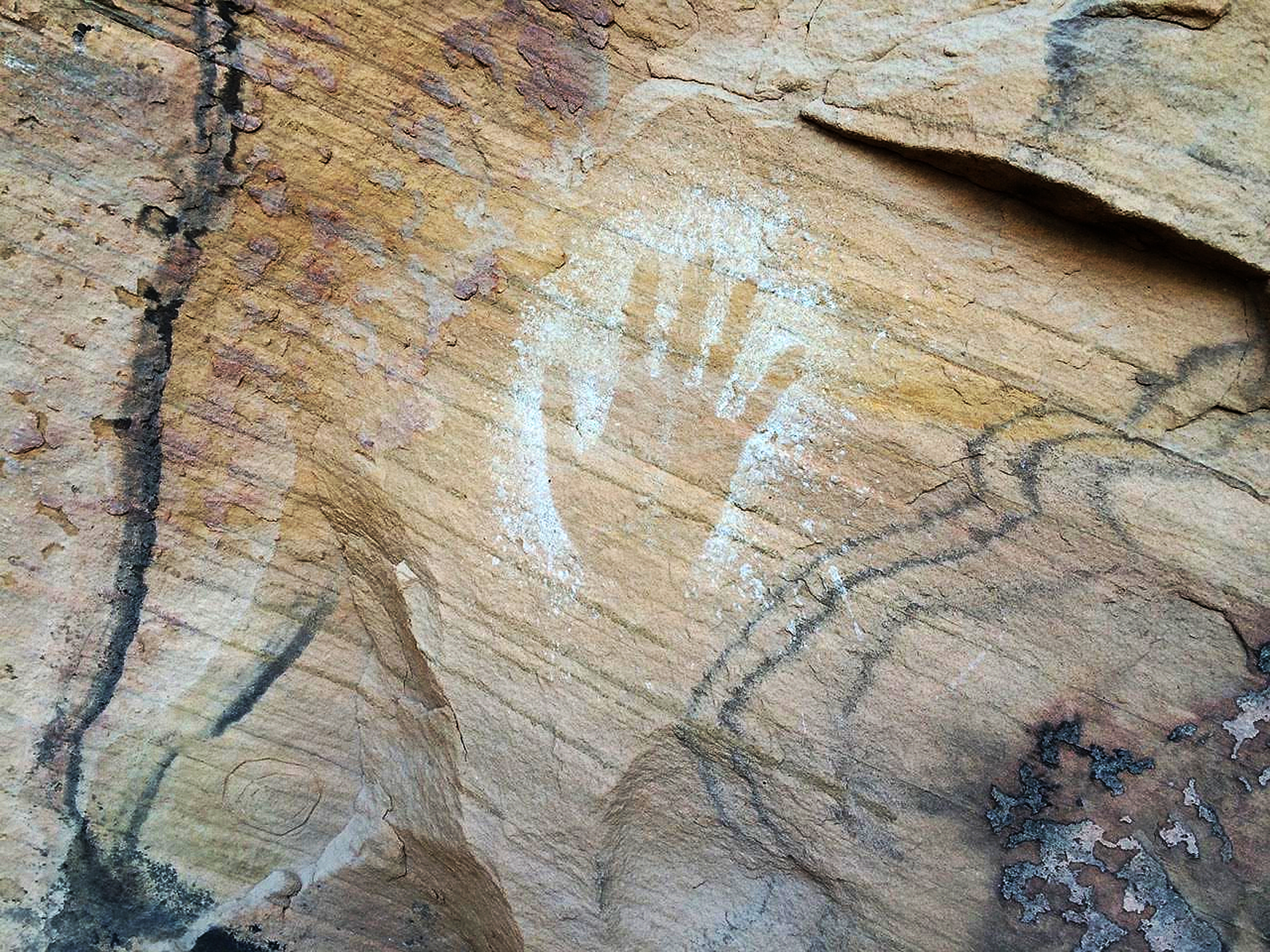
Allen Canyon area Hand print Bears Ears National Monument

What is a national monument?

National monuments are lands and waters designated for permanent protection by the federal government. They are widely popular across parties. They include areas of important natural, cultural, and historic resources, from geological wonders to sacred Indigenous landscapes to sites that have shaped our history.

Unlike national parks, which only Congress can designate, national monuments can be established by the President. We must fight to keep these places protected! Trump is attempting to dismantle monuments like Bears Ears and Grand Staircase Escalante. We're fighting to safeguard these places in court!.

The United States has over 130 national monuments that are managed by federal agencies. While most are managed by the National Park Service, some are managed by other agencies like the US Forest Service, the US Fish and Wildlife Service, and the Bureau of Land Management.

Canyon of the Ancients National Monument

Why are monuments important?

National monuments are protected lands, waters, or historic sites that safeguard our natural, cultural, scientific, and historic resources and legacies. They are an important tool for protecting public lands and waters for generations to come.

National monuments are also part of our response to the climate crisis. Conserving 30 percent of US lands and waters by 2030 will protect the air we breathe, water we drink, and provide a powerful climate solution. Preserving wildlands will protect vital habitats for imperiled species and save more places to connect with nature. Safeguarding places of cultural and historical significance will help honor the stories, sites, and landscapes that make us who we are.

What We Are Doing

Paria Rimrocks, Grand Staircase-Escalante National Monument, Utah

The Sierra Club has been pivotal in the conservation and expansion of national monuments for more than a century, reflecting a broader commitment to preserving natural landscapes, combating climate change, and ensuring everyone’s history and connections to US lands are honored and celebrated.

Right now, Donald Trump, the billionaires who bought access to him, and their allies in Congress are waging an all-out assault on our parks and public lands, firing thousands of federal workers who steward these landscapes, shredding conservation protections for fragile ecosystems and places, and seeking to overturn more than a century's worth of conservation history. Their goal is to give public lands to corporate polluters and billionaires to mine, drill, log, and pollute as they please — activities that effectively block access to public lands for everyday people.

We must use every tool at our disposal, from the courts to pressuring our leaders to collective action, to stop this polluter giveaway. Every victory we've won to protect the places we hold dear has been thanks to the grassroots support of advocates like you who have written a letter, called your legislators, attended an event, posted on social media, talked to friends and family, donated, and so much more.

What You Can Do

February 4, 2021

Utah— Today, the Southern Utah Wilderness Alliance (SUWA), Natural Resources Defense Council (NRDC) and Sierra Club released a report that highlights how the America’s Red Rock Wilderness Act would play a vital role in slowing the extinction and climate crises. 

January 28, 2021

Utah— On Thursday, Feb. 4, climate experts will host a telepresser to release a new report on how the America’s Red Rock Wilderness Act would play a vital role in slowing the extinction and climate crises, and helping to achieve the Biden administration’s goal of protecting 30% of America’s lands and waters by 2030. 

27 de enero de 2021

El Presidente Biden emitió una orden ejecutiva para avanzar la conservación, agricultura y reforestación. Una parte crucial es el Cuerpo Climático Civil —inspirado en el Cuerpo de Conservación Civil de Franklin D. Roosevelt.

January 27, 2021


January 27, 2021

As part of promised swift action on the climate, today the Biden Administration is expected to announce it will pause new oil and gas leasing on public lands and waters, review existing leases and permits, and increase offshore wind renewable energy development. Taken together with the existing 60-day pause on fossil fuel development, which includes an examination of the federal coal leasing program, the order makes significant progress in addressing climate emissions from public lands.

21 de enero de 2021

El Presidente Biden firmó ayer una orden ejecutiva que rescinde la declaración de emergencia nacional de Donald Trump que usó para imponer un muro fronterizo con fondos militares.

20 de enero de 2021

En su primer día oficial, la administración Biden emitió una orden ejecutiva para anular varios debilitamientos de salvaguardas ambientales y de salud pública del gobierno previo.

January 19, 2021

Biden will consider restoring protections for Bears Ears, Grand Staircase-Escalante National Monuments, Northeast Canyons and Seamounts Marine Monument

January 15, 2021

The Trump administration is expected to release today a final proposal to transfer ownership of Oak Flat, a sacred land to a dozen Indigenous Tribes, to a mining company with ties to the destruction of an Aboriginal site in Australia. The move comes just days before Trump leaves office and comes despite years of opposition from Apache-Stronghold, the San Carlos Apache Tribe, and other Tribal entities, religious leaders, locals, and environmental groups.

January 13, 2021

Today, the Trump administration’s Bureau of Land Management released a proposal to undermine conservation protections in the California Desert Renewable Energy Conservation Plan (DRECP). The proposed rollback will make the land more accessible to mining and development interests, and its reopening is widely objected to by conservation and community groups, including California Energy Commissioner Douglas. The original management plan was a result of 8 years of negotiations by over 50 stakeholders that included dozens of public meetings and thousands of comments; it carefully balances…