While we wait (and wait, and wait) for action, we deserve to know where legislators stand on legislative solutions for rampant data center development in Michigan. So we’re asking every single Michigan state lawmaker to go on the record with their stances on three key issues:
Whether they support a temporary statewide moratorium.
Whether they would vote for strong regulations.
Whether they would vote to repeal the data center tax incentives.
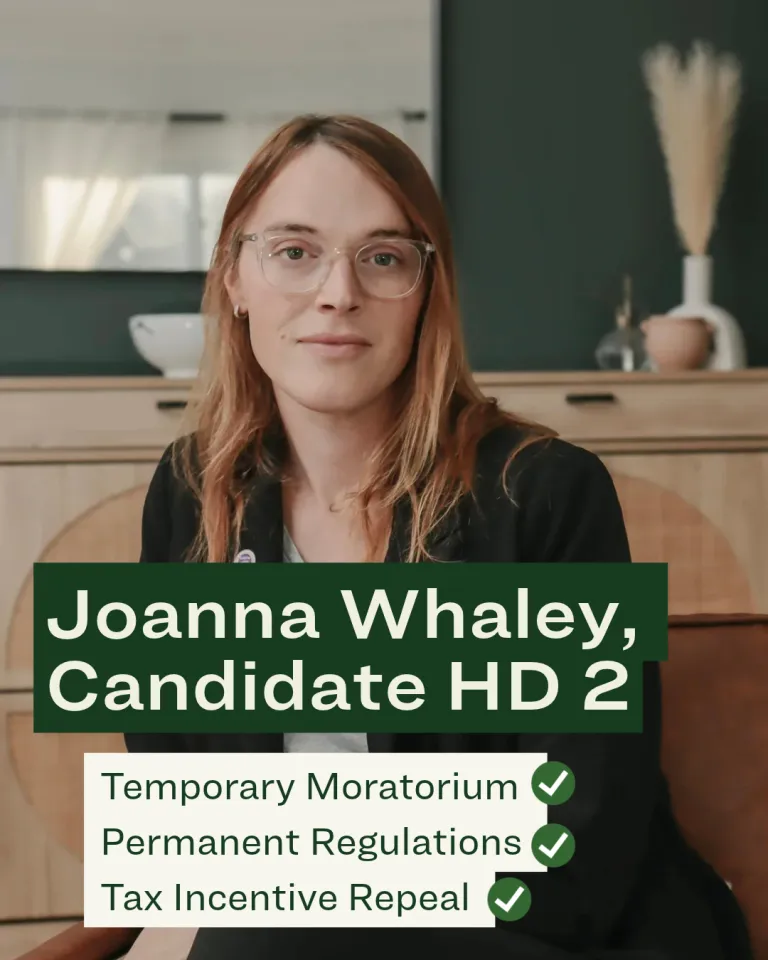
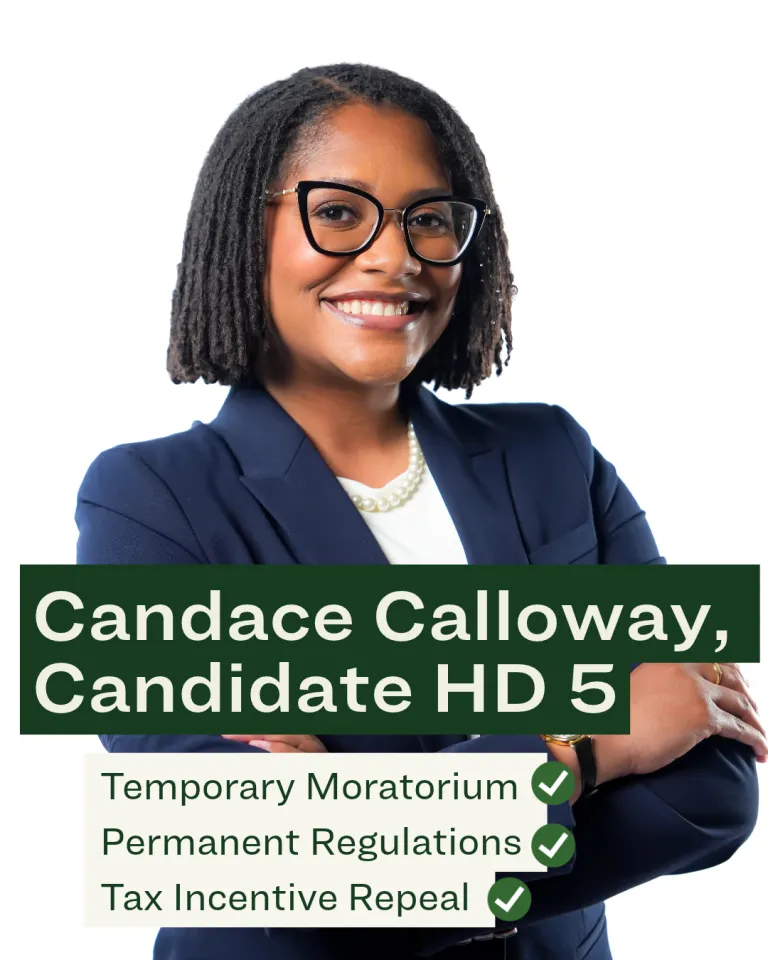
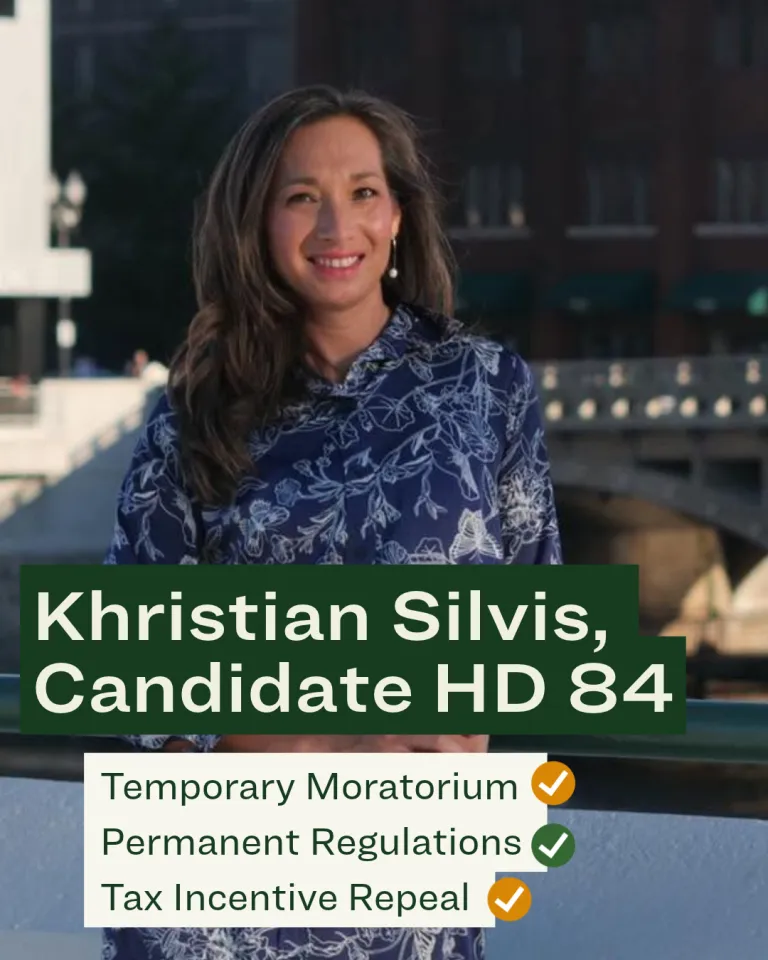
You’ll see these three issues listed along with each lawmaker's photo, with an icon next to each indicating their stance. The key for those icons is below.
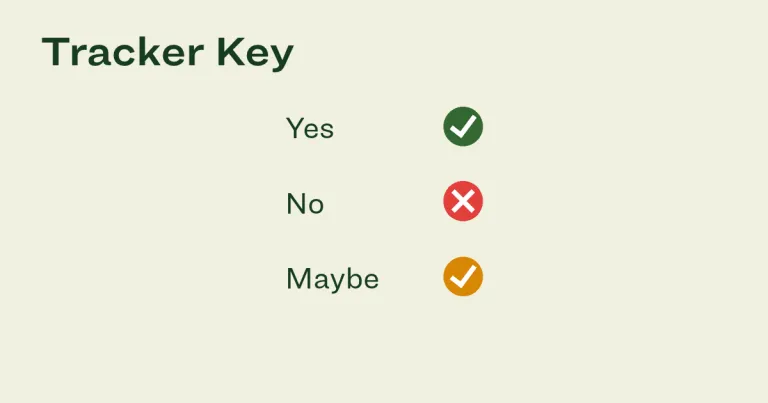
This list is crowdsourced with YOUR HELP. Don't see your lawmakers? Reach out to them now and tell them to GO ON THE RECORD with their data center stances.
Contact your lawmaker
Current Michigan State Representatives
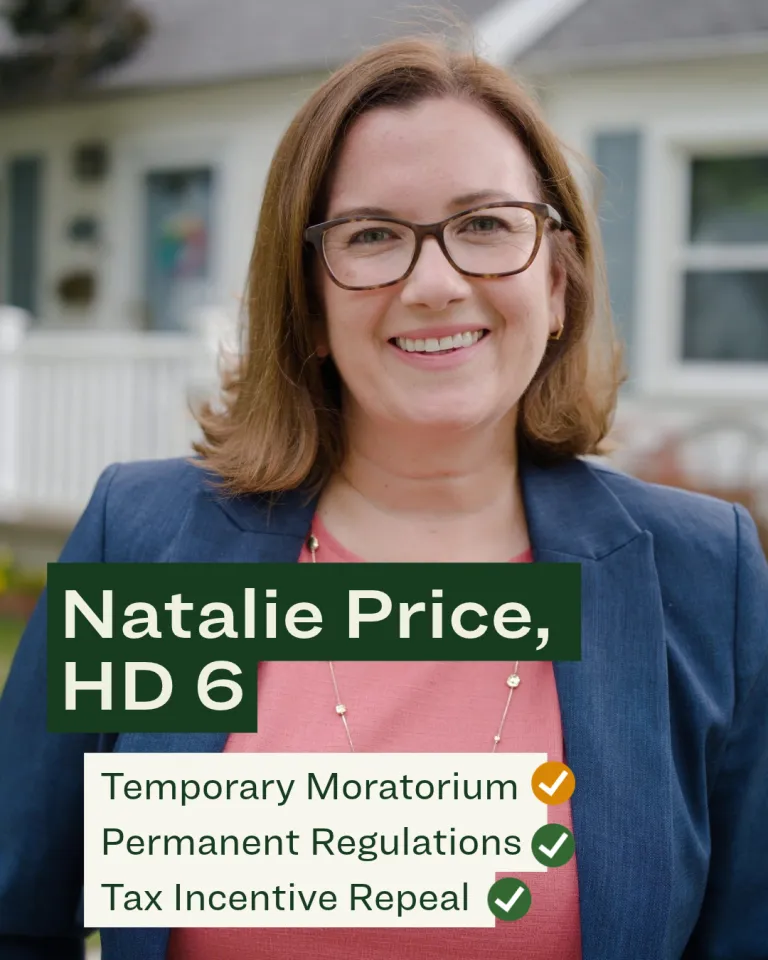
DetailsI feel strongly that it is a better use of our time and energy to pass strict regulations right now, but I will not stand in the way of a moratorium if it is on the board. |
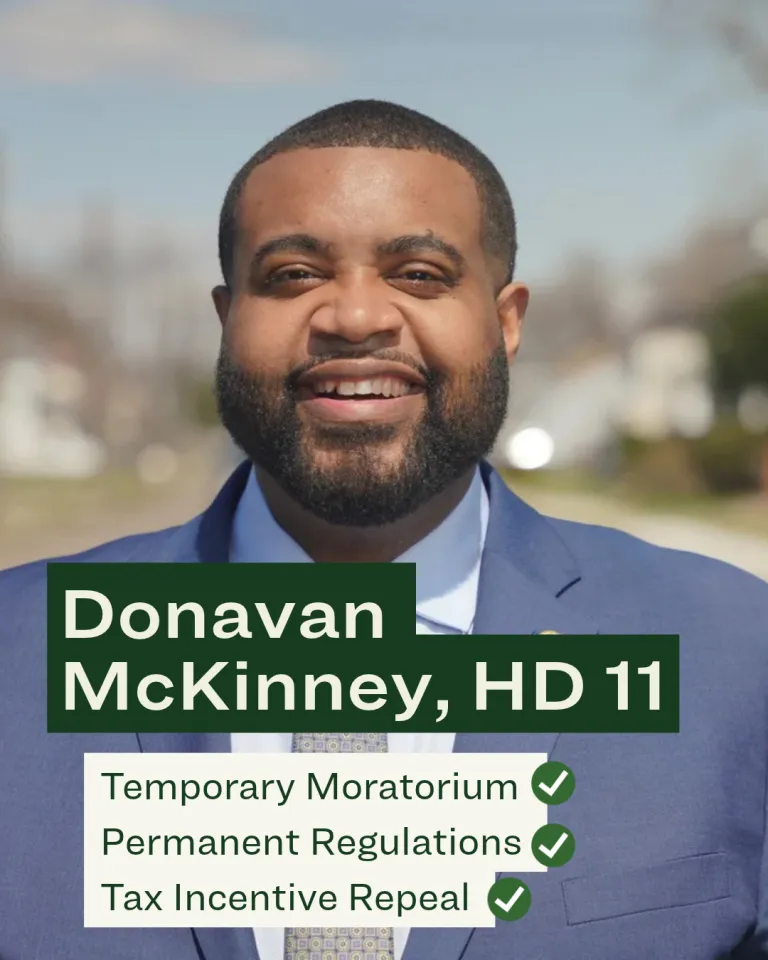
Details
|
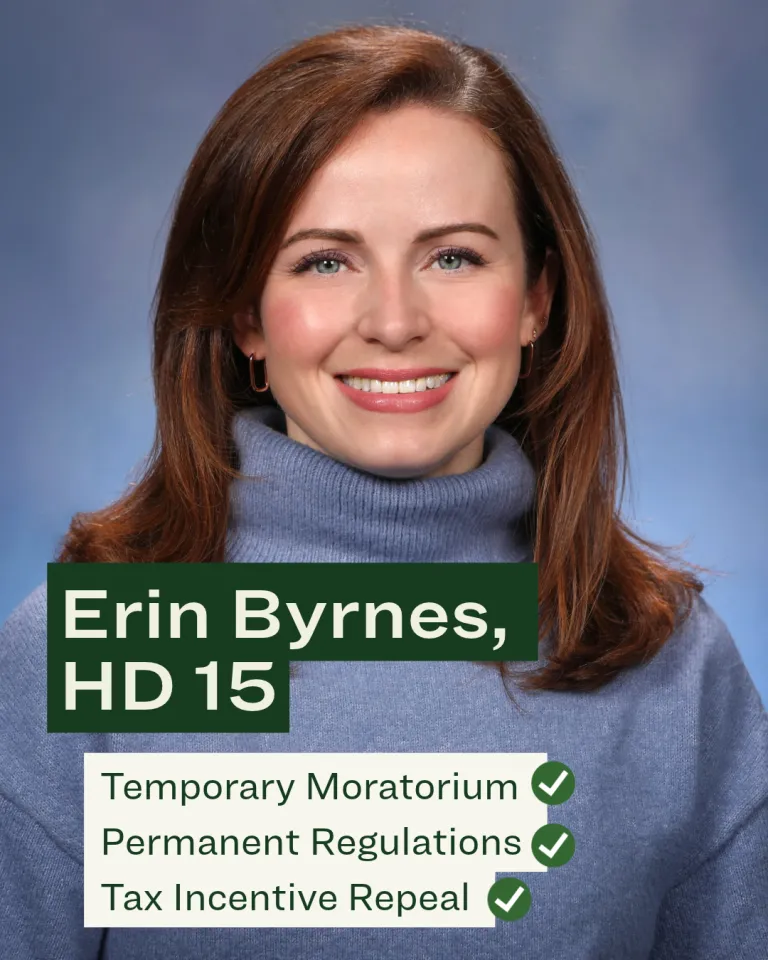
Details
|
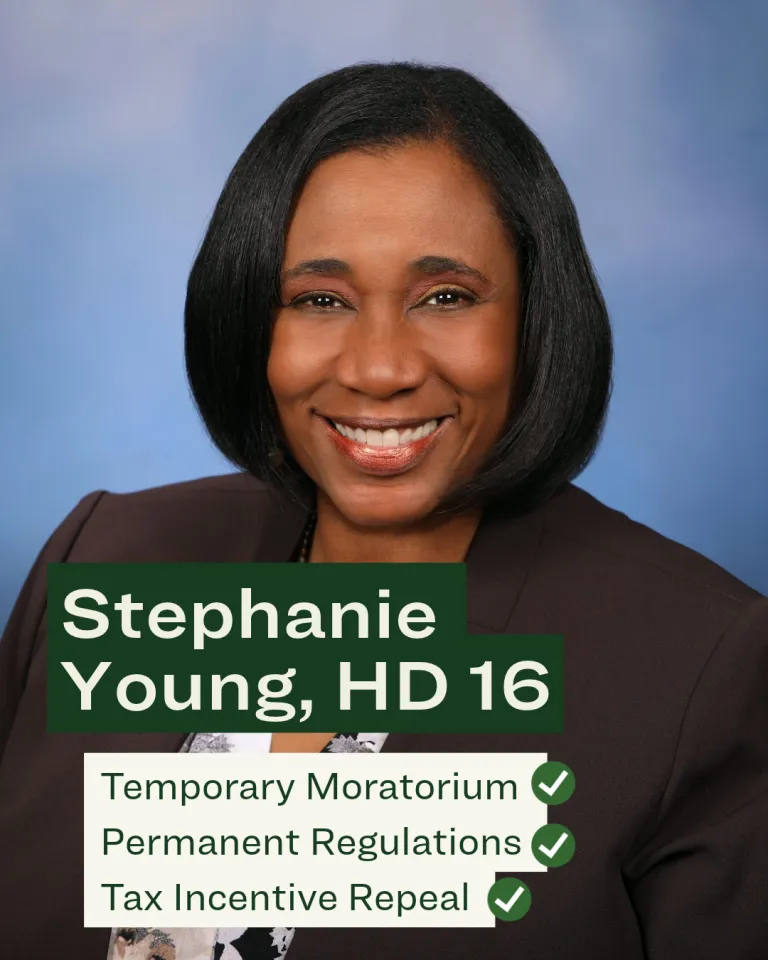
Details
|
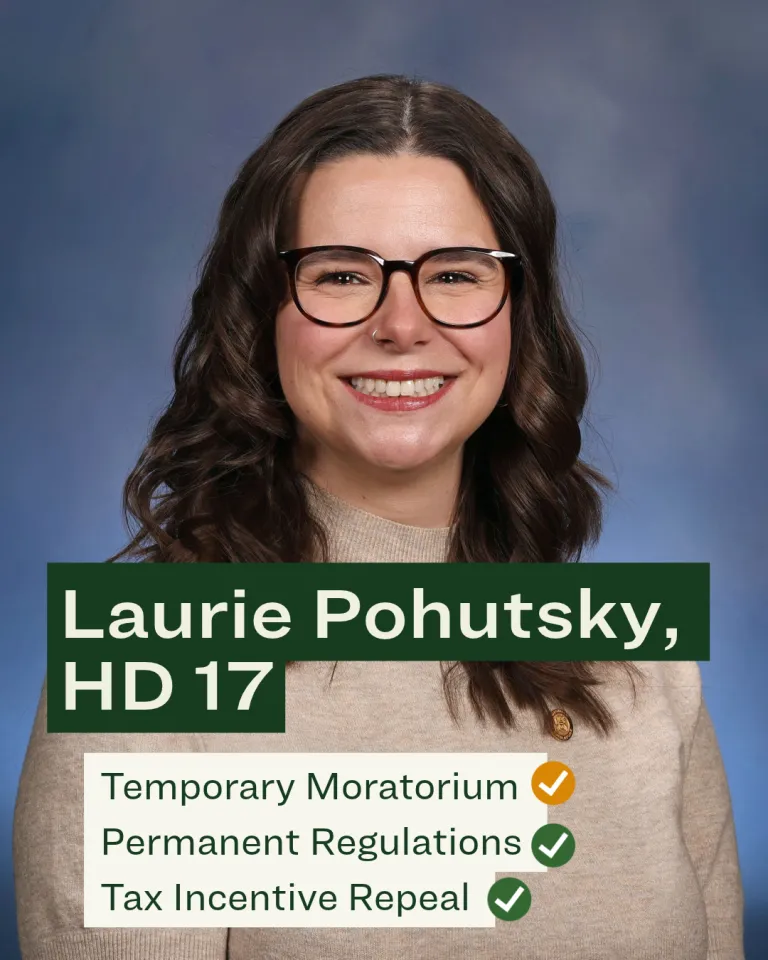
DetailsI'm not opposed to a temporary moratorium, but my only concern is that the legislature tends to use moratoriums, sunsets, etc. as a way to delay dealing with an actual problem, so I would want there to be ongoing work around other policies at the same time as a moratorium so that when the moratorium expires, there are laws in place to address the underlying issues with data centers. |
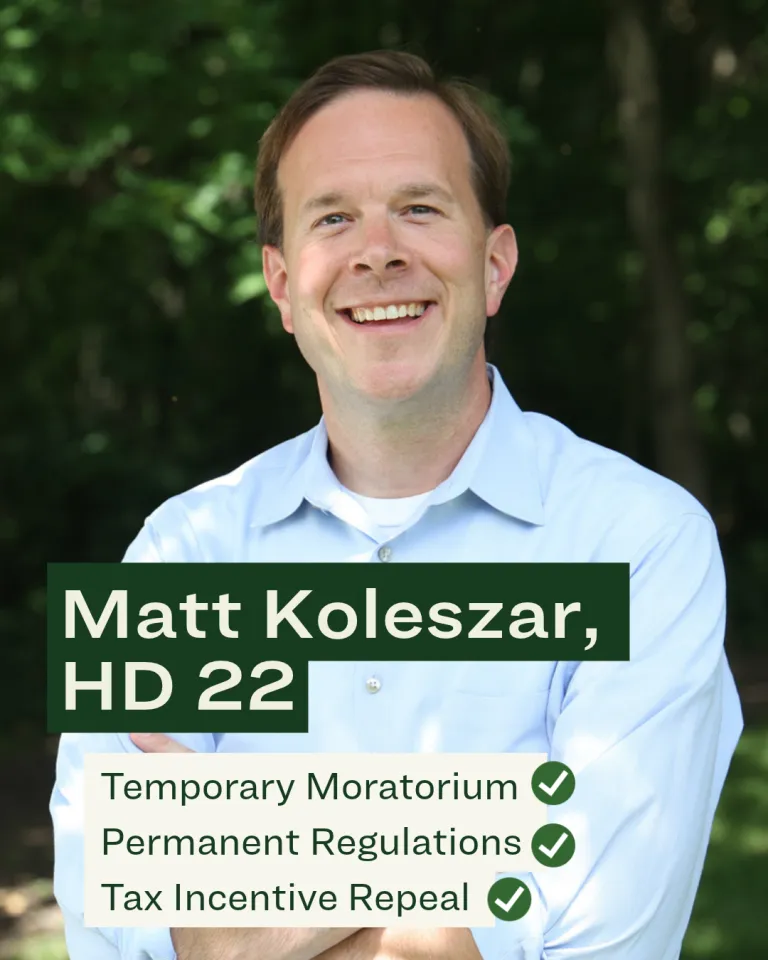
Details
|
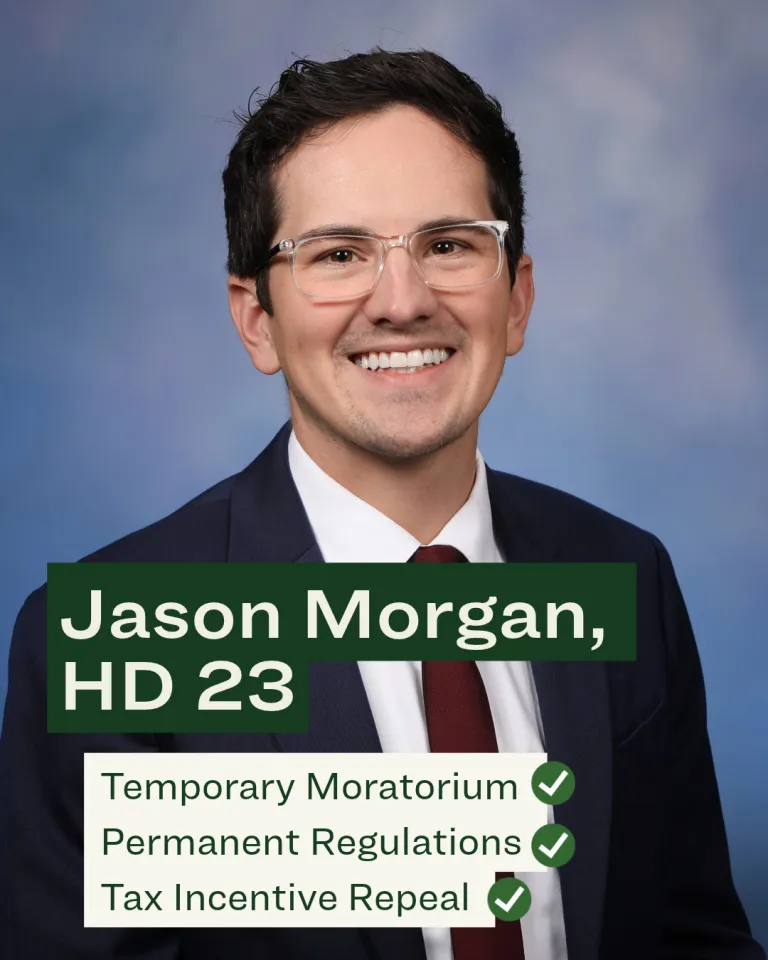
Details
|
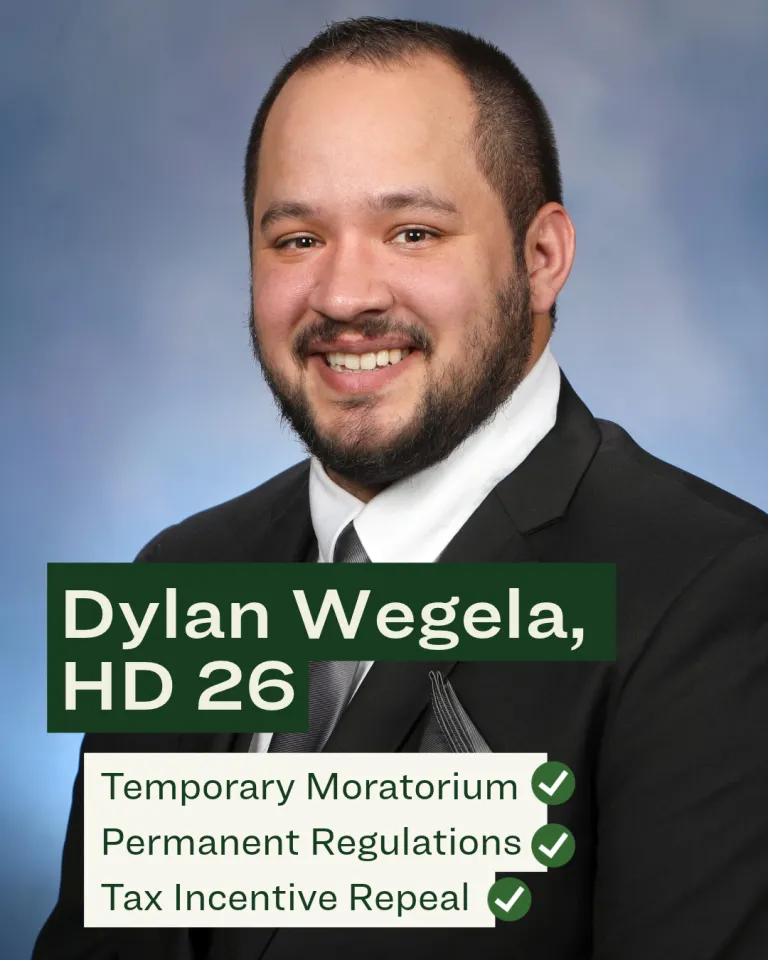
DetailsLet's do it! |
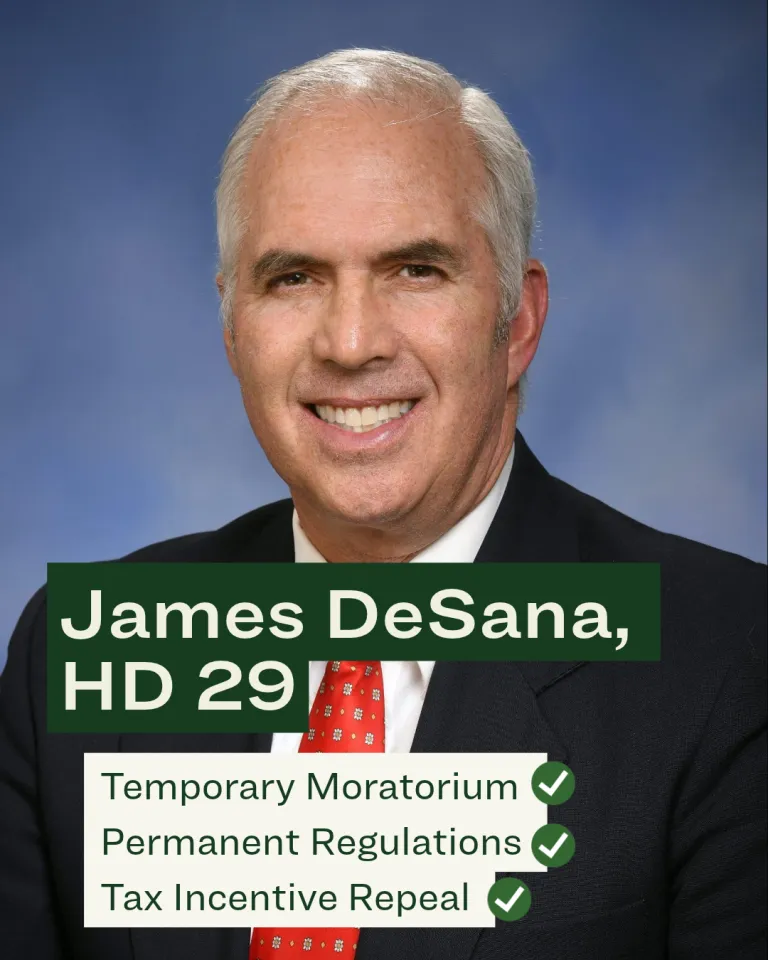
Details
|
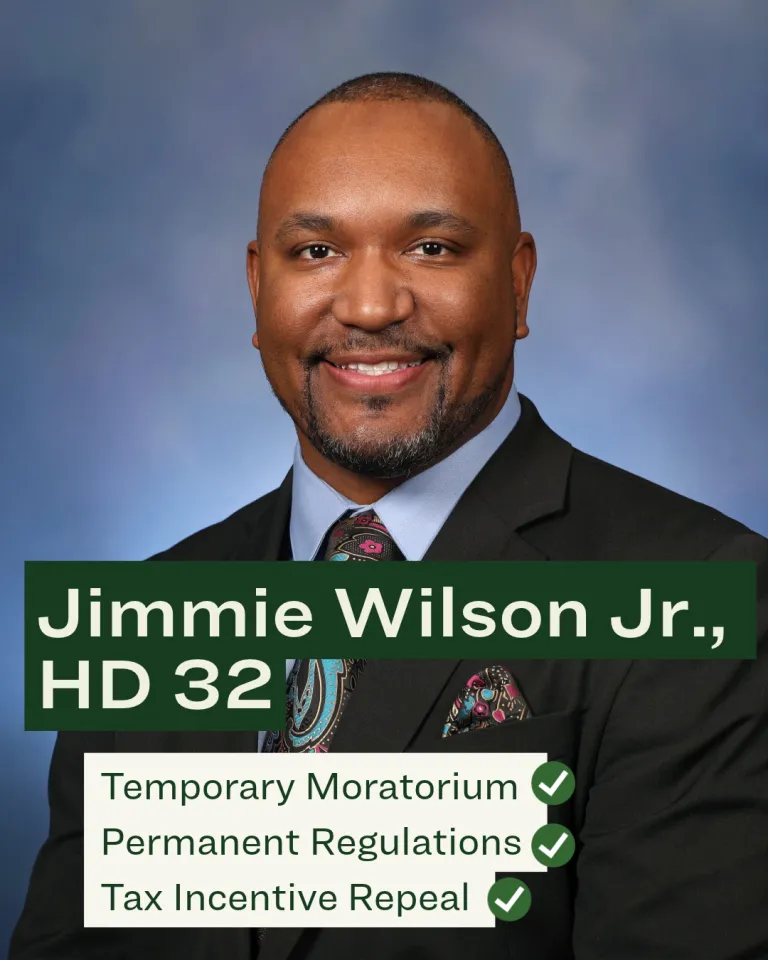
Details
|
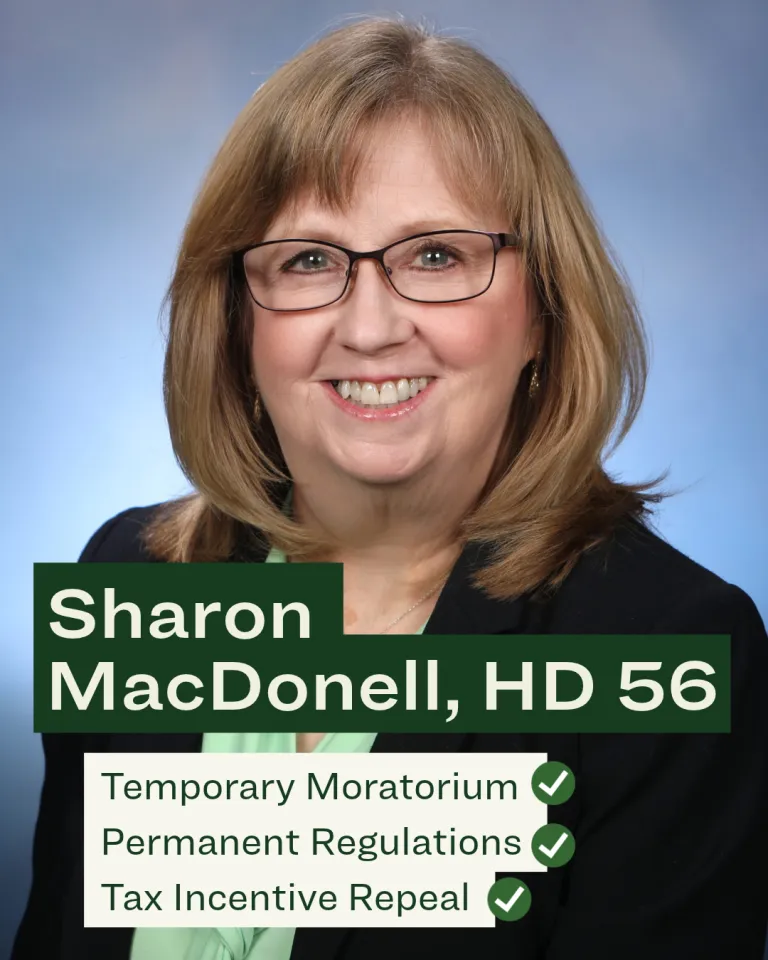
DetailsI proudly co-sponsored the doublesets of SBs 1046-1051, introduced earlier this year by House Democrats. I also co-sponsored HBs 5396-5398, and I voted against the 2024 legislation that established the tax incentives. |
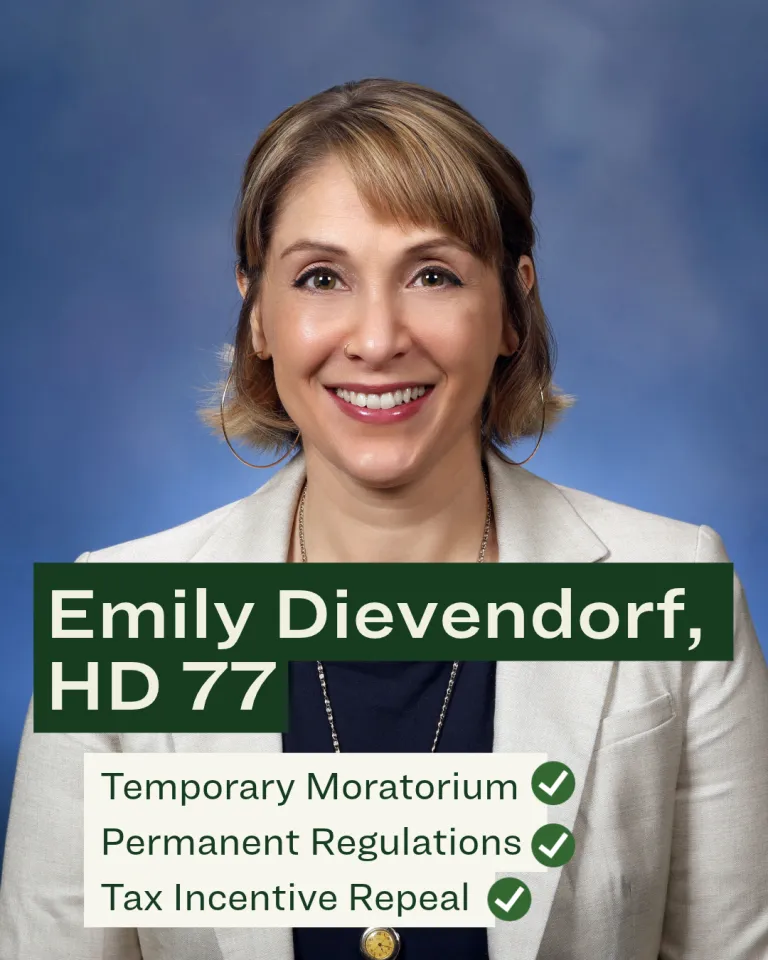
DetailsThe threat that data centers pose to Michigan’s natural resources calls for bipartisan cooperation to defend what is at stake. Our Great Lakes are not commodities to be bought and sold; Michiganders should not be left facing water depletion and noise pollution; our local municipalities should not be incentivized to sign non-disclosure agreements; and consumers should not be left footing the bill for energy rate hikes. |
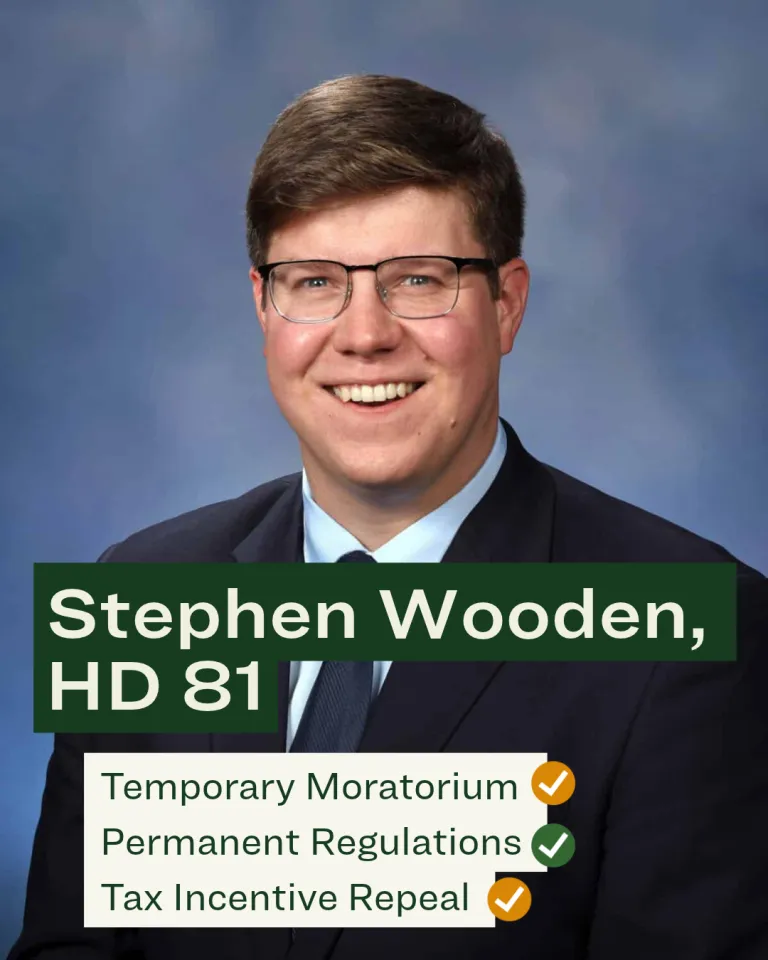
DetailsWe absolutely need to rein in hyperscale data centers to protect our rates, climate and water. Strong regulations are vital to making sure we only benefit from hyperscale data centers and not harmed by them. If such regulations require additional rules to be written by state bureaucrats, I would be open to a moratorium while administrative rules are promulgated promptly. |
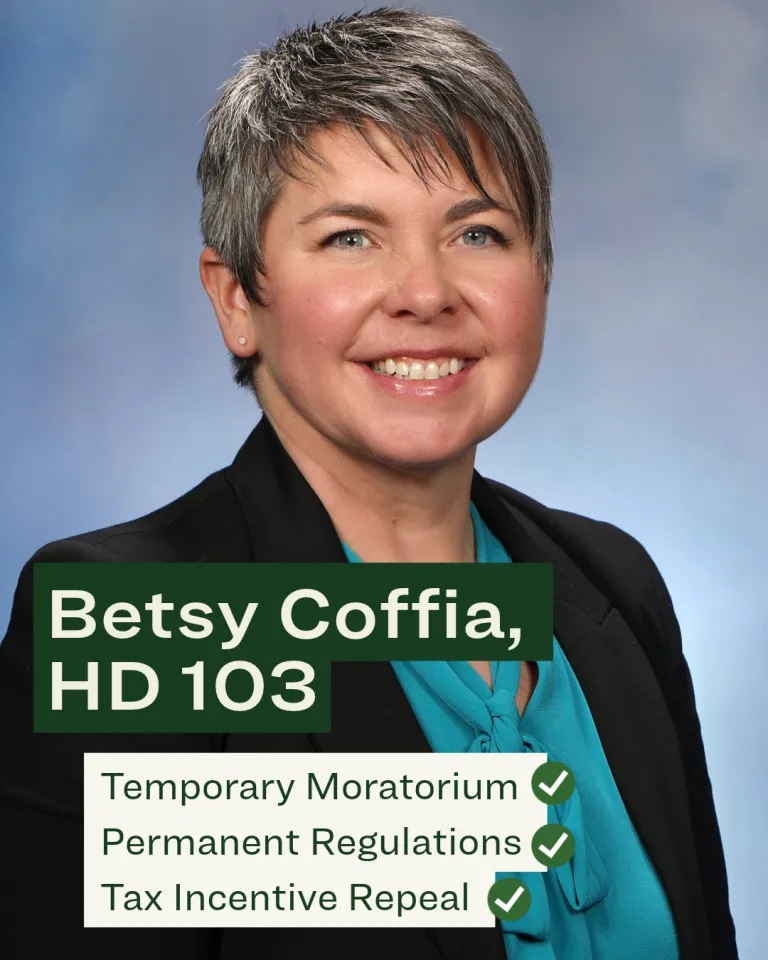
Details
|
Current Michigan State Senators
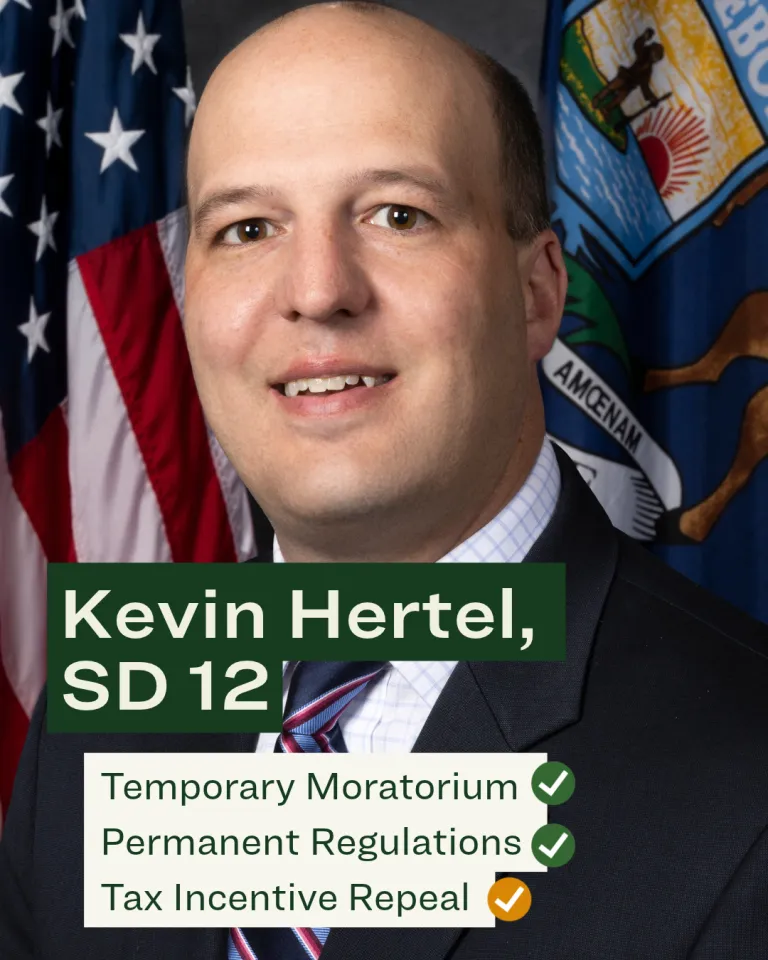
Details
|
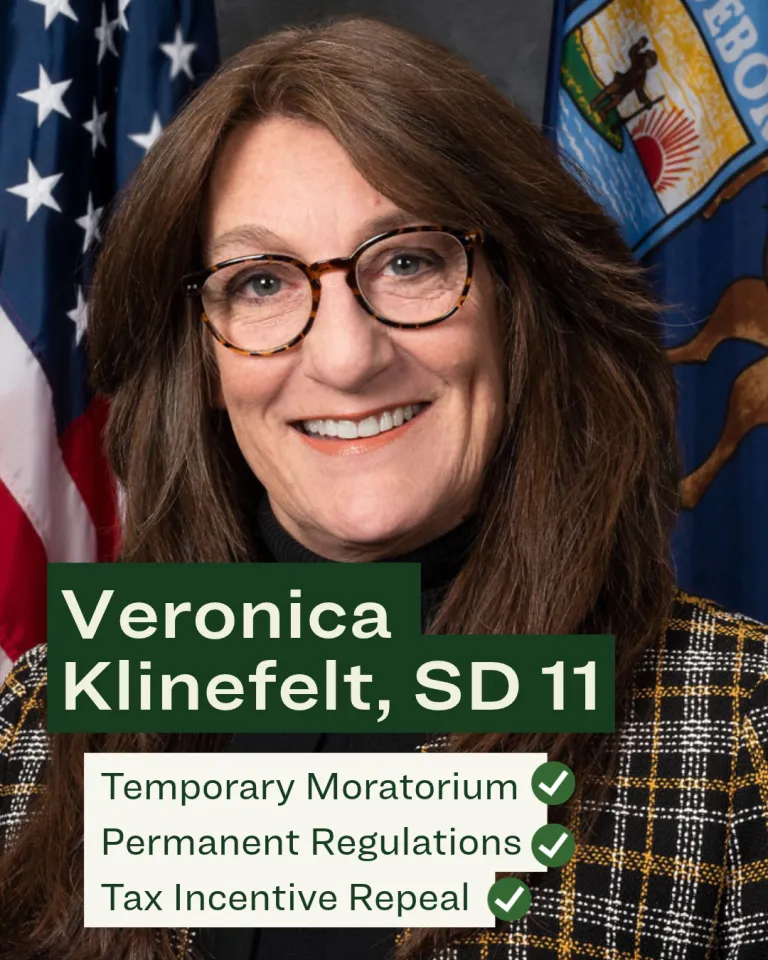
Details
|
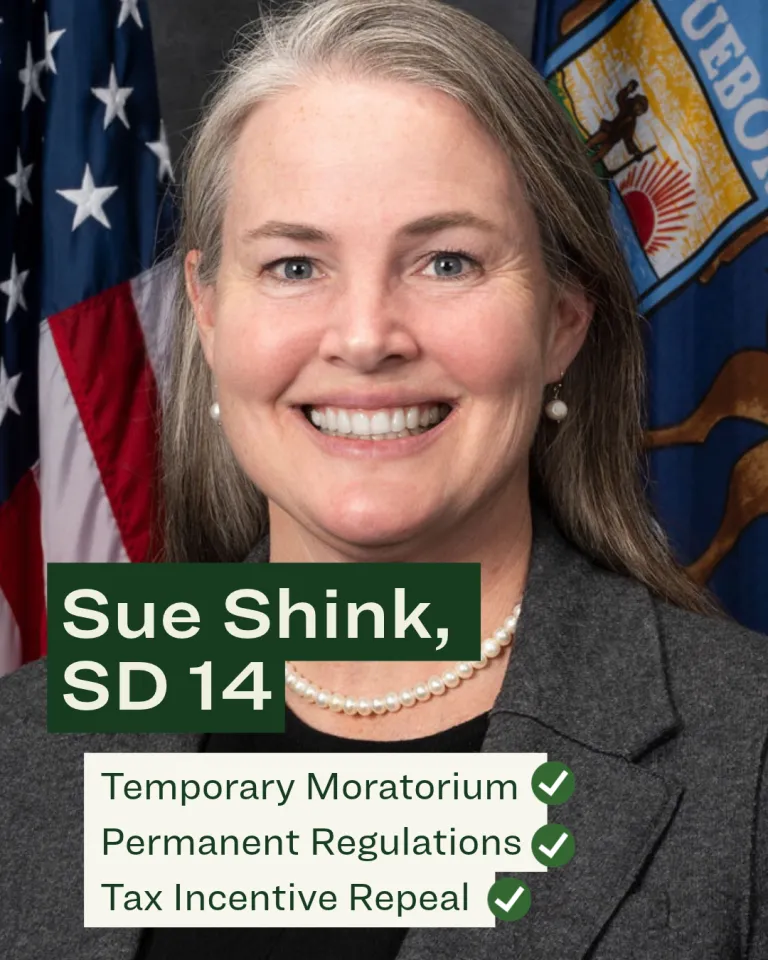
DetailsI voted against the tax incentive because it was a bad idea. |
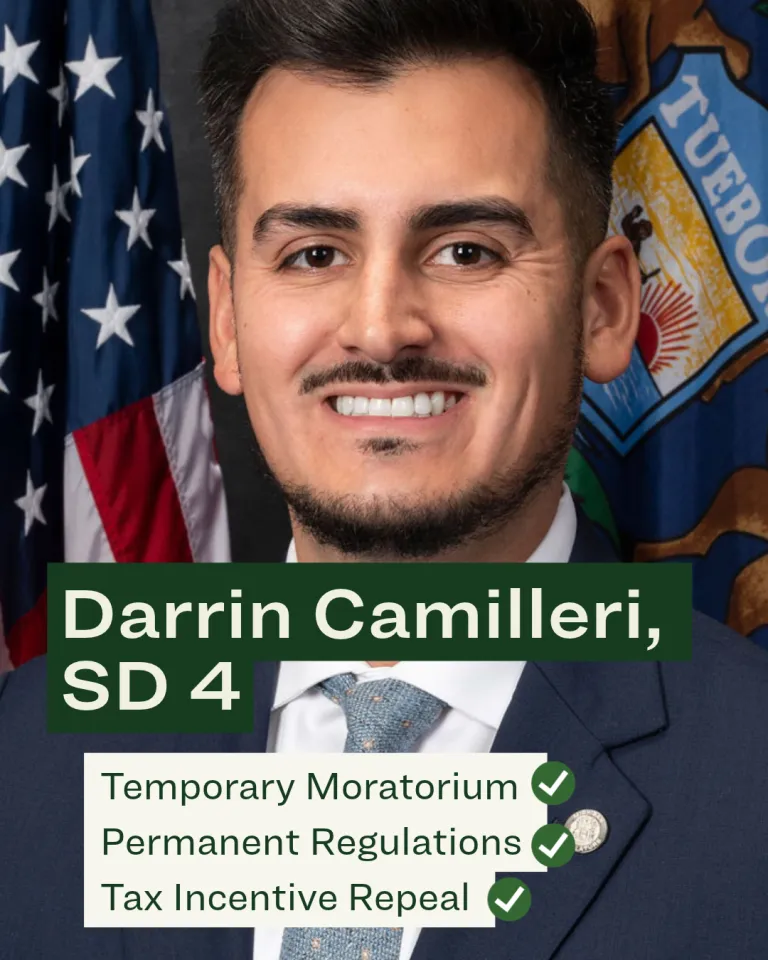
Details
|
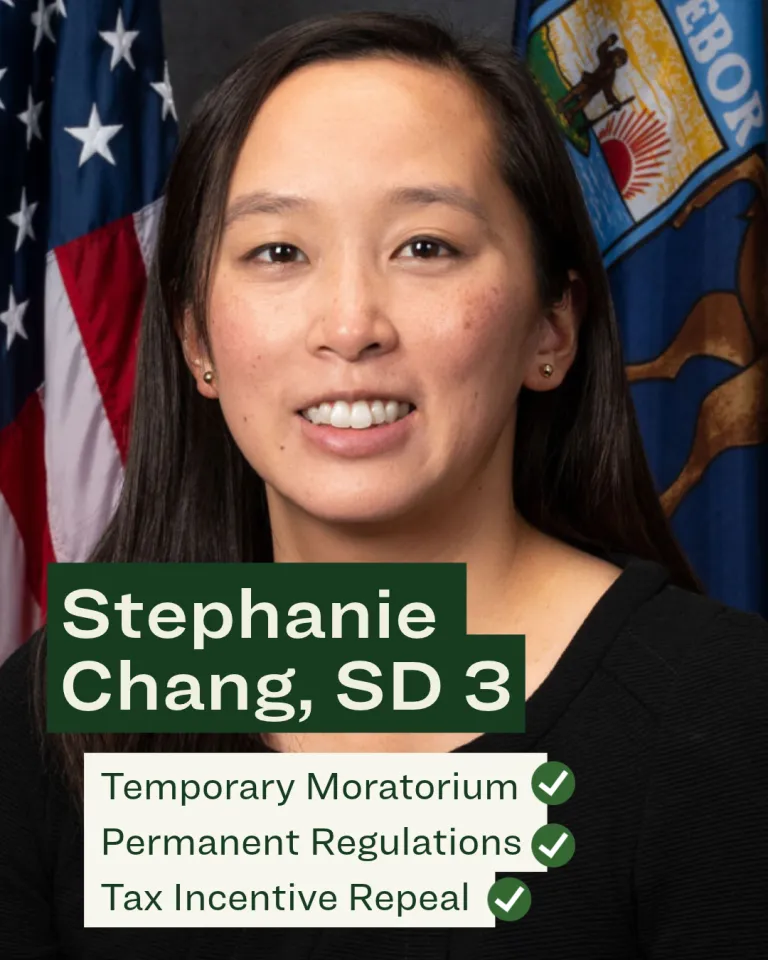
Details
|
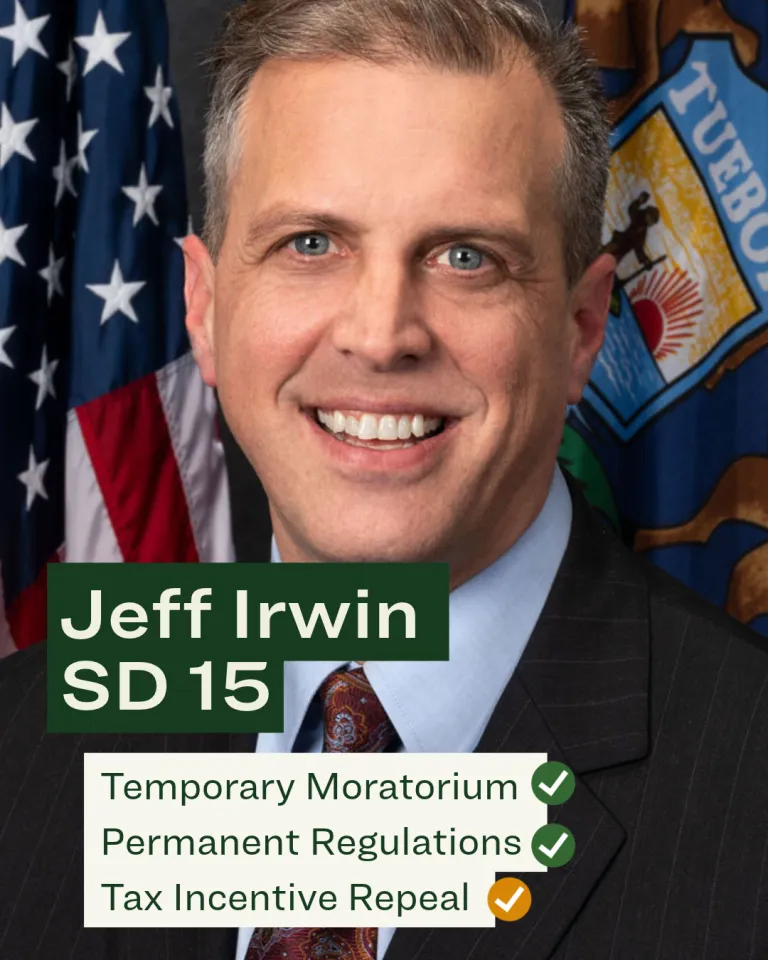
DetailsI would vote to remove the sales tax reduction for large projects if we keep the provision protecting ratepayers by requiring MPSC to set rates such that residents are NOT subsidizing data centers and the provision requiring their water use to be provided and regulated by a municipal source. I wouldn't want to lose local control and protections for water and ratepayers. We also have some clean energy and energy efficiency standards in the law granting sales tax exemptions, I would like to keep those standards as well. |
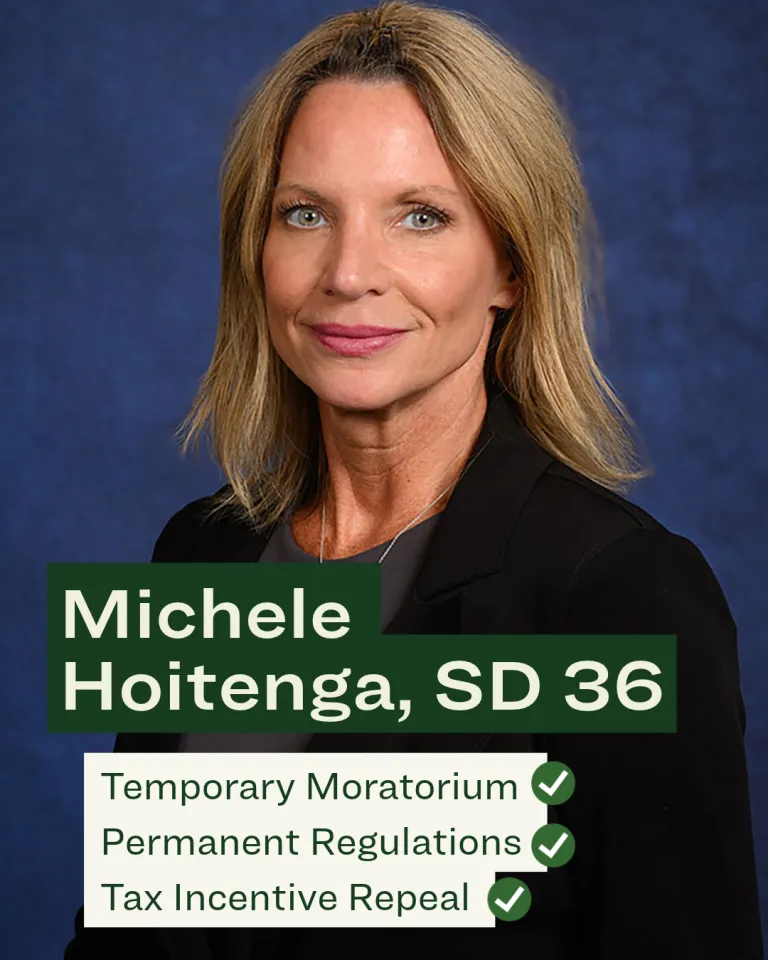
DetailsWith regard to the question: Will you vote for permanent regulations to protect our water, energy grid, transparency, community benefits agreements, and require union labor, if put up for a vote? I would support all aspects of the bill with the exception of mandating union labor. |
Candidates for office: Michigan House

DetailsData Centers? It’s a no from me, dawg. |

DetailsA temporary moratorium on new data center construction is necessary to allow state and local lawmakers time to establish essential regulatory standards and infrastructure safeguards. Growth must not come at the expense of working families, who deserve protection from rate hikes and severe water depletion. Furthermore, tech corporations must pay their fair share in standard state and local taxes, ending the practice of shifting the tax burden and utility costs onto everyday residents. |

DetailsI have a long history of showing up and speaking out against data center development in Lowell, Vergennes, Solon, Algoma, and Cedar Springs. As a Courtland Township Trustee, I helped lead the effort to pass a 12-month data center moratorium, giving our community time for thoughtful discussion about local zoning and ordinances. I’ve met directly with residents impacted by proposed developments in Solon and Algoma who feel powerless and are demanding greater transparency and accountability from their local governments. I’m running for State Representative to bring their voices to Lansing. I’m not taking money from corporate interests or special interests because my commitment is to the people I serve. Michigan families deserve a representative who will stand up for their communities, protect our natural resources, demand transparency, and put people ahead of corporate profits. |
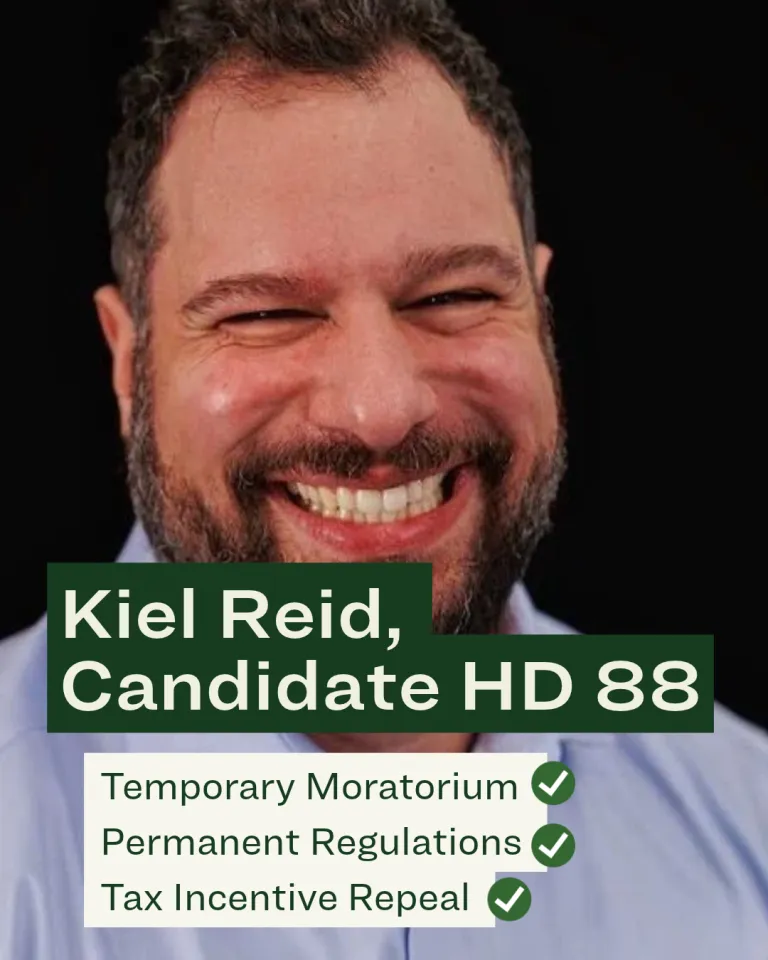
DetailsI believe data centers pose serious risks, both in knowable and currently unforeseeable ways, to our communities and the health of our environment. |
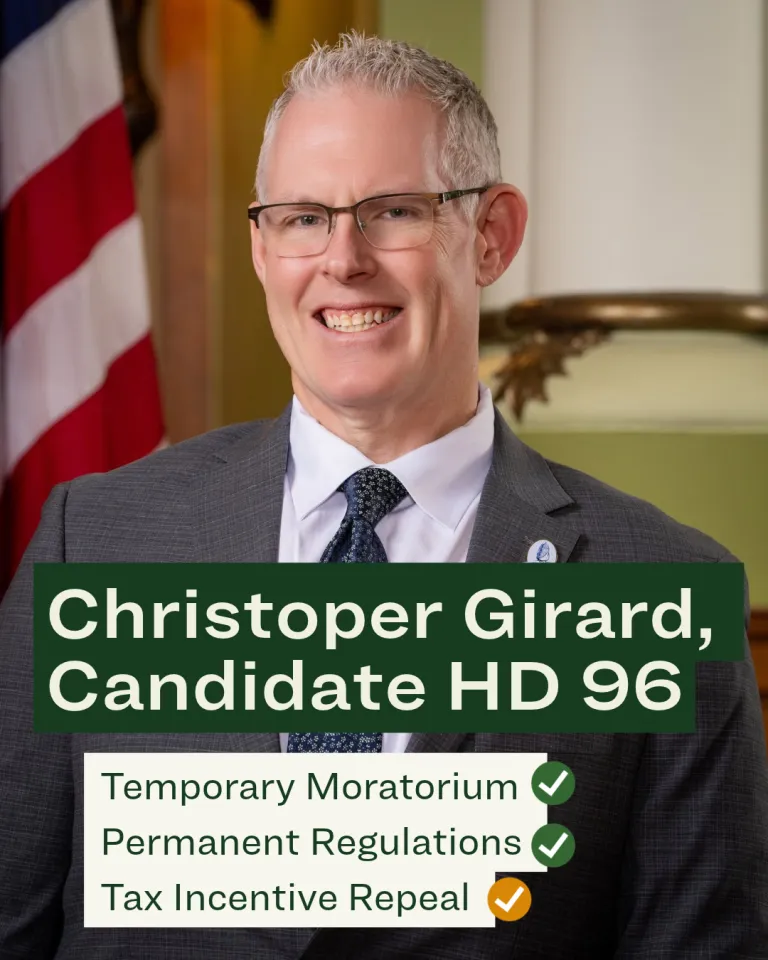
DetailsAs Mayor of Bay City, I took action to address the growing concerns surrounding large-scale data centers before we had a proposed development in our community. I worked to bring forward a local ordinance that would establish protections and give our community a say in how these projects move forward. I believe we need to be proactive rather than waiting until a project is at our doorstep. Our water resources, electrical grid, and infrastructure must be protected, and taxpayers shouldn't be left paying the price for private development. I'm not opposed to economic development, but it needs to be responsible, transparent, and provide real benefits to our communities, including good-paying union jobs. As a Sierra Club endorsed candidate, protecting our Great Lakes and natural resources has been a priority of mine. I've already worked on this issue at the local level, and I intend to carry that same commitment to Lansing. |

Details
|

DetailsI would only give a tax incentive only on brownfield areas. |
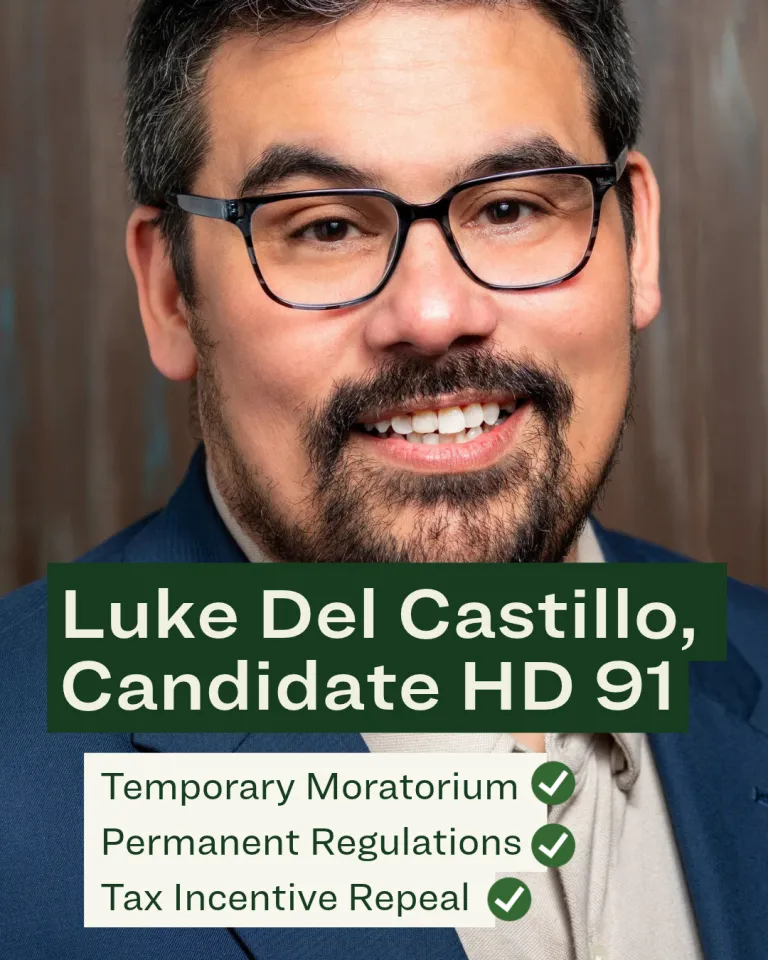
Details
|
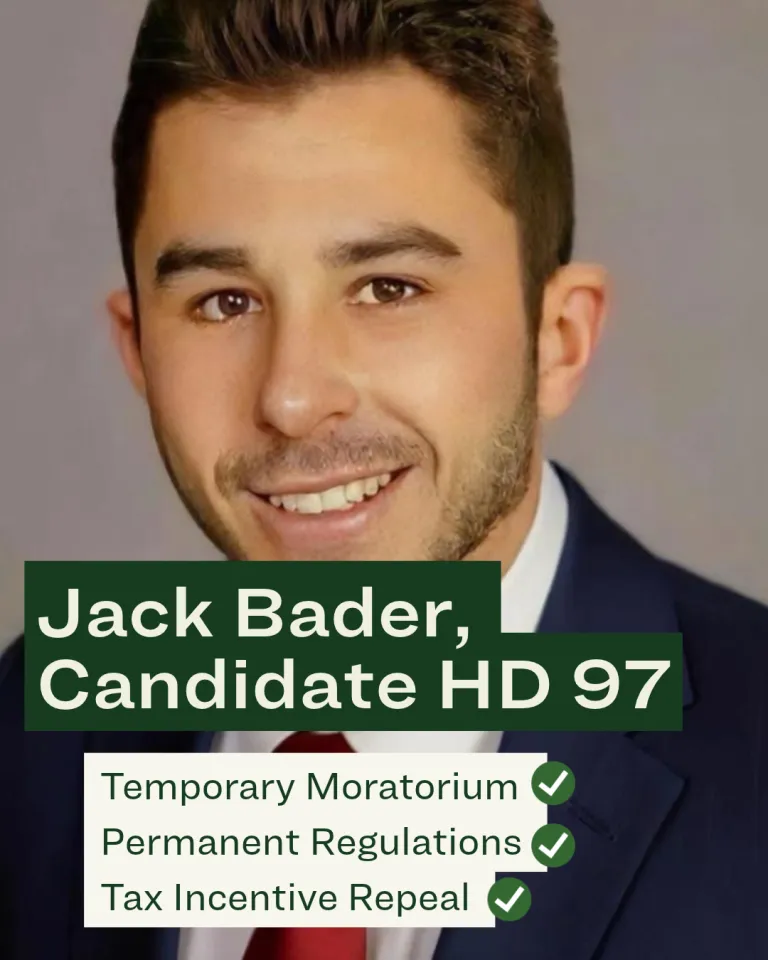
Details
|
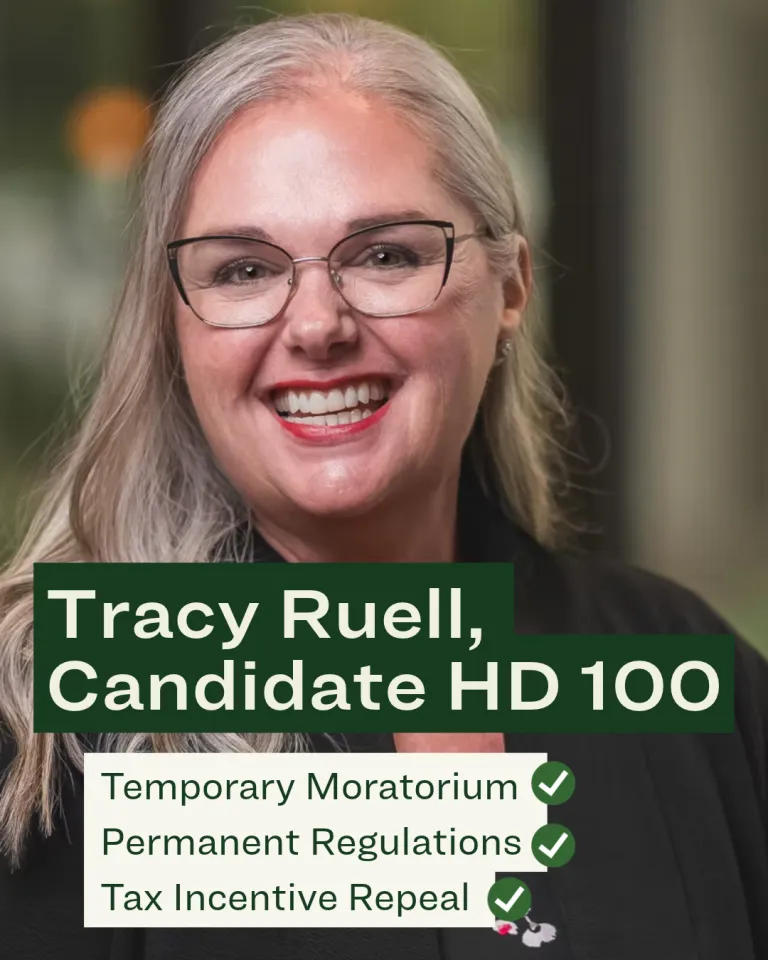
DetailsWe need regulation around the use of AI. |
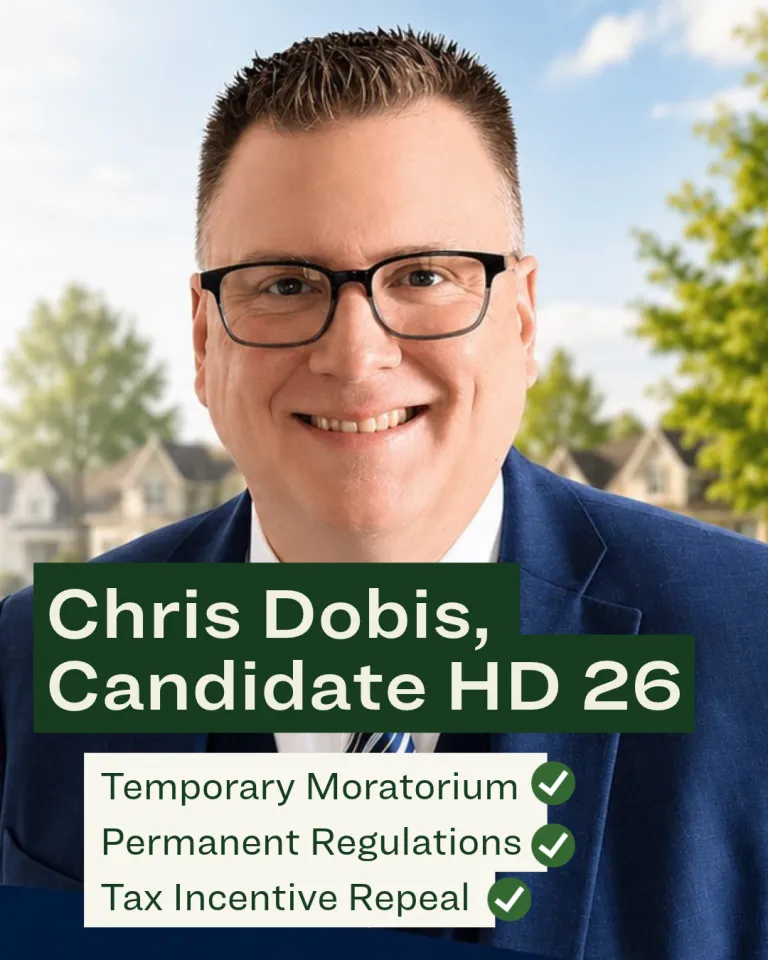
Details
|
Details
|
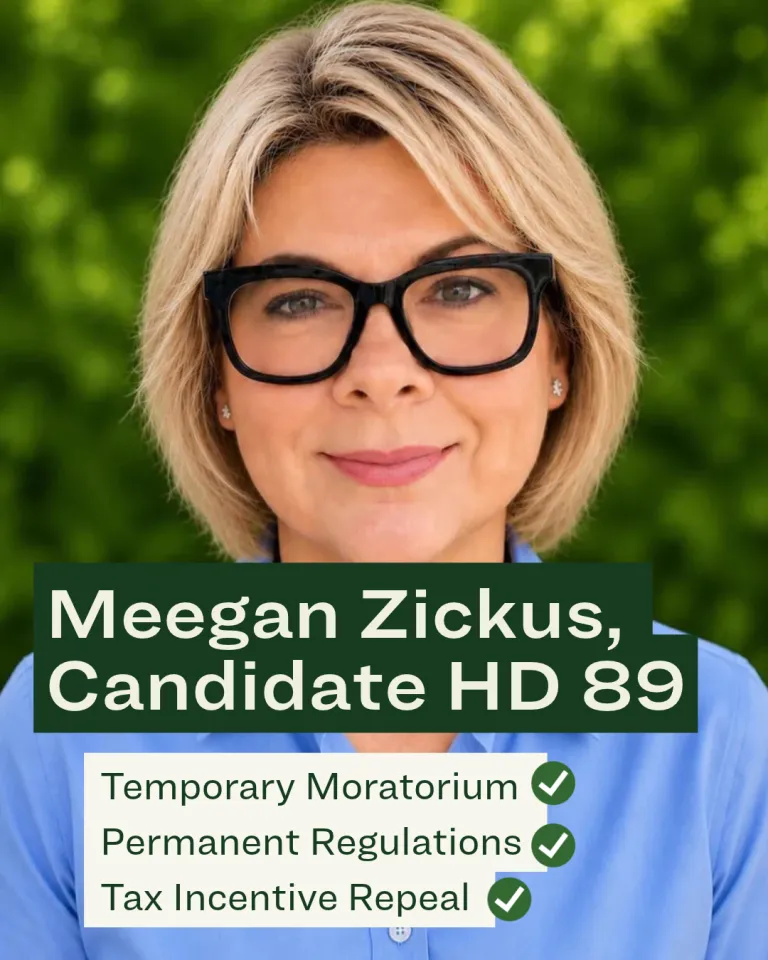
DetailsMichigan can benefit from innovation and economic development without sacrificing our water, energy security, workers, or local communities. Data centers should be evaluated transparently, with meaningful public input and clear, enforceable standards. I will work to ensure that developers pay their fair share, protect our natural resources, create good union jobs, and deliver measurable benefits to the communities where they operate. Michigan residents - not multinational technology companies - must remain at the center of these decisions. |
Details
|
Details
|

DetailsCorporations prioritize profit, and we've learned that we can't count on them to do the right thing. When a data center is proposed, the first question should always be what it will do to people and the environment. We need time to take thoughtful and intentional incremental steps forward, not an alarming rush to be first. We need to pause and figure this out before moving any further. |

Details
|

DetailsWe need to ensure data centers are safe for our community and family before allowing them to be built. |

DetailsI would fight for a statewide moratorium and push a state-level regulatory assessment of the ecological, economic, and public health impacts. In addition, unlike other state preemptive moves, local governments and communities must have a place at the decision table regarding any such projects. We cannot allow a wildcat mentality to dictate such an expansion in our communities. |
Candidates for office: Michigan State Senate
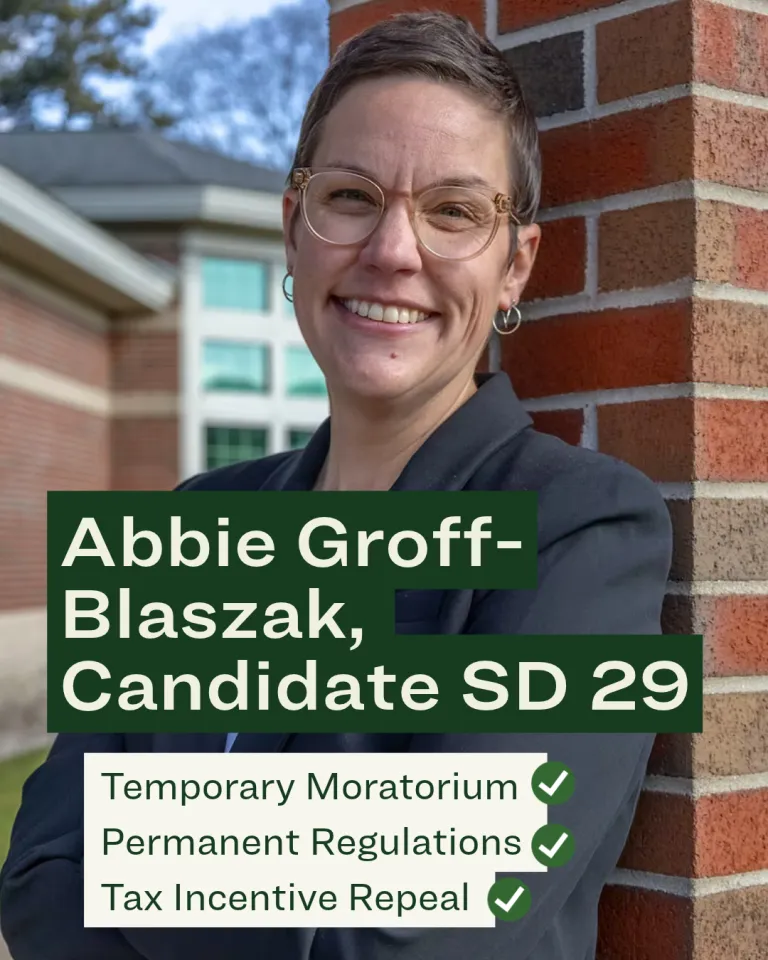
Details
|
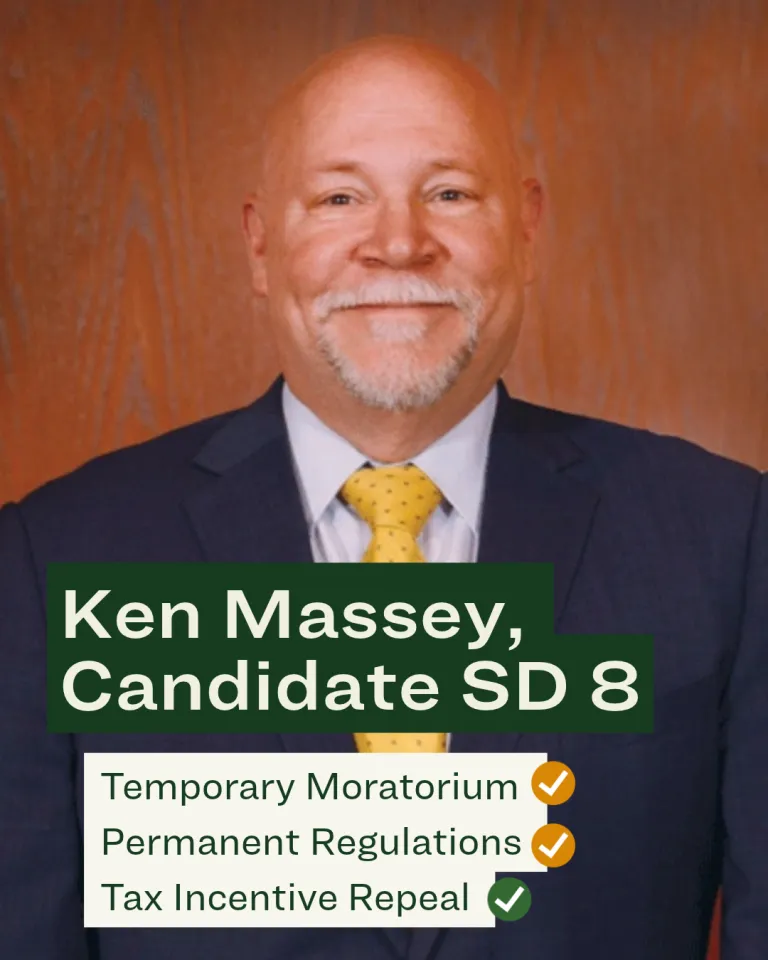
DetailsMichigan is a home rule state. Coming from local government, communities need to strengthen their zoning regulations and planning departments to ensure they are enforceable. Any proposal for a data center must them meet local requirements and the State [should] back up the local decision/ordinances. |