Old Growth Logging Under the Guise of Wildfire Protection: The 7,855-acre South Fork Mountain "Vegetation Management Project"
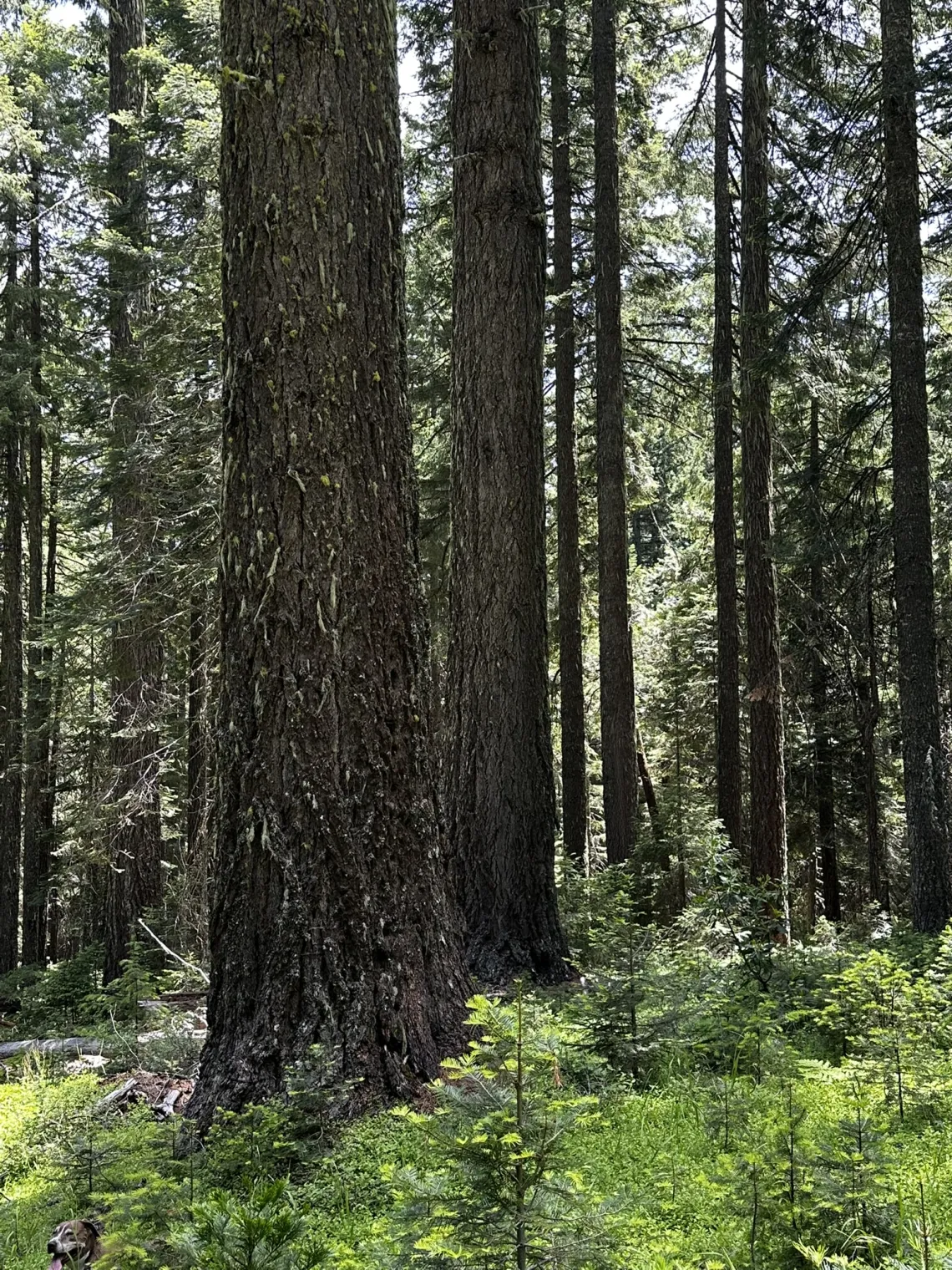
South Fork Mountain is a geological marvel, the longest contiguous ridgeline in the US. The ridge extends just over 40 miles, providing a backbone of connectivity between the Klamath Mountains and the Coast Range, feeding the headwaters of the South Fork Trinity and Mad (Baduwa't) Rivers. Its steep slopes straddle three National Forests: Mendocino, Shasta-Trinity and Six Rivers, providing unparalleled regional biological and cultural connectivity. South Fork Mountain is extremely culturally important for local Native tribes including the Wailaki (Kinstest’e), Wintun, Wiyot and Nongatl people, from ancient times to the present day. It contains Old Growth Forests, Designated Roadless and proposed Wilderness Areas, and critical habitat for threatened species like the Northern Spotted Owl and others.
In 2020, the southern part of South Fork Mountain burned in the August Fire Complex, transforming much of the landscape from green conifer forests to acres of blackened stalks. The August Complex didn’t just bring destruction, however, it initiated a remarkable regeneration process for fire-dependent plants and wildlife, many of which are actively harvested and maintained by local Native people today for important foods, medicine, and ceremony.
A huge logging plan proposed by the Forest Service on South Fork Mountain, euphemistically called “vegetation management,” threatens to destroy these important sites and perpetrate massive ecological harms on the rest of this fragile landscape in the name of wildfire protection. The South Fork Mountain Vegetation Management Project is a 7,855 acre plan that would build 141 new landings and clear 41 existing landings, one every 1/5th of a mile, essentially bulldozing a 40-mile long clearcut along this recovering ridgeline and demolishing the significant cultural sites. The plan also includes thinning and commercial logging in Old Growth forests, cutting in the stands with the largest and most fire-resilient trees and guaranteeing the catastrophic fire cycle will continue. The USFS is asserting Emergency Authority to carry out this devastating plan with little to no ecological review, using the wildfire crisis as a smokescreen for commercial logging of trees that should otherwise be off limits to timber companies.
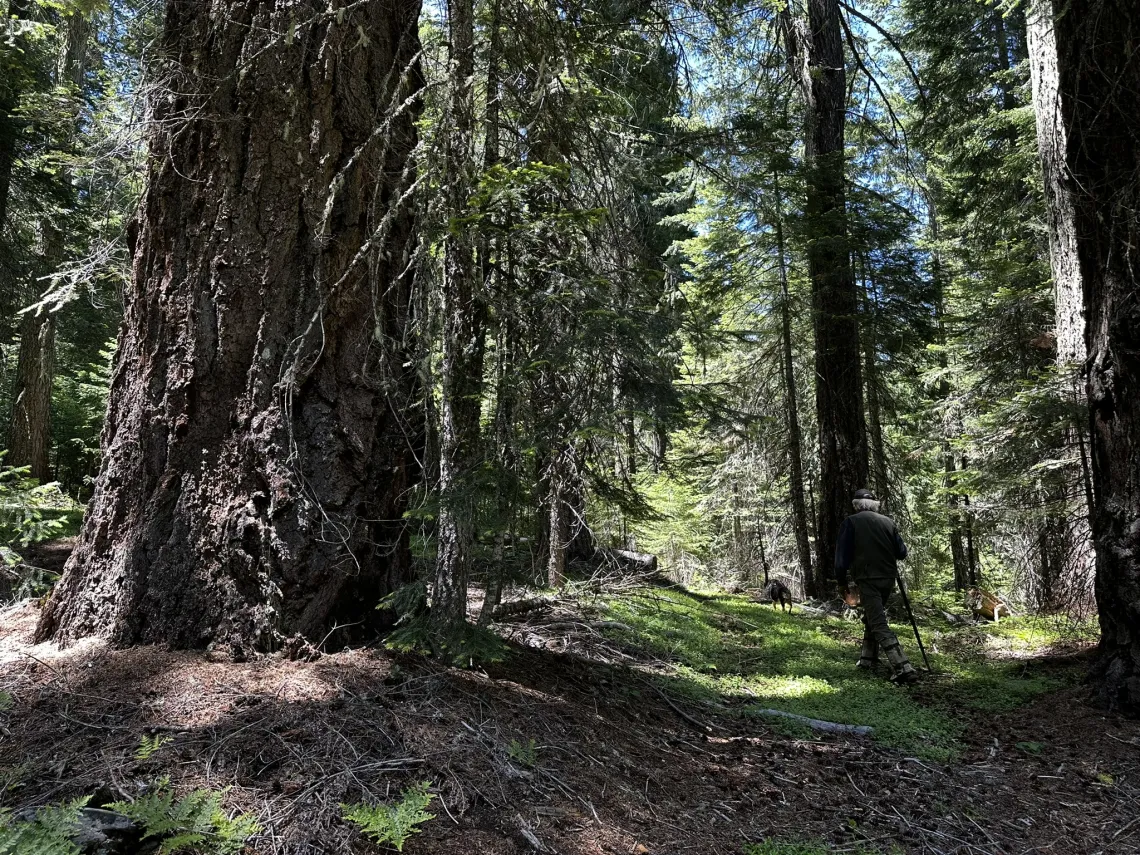
“A century of commercial logging of old growth forests and fire suppression are why our National Forests have become so dangerously fire-prone today.”
A coalition of environmental groups has submitted comments on the Draft Environmental Assessment for the South Fork Mountain Vegetation Management Project. The Forest Service should not be using wildfire to justify landscape-scale operations that will irreparably harm cultural sites, regional biological connectivity, water quality, and watershed recovery–especially with inadequate environmental review about the impacts. A century of commercial logging of old growth forests, monocrop tree plantations, and fire suppression are the biggest reasons why our National Forests have become so dangerously fire-prone today. This plan claims to be a wildfire solution, but it only ensures more and worse fires on South Fork Mountain in the future.
Take Action for South Fork Mountain!
Write to:
District Ranger Kirsten Lark
Mad River Ranger District
Six Rivers National Forest
kristen.lark@usda.gov
The official comment period for the Draft Environmental Assessment closed in May, but you can still write to District Ranger Kiersten Lark and let her know you oppose the plan. Tell Ranger Lark that South Fork Mountain needs real fire stewardship that restores and protects the land and communities that depend on it, not commercial old-growth logging and mechanized operations on extremely steep slopes that will unleash sediment and leave the area more vulnerable to wildfire, habitat fragmentation, and cultural site destruction The logging they have planned in areas with existing old growth will wind up taking their neighbors up to 34 inches in diameter. This puts the remaining giant trees at great risk when you open up the forest to sun, weakening them and making them susceptible to windthrow.
Instead of a massive logging plan, ask her to consult with local Tribes to re-establish Indigenous stewardship and cultural burning on their ancestral territory at South Fork Mountain. Remind her of the need for ecologically sound fuels reduction that preserves shade and healthy forest canopies, and suggest that Tribal crews be given priority status for hiring to do this work. Insist that Old Growth forests be left to do their important ecosystem services of holding water, providing habitat, and sequestering carbon to cool the climate.
Find out more from our friends at EPIC, SAFE and the Northcoast Environmental Center. You can read their excellent and detailed comments on the South Fork Mountain VMP here.
See the plan for yourself here.
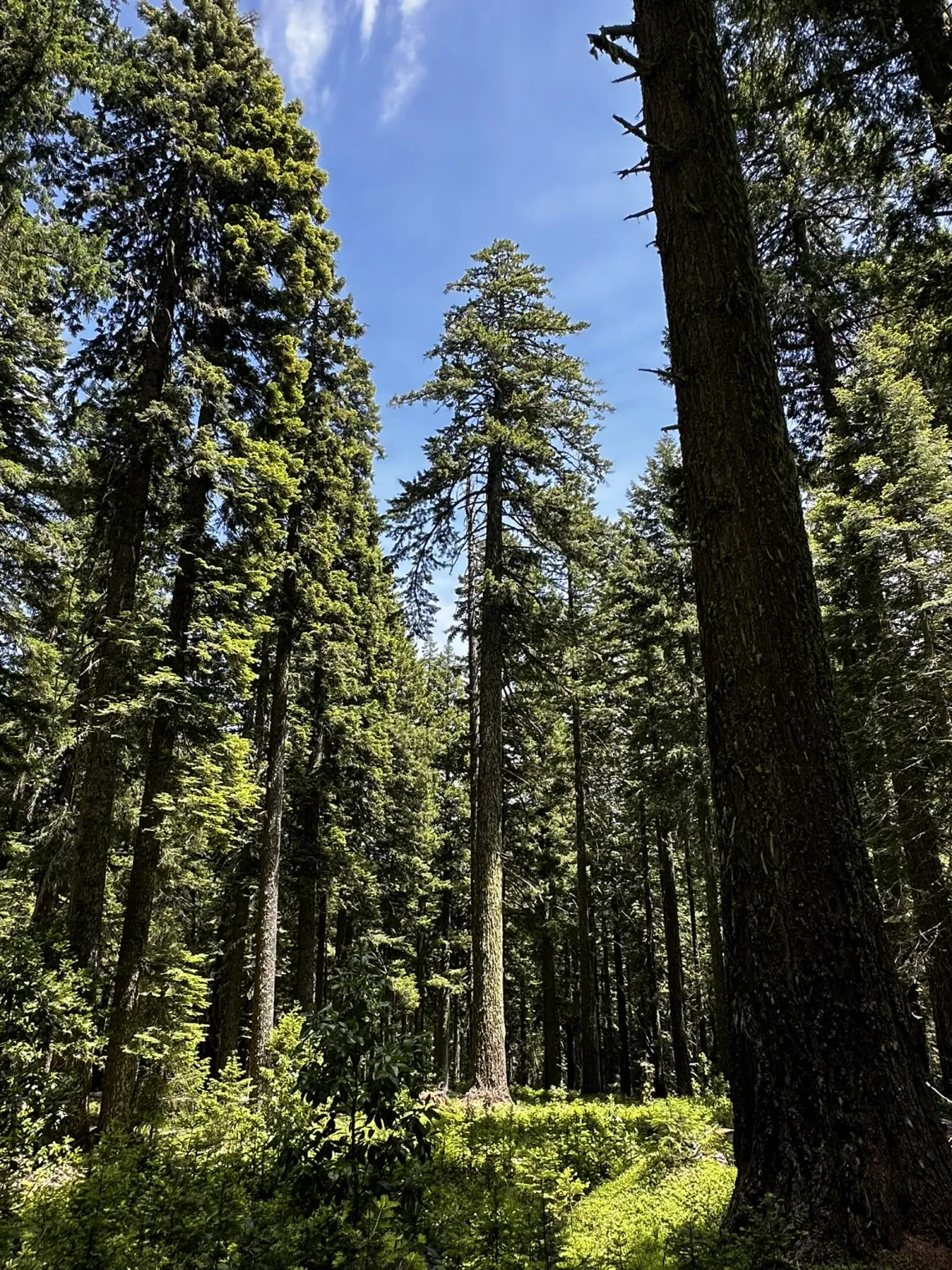
Old Growth Forest within a commercial logging unit of the proposed plan