What's the Best Way to Feed Backyard Birds?
Turn your yard into an all-inclusive bird resort
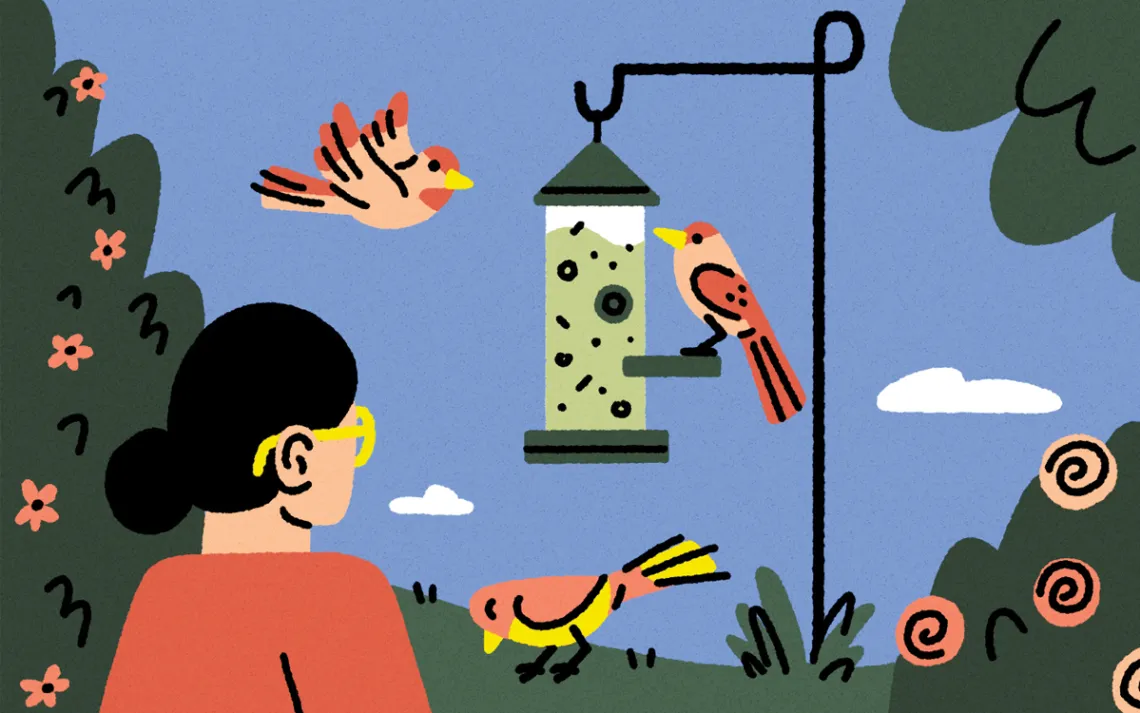
Feeding backyard birds is such a simple delight. Toss seeds on a tray or suet on a feeder and watch chickadees, jays, finches, and a caravan of sparrows take up residence in your little corner of the world—until they mysteriously don’t. If you’ve had seeds go completely ignored, suet blocks rot, and your good intentions left to wither, you are not alone. What do our backyard birds know that we don’t?
As it turns out, plenty. The birdseed industry is worth about $3 billion, and not every brand is looking out for the birds. A poor-quality offering of feed will keep birds away. Poor storage and feeder-cleaning practices can ruin even the tastiest and healthiest menu. Here’s how to ensure you’re feeding birds nutritiously and safely.
Avoid Fillers
Cheap birdseed mixes often contain little round, rust-colored seeds called red milo, said Emma Greig, who was a leader at the Cornell Lab of Ornithology’s Project FeederWatch. It’s a filler, and most bird species aren’t interested in that seed. The same goes for oats, wheat, and canola seeds, which are fillers too. “It seems like you’re getting a good deal, but you’re actually paying for seeds that are useless.”
A bird food package should read like a granola bar wrapper, not a box of Jell-O.
Corn and white millet, while not technically fillers, are preferred by ground-feeding birds like mourning doves. Some cheap suet blocks are almost entirely corn and millet and are not a good option for the seed-seeking songbirds at your feeders.
Check Dates
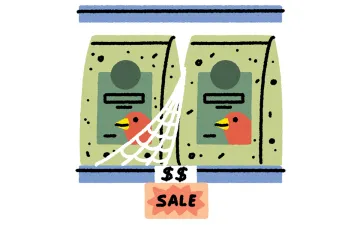
At big-box, hardware, and pet food and grocery stores, birdseed can languish on the shelves for months. Stale birdseed is a no-go. Before you purchase a product, check for “packaged on” and expiration dates. Higher-end stores tend to offer more recent packaging dates for a fresher, longer-lasting seed. If you can’t find dates at all, that’s a red flag.
Choose Natural Ingredients
A bird food package should read like a granola bar wrapper, not a box of Jell-O, with questionable terms like “berry flavor.” Splurging on high-quality seed and suet blocks with ingredients like peanuts, almonds, and sunflower seeds may cost three times more, but it’ll also bring three times as many birds to your yard.
Observe Food’s Smell and Texture
Spoiled birdseed doesn’t always have a bad scent, so also look for a strange texture or color and any clumping. Nyjer seeds are extra oily and prone to spoiling. If you’re wondering why your finches have stopped showing up, that’s probably why. Goldfinches are picky to begin with, favoring fresh seed.
Keep Birdseed Cool
If the birdseed was fresh when you bought it, keep it that way. Store it in a cool, dry, dark place—not out in the humid garage during summer.
If you have the right storage conditions, it’s OK to buy in bulk, Greig said. “I’ll buy birdseed for a year, but I keep it cool. I’ll keep it in the freezer or outside during winter.” If you buy in bulk, break down that massive bag of seeds into smaller airtight containers for easy access when the time is right. Suet can be kept frozen too.
Clean Your Feeders
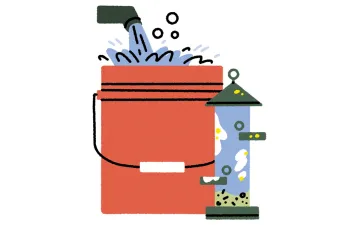
Imagine grabbing trail mix from a community bag that hasn’t been washed in months. Yikes. Leftover bits of seeds and hulls can grow moldy, and droppings can accumulate on nearly every type of feeder. Adding fresh seed into a not-so-fresh feeder is a recipe for trouble: Aim to clean seed feeders roughly every two weeks, using a mixture of hot water and vinegar or bleach.
As for hummingbird feeders, they aren’t attractive to just our fast-flying friends. They also readily attract mold. Clean your hummingbird feeder every time you refill the nectar, or roughly twice a week.
Make Your Own Snacks
Just as with a home-cooked meal, when you craft bird food yourself, you know it’s fresh and where the ingredients came from.
If you go the homemade route, avoid additives like salt and food coloring. It’s also important to offer a complete, balanced diet.
Artist and writer Julie Zickefoose invented “Zick dough,” a.k.a. bark butter. With peanut butter, lard, oats, and cornmeal, it’s a backyard-bird hit—and making it is a fun winter activity for kids. Be mindful about putting this out if you live in a location with bear activity.
Hummingbird nectar should be made at home to avoid unnecessary chemicals and dyes. An easy recipe? One part sugar to four parts water.
Let Your Yard Go Au Naturel
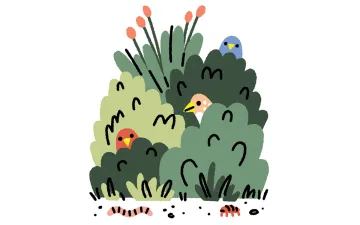
Feeders provide only a portion of birds’ diets. You can do a lot for birds without going to a store, Greig said. “Just leave part of your yard messy. Let the weeds and grasses grow, and let the leaves stay unraked.” The wildness will attract insects—a fabulous food source—and provide potential warmth and cover.
With a wide variety of seeds, insects, and plants on the menu, your backyard will be a bird-friendly smorgasbord—one that never goes stale.