Healthy Wildlife
The Wyoming Chapter of the Sierra Club's Healthy Wildlife Initiative focuses on protecting large carnivores for the health of entire ecosystems. Learn more below about our individual campaigns to support healthy wildlife across the state of Wyoming.
Chronic Wasting Disease (CWD) and Elk Feedgrounds
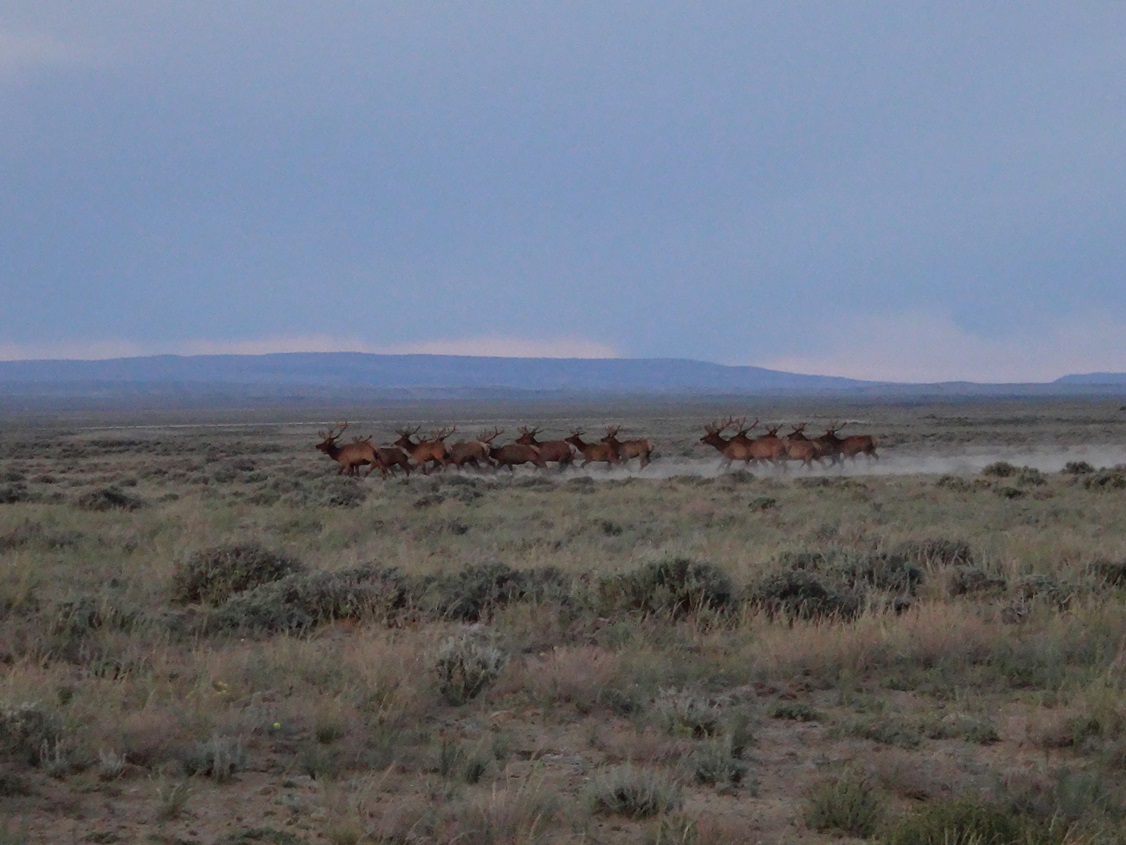
Chronic Wasting Disease (CWD) is a fatal, neurodegenerative disease affecting mule deer, white-tailed deer, moose and elk. The disease is infectious between and among deer, elk, and moose. Once CWD reaches an area, it remains persistent in soil, plants, and water, and will continue to infect wildlife for years, perhaps decades, into the future. As the disease moves north and westward across Wyoming, the infection will approach critically important national parks and wildlife habitat upon which the $3.4 billion dollar Wyoming tourism industry is based. People from all over the world visit Wyoming to see wild, and healthy wildlife. If CWD runs unchecked through our famous wildlife herds and parks, our expanding tourism economy will take a big hit.
Last winter, our fears were realized: Three deceased elk tested positive for chronic wasting disease on the Dell Creek feedground in the Hoback Basin. CWD is here, and it's only a matter of time before our elk populations start to see the deadly consequences. CWD on elk feedgrounds could reach many times the prevalence seen in wild herds.
In 2022, Sierra Club Wyoming and Wyoming Wildlife Advocates commissioned a report to identify what intermountain states like Colorado, Montana, Utah and Idaho's elk management strategies include. See our report linked here: Management Alternatives for Elk Feedgrounds in Wyoming and Surrounding States. Wyoming's practice of feeding the wildlife is an outlier in the Greater Yellowstone region. The harmful practice of elk feeding needs to stop.
To avoid the spread and deadly impact of this disease, the Sierra Club Wyoming Chapter and Wyoming Wildlife Advocates support phasing-out of elk feedgrounds, and conservation of robust predator populations. The State of Wyoming should not allow any artificial feeding of deer or elk under any circumstances. Wildlife should be spread-out and managed for health, not for maximum numbers. Thinning out dense concentrations of elk and deer will help ensure healthy wildlife and our state's economic future.
Feeding wildlife: A recipe for disaster - article by Walter Cook, Scott Smith and Jim Logan
State Vet: Combat CWD by Reducing Elk Feeding
Chronic wasting disease infects 4th elk feedground, this one in Jackson Hole
Grizzly Bears
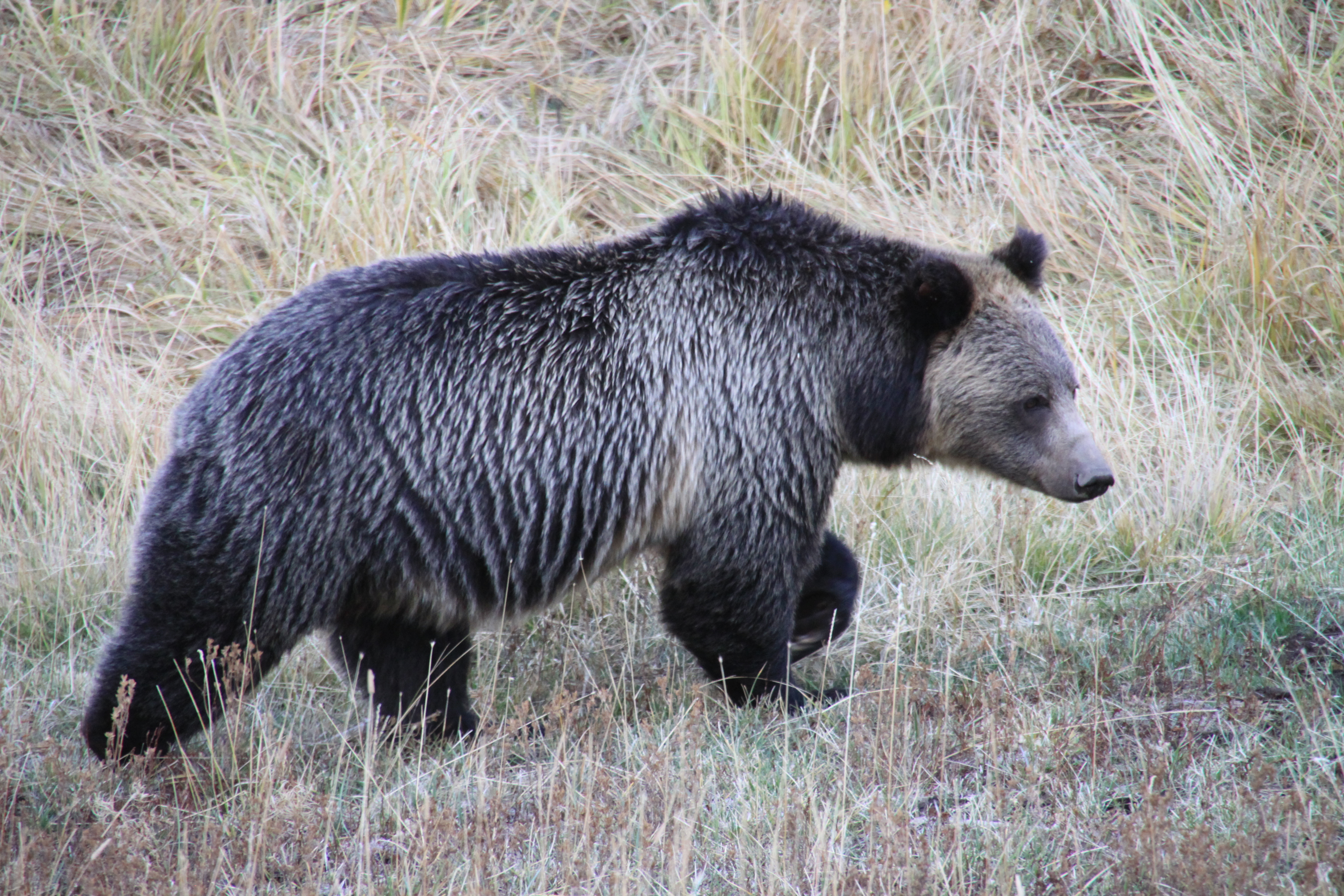
With full protection of the Endangered Species Act, grizzly bears in the Greater Yellowstone Ecoregion have made great strides back from the brink of extinction only forty years ago. The Sierra Club is fighting hard to maintain good protections for the bears, and to make sure that Yellowstone bears have connected habitat with other grizzly populations so they can stay genetically healthy. In recent years, Yellowstone grizzly bears have lost two of their most important food sources: cutthroat trout from Yellowstone Lake are almost gone due to competition from illegally introduced, non-native lake trout; and whitebark pine trees throughout the region have almost completely died-out due to disease and insect outbreaks. The loss of the whitebark has been especially devastating, because the seeds of this tree have been the best and safest food source for pregnant female and young bears.
Unfortunately, the U.S. Fish and Wildlife Service released a proposal to remove grizzly bears in the Greater Yellowstone region from the Endangered Species List on March 3, 2016. The proposal comes despite serious concerns in the scientific community about declining populations, changes in food sources due to climate disruption, and the ability of Yellowstone bears to reproduce with bears outside the region. States have already made it clear that without endangered species protections, immediate steps will be taken to significantly reduce the number of bears in the area, including through hunting-- a move that will reverse grizzly bear recovery in the region.
Here are points to consider:
· If grizzlies are delisted, many bears will be killed by agency personnel and hunters. The bear population will be killed back to minimal numbers, which is why they were protected in the first place.
· Grizzly bear food sources, such as cutthroat trout, white-bark pine, and elk are themselves threatened by invasive species, climate change and diseases.
· More than 60 grizzlies died last year in the Yellowstone region, many killed unnecessarily by people. Killing even more bears through trophy hunting is the ultimate insult to the bears and to wildlife enthusiasts who fought to keep this iconic species from going extinct.
· The Department wants to kill bears to alleviate so-called “conflicts” with cattle and improperly stored human food and garbage. Killing off grizzlies is a poor solution; instead, the Department and other agencies should require better grazing practices and enforce bear-proof food storage and trash disposal.
· Millions of people visit this region to view and celebrate grizzly bears. A live bear is worth far more than a dead bear.
For a synopsis of the work that the Wyoming Chapter and National Sierra Club have done to protect grizzly bears since the delisting process started, and to see links to articles regarding grizzly bear delisting, please click here.
Link to Wyoming Game and Fish Department Draft Grizzly Bear Management Plan
Other related articles:
Jackson Hole News and Guide, Stemming Grizzly Bloodshed, July 13, 2016
Back to top
Please join in the fight, renew your membership, donate to our cause, and volunteer. Wyoming is worth fighting for! Wyoming’s wildlife is worth protecting.