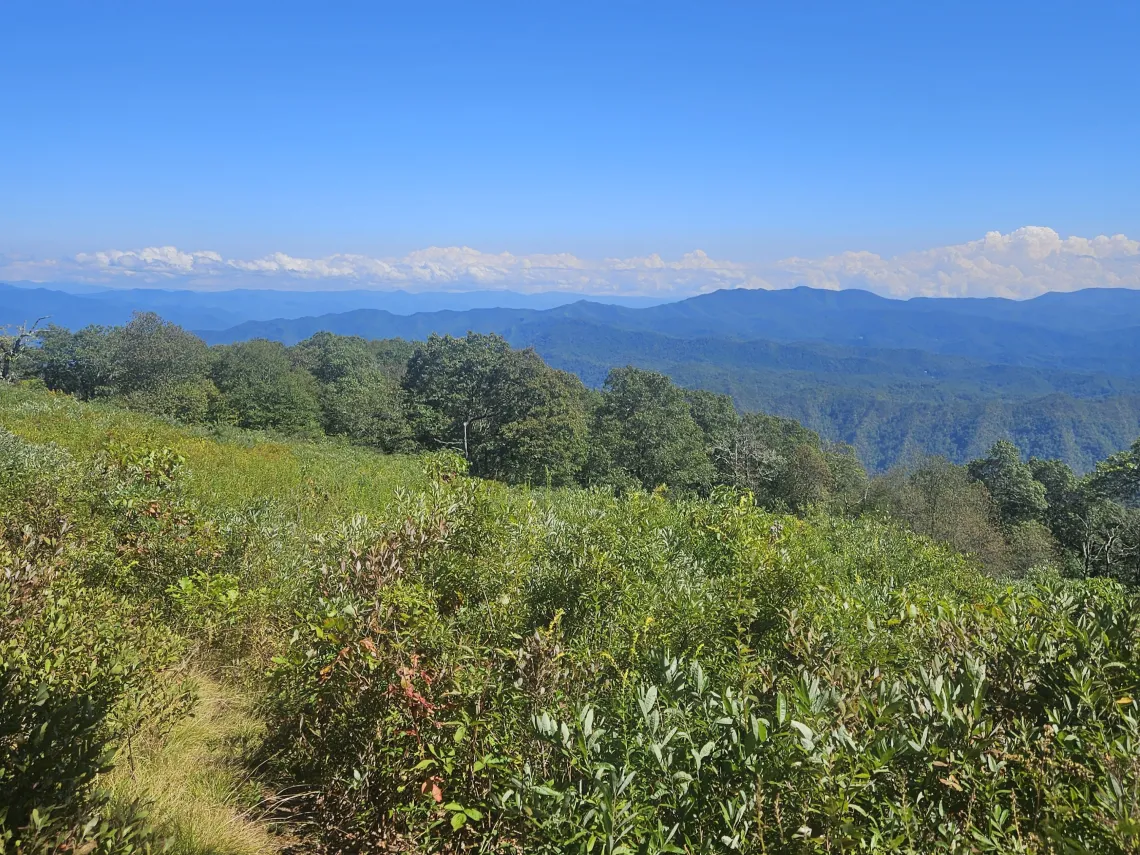
Like so many other Americans, I grew up exploring our public lands and feeling a constant sense of awe regarding the natural wonders of this country. I was fortunate enough to hike, camp, swim, and kayak my way through much of my childhood, and I never felt more at peace - or at home - than I did when out in nature.
This passion for nature quickly expanded to include a passion for conservation as I grew older and became aware of threats to our natural world. I decided early into my childhood that I wanted to dedicate my career to protecting the natural world. I eventually earned a degree in environmental policy, in hopes that I could help protect our environment and mitigate the effects of anthropogenic climate change. I ended up spending a couple years working for the U.S. Forest Service to protect sensitive sites on public lands before moving on to renewable energy policy.
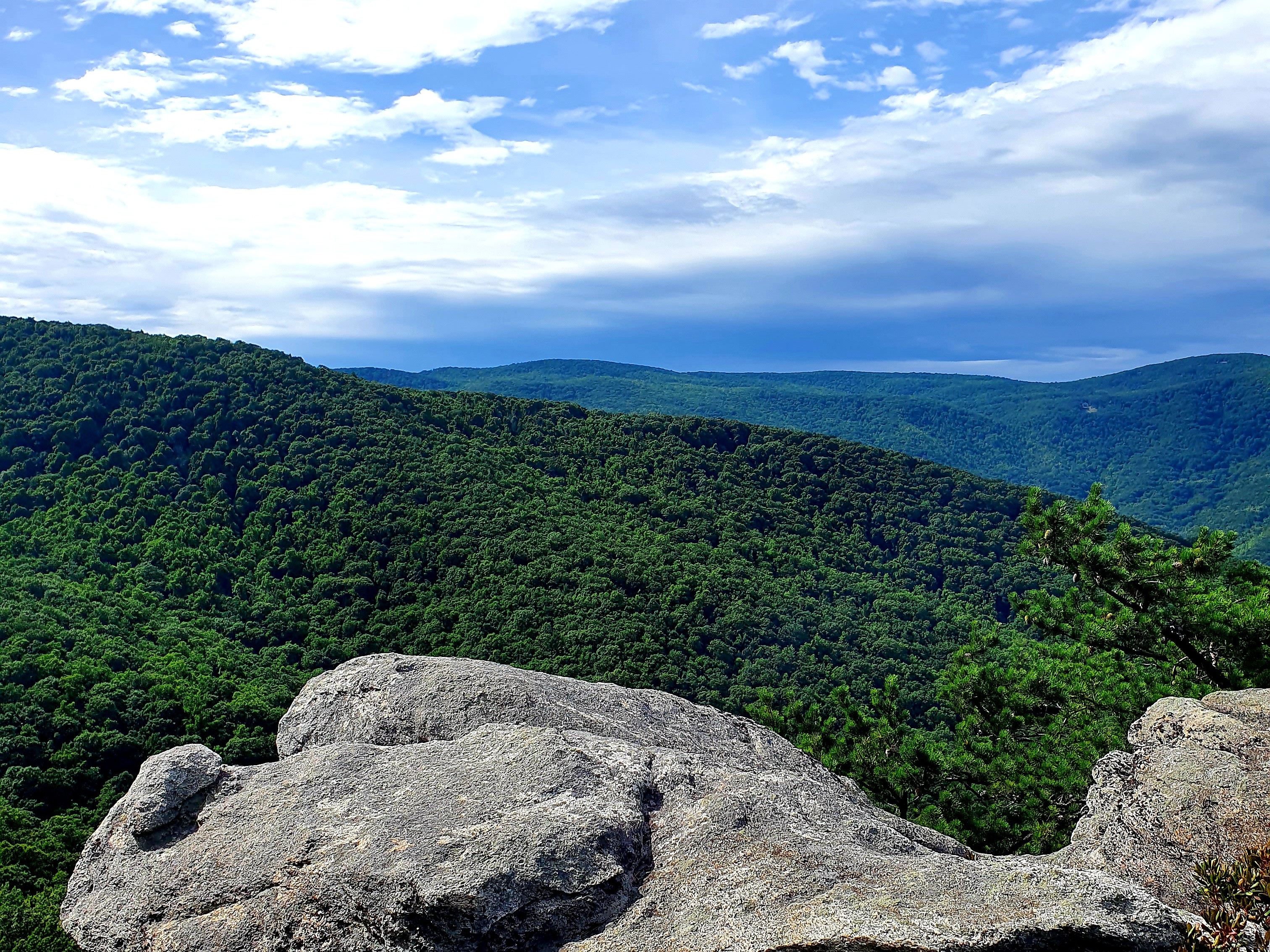
In recent years, international travel has made me appreciate America's protected public lands even more. As the industrial age began ramping up in the late 19th and early 20th centuries, we were fortunate enough to have some leaders with the foresight to set aside vast swaths of wilderness for protection. In many countries, this was not the case. Here in the U.S., we are incredibly lucky to have so much nature that is federally protected and free and accessible for everyone to use. Of course, certain socioeconomic barriers to access exist (and should be addressed). But the point remains: There are around 640 million acres of public land in the United States, comprising nearly 28 percent of the country's total land area.
The Fight Goes On
Despite the overwhelming popularity of our public lands (the National Park Service consistently holds the highest favorability rating of any federal agency), the attacks persist. These include (but are certainly not limited to) privatization attempts, sell-offs, and efforts to open up pristine wilderness to resource extraction. Under both Trump administrations, we've seen these attacks ramp up to unprecedented levels. A prime example can be found in the repeated use of the Congressional Review Act (CRA) to overturn land management plans recently.
I traveled to the nation's capital recently as part of the Sierra Club's Wildlands Volunteer Lobby to advocate for this year's environmental priorities. We focused broadly on public lands protections and the Endangered Species Act. As you might imagine, these two issues have significant overlap since public lands provide critical habitat for threatened and endangered species across the country.
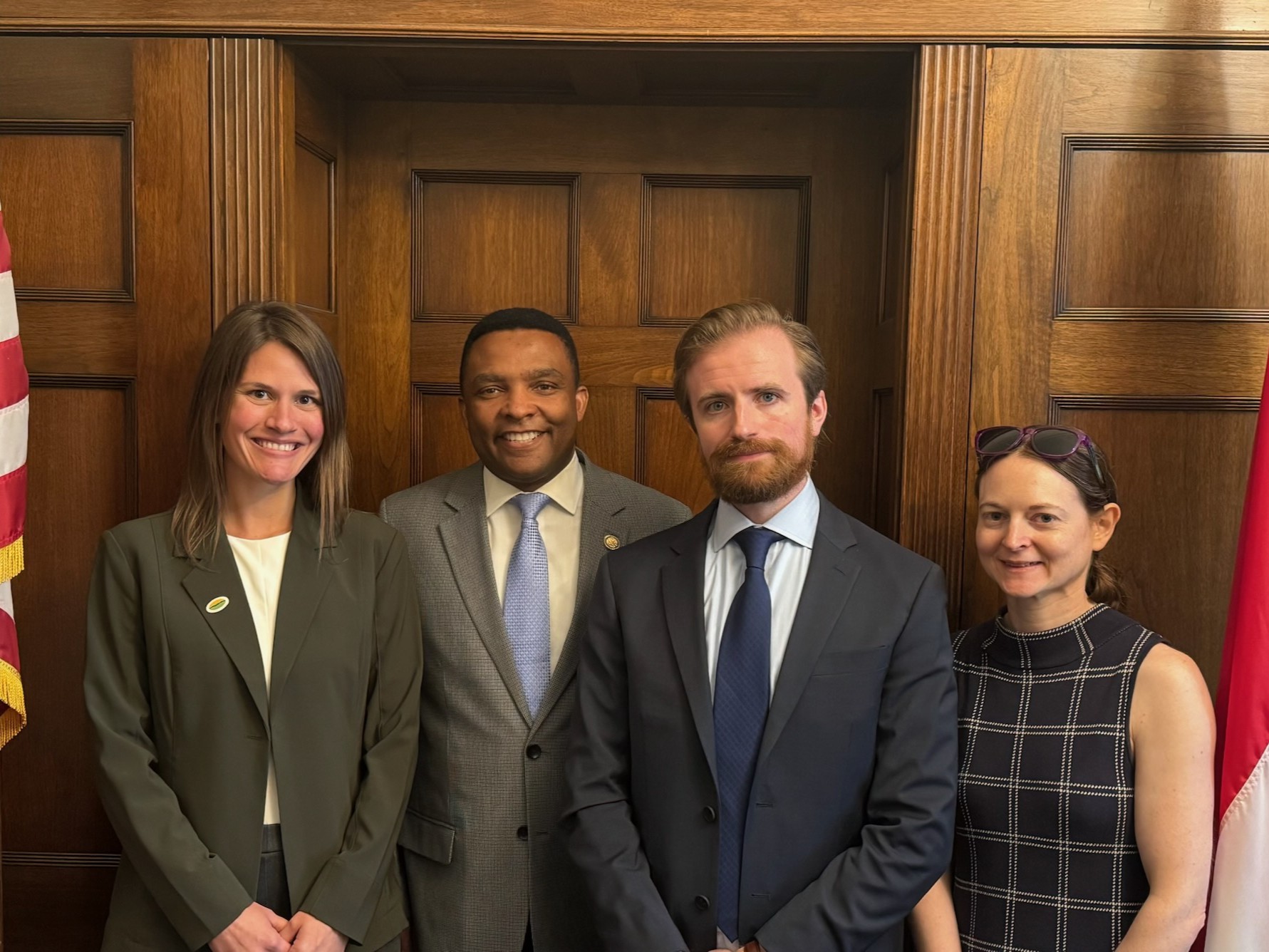
As a resident of North Carolina - a purple state notorious for its partisan gerrymandering, which heavily favors Republicans - I met predominantly with Republicans on this trip. We visited the offices of Senators Thom Tillis (R) and Ted Budd (R), along with Representatives Chuck Edwards (R) and Don Davis (D). I also accompanied other participants on staff meetings with the offices of Senators Van Drew (R) of New Jersey and Fetterman (D) of Pennsylvania. I was pleasantly surprised by how receptive most staffers were to our requests - even those for senators and representatives who have historically voted against environmental protections. The conversations felt both cordial and productive. Rep. Davis even dropped by to introduce himself and thank us for our work with Sierra Club (pictured below).
The lobby included participants from all over the country, including states such as Pennsylvania, California, Montana, and Arizona. In both my own meetings and those I tagged along for, it became clear how meaningful and effective it was to have actual constituents lobbying on behalf of the public lands that they have such a strong personal relationship with. Where I live, for example, the USDA's proposed Roadless Rule rescission (one of our primary public lands topics) would open up over 150,000 acres of Western North Carolina's national forests to logging and mining. This includes some of my favorite spots for hiking and camping. It is undoubtedly important for legislators to hear how their constituents are personally affected by these attacks on our environment.
In spite of the hyperpartisanship our country has seen in recent years, public lands remain overwhelmingly popular across partisan lines. However, we cannot afford to let our guard down on these issues. I am reminded of the deeply unpopular public land sales provision Utah Senator Mike Lee (R) attempted to include in last year's budget reconciliation bill, which would have mandated the sale of millions of acres of public lands to private developers. The provision was dropped following overwhelming bi-partisan public opposition. It failed because the people of this country made their voices loud and clear.
This month, our advocacy made a difference once again. During the lobby week, we asked members of Congress to oppose Congressional Review Act resolutions led by Sen. Lee and Utah Rep. Celeste Maloy to overturn the beloved Grand Staircase-Escalante National Monument's management plan. After overwhelming public opposition, this fast-track attempt to undo the plan and its protections failed in early June.
Environmental advocacy remains as critical as ever. There will always be those who seek to profit by selling off our country’s natural wonders to the highest bidder. It is our responsibility, as citizens of this country and users of these lands, to do everything in our power to protect these spaces and the species that depend upon them. Just as previous generations fought to establish these protections, we must fight to keep them.
“Here is your country. Cherish these natural wonders, cherish the natural resources, cherish the history and romance as a sacred heritage, for your children and your children's children. Do not let selfish men or greedy interests skin your country of its beauty, its riches, or its romance.” - Theodore Roosevelt