Meet the Staff of Sierra Club California - Part 2
Why Clearcutting and Fire Suppression Aren’t the Answers
Protecting California's Water: The Battle for the Delta Rages On
Honoring Long Time Volunteer Chuck Gooley
Meet the Staff of Sierra Club California - Part 2

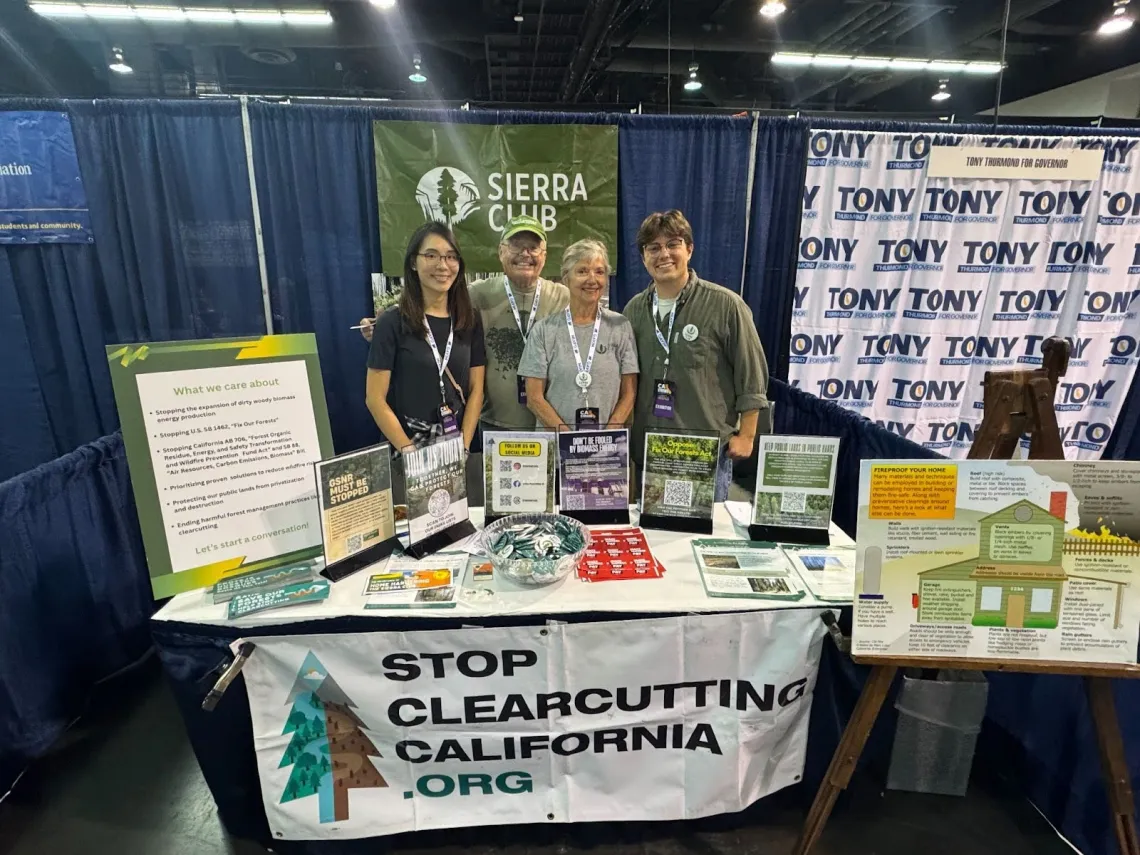
Meet the second group of Sierra Club California’s staff! If you missed part one, check it out here. We wanted to offer our volunteers the opportunity to learn a little bit more about our incredible team. We hope this look behind the curtain helps show the personal side of the tireless Sierra Club California advocates who fight for the environment every day.
We also want to shout out some upcoming birthdays and anniversaries! Geraldine, our Operations & Advancement Senior Coordinator will be celebrating her eleventh anniversary with Sierra Club California on June 22nd. Water Campaign Manager Caty Wagner will be celebrating her fifth. Last but not least, Jakob Evans, one of our Policy Strategists, is having his birthday on June 29th.
Why did you decide to join Sierra Club California?
- Miguel: Coming from an EJ community prepared me to work in this field where you get to make a difference on a daily basis. Joining Sierra Club was an opportunity to make that impact across the communities like mine and offer a chance for an equitable climate future.
- Destiny: I was working at a local nonprofit, and although I enjoyed that I wanted to have a bigger impact. I knew the good work Sierra Club was doing, and I wanted to be part of big change.
- Molly: I actually started as a volunteer with the Sierra Club fighting fracking in my home community when I was in college. It was my first exposure to the environmental movement, and that experience formed my passion for environmental policy. Naturally, when I graduated and was looking for jobs, Sierra Club was the first that came to mind.
- Caty: My aunt was always a huge fan of the Sierra Club, and she was one of my favorite people, so I would frequently check their job board in her honor. When I saw my current position posted, I knew it was the perfect fit for me to blend my skills with my passion for wetlands and equity work.
- Geraldine: I’ve spent much of my career in private, for-profit companies and gained valuable experience along the way. I reached a point where I wanted my day-to-day work to contribute to something more meaningful – something that benefits communities and helps protect the planet.
What’s your favorite project you’ve worked on here?
- Miguel: Although I am fairly new, the most intense project I have worked on with the staff is the Water Campaign as it is one that connects multiples issues and requires a constant presence from community and staff
- Destiny: It’s still a work in progress, but always working to have our volunteer program run better and more efficiently. I truly believe it’s our volunteers that make us who we are.
- Molly: I developed the In-District Lobbying program in 2019 under the direction of previous SCC director Kathryn Phillips. It’s been exciting to see it expand and evolve over the years as our fantastic organizer Layne Fajeau and policy strategist Jakob Evans have taken it to new heights.
- Caty: Stopping the Delta Tunnel! It’s a nightmare for Bay Delta ecosystems and my heart breaks for the communities that have been fighting it for generations- since before I was even born. It’s an archaic symbol of ego and a lack of innovation or forward thinking at this point. We can do better than this waste of money. We deserve better!
- Geraldine: All that finance, admin, and fundraising behind-the-scenes work I do for Sierra Club California projects is very fulfilling for me.
Where’s a natural space in California that’s especially important to you?
- Miguel: The Santa Monica Mountains will always be my favorite space. It is the closest landscape near me that offered me a chance to study my geology degree but also learn about the natural world so close to home.
- Destiny: This is a particularly hard question because California is full of so many beautiful natural spaces. I would say the longer I’ve been away from home the more precious the olive and cherry fields I grew up next to have become.
- Molly: The California coastal redwoods on the lost coast of Northern CA is one of my favorite places on Earth. I would go camping there with my family every summer as a kid. Haven’t found Bigfoot yet, but he’s out there.
- Caty: I have covered almost every corner of California and love all of her, but I feel the magic on the Central Coast, especially at Montaña de Oro State Park. I live for a good super bloom, too!
- Geraldine: I’d say Burney Falls. It is not only beautiful, it’s a fantastic place to camp. My friends and I enjoy being at the campground which is nestled in a lush forest of pines and oaks. The peaceful surroundings and wide-open skies make it an ideal spot for stargazing!
What’s the last album/TV show/movie you really enjoyed?
- Miguel: I love watching the Alien series as it’s one that really challenges the notions of desperation once resources on earth pushes society to terraform. Lots of underlying messaging that makes the film exciting.
- Destiny: La Gran Seducción! It’s a Mexican film about a Pueblo who needs a doctor. It’s a true story and it highlights the stories of these forgotten places, and how they can come back to life.
- Molly: I just finished this documentary called “The Handmaid’s Tale”. The 6th and final season just concluded and there was a revolution against the oppressive authoritarian regime of Gilead. I took some very good notes.
- Caty: I’m enjoying Hacks, with powerhouse Jean Smart. The best film I’ve seen in theatres recently is The Teacher, written and directed by Farah Nabulsi. My favorite recent read is Running Out of Air by Lilli Sutton. My favorite album right now is Stick Season by Noah Kahan.
- Geraldine: I am into action thriller movies, and the most recent one I enjoyed watching is “Carry-On”. It is a tightly plotted film that delivers compelling twists without unnecessary fluff.
Why Clearcutting and Fire Suppression Aren’t the Answers
Nearly 150 days have passed since the Palisades and Eaton fires. These disastrous events ignited important conversations around how California responds to climate change driven events. Before we can fully engage in discussions about how to respond to the fires we see now, it’s crucial that we understand the first wave of fire suppression policies and how they shaped our current predicament.
In the year 1910, the United States witnessed one of its largest and most devastating fires, which spanned three states–Montana, Idaho and Washington–and burned nearly 3 million acres of land. At the time, the United States Forest Service was only 5 years into its inception but still deployed 4,000 personnel to assist in fire fighting efforts. Unfortunately, 87 people died in the wake of this event, and this sparked a new paradigm in fire policies under the notion that no fire in any form was considered a benefit to society. An overwhelming response based on the tragic loss of life and destruction led to investing heavily in firefighting resources, air tankers, and ground crews.
Over time, this “war” against fire influenced campaigns like Smokey the Bear which broadened the responsibility of fire suppression to the public. While this approach undoubtedly saved countless lives and structures in the short term, there was little bandwidth to consider other solutions beyond strict suppression. Before the 1910 fire, dubbed the “Big Burn,” there were growing interests in controlled burning practices that recognized a value in the biological and natural processes fire plays in forest life cycles. However, the sheer scale of the Big Burn cemented the conviction that all fires were destructive and needed to be extinguished immediately. This singular focus on suppression led to a century of fuel accumulation across our landscapes, creating an ecological imbalance where forests became unnaturally dense and ripe for the catastrophic megafires we see today.
Beyond just fire suppression, the history of logging practices in California has also played a significant role in shaping the state's vulnerability to extreme wildfires. For many years, logging in California's forests often involved selective harvesting, where loggers would target and remove large, mature trees like ponderosa pines. These older trees were naturally more resistant to fire due to their thick bark and higher canopies, and their removal opened up the forest floor, actually helping to keep the overall forest less dense and more resilient to low-intensity fires.
However, as the timber industry evolved, there was a shift towards more intensive logging methods, particularly clear-cutting. This practice involved removing most or all trees from a given area, essentially wiping the slate clean. While this might seem like it would reduce fire risk by removing all the fuel, it often had the opposite long-term effect. When a forest is clear-cut, it's frequently replanted with fast-growing and densely packed trees. These tree replants lack the natural diversity and structure to slow fire spread and are considered highly flammable.
Sierra Club California, powered by its volunteer advocates, has been a prominent voice in this ongoing discussion. We advocate for forest management approaches that prioritize ecological health and long-term fire resilience over industrial logging. We have consistently raised concerns about the negative impacts of clear-cutting and other aggressive timber harvest practices, arguing that such methods contribute to increased wildfire risk, climate change, and biodiversity loss. For years, our volunteers have been emphasizing the importance of challenging clear cutting practices that they believe are not ecologically sound or that fail to adequately address wildfire risk and climate change impacts.
We now find ourselves at the cusp of similar conversations the nation found itself in back in 1910. This time, the evolving reality of our climate -marked by prolonged droughts, higher temperatures, and extreme wind events - is revealing the inherent limitations and counterproductiveness of a purely suppression-focused strategy. We are witnessing a clear shift in fire behavior, with megafires becoming the new norm, burning hotter, faster, and across wider areas than ever before. These fires are often unstoppable once they gain momentum, rendering traditional suppression tactics less effective and putting firefighters at greater risk. The financial burden of these suppression efforts is also staggering, consuming a massive portion of state and federal budgets, yet offering diminishing returns in terms of actual protection.
Ultimately, climate change will continue to challenge our preconceived notions of fire policies. We must acknowledge that "fire season" is becoming a year-round reality, and that living with fire, rather than endlessly fighting it, is our unavoidable future. This means moving beyond a reactive, crisis-driven model to a proactive, resilience-focused paradigm. It requires a collaborative effort involving policymakers, homeowners, land managers, and fire professionals to build a California that is not only better equipped to withstand the inevitable challenges of a changing climate but also thrives in harmony with its natural, fire-prone landscapes. The conversations sparked by the Palisades and Eaton fires are just the beginning; the real work lies in transforming those conversations into lasting policy changes that protect our communities and our future.
The Battle for the Delta Rages On
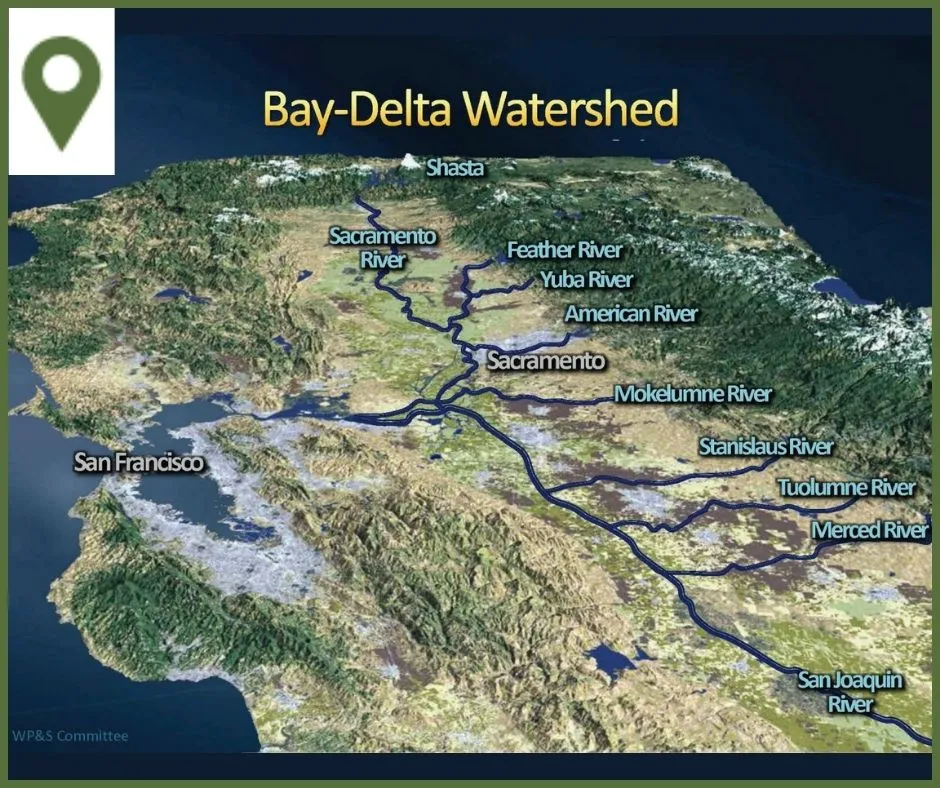
California's Sacramento-San Joaquin Delta, a vital ecological and economic hub, is currently at the heart of a contentious battle over the state's water future. Governor Gavin Newsom's recent budget proposals, specifically "trailer bills" aimed at fast-tracking the Delta Conveyance Project (the Delta Tunnel) — a controversial 45-mile tunnel — have ignited fierce opposition from environmental groups, local communities, and lawmakers from both parties. The Delta is an intricate network of waterways where the Sacramento and San Joaquin Rivers converge before flowing into San Francisco Bay. This vast estuary is not only the largest on the West Coast but also provides fresh water to over two-thirds of California's population and supports a rich tapestry of plant and animal species, including endangered native fish and migratory birds. However, historical modifications, climate change, and growing water demands continue to threaten the balance of the Delta.
On May 14th, Governor Newsom released his proposed revised budget for the State, known as the May Revise. During this revision, the Governor introduced several "trailer bills" which included funding for the controversial Delta Tunnel. In California, a trailer bill is a legislative vehicle designed to make the statutory changes necessary to implement the policies outlined in the main Budget Act. While they function much like any other bill, they typically take effect immediately upon being signed by the Governor with a simple majority vote, and often bypass the more rigorous and public legislative review process that regular policy bills undergo. This expedited process means that significant policy shifts, like those impacting environmental regulations and legal challenges to a major infrastructure project, can be moved through with less public exposure and debate compared to traditional legislation. For major projects like the Delta Tunnel, this process raises major concerns about transparency and democratic accountability.
Sierra Club California continues to argue that the proposed trailer bills, embedded within the state budget to accelerate the project, pose significant risks. These concerns center on several key areas. The bills aim to undermine environmental protections by seeking to relax established environmental review processes, potentially exempting the Department of Water Resources (DWR) from crucial permitting timelines and oversight by the State Water Resources Control Board (SWRCB). This could lead to irreversible harm to the Delta's already vulnerable ecosystem, jeopardizing endangered species and water quality. Additionally, these proposals risk limiting public oversight and legal recourse, making it more difficult for the public, local communities, and environmental organizations to protest permits or challenge the project in court.
This reduction in transparency severely reduces the ability of impacted communities to voice their concerns. There are also questionable financial burdens associated with the project; while DWR claims the $20 billion (and potentially higher) project will be funded solely by participating water agencies, opponents, including Restore the Delta, warn of a "blank check" that could lead to higher water bills for ratepayers and a significant financial burden without appropriate accountability.
For years, Sierra Club California has argued with state legislators that there is a constant neglect at reviewing sustainable alternatives and advocating instead for aggressive water conservation, expanded recycling programs, and enhanced groundwater recharge, which can be more effective, environmentally sound, and capable of addressing California's water needs quicker than a decades-long tunnel project. Most importantly, the Delta Tunnel will have significant impacts on Delta communities and tribal sovereignty, threatening to displace prime farmland, disrupt local economies, and erode the cultural heritage of Delta communities, while also potentially infringing on Native American tribal sovereignty by limiting their ability to protect ancestral lands and vital resources. The Legislative Analyst's Office (LAO) has also weighed in, recommending that the Legislature defer action on these policy-heavy proposals, emphasizing the need for more thorough consideration of their broad implications.
Sierra Club California is a leading voice in the coalition fighting the Delta tunnel and advocating for responsible water management. Polling conducted by Restore the Delta with Sierra Club California's support, revealed that 58% of California voters oppose the Delta tunnel after hearing arguments for and against it. This significant opposition, a 24-point lead over those in favor, underscores a clear public preference for alternative solutions, with 62% favoring investment in local water supplies over the tunnel. Sierra Club California is also engaged in legal challenges, having filed lawsuits alongside other environmental organizations to contest DWR's approval of the Delta Tunnel, asserting that the environmental review was inadequate and violated the California Environmental Quality Act (CEQA).
The battle for the Delta represents a pivotal moment for California's environmental and economic future. As Governor Newsom pushes for accelerated action, the resolve of those fighting to protect this vital resource remains strong, underscoring the ongoing debate over how California will secure its water future in a changing climate.
Take Action: Help Us #StopTheDeltaTunnel Today!
The Governor's May Revision trailer bill proposals seek to fast-track the Delta Tunnel and undermine the Bay-Delta Water Quality Control Plan through the state budget process. These bills would circumvent water law, environmental protections, public participation, and due process, prioritizing the interests of powerful water exporters over Delta communities, Tribes, the salmon fishing industry, and vulnerable ecosystems. With a vote possibly scheduled for Sunday, June 15 (Father's Day), time is of the essence. We only have one week left to stop them!
Here's how you can make a difference:
- Contact your Legislator TODAY! Your call is crucial in protecting the ecosystems and communities throughout the Delta.
- Find your California Assembly Member and State Senator: Visit the official California State Assembly website's "Find Your Representative" tool or the California State Senate's "Find My Senator" page. Enter your address to get their contact information.
- Call your Assembly Member and State Senator and tell them to VOTE NO on these trailer bills and stop the environmentally destructive Delta Tunnel at this crucial juncture. Emphasize that these are sweeping, substantive policy changes that must be subject to full legislative review, not hurried through the budget process.
- Join a Webinar: Learn more about the trailer bills, the Delta tunnel, the Metropolitan Water District (MWD), an audit of the Department of Water Resources, and more.
Sign up for the upcoming webinar on Monday, June 9 at 6 PM PDT. - Participate in a Virtual Phone Bank: Join us to make calls and rally more support against these harmful bills.
Phone banks are scheduled for Wednesday, June 11 at 12pm or Thursday, June 12 at 6pm. Stay Informed and Get Involved: Visit the Sierra Club California website's "Get Involved" section to join their activist email list for real-time updates on legislative and regulatory issues, and to learn about other steps you can take. Your participation is vital in making sure the environment has a strong voice in the Capitol.
Honoring Long Time Volunteer Chuck Gooley
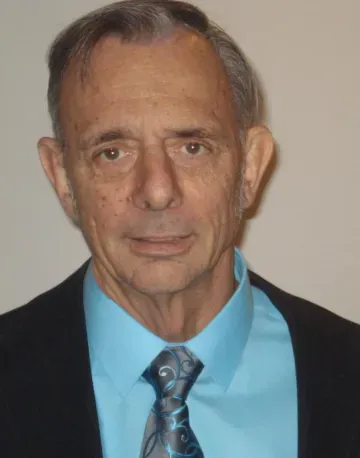
It is with deep sadness that we share the passing of Charles “Chuck” Gooley on Sunday, May 4, 2025. Chuck was a beloved member of the Sierra Club family, and his contributions and presence will be missed by all who knew and worked with him. You can read about Chuck's impact as a volunteer in this Angeles Chapter blog post.
Follow Us:
  |
Thank you for being a part of our work! Consider making a monthly donation. You may securely donate online or by sending a check to Sierra Club California at 909 12th Street, Suite 202, Sacramento, CA 95814.
