
Suffocation By Warehouses: Review of “Region In Crisis 2”
California Cannot Afford a Transportation Bill That Takes Us Backward
A Better Path Forward for California Water
Episode 5 of The Climate Dispatch podcast is out and ready for you to enjoy!
Suffocation By Warehouses: Review of “Region In Crisis 2”
By Ismael Gonzalez, Vice-Chair, Box Springs Group, San Gorgonio Chapter
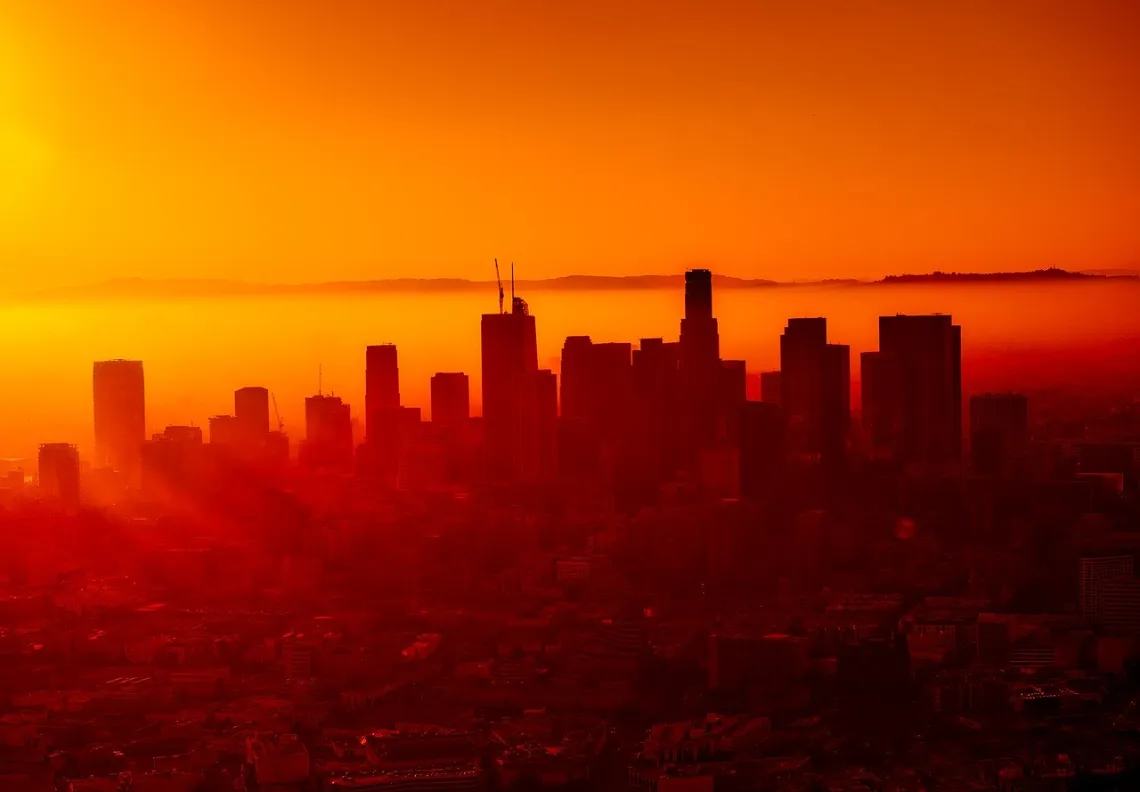
Just an hour East of Los Angeles, over 4 million Americans call The Inland Empire (“IE”) home. That’s nearly 1 in 9 Californians who reside within Riverside and San Bernardino counties, the 12th largest metropolitan area in the country. According to the American Lung Association’s 2026 State Of The Air report, San Bernardino and Riverside counties are ranked first and second respectively as the most polluted places to live with regards to ozone and particulate matter. This region has been consistently ranked as the nation's worst area for air quality in 26 consecutive years out of the 27 that the report has existed.
For us here in the San Gorgonio Chapter, the sweet and bright scents of our once world-famous citrus groves are becoming all too rare and nostalgic. Instead, the odd and nauseating stench of fuel and burnt rubber is what has become a common, near daily occurrence. A heavy, brown-gray haze lingers above the valley cities for most of the year. Mountain tops appear to float above the smog. Those same mountains which are beautiful and beloved, are the same natural barriers keeping this smog stationary when there are no winds. It seems like the smog is the elephant in the room that locals have become desensitized to. We are quite literally swimming in it, suffocating everyday by it. In a paradoxical sense, everyone who's lived here for some time can easily point out a major cause of this smog but unfortunately more pushback is needed for political, systemic change. The culprits: industrial and logistic warehouses.
The takeover of our region by warehouses and their adverse effects on us and our environment is truly an existential threat. About 40% of the nation’s goods and supplies are sent, distributed, and re-shipped in the Inland Empire after that cargo lands at the Ports of Los Angeles and Long Beach, the biggest ports on the West Coast. If you order something online for home delivery or pick up a common item at a store, chances are it made its journey to you by way of the Inland Empire. The emergence of AI data centers and detention centers are new evolutions to this warehouse epidemic that compound every other hazard. It is our localized manifestation and front-line of the ongoing global climate change catastrophe.
The region is in crisis, no doubt about it. Asking questions, trying to understand why so many people here suffer from respiratory illnesses and cancers led me to Sierra Club and the environmental advocacy work that I now value so much. I was fortunate to find a foundational document early on in my involvement with cornerstone data that I still use to this day, that document being A Region In Crisis: The Rationale For A Public Health State Of Emergency In The Inland Empire (2023) by Amparo Muñoz (Center for Community Action & Environmental Justice), Susan Phillips (Robert Redford Conservancy), Mary Ann Ruiz (Sierra Club), with assistance from Mike McCarthy, Teresa Sabol Spezio, Angelica Gonzalez-Apple, Melissa Sanchez, Arthur Levine, Bobbi Jo Chavarria, Ana Gonzalez, and Marven Norman.
This single document explains in great detail how the warehouse epidemic has become the region's most dangerous contributor for pollution and other hazards. The authors of the document even wrote a letter summarizing their findings and asking the Governor of California to declare a public health state of emergency in the Inland Empire. By way of the South Coast Air Quality Management District, one key finding in this document that I will reiterate here is that residential cancer risk in most of the IE is between the 80th and 90th percentiles due to how toxic the air can be and prolonged exposure. This amazing but sobering read is a must for anyone in the IE area in my opinion. Even more so for any fellow environmentalists and advocates in the area! If you have ever questioned the amount of smog, traffic, and illnesses here in our region, the insights you seek are likely in Region In Crisis.
I highly suggest reading this document if you have not yet since the authors are releasing their follow-up this month — Region In Crisis 2: Warehouse Sprawl, Housing Loss, & Community Harm in California's Inland Empire (2026) by Susan Phillips, Mike McCarthy, Ana Gonzalez, Mary Ann Ruiz, and contributions by Calli McNeil, Francesca Luna Mills, and the Redford Conservancy Student Fellows. In this updated edition, the researching authors provide supplemental data on how the warehouse epidemic is affecting environmental justice, vulnerable communities, land-use zoning, the housing crisis, supply chains, and the decline of jobs. I was able to get an early glimpse and read of Region In Crisis 2 for the Western Riverside County bookclub which is organized jointly by CCAEJ and Sierra Club San Gorgonio Chapter, and here were a few things that stood out to me:
Since 2023, over 55 million square feet of warehouse space has been added to the region’s
existing 1 billion square feet of warehouses. A least 125 million additional square feet of warehouses are pending review. There are over 15 years of warehouses already approved for construction and another 10 years’ worth of warehouses currently pending review.
Despite thousands of acres of land rezoned from residential to industrial use and hundreds of existing homes being demolished to build more warehouses, several municipalities have so much warehouse space that it could hypothetically provide each resident in those areas with a 2,000 square foot, single-family home. Warehouse growth is outpacing population growth by at least a factor of 4.
Warehouse vacancy rates have increased from 0.9% to 6.3% since 2023. Surprisingly, some newer reports for the first quarter of 2026 indicate that warehouses between 250,000-500,000 square feet can have a vacancy rate of up to 20%! According to an analysis by the Institute for Spatial Economic Analysis, 75% of warehouse jobs, and almost two-thirds of transportation jobs and wholesale trade jobs are vulnerable to automation. Absentee owners in Newport Beach own over 126 million square feet of Inland Empire warehouses, the highest of any Southern California city, yet there are no warehouses in the city of Newport Beach at all.
This updated document strengthens the case presented in the first Region In Crisis, and underscores the severity of our current reality with warehouses here in the Inland Empire. Pollution has no bounds, what affects one city will ultimately affect all others nearby. This is a regional emergency that all stakeholders need to be aware of.
In the same vein, our neighboring Sierra Club chapters in San Joaquin Valley: from Kern-Kaweah to Tehipite and even Mother Lode, are all seeing similar impacts from the same industry and the massive warehouse facilities they construct. From Tejon Ranch through Bakersfield, from Fresno up to Stockton and Tracy, these warehouse developments are impacting communities in similar ways to us here in the Inland Empire. Even if you don't live in any of these communities, be advised if you see a huge development project being proposed. Organize your neighbors and oppose it! Consider warehouse moratoriums and ordinance bans!
These facilities take up so much land they will begin to rob people of their horizons and surround them with massive gray concrete walls for miles. They require so many trucks and pollute the area in various ways. The corporations will promise jobs but usually they just bring in a small group of people from elsewhere to maintain the facility. In the next decade or so, a fraction of that, maybe a staff of only 20 people will be needed to manage the operations of these multi-million square feet facilities due to increased reliance on artificial intelligence and robotics. I hope by sharing my perspective and the Region In Crisis data with other impacted California chapters can be useful in strengthening our advocacy and protection of communities, while also forming solidarity with us here in the San Gorgonio Chapter.
California Cannot Afford a Transportation Bill That Takes Us Backward
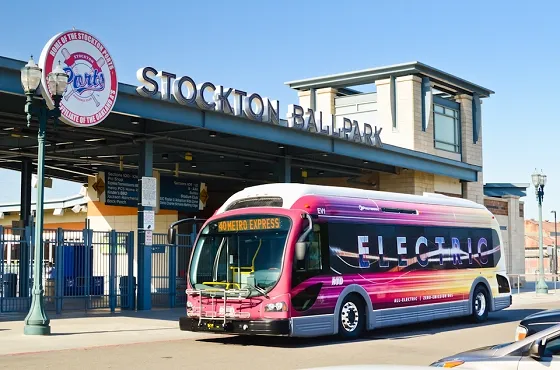
Across California, transportation is not just about how we get from one place to another. It shapes the air we breathe, the money families spend every month, the time we lose in traffic, the safety of our streets, and whether our communities are built around people or around pollution.
For many Californians, transportation is one of the most expensive parts of daily life. Gas prices are volatile and secondary costs like insurance keep climbing. In communities where public transit is limited or unreliable, driving is not really a choice. It is the only option people are given.
That is why Congress’s proposed federal transportation package, the BUILD America 250 Act matters so much.
Every five years, Congress decides how the federal government will spend hundreds of billions of dollars on roads, bridges, public transit, rail, freight, safety, and other transportation programs. This may sound technical, but the consequences are very real. These decisions determine whether communities get cleaner buses, safer sidewalks, electric vehicle charging stations, better rail service, reliable transit, and projects that actually reduce pollution and lower costs.
Right now, Congress is considering a transportation bill that risks wasting this once-in-five-years opportunity.
Instead of fully meeting the moment, the current proposal threatens to move the country backward by weakening or eliminating key clean transportation investments. These are the very programs that help communities move away from dirty, expensive, outdated infrastructure and toward cleaner, safer, more affordable ways to get around.
For California, this is especially serious. Our state is home to some of the worst air pollution in the nation. From the Inland Empire to the San Joaquin Valley, from port-adjacent communities in Los Angeles and Long Beach to neighborhoods along freight corridors across the state, Californians are already living with the consequences of a transportation system built around diesel trucks, long commutes, freeway expansion, and limited alternatives.
We see it in the brown haze that settles over valley communities. We see it in the asthma rates near highways, ports, warehouses, rail yards, and truck routes. We see it when families are forced to drive farther because housing, jobs, schools, and basic services are not connected by reliable transit. We see it when rural communities are left behind because transportation funding does not reach them in a meaningful way.
California has worked for years to move in a cleaner direction. We have pushed for cleaner transportation since Sierra Club California knows these investments are not luxuries. They are public health, affordability, and climate tools that better our quality of life.
A smarter federal transportation bill should help California continue moving toward a cleaner, more affordable, and more reliable transportation future. That means supporting the kinds of investments that make daily life easier for communities and support the tools that help reduce costs, clean the air, protect public health, and give people more choices in how they get around.
Instead, the current proposal risks doing the opposite. It would pull back from critical clean transportation programs at the exact moment when California communities need more support, not less. It would make it harder to build the infrastructure needed to cut pollution and lower long-term costs. It would continue a pattern where the communities already carrying the heaviest burden are asked to keep breathing the consequences.
That is not a transportation vision, but a failure of imagination for the solutions we know already work. We know that communities closest to pollution should be first in line for relief, not last. This bill should be a chance to build the future California has been fighting for. It should not lock us into another five years of missed opportunities.
CLICK HERE: Tell Congress to pass a smarter transportation bill
Californians should be clear with Congress. Do not pass a transportation bill that abandons clean air, affordability, public health, and climate progress. Do not weaken the programs that help communities breathe easier and move around more safely. Do not make families pay more while giving them fewer choices.
We need a federal transportation bill that works for people, not just pavement. California needs a bill that helps communities reduce pollution, protect public health, create good jobs, and build transportation systems that actually serve everyday people.
And we need Congress to hear that message now.
Take action today and tell your representative to reject any transportation bill that takes us backward and demand one that works for California families, clean air, and our shared future.
A Better Path Forward for California Water
California’s water future is at a crossroads.
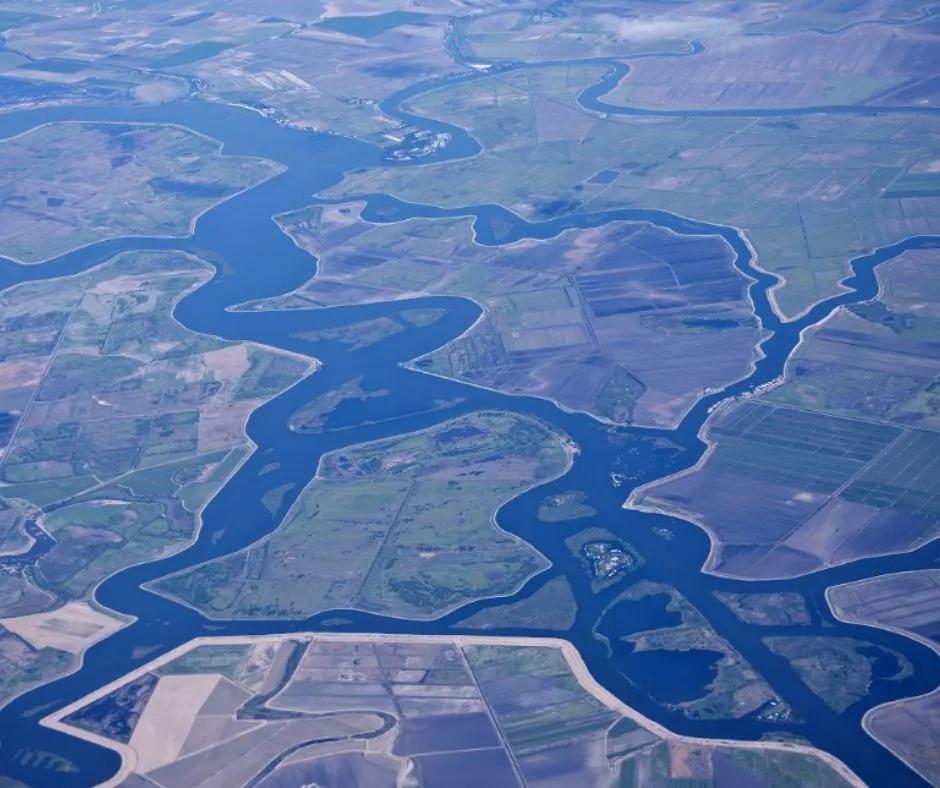
For decades, much of Southern California has relied on water imported from other regions; the Colorado River, the Eastern Sierra, and the Sacramento-San Joaquin Delta. That system helped build the state as we know it, but climate change is making it more fragile, more expensive, and more damaging to the ecosystems and communities that supply the water.
The Colorado River is shrinking and Mono Lake remains dangerously low. The Delta is suffering from degraded water quality, harmful algae blooms, collapsing fish runs, and aging levees. At the same time, state leaders continue to push the Delta Conveyance Project, a massive tunnel that would divert more water from the Sacramento River around the Delta and send it south. The project is expected to cost at least $20 billion and take 15 to 20 years to build.
But there is another path.
A coalition of environmental groups, Tribes, fishing organizations, water policy experts, and environmental justice advocates, including Sierra Club California, is advancing the Water Renaissance Plan. Instead of doubling down on costly water exports, the plan calls for California to invest in local water supplies that are more reliable in a changing climate.
That means expanding wastewater recycling, stormwater capture, groundwater cleanup, water conservation, native landscaping, and other practical solutions that can help communities meet more of their water needs close to home.
Read the full Sierra Magazine article on the Water Renaissance Plan
For California, this is not just a water supply debate. It is about affordability, climate resilience, public health, Tribal rights, salmon and fisheries, and whether we continue asking some communities and ecosystems to carry the burden for the rest of the state.
The Water Renaissance Plan makes a simple but powerful argument: California should invest in the water future we actually need. Local water projects can create jobs, reduce pressure on the Delta and other overdrawn watersheds, make cities more resilient to drought and extreme storms, and help keep water costs from being swallowed by one massive tunnel project.
Many of these solutions are already working. Orange County has one of the world’s largest wastewater recycling systems. San Diego’s Pure Water program is on track to provide a major share of the city’s water in the years ahead. Los Angeles County has committed to dramatically increasing its local water supply by 2045.
The question is not whether California can do this. The question is whether state leaders will choose to fund it.
A century ago, California built huge water projects to move water across the state. Today, we have the chance to be just as ambitious, but in a way that restores ecosystems, protects communities, and builds lasting local resilience.
Episode 5 of The Climate Dispatch podcast is out and ready for you to enjoy!
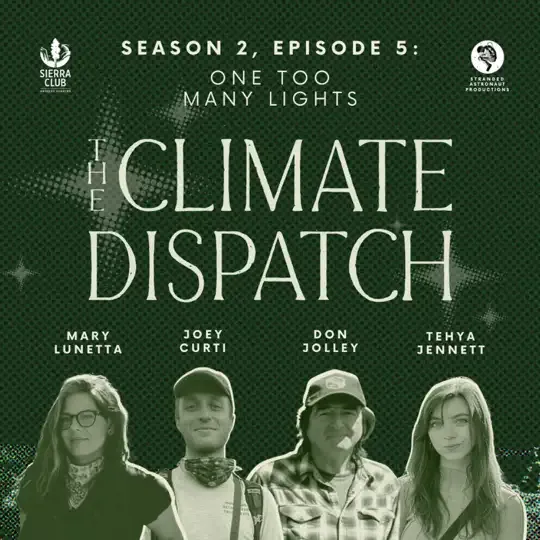
Episode 5: One Too Many Lights
In this episode we sit down with Don Jolley, a middle school teacher in Point Reyes, CA, who leads community stargazing gatherings to discuss the importance of connecting to the night sky.
As light pollution from human developments increases, we learn about what could be lost as with every light that shines in the night, the starry sky above becomes ever more eclipsed.
We also sit down with Sierra Club National Conservation Campaign Strategist Mary Lunetta, and learn about the devastating possible rescinding of the Roadless Rule, which protects 59 million acres of National Forest Land from development. And finally, we speak with Dr. Joey Curti, a postdoctoral researcher at the UCLA La Kretz Center for California Conservation Science, who has studied the impact of the built environment on animals, specifically how light pollution is affecting the bat populations of Southern California.
Guests:
Don Jolley, Night Sky Guide, Dark Sky West Marin
Mary Lunetta, Sierra Club National Conservation Campaign Strategist
Dr. Joseph Curti, UCLA Researcher
Featuring music from Todd Congelliere
Listen on Spotify
Listen On Apple Podcasts
The Climate Dispatch
Check it out at sc.org/climatedispatch and listen today!
Follow Us:
  |
Thank you for being a part of our work! Consider making a monthly donation. You may securely donate online or by sending a check to Sierra Club California at 909 12th Street, Suite 202, Sacramento, CA 95814.
