By Jess Gardner
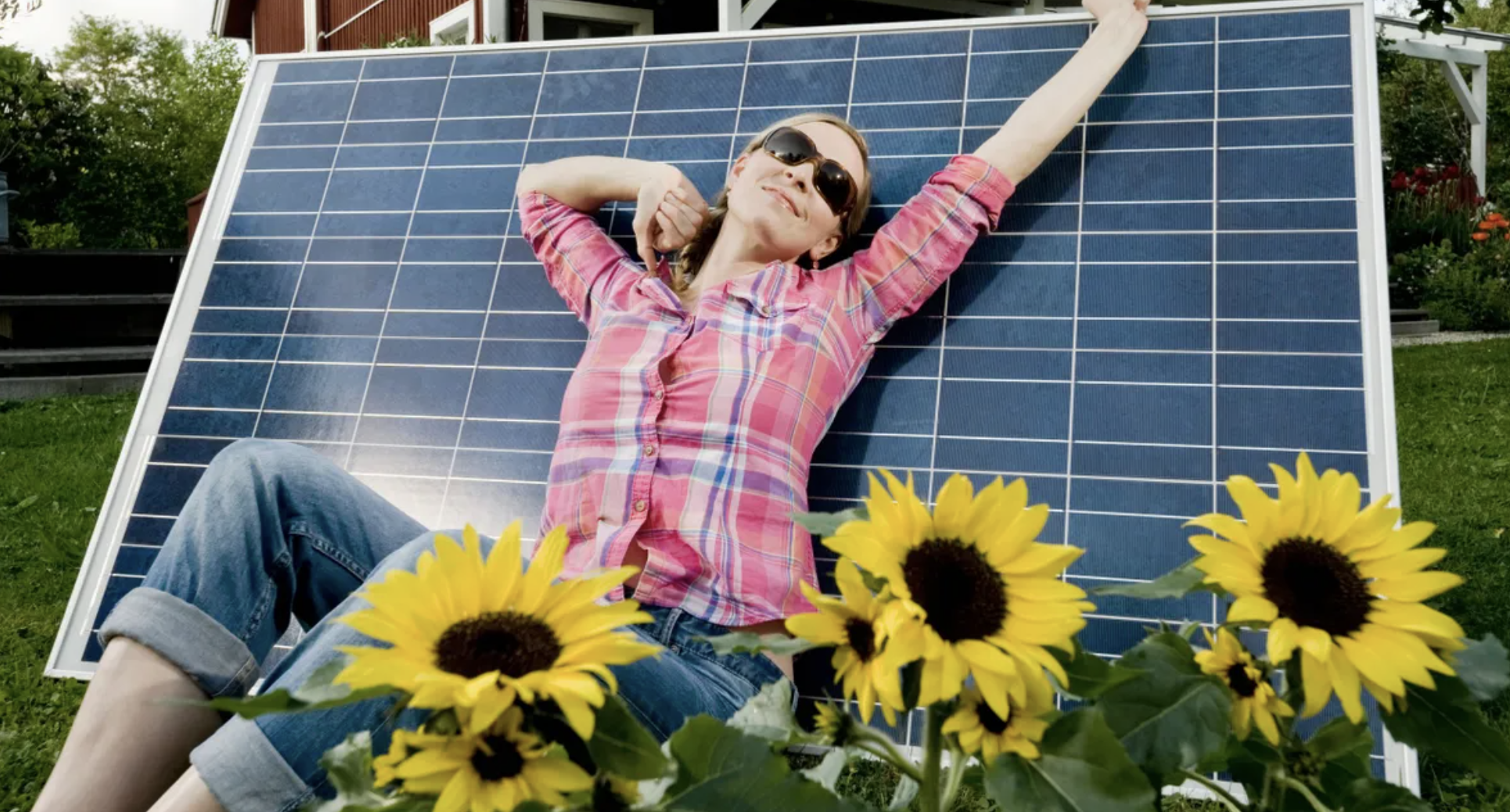
People shouldn’t be the only things soaking up the sun this summer. New legislation on Community Solar in Delaware has made solar energy systems more accessible than ever before and there are both environmental and economic benefits to solar power.
Solar energy is energy harnessed from the sun that is then converted into electricity. “Solar energy systems” are the different types of systems that harness and convert sunlight into electricity. Most solar energy systems generate electricity by using photovoltaic (PV) panels, which are the specific type of solar panels used to produce electricity.
So how do PV panels work? Sunlight is composed of photons and these photons contain energy. The energy making process occurs when the photons collide with a cell on the PV panel. PV panels are made of semiconductor silicons and each cell in a PV panel has a positively and negatively charged layer. These two layers give the PV panel an electric field. When the photon is absorbed into the cell on the PV panel, it frees up electrons from the semiconductor silicons and these free electrons create an electric current which then generates electricity.
From this chemical reaction in the PV panels, solar energy systems can generate both types of electricity: AC electricity and DC electricity (fun fact, the band AC/DC is named after these types of electricity). Direct current, or DC, electricity is the type of electricity that the PV panels automatically generate. Alternating current, or AC, electricity is produced when the DC electricity is put through an inverter, which is another part of a solar electricity system. This AC power is what is used in our electrical grid and in our homes. While the wires in our homes run AC-based electricity, some items, like our battery powered laptops and phones, actually still use DC electricity.
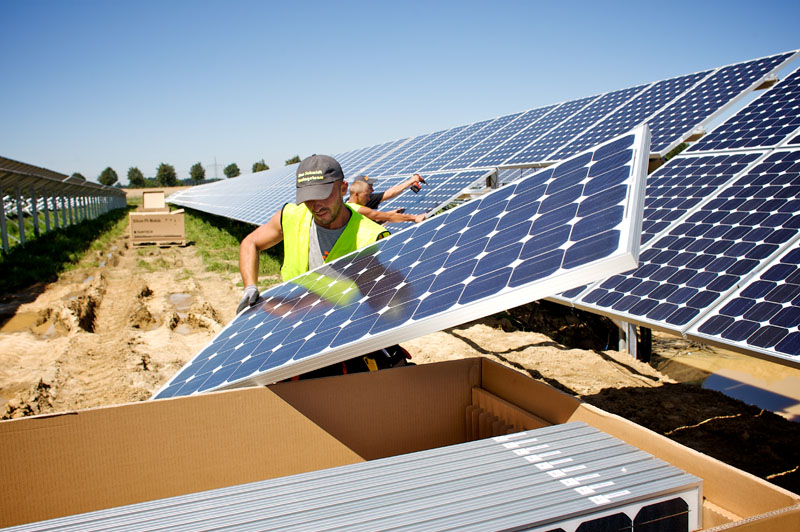 Now that the science behind solar energy systems has been explained, let’s explore why they are beneficial. Solar energy is “green energy” because it comes from a natural and renewable resource, the sun, and because generating solar power does not pollute the environment. Nonrenewable energy sources are not sustainable for the future because they rely on resources that will run out or they pollute our planet during the energy generation process. Even before nonrenewables run out they can create economic problems when they become scarce; which is exactly what is happening right now with the rise of gas prices. However, there is both an abundance of solar energy from the sun and the silicon needed to create the PV panels. Substituting solar power for fossil fuels also helps the environment since it takes away from the amount of pollutant emissions that fossil fuels create. These fossil fuel emissions contribute to global warming and decrease air quality, along with a plethora of other problems, so reducing fossil fuel emission through solar power can really help the environment.
There are also economic benefits to solar energy. The expansion of the solar power industry contributes to economic growth in Delaware by creating new, stable jobs for electricians and engineers. Homeowners who install solar panels generally will pay back the costs of installation within 10 years and after that their electricity bill is reduced by 78-100%, on average. This means that homeowners can save tens of thousands of dollars that would otherwise be going to electricity once the initial investment in solar panels is paid off. Think of it as buying versus renting your electricity every month.
“When you’re paying your electric bill every month you’re basically renting that electricity every month for the rest of your life. If you invest in a solar system, you pay for the system over a course of several years and then after that it’s making free power for you for forever,” stated Dale Davis, President of the Delaware Solar Energy Coalition.
Because solar power helps both the environment and the economy, the Delaware government has recently made it more accessible for people at all income levels by creating the community solar program and through aggregated net metering.
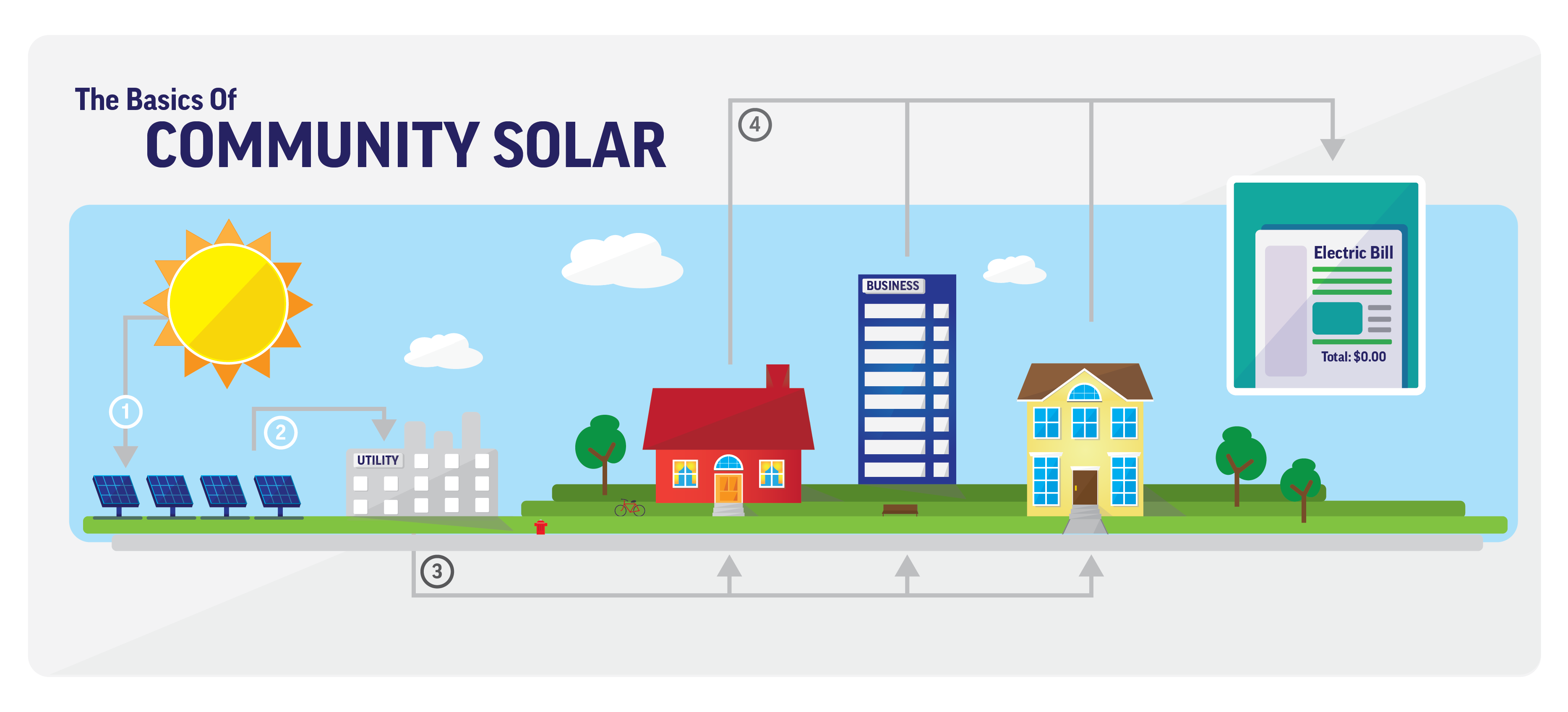 The community solar program was signed into law in September 2021 with the goals of lowering the cost of energy and encouraging more solar energy systems to be installed in Delaware. The law accomplishes these goals by permitting customers to subscribe to large scale community solar energy systems. This law makes solar power accessible to people renting or living in apartments who would not be able to install PV panels and also makes solar power more accessible to lower income people who cannot afford the upfront costs of PV panel installation. The law even requires each solar energy system owner participating in this program to serve at least 15% low income customers.
Aggregated net metering is helpful for sustainable agricultural development. Net metering is an electricity billing system that enables people who produce their own electricity to use that electricity whenever they want instead of when the electricity is produced. Without net metering, solar power could only be used during the daytime when it is being produced, so net metering is a very important tool in the expansion of solar power. Aggregated net metering is a program that allows for a single customer to save energy for later usage in multiple meters. This energy that they are saving is made using a single renewable energy system, typically a PV panel solar energy system. Aggregated net metering is especially helpful to farmers since they have multiple meters that are spread out on their property and because they need different amounts of energy at different times in the year depending on what crops are growing. Not all states have an aggregate net metering system, but here in Delaware we are already seeing how this system is benefiting farmers across the state.
As you can see, solar power is expanding in Delaware and it already supplies 5% of the state’s power, according to a 2021 statistic from the Solar Energy Industries Association. This number will continue to grow as the demand for renewable energy increases and as the Delaware legislature enacts more legislation to continue making solar accessible.