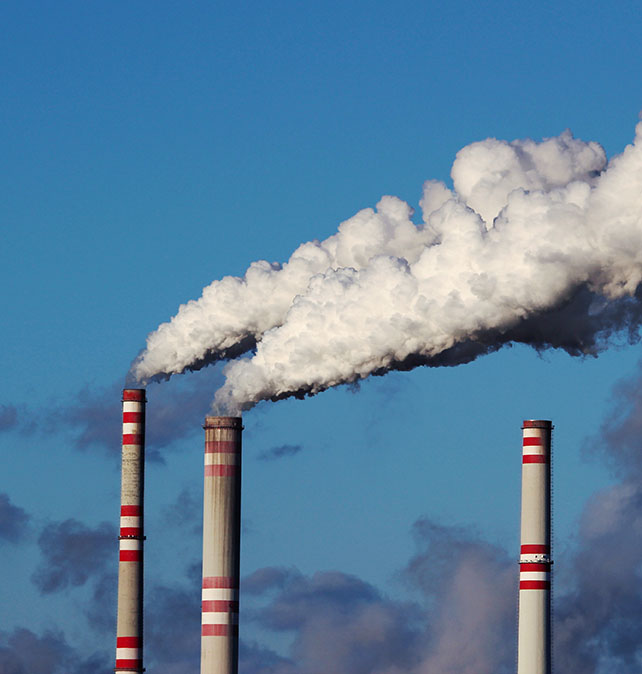
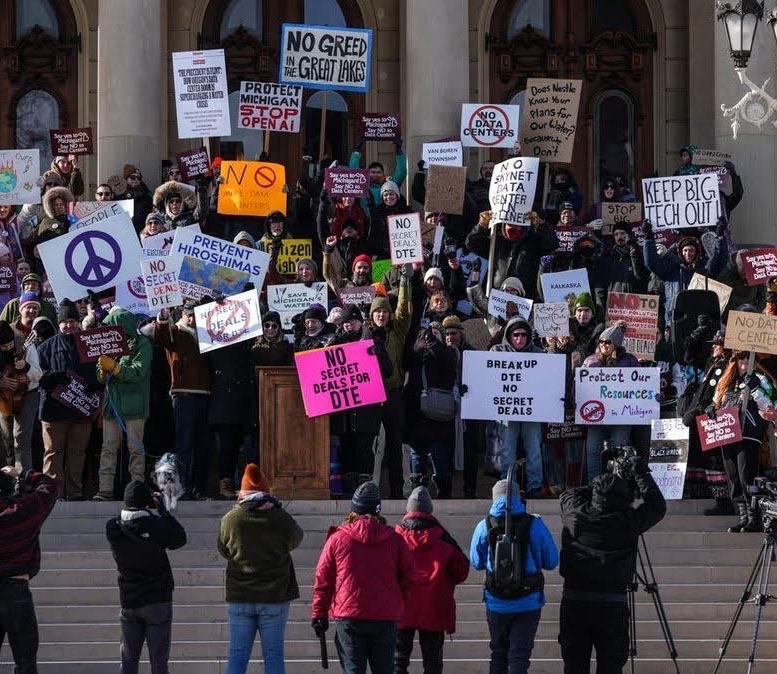
MILWAUKEE, Wis. – The Wisconsin Public Service Commission (PSC) is considering a new rate structure on data centers that favors profits and protections for Big Tech companies and We Energies, putting Wisconsinites at risk to subsidize the infrastructure costs needed for these billion-dollar companies to run their data centers.
Data Centers
Data Centers
The rapid growth of data centers is quickly overwhelming our power sector, undermining environmental and climate goals, increasing public health impacts, and putting ratepayers at risk of dramatically increased costs for the infrastructure and extraordinary power demands of these facilities.

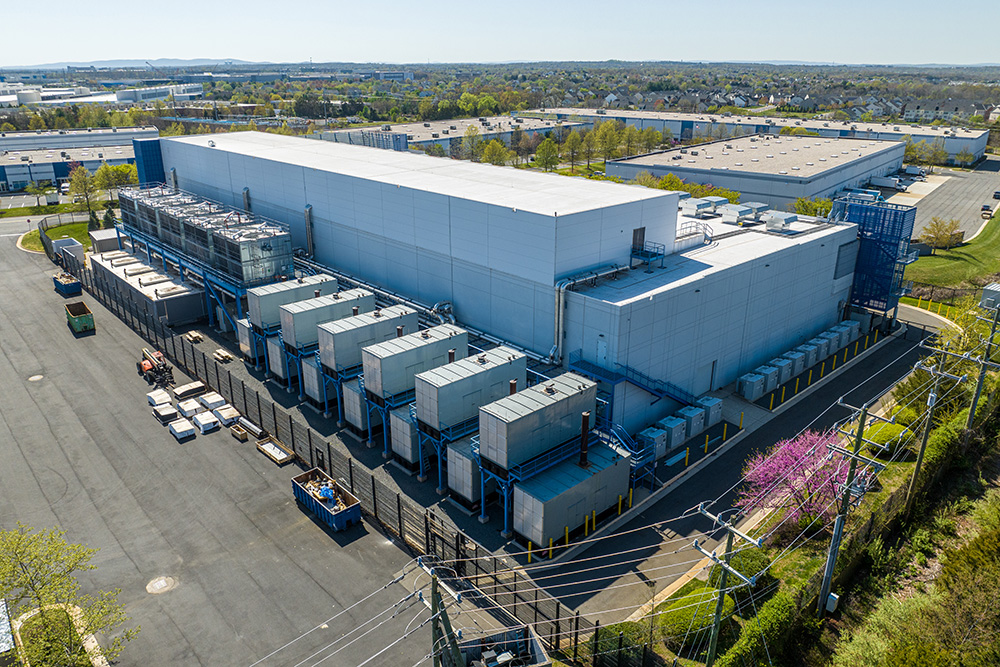
Loudoun County Data Center, photo by Hugh Kelly, PEC. Loudoun County’s data centers alone used over 1 billion gallons of water in 2023.
What are data centers?
Data centers are massive facilities that power cloud computing artificial intelligence (AI). The increasing demand for AI computing power is placing unprecedented strain on the energy grid, our climate, land, water resources, and health of local communities.
Utilities are rushing to build new power plants, often run on fossil fuels, to serve these facilities’ power needs. Data centers bigger than some states are now building their own fossil generation. Without strong safeguards, this industry could wind back critical climate protections, households and small businesses could be left paying for costly infrastructure, and communities could face worsening air pollution, water stress, and land-use conflicts.
Researchers at North Carolina State University found that data centers could increase US electric sector climate emissions by nearly 30 percent by 2030.
About 56% of the electricity used to power data centers nationwide comes from fossil fuels. Data centers’ projected electricity demand in 2030 could increase to up to 183 GW (or 1,360 TWh), which would represent about one quarter total U.S. annual demand.
What are the risks of data centers?
The emergence of AI is rapidly changing our economy. It is also changing the physical landscape of communities across the country as an influx of tech companies seek to build “hyperscale” data centers that support AI.
The largest of these facilities could consume as much energy as a state, like Utah. They can emit extraordinary amounts of pollution, use massive amounts of water, both on site and from fossil power plants, and can occupy hundreds or even thousands of acres. This harms our communities, economy, ratepayers, and environment.
COST Big data centers need a lot of generation and transmission infrastructure, and for many utilities those costs are shared by all customers - including everyday household ratepayers. And if the AI boom shrinks, we could find a lot of utilities, and their customers, holding the bag for all of those costs.
CLIMATE Utilities are rushing to build gas and the administration has promised to bring zombie coal plants back, all to meet the needs of data centers, putting critical climate progress at risk.
POLLUTION Data centers use back up diesel generators, sometimes hundreds of them, which can produce more power than utility power plants. And while those are supposed to be for emergencies only, they might start running a lot more, they’re huge sources of soot and particulates.
A Secret Coal Plant in the DC Suburbs
Sierra Club’s new survey of air permits in Virginia reveals that diesel generators at data centers in Virginia have been permitted to emit nearly 13,000 tons of toxic oxides of nitrogen (NOx) and over 650 tons of particulates (PM) - comparable to the largest coal plants in the country. If these data centers hit their permitted limits, we estimate as many as 177 additional premature mortalities from new air pollution every year, concentrated in Northern Virginia and Maryland.
See the Emissions Data5M
267%
energy cost increases near data centers
Utilities are rushing to build more fossil fuel plants to meet the needs of data centers, putting critical climate progress at risk
Big data centers need a lot of generation and transmission infrastructure. To meet the rush to serve data centers, utilities are proposing a historic build out of new fossil gas power plants. See our gas plant tracker to learn more about the wave of new gas plants planned in your state and across the country.
Victory!
Across the country, Sierra Club and our partners have helped win new state policies that protect customers and communities -- including rates that make sure data centers are paying their own way, transparency requirements, and new ways for technology companies to invest in clean energy in states like Oregon, Missouri, Michigan, Nevada, and Virginia.
What We Are Doing
Sierra Club Michigan helped lead a rapid, statewide campaign to confront the sudden surge of hyperscale AI data center proposals and the converging forces behind them
Sierra Club is working to ensure data centers grow responsibly -- without sacrificing clean air, affordable electricity, or climate progress. We are advancing commonsense state policies that require tech companies to pay their fair share for the electricity and infrastructure they need, instead of shifting costs onto families and small businesses.
Sierra Club is a proud signatory to the Climate Action Campaign’s Principles for Data Center Development and Operation.
While data center proposals are being fast-tracked across the country, everyday Americans are left wondering if the companies that own these projects have their best interest at heart. Local opposition to data centers is rising dramatically, driven by concerns about rising electric prices and affordability, increased fossil generation, air pollution, water use, noise, and land use.
As the Trump administration works to undermine public health in favor of data centers, states need to develop clear, consistent policies and laws to ensure that any data center growth that does occur actually meets a public interest standard. Sierra Club has released our 2027 Data Center Guardrails, State Legislative Menu for local lawmakers, regulators, and advocates to promote policies that protect everyday electricity customers and our environment.
What You Can Do
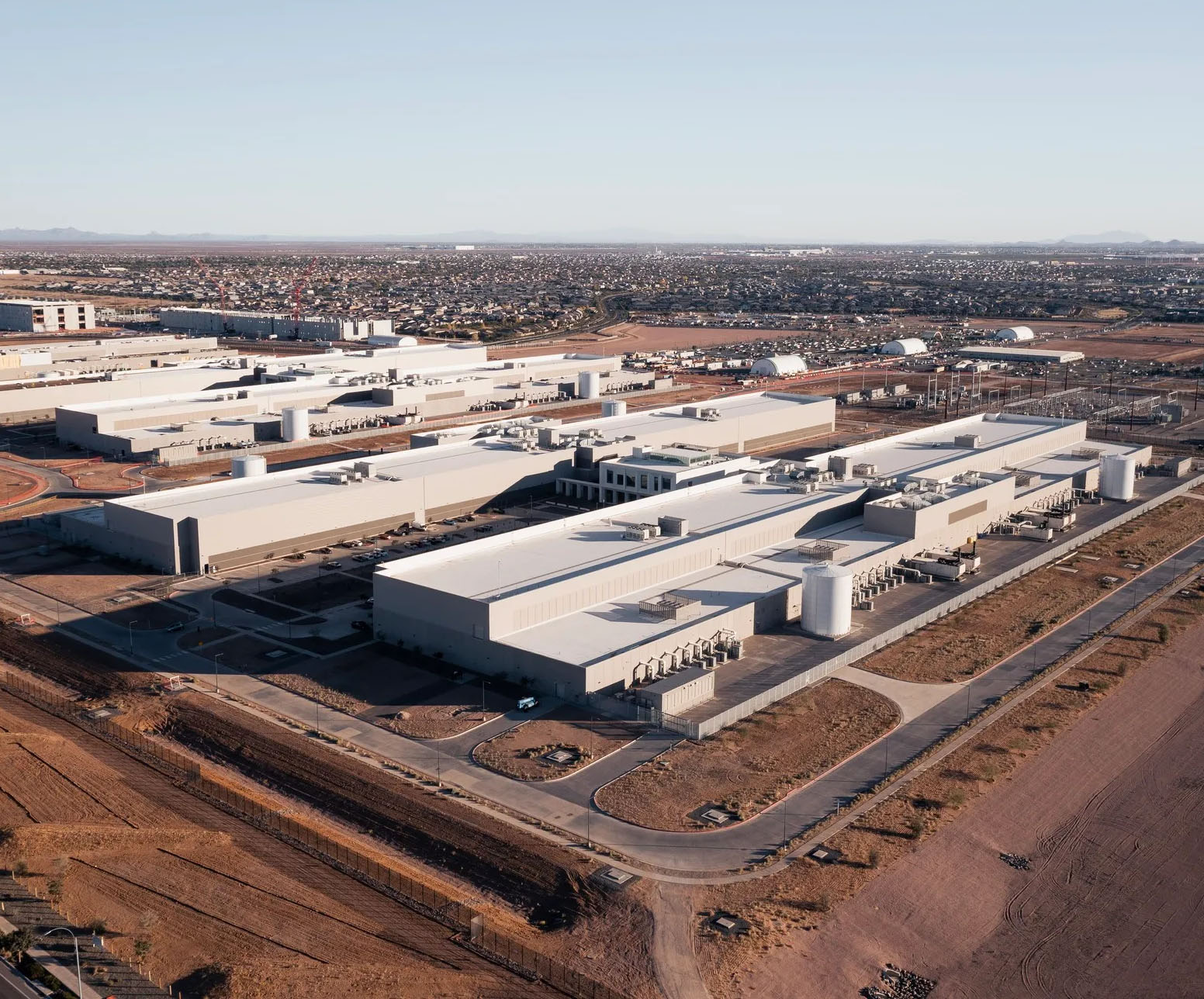
Meta data center in Mesa, Arizona. The growth of data centers risks straining the Southwest’s energy grid and depleting its limited water supply.
If you want to stay informed about what’s happening in your community or help ensure strong safeguards are in place as data centers move in, there are plenty of ways to get involved.
Start by getting engaged early and following the permitting process. Data centers move through several levels of approval, including local permits, air permits, and Public Service Commission proceedings. At each step, you have opportunities to take action:
- Submit a public comment or testify at a hearing
- Organize your community
- Share information so others know what’s at stake
- Help your community pass a local ordinance
Local engagement is one of the most powerful tools we have to ensure data center development is responsible, transparent, and protective of community needs.
Hold Data Centers Accountable for Air Pollution
Resources
This local toolkit is meant to help Wisconsinites understand what hyperscale data centers are, what impacts they have, and what local communities and concerned citizens can do to mitigate the worst impacts.
Webinar exploring how the rush to build large data centers is driving a new climate crisis and what we can do about it.
Northern Virginia hosts the largest concentration of data centers in the world, and each one sports dozens to hundreds of diesel generators. These massive generators are quietly permitted in neighborhoods with almost no public notice or comment.
Demanding Better is a guide for how tech companies can leverage their influence to decrease climate pollution as demand for electricity increases due to their products.
Virginia is at the epicenter of a growing crisis driven by the rapid expansion of data centers coupled with a lack of policy protections.
Press Releases
DES MOINES, Iowa — Last night, Donald Trump issued an executive order seeking to remove state guardrails around artificial intelligence and the infrastructure needed to run AI, including popular state-level initiatives to require data center build transparency, protect privacy, and reduce impacts on electric affordability, air pollution, and water usage.
ATLANTA - Donald Trump has issued an executive order seeking to remove state guardrails around artificial intelligence and the infrastructure needed to run AI, including popular state-level initiatives to require data center build transparency, protect privacy, and reduce impacts on electric affordability and pollution.
Washington, D.C. - Today, Donald Trump issued an executive order seeking to remove state guardrails around artificial intelligence and the infrastructure needed to run AI, including popular state-level initiatives to require data center build transparency, protect privacy, and reduce impacts on electric affordability and pollution.
Columbia, S.C. – The Sierra Club, Duke Energy Carolinas, and other stakeholders reached a settlement agreement on the utility's proposed rate increase before state regulators. The Sierra Club only signed onto the large load settlement agreement with Duke related to new customers like data centers, and did not oppose other stakeholder settlements related to energy efficiency and revenue requirements.
MONTGOMERY, AL. - The Alabama Public Service Commission has approved a two-year rate freeze and large solar power projects for a proposed data center.
Jefferson City, Mo. – Today, the Missouri Public Service Commission (PSC) voted 4-0 to approve a consumer protection plan that governs how data centers, and other power-hungry customers who move into Ameren Missouri’s service territory, pay for electricity.
Pagination
Icons Designed by Freepik