
15 de marzo de 2021
El Senado confirmó hoy a Deb Haaland para liderar el Departamento del Interior. Haaland es la primera indígena en ser miembro del gabinete federal.
Protecting existing monuments, expanding these cherished spaces, and fighting for new monuments is an important piece of Sierra Club's conservation work.
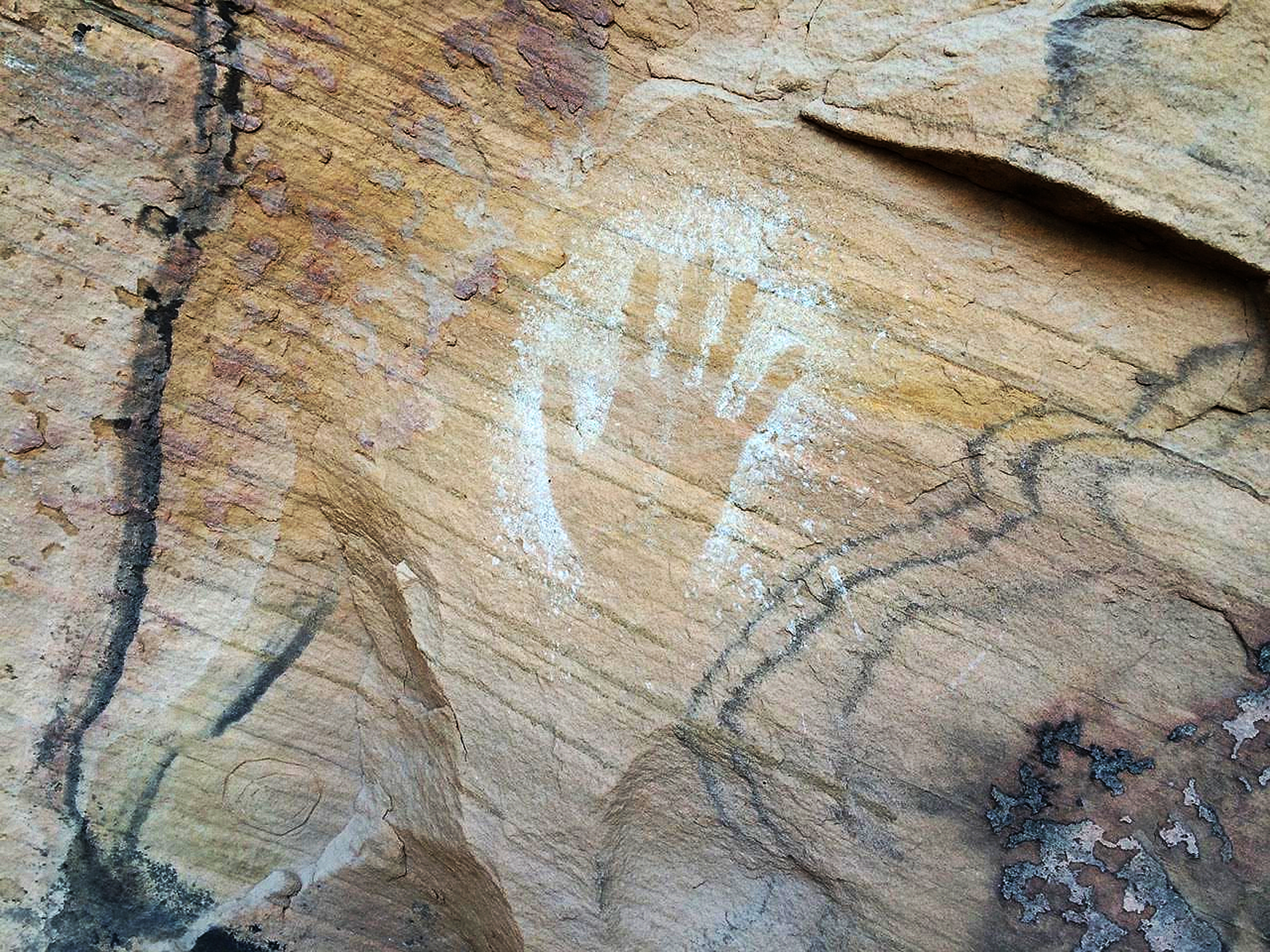
Allen Canyon area Hand print Bears Ears National Monument
National monuments are lands and waters designated for permanent protection by the federal government. They are widely popular across parties. They include areas of important natural, cultural, and historic resources, from geological wonders to sacred Indigenous landscapes to sites that have shaped our history.
Unlike national parks, which only Congress can designate, national monuments can be established by the President. We must fight to keep these places protected! Trump is attempting to dismantle monuments like Bears Ears and Grand Staircase Escalante. We're fighting to safeguard these places in court!.

The United States has over 130 national monuments that are managed by federal agencies. While most are managed by the National Park Service, some are managed by other agencies like the US Forest Service, the US Fish and Wildlife Service, and the Bureau of Land Management.

Canyon of the Ancients National Monument
National monuments are protected lands, waters, or historic sites that safeguard our natural, cultural, scientific, and historic resources and legacies. They are an important tool for protecting public lands and waters for generations to come.
National monuments are also part of our response to the climate crisis. Conserving 30 percent of US lands and waters by 2030 will protect the air we breathe, water we drink, and provide a powerful climate solution. Preserving wildlands will protect vital habitats for imperiled species and save more places to connect with nature. Safeguarding places of cultural and historical significance will help honor the stories, sites, and landscapes that make us who we are.
33
18
presidents have designated monuments
Protecting wild places will keep drilling and logging from polluting our air and water, and suck existing climate pollution out of the air. Creating national monuments is one of the best ways to protect public lands and preserve homes for wildlife and opportunities for people to enjoy the outdoors together.

Paria Rimrocks, Grand Staircase-Escalante National Monument, Utah
The Sierra Club has been pivotal in the conservation and expansion of national monuments for more than a century, reflecting a broader commitment to preserving natural landscapes, combating climate change, and ensuring everyone’s history and connections to US lands are honored and celebrated.
Right now, Donald Trump, the billionaires who bought access to him, and their allies in Congress are waging an all-out assault on our parks and public lands, firing thousands of federal workers who steward these landscapes, shredding conservation protections for fragile ecosystems and places, and seeking to overturn more than a century's worth of conservation history. Their goal is to give public lands to corporate polluters and billionaires to mine, drill, log, and pollute as they please — activities that effectively block access to public lands for everyday people.
We must use every tool at our disposal, from the courts to pressuring our leaders to collective action, to stop this polluter giveaway. Every victory we've won to protect the places we hold dear has been thanks to the grassroots support of advocates like you who have written a letter, called your legislators, attended an event, posted on social media, talked to friends and family, donated, and so much more.
87% complete
Send my message!El Senado confirmó hoy a Deb Haaland para liderar el Departamento del Interior. Haaland es la primera indígena en ser miembro del gabinete federal.
The Senate today confirmed Deb Haaland to lead the Department of the Interior. Haaland is the first Native American to hold a cabinet position.
Today Rep. Grijalva introduced the Save Oak Flat Act to permanently protect the Oak Flat area of Tonto National Forest from destructive mining proposals.
The Biden administration has withdrawn a Final Environmental Impact Statement and decision that would facilitate the transfer of ownership of Oak Flat, a sacred land to at least a dozen Indigenous Tribes, to a mining company with ties to the destruction of an Aboriginal site in Australia. The move follows years of opposition from Apache-Stronghold, the San Carlos Apache Tribe, the Inter Tribal Association of Arizona, and other Tribal entities, religious leaders, locals, and environmental groups.
Today, the US House of Representatives passed the Protecting America’s Wilderness and Public Lands Act in a xx-xx vote— a package of conservation bills that will collectively protect 2.7 million acres of wild lands, waters, green space and recreation areas across the country. Read the bills included in the package and support from organizations here. The bill now heads to the Senate.
The Nevada Assembly introduced yesterday AJR3, a resolution in support of protecting 30 percent of the lands and waters in Nevada by 2030 as a necessary step to protect natural systems and mitigate the climate and extinction crises. The resolution also calls for the establishment of the Avi Kwa Ame National Monument and the permanent protection of the Desert National Wildlife Refuge from the threat of military expansion.
California-- Today, the Biden administration announced that its Department of the Interior will not go forward with an eleventh-hour Trump-era plan to eliminate millions of acres of protections for California’s deserts within the Desert Renewable Energy Conservation Plan (DRECP). In response, Jenny Binstock, Senior Campaign Representative for Sierra Club’s Our Wild America Campaign in California, released the following statement:
El secretario del Interior en funciones, Scott de la Vega, rescindió una orden que eliminó efectivamente el programa de Asociación del Legado de Recreo en la Naturaleza (ORLP).
The U.S. Senate is gearing up for a confirmation hearing on President Biden’s pick for Interior Secretary, Rep. Deb Haaland. The Department of the Interior manages the country’s national parks and approximately 450 million acres of public lands, oversees wildlife and other conservation efforts, and upholds Federal trust responsibilities to Indigenous communities. Haaland would be the first Indigenous Interior Secretary. Her professional and lived experience and her clear-eyed view of the choices facing our public lands should win her confirmation.
WASHINGTON, D.C. -- Today, Acting Secretary of the Interior Scott de la Vega rescinded a Trump-era secretarial order that effectively eliminated the Outdoor Recreation Legacy Partnership (ORLP) program. In one of its final acts under former President Donald Trump, the Department of the Interior quietly eliminated the ORLP program, which uses funds from the Land and Water Conservation Fund (LWCF) to support parks and greenspace projects in cities, urban areas, and historically underserved communities, directing resources where they were most needed.