National Monuments

National Monuments

National Monuments

Protecting existing monuments, expanding these cherished spaces, and fighting for new monuments is an important piece of Sierra Club's conservation work.


Berryessa Snow Mountain National Monument

What is a national monument?

National monuments are lands and waters designated for permanent protection by the federal government. They include areas of important natural, cultural, and historic resources, from geological wonders to sacred Indigenous landscapes to sites that have shaped the history of the United States.

Unlike national parks, which only Congress can designate, national monuments can either be established by the President under the authority of the 1906 Antiquities Act or by an act of Congress.

The United States has over 130 national monuments that are managed by federal agencies. While most are managed by the National Park Service, some are managed by other agencies like the US Forest Service, the US Fish and Wildlife Service, and the Bureau of Land Management.

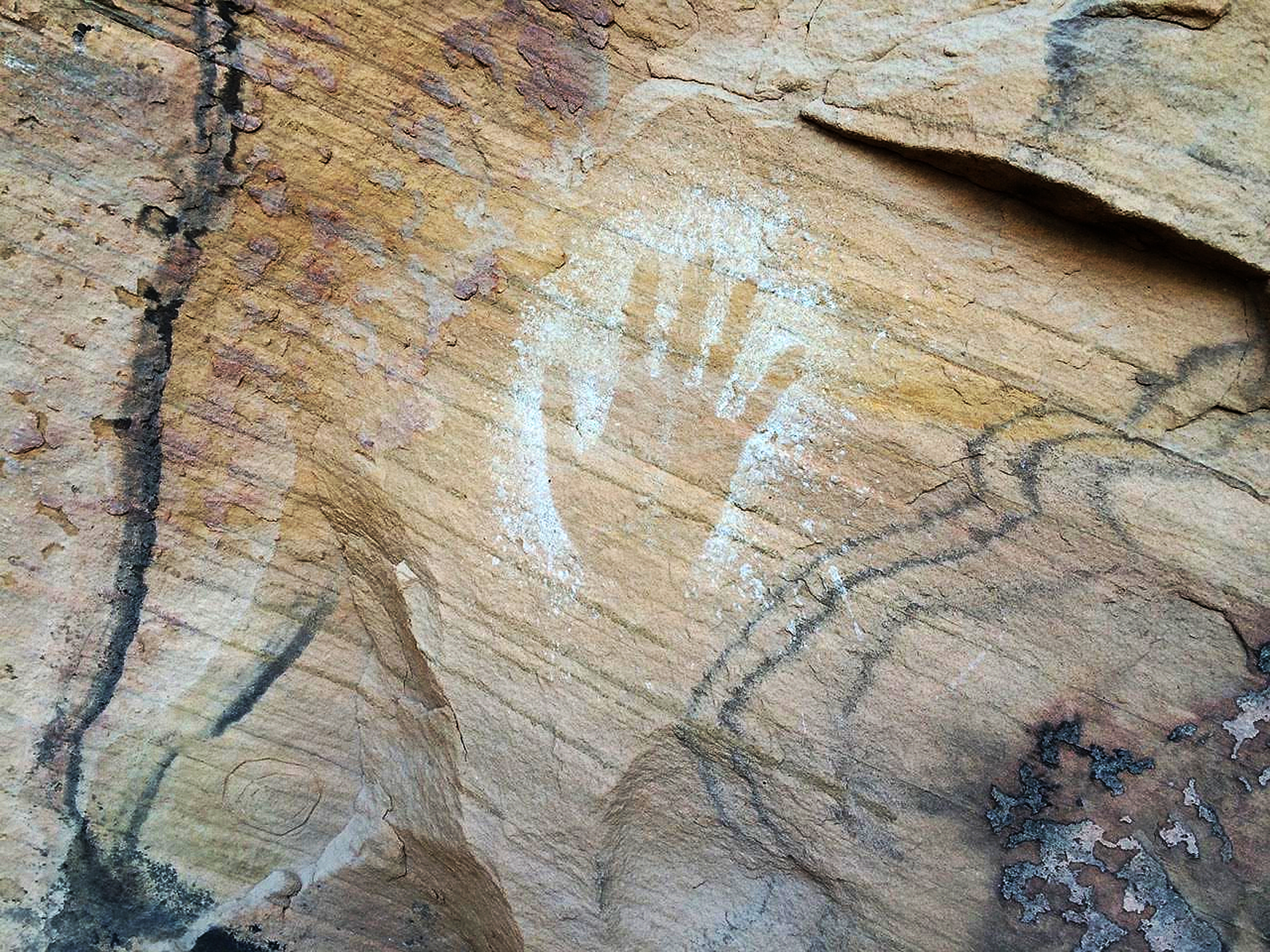
Canyon of the Ancients National Monument

Why are monuments important?

National monuments are protected lands, waters, or historic sites that safeguard our natural, cultural, scientific, and historic resources and legacies. They are an important tool for protecting public lands and waters for generations to come.

National monuments are also part of our response to the climate crisis. Conserving 30 percent of US lands and waters by 2030 will protect the air we breathe, water we drink, and provide a powerful climate solution. Preserving wildlands will protect vital habitats for imperiled species and save more places to connect with nature. Safeguarding places of cultural and historical significance will help honor the stories, sites, and landscapes that make us who we are.

What We Are Doing

Paria Rimrocks, Grand Staircase-Escalante National Monument, Utah

The Sierra Club has been pivotal in the conservation and expansion of national monuments for more than a century, reflecting a broader commitment to preserving natural landscapes, combating climate change, and ensuring everyone’s history and connections to US lands are honored and celebrated.

Right now, Donald Trump, the billionaires who bought access to him, and their allies in Congress are waging an all-out assault on our parks and public lands, firing thousands of federal workers who steward these landscapes, shredding conservation protections for fragile ecosystems and places, and seeking to overturn more than a century's worth of conservation history. Their goal is to give public lands to corporate polluters and billionaires to mine, drill, log, and pollute as they please — activities that effectively block access to public lands for everyday people.

We must use every tool at our disposal, from the courts to pressuring our leaders to collective action, to stop this polluter giveaway. Every victory we've won to protect the places we hold dear has been thanks to the grassroots support of advocates like you who have written a letter, called your legislators, attended an event, posted on social media, talked to friends and family, donated, and so much more.

What You Can Do

May 7, 2019

Denver, CO-- Today, Rep. DeGette introduced the 2019 Colorado Wilderness Act-- legislation that would safeguard more than 740,000 acres of land located in 33 critical wildlife and ecologically-sensitive areas in Colorado. The legislation emphasizes the value of recreation, protection of wildlife and clean water in protecting the lands permanently.

May 2, 2019

WASHINGTON, D.C. -- Energy and Natural Resources Committee Member Senator Maria Cantwell and House Natural Resources Committee Member Representative Ruben Gallego today introduced the Roadless Area Conservation Act. The bill would permanently codify the Roadless Rule and strengthen protections for 58.5 million acres of pristine National Forest System lands across 39 states from logging and road building. Despite the Roadless Rule’s many successes and the millions of taxpayer dollars it saves, there have been multiple Congressional attempts to strip Roadless Rule protections from millions of…

April 23, 2019

Salt Lake City, Utah -- On Earth Day, thirty people, including students, gathered outside of the Utah School and Institutional Trust Lands Administration (SITLA) to urge SITLA to transform its practices to ensure a healthy future and great education for Utah and its students. The protest, organized by Utah Youth Environmental Solutions (UYES), continues Utah students’ momentum and commitment to stress concerns about climate change and its threat to Utah-- particularly its effect on young and future generations.

April 17, 2019

San Juan County has withdrawn its legal support for the Trump administration’s actions to shrink Bears Ears National Monument, which are currently being challenged in court by Tribal Nations and conservation groups, including the Sierra Club. The action follows a decision by the San Juan County Commission to reverse its official stance on changes to Bears Ears National Monumen

April 14, 2019

As major financial institutions and oil companies prepare to gather for their annual general meetings this spring, they’re facing growing pressure from shareholders and activists to commit not to engage in or give financial support for drilling in the coastal plain of the Arctic National Wildlife Refuge.

March 14, 2019

Las Vegas, NV-- Today, the US Forest Service issued their final Environmental Assessment on Nevada’s Ruby Mountains-- denying the Bureau of Land Management’s (BLM) request to offer parcels for leasing in the landscape. The decision comes after after an outpour of public opposition and restricts BLM from offering the sale of parcels in the Ruby Mountains for oil and gas development. In response, Christian Gerlach of the Sierra Club’s Our Wild America campaign released the following statement:

February 28, 2019

A diverse coalition of conservation organizations, community groups and Tribal communities will rally to urge the Nevada State Senate Committee on Natural Resource to pass a state resolution opposing the expansion of the Nevada Test and Training Range (NTTR) into the Desert National Wildlife Refuge.

January 31, 2019

Las Vegas, NV-- Late yesterday, Nevada Senator Catherine Cortez-Masto introduced legislation to protect the state’s Ruby Mountains from potential oil and gas development. According to her staff, the bill would prohibit oil and gas leasing anywhere within the Ruby Mountains Ranger District of the Humboldt-Toiyabe National Forest. The bill marks the first piece of federal legislation to safeguard the Rubies-- a unique landscape that is under threat of leasing to fossil fuel development.

January 10, 2019

LAS VEGAS — Conservation groups today announced a meeting in Las Vegas to educate the public about proposed oil leasing and fracking in Nevada’s Ruby Mountains, and to receive input from Nevadans about their vision for the iconic mountain range. The Rubies are widely known for their abundant wildlife, including Nevada’s largest mule deer herd, critical priority greater sage-grouse habitat, and streams teeming with trout.

December 14, 2018

WASHINGTON, D.C. -- Prompted by more than a dozen investigations into his behavior and actions -- including one that has been sent to the Department of Justice -- Donald Trump announced that Ryan Zinke is out at the Department of the Interior this morning. While serving, Zinke led the largest attack on America’s public lands and waters in history eliminating protections for more than 2 million acres of public lands and opening up all our coasts for oil and gas drilling