
November 5, 2025
WASHINGTON, D.C. -- Today, Donald Trump announced his latest pick to run the Bureau of Land Management.
Protecting existing monuments, expanding these cherished spaces, and fighting for new monuments is an important piece of Sierra Club's conservation work.
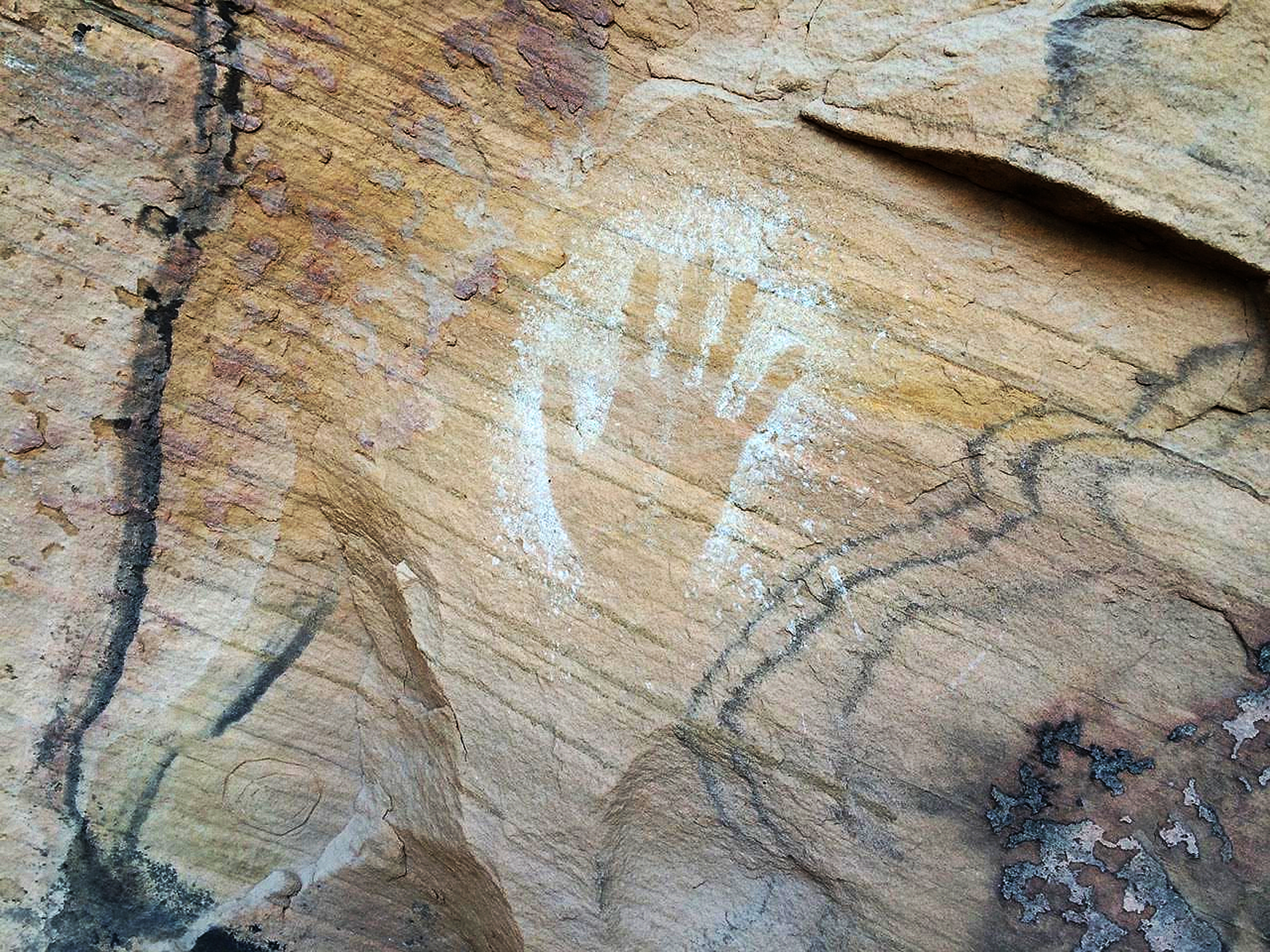
Allen Canyon area Hand print Bears Ears National Monument
National monuments are lands and waters designated for permanent protection by the federal government. They are widely popular across parties. They include areas of important natural, cultural, and historic resources, from geological wonders to sacred Indigenous landscapes to sites that have shaped our history.
Unlike national parks, which only Congress can designate, national monuments can be established by the President. We must fight to keep these places protected! Trump is attempting to dismantle monuments like Bears Ears and Grand Staircase Escalante. We're fighting to safeguard these places in court!.

The United States has over 130 national monuments that are managed by federal agencies. While most are managed by the National Park Service, some are managed by other agencies like the US Forest Service, the US Fish and Wildlife Service, and the Bureau of Land Management.

Canyon of the Ancients National Monument
National monuments are protected lands, waters, or historic sites that safeguard our natural, cultural, scientific, and historic resources and legacies. They are an important tool for protecting public lands and waters for generations to come.
National monuments are also part of our response to the climate crisis. Conserving 30 percent of US lands and waters by 2030 will protect the air we breathe, water we drink, and provide a powerful climate solution. Preserving wildlands will protect vital habitats for imperiled species and save more places to connect with nature. Safeguarding places of cultural and historical significance will help honor the stories, sites, and landscapes that make us who we are.
33
18
presidents have designated monuments
Protecting wild places will keep drilling and logging from polluting our air and water, and suck existing climate pollution out of the air. Creating national monuments is one of the best ways to protect public lands and preserve homes for wildlife and opportunities for people to enjoy the outdoors together.

Paria Rimrocks, Grand Staircase-Escalante National Monument, Utah
The Sierra Club has been pivotal in the conservation and expansion of national monuments for more than a century, reflecting a broader commitment to preserving natural landscapes, combating climate change, and ensuring everyone’s history and connections to US lands are honored and celebrated.
Right now, Donald Trump, the billionaires who bought access to him, and their allies in Congress are waging an all-out assault on our parks and public lands, firing thousands of federal workers who steward these landscapes, shredding conservation protections for fragile ecosystems and places, and seeking to overturn more than a century's worth of conservation history. Their goal is to give public lands to corporate polluters and billionaires to mine, drill, log, and pollute as they please — activities that effectively block access to public lands for everyday people.
We must use every tool at our disposal, from the courts to pressuring our leaders to collective action, to stop this polluter giveaway. Every victory we've won to protect the places we hold dear has been thanks to the grassroots support of advocates like you who have written a letter, called your legislators, attended an event, posted on social media, talked to friends and family, donated, and so much more.
87% complete
Send my message!WASHINGTON, D.C. -- Today, Donald Trump announced his latest pick to run the Bureau of Land Management.
WASHINGTON, D.C. — This week, documents emerged suggesting the Department of the Interior was putting plans for orchestrated widespread layoffs on hold.
Salt Lake City, UT – Canada-based company Anfield Energy will officially break ground and start construction on its uranium- and vanadium-producing Velvet-Wood Project in southeast Utah on November 6, 2025.
WASHINGTON, D.C. – This week, the Senate Committee on Agriculture, Nutrition, and Forestry passed a series of bipartisan bills that would preserve treasured public landscapes across the United States, while also advancing a controversial forestry bill.Committee members voted to advance four bills together as a single public lands package, with overwhelming support from Democratic and Republican members:
WASHINGTON, D.C. – Today, the Senate Committee on Agriculture, Nutrition, and Forestry held a markup on a controversial forestry bill. The bill was reported out of committee with a vote of 18-5.
Staff at agencies including Bureau of Land Management, National Park Service would be impacted
WASHINGTON, D.C. – Senate Republicans have approved resolutions to remove safeguards for wildlife, water, and recreation on landscapes across three Western states, including areas vital to Tribal communities.Senate Republicans utilized a dubious interpretation of the Congressional Review Act (CRA) to overturn three Resource Management Plans overseeing areas of public lands in Alaska, Montana, and North Dakota. The resolutions now move to the White House, where Donald Trump is expected to sign them.
BLM’s decision to amend the Rock Springs Resource Management Plan is a short-sighted attempt to undo over a decade of work.
Today, the Trump Administration continued its ongoing attacks on America's public lands by directing the elimination of the widely supported Public Lands Rule.
WASHINGTON, D.C. – Today, the Trump administration announced new policies that could undercut one of the country’s most significant conservation programs.