By Woody Smeck, Wilderness Coordinator, Santa Lucia Chapter
The campaign to defend the 2005 Roadless Rule has entered a critical phase, and Santa Lucia Chapter members have an important opportunity to help protect some of our nation’s most treasured forest lands. The U.S. Forest Service has proposed rescinding the 2005 Roadless Rule, which currently protects nearly 45 million acres of undeveloped national forest lands from most road construction and associated development. The public comment period closes September 21, 2026.
Opposition to the proposal continues to grow. Conservation organizations, outdoor recreation groups, Tribal leaders, local communities, and elected officials have joined the effort to defend forest protections. Notably, 164 members of Congress have signed a letter to USDA Secretary Brooke Rollins opposing the proposed rule and urging the agency to retain the Roadless Rule.
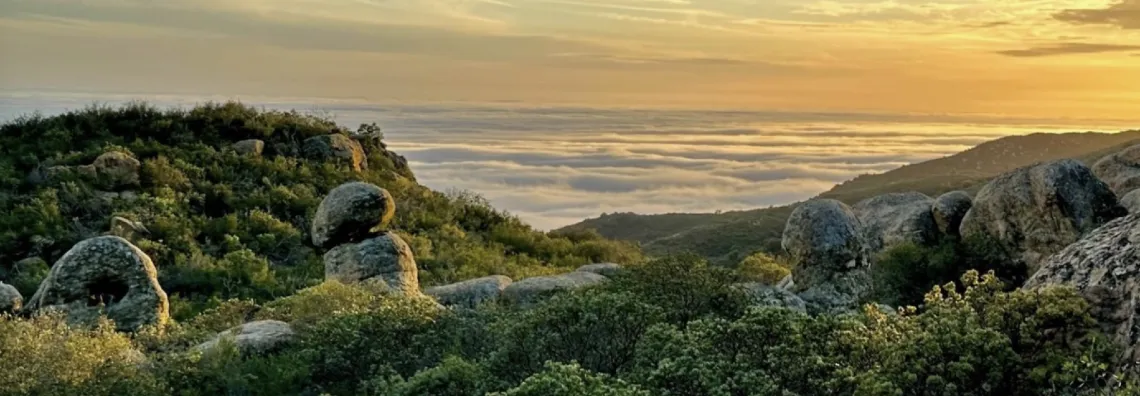
For Santa Lucia Chapter members, this issue hits close to home. The Los Padres National Forest contains approximately 630,000 acres of Inventoried Roadless Areas, including iconic landscapes surrounding the Sespe Wilderness, San Rafael Wilderness, and the rugged Ventana backcountry adjacent to the Silver Peak and Bear Mountain roadless areas. These undeveloped lands provide critical wildlife habitat, protect headwater streams that supply communities downstream, and offer outstanding opportunities for hiking, backpacking, wildlife viewing, and solitude.
Recognizing what is at stake, conservation groups nationwide have mobilized a coordinated public response. More than 72,800 comments have already been collected through partner organizations, while Regulations.gov reports more than 88,000 comments submitted through the federal portal. Campaign organizers have set a goal of generating one million public comments before the September 21 deadline.
The strong response reflects the Roadless Rule’s nearly 25-year record of protecting wildlife habitat, drinking water sources, recreation opportunities, and undeveloped backcountry forests. Advocates also challenge claims that additional roads are needed to address wildfire risk. According to Forest Service information cited by campaign organizers, nine out of ten wildfires are caused by people, and recent research found fires are four times more likely to start near a road than in roadless forests. More roads can mean more human access and a greater likelihood of human-caused ignitions from unattended campfires, vehicle sparks, and other activities. At the same time, the Roadless Rule already allows hazardous fuels reduction and other forest management activities where needed.
Public awareness of the issue continues to grow through news coverage, opinion pieces, and social media campaigns led by organizations such as Patagonia, Trout Unlimited, National Wildlife Federation, and Backcountry Hunters & Anglers. Recent editorials opposing the rollback have appeared in publications across the country, including the Spokesman-Review.
Take Action Before September 21
Santa Lucia Chapter members are encouraged to submit a personalized comment opposing the proposed rescission of the Roadless Rule. The most effective comments explain why roadless areas matter personally, whether for wildlife, clean water, recreation, reduced wildfire risk, or the preservation of wild places for future generations.
Submit comments at: https://www.regulations.gov/document/FS-2025-0001-223869/comment. Click on the blue “comment” box near the top left side of the page.
Every comment counts. Please make your voice heard before September 21, 2026, and help protect the 630,000 acres of roadless lands in Los Padres National Forest and millions more across the country.