By Cyrus Reed, legislative & conservation director
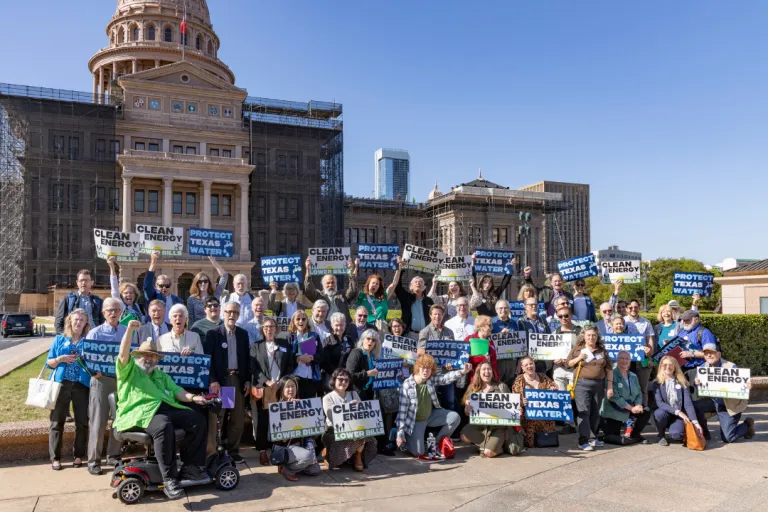
It’s over. Done, dusted.
The gavel has fallen on the 89th Legislative Session. The last 140 days had a little bit of everything - amendments in the 11th hour, behind-the-scenes dealmaking and agreements, vitriol, Points of Order, dramatic bill deaths, and, unfortunately in one case… resurrection.
School Vouchers, Billionaires, and the Budget
In the story that will dominate most end of session reports, Governor Greg Abbott got what he and his well-heeled billionaire buddies wanted on school vouchers.
New speaker Dustin Burrows - old Speaker Dade Phelan, having barely survived a bruising local fight to keep his seat, stepped back from seeking another term as Speaker - pledged to pass a pro-voucher bill. They did just that - adding $1 billion for private school vouchers which will grow over time. It’s only fair to note they also put an extra $8.5 billion to public schools.
The Sierra Club Lone Star Chapter’s Role
But beyond private and public schools, what else happened over the last 140 days?
As we reflect and recycle lots of pieces of paper that supported or opposed specific pieces of legislation, how did the Sierra Club’s priorities fair? How did we really do?
After countless hours of preparing written and oral testimony, “lit drops,” legislative visits with staff and members, email action alerts, volunteer zoom meetings, waiting and watching in the gallery of the House and Senate, rushing to make 8AM hearings, working with offices on last minute amendment ideas, or educating offices on complicated policy matters, we did… ok.
We had some victories, took some tough losses, but also raised our profile significantly thanks to more volunteer and member engagement.
By the Numbers: Legislative Odds and Ends
The Governor has until June 22nd to either sign or veto bills, but, unlike last session, we don’t expect a lot of vetos because he got what he wanted on many issues, including:
- School vouchers
- Property tax relief
- Pro-business courts
- Border security
- Bail “reform”
- Immigration policy (ICE working with local police - what could go wrong?)
- Nuclear energy subsidies
…and so many other “conservative” priorities.
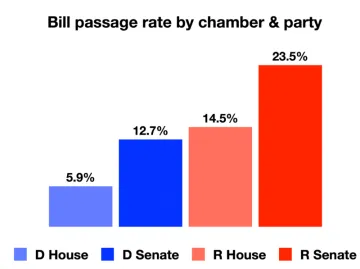
By looking at this data alone, it’s clear that a bill that originates in the Senate has a much higher chance of becoming law than a House bill does - which makes sense since there 31 Senators and 150 House members. This also means that, if you are a Republican and file a bill, you are about twice as likely to pass it as if you are a Democrat in both the House and Senate.
House Democrats, look at these statistics - it was very difficult for you to pass a bill, and, in some cases, you defied all odds to get legislation passed.
Sierra Club’s Legislative Priorities: Progress and Pushback
As we began the Legislative Session, we laid out six major priorities or areas of focus. These included:
- Clean, Reliable, Affordable Energy For All
- Modernizing our Electric Grid
- Opposing Fossil Fuel Subsidies
- Air Quality Monitoring and Standards Initiatives
- Water Protections Standards and Solutions
- Big Water Infrastructure
On all six priorities, we had some important victories, some unfortunate losses, and lots of missed opportunities. As always, the presence of billionaires and corporations pushing their priorities over the needs of everyday Texans was clear. From sweetheart slush funds for new nuclear development to new grant funds - and powers - to Spaceports (SpaceX and Elon Musk) to making it easier for gas and electric utilities to raise rates on everyday Texans - this billionaire class pushed their way to many victories.
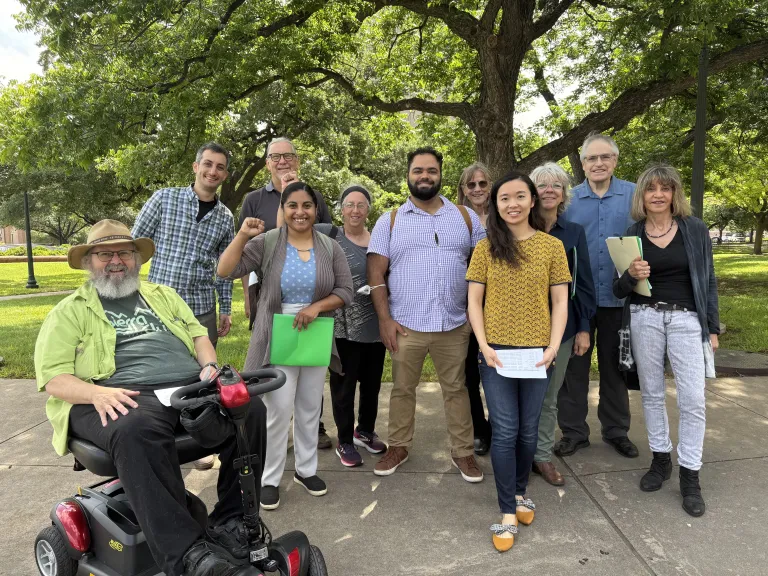
But our presence and voices mitigated much of the harm.
Without the presence of the Sierra Club, allied organizations, and everyday Texans pushing back, many of our priorities would not have even been considered. Let’s dive into some of the specifics.
Clean, Reliable, Affordable Energy: Quiet Victories
For the most part we successfully defended renewable energy and battery storage from attack after attack over the 140 day legislative session.
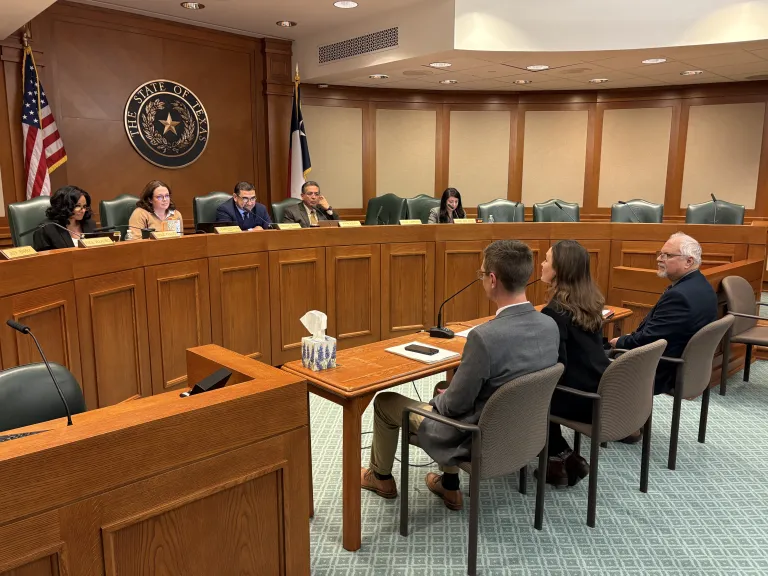
A familiar pattern quickly emerged. The Senate, under the leadership of Lt. Governor Dan Patrick and Senator Charles Schwertner, Chair of the Committee on Business and Commerce, would pass bills that were discriminatory against renewable energy and battery storage. The House of Representatives, with lots of grassroots and industry pressure, would not allow those bills to even get to the House floor - effectively stalling and killing them.
Four anti-renewable bills eventually passed the Senate, all of which would have put a real roadblock to the continued development of low-cost, low-pollution renewable energy and storage resources, but none of them were able to get out of committee in the House. In fact, only one of those bills even got a hearing in the House.
In addition, a number of positive bills related to reasonable regulations on wind, solar and storage, and some positive bills to make it easier to permit onsite solar and storage moved forward. Sierra Club played a key role in both helping to stop the bad renewable bills, and also improving the permitting bills so they took into account the needs of local cities and local utilities.
Bad Bills That Passed the Senate and Were Stopped In the House
SB 383 (Mayes Middleton) - Blocked Offshore Wind Projects
SB 383 would have adopted a prohibition against interconnecting wind power plants within three miles of the coast, or any transmission or distribution facility that directly interconnects to wind power facilities within ERCOT’s market. Essentially, SB 383 would have blocked offshore wind projects while also prohibiting the PUCT from approving the transmission and distribution lines that would power those facilities, even facilities that are further from shore.
While it will be many years before we see any turbines off the coast, it makes no sense to completely slam the door on this clean and abundant energy resource - which is why we opposed this legislation.
SB 388 (Phil King) - 50% "Dispatchable" Goal
SB 388 would have imposed a 50% “dispatchable” goal on new generation, fundamentally undermining the way the electricity market in ERCOT is supposed to work. The 50% “dispatchable energy” goal for new electricity generation, favors gas and nuclear, but would have discounted battery storage - a technology that has played a key role in stabilizing the grid during extreme weather events.
We opposed this legislation because imposing a specific amount of dispatchability would have increased costs to consumers by:
- Slowing down the development of new solar and wind which remains the most cost-effective sources of energy.
- Likely leading to more build out of storage and gas, which are more expensive.
- Requiring power generators that were not planning to invest in dispatchable resources to either invest or buy dispatchable energy credits, again meaning costs would be sent down to consumers.
SB 819 (Lois Kolkhorst) - Red Tape for Clean Energy
SB 819 would have created extra bureaucratic red tape for our energy market by requiring extra permits, regulations, and restrictions just on solar and wind energy projects. If SB 819 had become law, the cost of energy would go up, pollution would go up, and grid reliability would go down by:
- Establishing onerous new red tape around new solar and wind development, SB 819 would stifle growth and limit new energy sources from coming online, driving electric bills up for Texas families and businesses.
- Reducing the amount of renewable energy installations coming online, and thus forcing ERCOT to rely more on polluting sources of energy.
Limiting ERCOT’s flexibility in providing electricity to Texans. ERCOT needs more energy generation, not less, to ensure we have enough power on the hottest days and the coldest nights.
SB 715 (Kevin Sparks) - Retroactive Barriers On Renewable Energy
SB 715 would have put retroactive and unnecessary red tape on renewable energy. If passed, the bill would have:
- Created unnecessary back up power requirements on new and existing solar and wind installations. For example, it would have required a solar power plant to add or contract for backup power to match its daytime output at night.
- Imposed new costs on wind and solar but no other resource - increasing costs on the most affordable supply resources which would lead to higher costs for all Texans in the ERCOT market.
- Negatively impacted existing contracts with large private corporations, cities, and public power entities, creating chaos in the market.
If the bill had passed, electricity costs would have gone up, pollution would go up, and grid reliability would go down. Studies predicted that average bills would go up by $15 dollars per month in ERCOT if SB 715 had become law.
HB 3356 (Cody Vasut) - TPWD Project Consultation
Another bill that impacted certain renewable resources which we initially opposed - HB 3556 by Vasut - got better as it went through the process and was eventually approved.
By the end, the Sierra Club was neutral on the bill. Originally it would have allowed the Texas Parks and Wildlife Department to take wind development to court for injunction to stop construction if they believed it could impact birds and other wildlife. Instead, the new bill just requires new wind developments - or other developments that could be above 575 feet - to consult with TPWD and design a plan to mitigate impacts in 20 coastal counties near Wildlife Refuge Areas.
If the developer doesn’t consult with TPWD or consider their recommendations, it can lead to enforcement. The bill is a reasonable measure to better protect migratory birds, and shouldn’t impact the development of most renewable energy resources.
Bills Supported by the Sierra Club that Made Progress this Session
SB 1697 (Judith Zaffirini) – Rooftop Solar Consumer Protection Guide
This legislation requires the Public Utility Commission (PUC) to develop and maintain a comprehensive guide for homeowners considering rooftop solar installations. The guide will provide essential information on system design, installation best practices, available tax credits, financing options, maintenance, and repair costs. By enhancing transparency, the bill aims to empower consumers to make informed decisions and avoid predatory sales practices.
SB 1036 (Judith Zaffirini) – Residential Solar Retailer Regulatory Act
SB 1036 establishes a regulatory framework for residential solar retailers and salespersons in Texas. It requires mandatory registration with the Texas Department of Licensing and Regulation, enforces background checks, and mandates the provision of a state-issued consumer guide during sales.
HB 3824 (Ken King) - Safety Measures for Battery Storage
HB 3824 introduces new safety measures for stand-alone battery energy storage systems (BESS)—including fire safety standards, third-party inspections, emergency planning protocols, and annual training for first responders.
HB 3809 (Drew Darby) - Decommissioning Standards
HB 3809 extends decommissioning standards to Battery Energy Storage Systems. Texas already leads the nation in statutory wind and solar decommissioning standards, and HB 3809 extended these standards to the battery technology industry.
HB 3228 (Stan Lambert) - Energy Project Retirement
HB 3228 strengthens the retirement process for energy projects by requiring full funding for the recycling and disposal of facility components.
HB 3229 (Stan Lambert) - Recycling Industry Accountability
HB 3229 holds renewable recycling companies accountable for meeting their performance obligations.
Local Permitting Bills We Helped Improve
SB 1202 (Phil King) – Expedited Solar and Energy Storage Permitting
SB 1202 streamlines the permitting process for residential solar and energy storage installations. It allows licensed engineers to conduct third-party reviews and inspections, enabling homeowners to bypass local permitting procedures. However, because of our and many cities' concerns about the bill, important amendments were added to better protect the ability of utility companies to continue to impose interconnection standards, and cities were given some ability to require licensed electricians for safety checks, and the timeline for getting a report was lengthened slightly to give more time for checks.
SB 1252 (Charles Schwertner) - Residential Backup Systems
This bill was an attempt to make the rules and regulations surrounding residential distributed backup systems easier in Texas cities by preventing cities from imposing additional regulations beyond what are required in national electric codes. The Sierra Club worked to create an exception to specifically allow cities and other areas that are part of public power to require additional safety inspection requirements. Otherwise the bill could have the unintended consequence of creating safety issues for Texas residents, especially in rapidly urbanizing and densely populated areas if multiple residences have backup systems in the same area. Safety regulations and amendments are particularly important in the event of a brownout and blackout when power must be restored.
Modernizing our Electric Grid
Sierra Club supported advancing solutions to make our electric grid more resilient, reliable, and cleaner. This includes increasing the statewide goal for energy efficiency, creating a market-based demand reduction program for residential and small business, expanding local/onsite electric storage and renewable onsite generation, and updating our statewide building codes to the latest national standards, and ensure counties have the same powers as cities to adopt codes, require inspections, and enforce rules to save energy.
The Legislature missed an opportunity to make real progress on demand-side solutions. A handful of bills that would have made a difference failed to pass as discussed below. On the positive side, the Legislature did pass three good bills supported by Sierra Club.
Bills We Supported to Help Modernize the Grid
HB 5323 (Ken King) - Texas Energy Waste Advisory Committee
HB 5323 (King) created the Texas Energy Waste Advisory Committee - a collaboration among key agencies like ERCOT, Public Utilities Commission of Texas, Texas Commission on Environmental Quality, the Comptroller, and Texas Department of Licensing & Regulation to assess programs and opportunities to address energy waste and build opportunities in energy efficiency and demand response. The new law - if signed by the Governor - would require the Committee to look at how to use these resources to make our grid more reliable and require them to submit recommendations back to the Legislature in December of 2026.
SB 783 (Jose Menendez) - Energy Code Update
Second, SB 783 by Menendez allows SECO to update the state energy code for all homes and buildings, and mandate energy and water conservation standards in new or renovated state buildings. SB 783 will also allow for the requirement of high-performance building standards in higher education buildings and facilities. Finally, this bill would also require a cost-benefit analysis for any future code adoption and allows for amendments to the code itself. This common-sense change to statute assures that any changes in the state’s energy code will be cost-effective, beneficial to consumers while promoting energy efficiency.
SB 6 (Phil King) - Large Loads
Finally, SB 6 (Phil King) is an important solution to the unprecedented growth of large loads by requiring all new large loads to provide transparent information to utilities, ERCOT and the PUCT about their proposed loads and put skin in the game with a minimum transmission contribution and fees, and a new required interconnection process. SB 6 also requires a process for large loads that co-locate with existing generation to seek authorization to assure that the co-location does not impact existing needs within ERCOT and can be planned, and also adds new demand management, load shifting and onsite generation requirements to help the PUCT and ERCOT shift off energy use when the grid is stressed through new demand management programs. Finally, SB 6 has important protections for consumers, including a process at the PUCT to relook at 4CP, the current process to determine allocation of transmission costs which has not been favorable to residential consumers
Energy Justice - Passed in the House, Stalled by the Senate
Nonetheless, many other bills passed one chamber or the other but never had the full support to become law. The following bills all passed the House but never advanced in the Senate. Rumors were strong that Lt Governor Dan Patrick was simply not referring democratic bills that passed the House but had a lot of “no” Republican votes. In other words, unless you got at least 100 votes you wouldn’t even have your bill referred to, which is a stunning bit of authoritarianism on the part of the Lt. Governor to stop bills simply because of who the author was.
House Bills on Energy Justice
HB 1359 (Ana Hernandez) - Low Income Assistance Program
HB 1359 (Hernandez) would establish a program within the PUCT to assist low-income Texans struggling to pay their electric bill. It would augment existing utility programs by offering state assistance during specific weather extreme events and to medically-vulnerable “critical-care” populations. In addition, the program would also fund education programs specifically designed to help all Texans and especially these populations learn about how to access other programs, like energy savings, weatherization and demand response programs. The bill passed the House but never even got a hearing in the Senate.
HB 3237 (Chris Turner) - Energy Waste Reduction in Public Buildings
HB 3237 (Turner) would continue a successful program to reduce energy waste in public buildings that could end in 2026. Under Chapter 388 of the Health & Safety Code, certain political subdivisions, institutions of higher education, and state agencies are required to file an annual report with SECO on their energy consumption, and also establish a goal to reduce their energy consumption by at least 5% each year. The requirement is meant as guidance, as entities required to file the report can establish a different goal, or state why they are unable to reduce their energy consumption to meet a five percent reduction goal. The bill passed the house but never got a hearing in the senate.
HB 3826 (Ana Hernandez) - Texas Energy Efficiency Council
HB 3826 (Hernandez) would establish the Texas Energy Efficiency Council at the PUCT. The council would consist of representatives of the major Texas’s state agencies, meet twice a year, and produce a website and a report with recommendations back to the legislature. Most people are still unaware of the existence of utility energy efficiency programs, and there is a little strategic coordination across utilities. The council would help coordinate and collaborate on the hundreds of millions of dollars coming to Texas, and also help raise awareness about energy efficiency incentives and opportunities by establishing a central hub of information to the public. The bill passed the house and a companion senate bill did get out of the Senate committee but it was never considered on the Senate floor.
HB 5623 (Yvonne Davis) - Texas Energy Fund Grants for Energy Efficiency Projects
HB 5623 (Davis) would allow money in the Texas Energy Fund to be used to provide grants for energy efficiency projects that benefit retail electric customers, contingent on voter approval of a corresponding constitutional amendment (HJR 218). While HB 5623 passed, the HJR did not get the needed votes so in the end HB 5623 did not progress.

HB 871 (Ron Reynolds) - Building Code Update to 2018 Standards
HB 871 (Reynolds) would have updated the statewide residential and commercial building codes to 2018 standards. Today we have a patchwork of code adoptions in our municipalities, with some still on older codes like the 2009 International Residential and International Building Codes, while some of the larger cities have begun adopting the 2021 codes or even the 2024 codes. HB 871 passed the House but was never even given a hearing in the Senate.
One Energy Efficiency Bill Passed the Senate and One House Committee, but Never Made It to the House Floor
SB 2994 (Nathan Johnson) - Raise the Energy Efficiency Goal
SB 2994 by Nathan Johnson. While short of more ambitious bills supported by the Sierra Club that would have created a one percent energy savings goal, we did support this compromise bill, which would have changed our current energy efficiency goal from 0.4% of peak demand, to a goal based on number of premises, plus a new energy savings goal based on current utility achievements. SB 2994 would have raised the demand and savings goals each year by 2.5 percent over the next five years and then leaves it to PUCT to set future goals, assuring a smooth transition;
SB 2994 also raised the budget for programs designed to help low-income Texans from 10% of total spending to 15%, and allows utilities like Centerpoint and Oncor to do more direct outreach to low-income TexansSB 2994 includes an important cap on incentives utilities can earn by exceeding the energy savings goals; under SB 2994 utilities can earn revenues of up to 30% if they can exceed required goals. This is similar to what utilities currently earn under current PUCT rules, which has averaged 27% the last few years above program costs.
Opposing Fossil Fuel Subsidies
All the anti-renewable bills mentioned above were in essence subsidies to the fossil fuel industry since they would, by definition, have prioritized “dispatchable” resources over “intermittent” resources. But, to be clear, subsidies are still coming. In fact, they increased because of actions by the Legislature.
Nuclear Energy Development
A bad bill - HB 14 - that creates a new Nuclear Development Fund - supported by virtually all Senators and Representatives did pass despite opposition from the Sierra Club, Public Citizen, and a group of concerned citizens. In the end, however, the bill that was signed by the Governor did get some needed guardrails but still involved taxpayer handouts of millions to an industry that overpromises and underdelivers and is always more expensive than promised. Along with the bill, the legislature provided $350 million to the new fund, plus an additional line item of $120 million to Texas Tech University, which is expected to work with Natura Resources on further development of a Small Modular Reactor at Abilene Christian University and a future plant to desalinate “produced” waters that result from the hydraulic fracturing process.
Texas Energy Fund
As part of SB 1 - the state budget bill, the “Texas Energy Fund” received the additional $5 billion authorized by taxpayers as part of the Constitutional Amendment from 2023. The money can be used for loans and grants for “dispatchable” power plants in ERCOT - which we don’t support - but can also be used for resiliency projects outside of ERCOT (up to $1 billion) and for backup power packages (up to $1.8 billion), which we do support. The backup power packages can include fossil fuels through gas-powered generators but can also support new technologies like solar and storage and electric vehicles. In all, we expect that approximately $2.2 billion of the $5 billion will be designated for power plants, $1.8 billion for backup power packages, and $1 billion for resiliency projects outside of ERCOT.
Air Quality Monitoring and Standards Initiatives, Including Oil and Gas Regulations and Protections
Several important measures involving oil and gas production were approved by the legislature, while other efforts to improve air quality were largely ignored.
The Legislature did approve an additional $100 million to plug abandoned and orphan wells, though they took it out of “General Revenues” - i.e. regular taxpayers - instead of from the fund that oil and gas pays fees and fines into.
They also funded an important new $7.5 million water database effort at the RRC that will allow the agency to better track what happens to all that “produced water” resulting from the production of oil and gas.
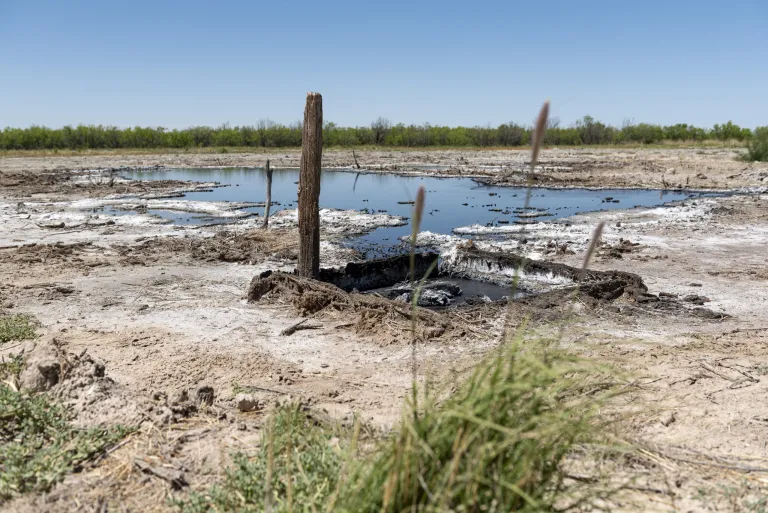
Orphaned Wells
SB 1150 by Middleton establishes a new program to deal with tens of thousands of “inactive wells” that are not actively producing oil and gas but are not yet considered ready for plugging. The bill creates a timeline to plug all inactive wells by 2040 by requiring the industry to plug their own wells or make a valid argument that they have real plans to reactivate the wells. While we had hoped the bill would have been strengthened, it is still a step forward in addressing a long-standing problem.
Produced Water Legislation
Two other bills dealing with produced water were approved, one of which we think is reasonable and the other which creates liability protections for the industry. SB 1145 by Birdwell clarifies authority over the disposal of produced water on land for “beneficial use,” giving that authority to the Texas Commission on Environmental Quality rather than the Texas Railroad Commission. While we sought some more specific protective language in the bill, we do believe the law will need to go through rulemaking.
HB 49 provides broad liability protections for the oil and gas industry as they create billions of barrels of produced water and seek to treat and dispose of this waste stream. Again, while the bill was improved somewhat in the course of its passage, overall it protects oil and gas and the treatment industry from lawsuits due to potential pollution down the road.
Fossil Fuel Favoritism Continues
Other bills supported by the Sierra Club that were opposed by industry never made it out of committee, showing once again how the Legislature favors corporate interests over the needs and demands of the public.
Thus, bills aimed at establishing a more protective standard for hydrogen sulfide - HB 1341 by Reynolds- at creating a continuous methane monitoring program - HB 3263 by Turner - or creating a policy to end routine flaring - HB 459 by Rosenthal - never got a real chance to move forward. Similarly, an important bill to raise the maximum fines charged to oil and gas companies that break the law - HB 2891 by Anchia - had a great hearing but never moved out of committee.
A small amount of additional funding for air monitoring for Particulate Matter - $2 million - was added to the budget, as well as a study on areas with high levels of hydrogen sulfide was also added to the budget. However, our efforts to add substantial additional funding for other air monitoring efforts were not successful.
Stopping Attacks on City Powers
While attacks at the Texas legislature continued against the ability of cities and counties to better regulate businesses and other issues, Sierra Club worked with many cities and counties to stop the worst of those bills.
Building on efforts in the previous legislative session, Senator Brandon Creighton worked closely with Cecil Bell in the House, on two of the most far-reaching bills - which broadly attacked the ability of cities and counties to regulate many aspects related to elections, health and safety code, and ironically, even issues related to the very definition of local government - the local government codes.
Fortunately, while passing the senate and getting out of committee, we and others helped manage to keep these short-sighted proposals from getting on the Calendar in the House to be considered. Two other bills introduced by Rep Cecil Bell - HB 4313 and HB 4314 - went directly after the abilities of cities and counties to regulate climate and pollution issues. While the bills did get out of committee, they were never placed on the House Calendar to be considered, stopping what could have been devastating attacks on local action on environment and quality of life

Victory for the Ash Juniper Tree
During the final days of the session, we were focused on stopping one bill related to Ash Juniper - and specifically SB 1927 which could have authorized the cutting down of ash juniper trees on residential property in cities with tree protective ordinances. The bill had passed the Senate rather easily and rather early in the legislative process, but it had a much harder road in the House of Representatives. The good news is that we worked closely with many stakeholders to pressure the House Committee on Calendars to not set the bill on the house floor for consideration. While it finally was placed on the Calendar for the last day on which a senate bill could be considered, it never got discussed as the clock struck midnight. Ash junipers - and the endangered species they protect - breathed a sigh of relief.
Beaches, Not Billionaires: the Texas Legislature Caves to Elon Musk and Big Industry
It was a herculean effort to stop SpaceX and its owner - Elon Musk - from getting what he wanted, but we made a difference.

At the beginning of session, we fought two bad bills brought to you by SpaceX - SB 2230 by Adam Hinojosa involving increasing criminal trespass charges and authorizing evacuations of the area around SpaceX - and worse, SB 2188 also by A. Hinojosa - which would have transferred decision-making powers over beach closures from the county to the new city of Starbase, the company town recently incorporated that is located next to the launch site of SpaceX. The decision-makers are literally employees of SpaceX.
While a variety of stakeholders from the Sierra Club, Cameron County, the Comecrudo Indigenous Peoples, the South Texas Environmental Justice Network, the Surfriders of Texas opposed these bills, they easily passed the Senate and eventually the relevant committees in the House. However, neither bill ever made it to the House floor, and for a few days we thought we had stopped the bills.
However, at the 11th hour, language was snuck into a “Conference Committee Report” for a separate bill - HB 5246 by Bonnen that deals with a new space authority. While not the same as the language in SB 2188, the bill would authorize the board of the new Texas Space Commission to consult with the city of Starbase - or frankly any other city near a spaceport - to close highways, beaches or other public venues. The board will be named by the Governor, Lt. Governor and Speaker and is sure to have at least one representative of Space X on it. Unfortunately, along largely party lines with Republicans voting yes and Democrats voting no, the bill was approved with the new language.
Only one Democrat in the House - Richard Raymond of Laredo - and three in the Senate - “Chuy” Hinojosa, Cesar Blanco and Royce West - voted for the bill, while only one Republican in the House - Tod Hunter of Corpus Christi - voted against the bill. Two of the most conservative Republicans in the Senate - Bryan Hughes and Brent Hagenbuch - also voted no on the bill.
To add insult to injury, HB 500 - the supplemental budget bill - also includes $300 million for Texas to dole out in grants to space company efforts. So SpaceX and others got a somewhat captured state agency and potentially grant money to help their efforts.
Water, Water Everywhere - But What About Water Protection?
We set out this session with the expressed wish to protect our water resources, even as we knew a major focus would be on increasing funding for water infrastructure, including new water supplies.
Well, the Legislature did come through on water infrastructure, ultimately approving an investment of $2.5 billion this biennium for water supply and infrastructure and some additional monies to bring down federal funds for drinking water and wastewater treatment (see table).
It’s important to note that the $2.5 billion does include some leftover money from the previous session, meaning the “new” money is closer to $1.7 billion. In addition the legislature approved two major bills - SB 7 - and HJR 7 - and in the end Sierra Club supported both bills as compromises were reached on how much money to put into existing infrastructure - like fixing leaky pipes - and how much to put into “new water supply,” which can include some types of projects like marine desalination and conveyance of water across hundreds of miles which Sierra Club does have concerns about.
In the end, the split that is found in SB 7 was 50% for the Texas Water Fund - a myriad of programs that already exist - and 50% for both “new water” and the SWIFT (State Water Implementation Fund of Texas). Importantly, items in SWIFT must be approved through the State Water Plan while items in the New Water Fund for Texas do not.
We tried - and failed - to get some water quality protection language into the main bill. For example, when SB 7 was being considered on the House floor, Rep Morales Shaw offered - then withdrew - an amendment to prioritize funding of marine desalination projects that do not divert water from bays and estuaries or discharge brine into our bays and estuaries. Simply put, the House author of the bill was not taking any amendments on the bill since he had reached an agreement on the language with the Senate. We are hopeful that despite the failure of the legislature to take up some of these issues, that during the interim they can be addressed.
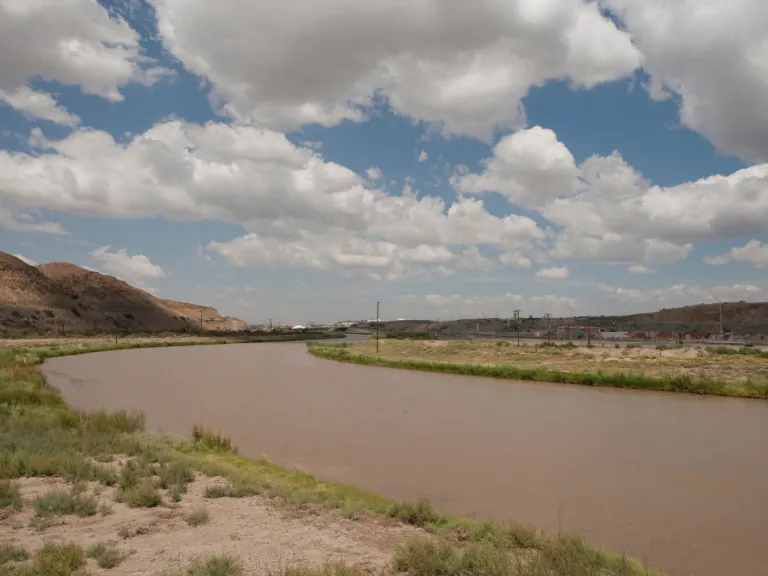
Water Quality Bills that Failed to Advance
HB 1730 (Penny Morales Shaw) - PFAS Study
HB 1730 (Morales Shaw) would require a study to investigate the effects of perfluoroalkyl and polyfluoroalkyl substances (PFAS, or “forever chemicals”) on human health. These synthetic substances are known to be linked to cancer, reproductive harm, developmental delays, and other serious health risks, but their full impact on human health is not yet fully understood. The study, proposed to be conducted by University of Houston in collaboration with RRC and TCEQ, would focus on potential pathways of exposure, including through food, water, packaging, and certain equipment. This is an important bill given that PFAS, while unregulated in Texas drinking water, have been increasingly found in public water systems across the state. This bill was successfully voted out from the House Committee on Environmental Regulation, but ended up not being heard on the House floor and died. A budget rider that was added to the budget in the house did not make the final version of the budget.
HB 1400 (Cody Harris) - Groundwater Science, Research, and Innovation Fund
HB 1400 (Harris) would create the Groundwater Science, Research, and Innovation Fund, managed by TWDB. This fund would support groundwater conservation districts through grants for groundwater science, research, and innovation. About one third of this fund was proposed to be directed towards projects in smaller, economically disadvantaged areas to understand local groundwater conditions, develop models for informed decision making, improve groundwater use efficiency, increase recharge, and protect groundwater quality. HB 1400 passed the House but never got a committee hearing in the Senate.
HB 3728 (Penny Morales Shaw) - Salinity Standards
HB 3728 (Morales Shaw) would require Texas Commission on Environmental Quality (TCEQ) to release long-term salinity studies and establish numeric and narrative standards to protect our bays and estuaries from the impacts of the expanding seawater desalination. This bill was important because despite moving forward with seawater desalination as a new water supply strategy, Texas doesn’t have sufficient environmental protections to ensure that our bays and estuaries remain healthy and productive for years to come. This bill could have been a much-needed push from the legislature to expedite the development of salinity standards for Texas bays and estuaries. The desalination industry, as expected, opposed this bill stating that additional regulations would be an unnecessary obstacle for the expansion of seawater desalination projects in Texas.
In the end, HB 3828 was heard in the House Committee on Culture, Recreation, and Tourism, but never got a vote and eventually died. A rider in the budget to have some of the studies released that have already been done on TCEQ’s website was ultimately removed and not included.
HB 4028 (Erin Zweiner) - Pre-Production Plastic Pollution
HB 4028 (Zwiener) is another important water quality bill that would have been instrumental in protecting our waterbodies from pre-production plastics pollution, like plastic pellets (“nurdles”), powders, and flakes. Pre-production plastics - or raw plastic materials of which plastic products are made - are frequently spilled during manufacturing, transportation, and handling. Needless to say, once in the environment, pre-production plastics pose serious health risks to wildlife and humans. However, while our state is leading the nation in plastics production, pre-production plastics pollution isn’t regulated in Texas, and TCEQ has no plans to include pre-production plastics into the upcoming revision of the state’s surface water quality standards. Not surprisingly, the plastics manufacturing industry spoke against HB 4028, claiming that the voluntary programs like Operation Clean Sweep were sufficient to address this issue and additional regulations weren’t needed. This bill was heard in the House on Environmental Regulation, but eventually died in the legislative process.
Water Bills We Supported and Are Moving Forward
HB 29 (Stan Gerdes) - Water Loss Reporting
HB 29 (Gerdes) requires the largest municipally owned utilities to report water losses and prepare water loss mitigation plans, thus promoting a sustainable strategy to improve existing infrastructure and increase availability of water across Texas. There has been an ongoing debate about how much water the state loses through leaky pipes and how important addressing that loss could be for water management. HB 29 will help to understand the true extent of water loss in Texas, while addressing the growing infrastructure needs. This bill has already been signed by the Governor and is expected to take effect in September.
SB 1967 (Chuy Hinojosa) - Flood Infrastructure Projects
SB 1967 (Chuy Hinojosa) proposes funding for multipurpose flood infrastructure projects. Flooding remains the most damaging disaster in Texas, while challenges related to water scarcity are growing increasingly urgent. SB 1967 supports flood mitigation projects that not only reduce flood risks in Texas communities but also offer the added benefit of increasing water supplies. Texans, especially those living in areas most vulnerable to flooding, stand to benefit from stronger, more resilient infrastructure, while the additional water supply component will help meet the state’s growing water needs. This bill has also been signed by the Governor.
SB 1253 (Charles Perry) - Water Conservation and Reuse
SB 1253 (Perry) encourages water conservation and reuse in new development projects by requiring cities to offer impact fee credits to builders who install water-efficient infrastructure and appliances. Impact fees can be significant and are typically passed on to home buyers or renters. When they’re reduced through incentives as proposed in SB 1253, it can lower the overall cost of building and make a real difference in affordability of housing in fast-growing Texas communities. This bill has been sent to the Governor, who has until June 22 to sign or veto it.
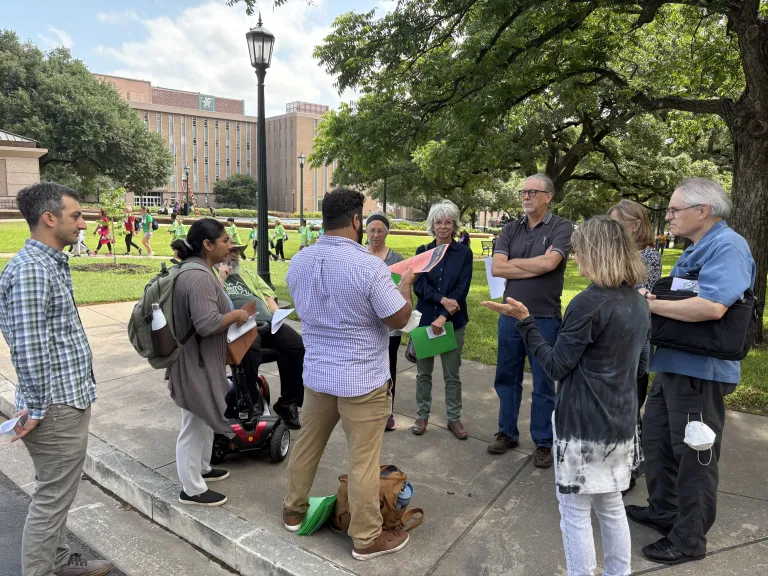
Looking Ahead: Reflections and What’s Next
We made a difference….with your help.
The positive from this session is that a few bills that prioritized saving water and energy did move forward, and some of the worst bills were stopped.
But in the end, billionaires and vested interests like nuclear companies, utilities, desalination companies, and SpaceX got their way, while everyday Texans are still waiting for progress on so many issues.
Throughout the session, Texas legislators prioritized corporate interests and billionaire demands over the needs of everyday Texans. While environmental advocates and communities across the state showed up in force to stop the worst of the damage, the results of this session are a stark reminder: we can’t afford to sit back.
The next 18 months are our chance to organize, build momentum, and ensure that the next legislative session delivers for the people, not just for profit. In addition, many of the bills passed will require rulemaking and implementation and we need to make sure the intent of bills is respected and that good rules are adopted that are protective of public health and the environment.