By Cyrus Reed
Key Takeaways:
- Extreme weather is worsening due to climate change, and Texas’ “Flash Flood Alley” is especially vulnerable to catastrophic rain events.
- Misinformation like cloud seeding theories distracts from real issues - climate change and underinvestment in public infrastructure.
- The 2024 Texas State Flood Plan includes over 4,600 flood mitigation strategies and urgently needs funding and legislative support.
- Counties need more authority to manage land use and protect flood-prone natural features like aquifer recharge zones.
- Legislators have a chance now - during the July special session - to act on flood resilience, emergency communication, and relief funding.
Mourning Loss, Seeking Solutions
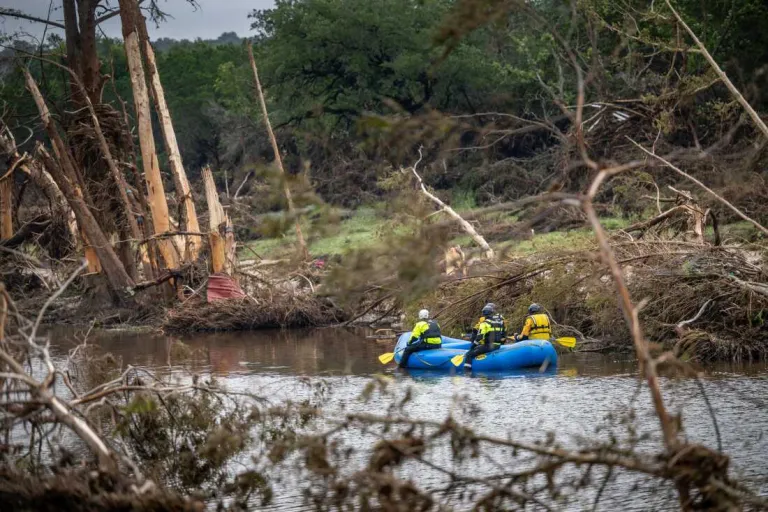
After every tragedy - and Texas has had lots of them in recent years - there is a lot of talk and finger-pointing about what could have been done to prevent loss of life, property, and the very real mental strain, anxiety and helplessness that so many Texans have felt. Our hearts go out to the many family members, loved ones, friends, and colleagues who have experienced loss - of life, of future, and of stability.
You can see our statement here. If you are interested in helping provide resources - monetary or otherwise - we have put together this non-exhaustive list here.
Misinformation, Climate Denial, and Flash Flood Reality
Disinformation About Cloud Seeding and Weather Cuts
Some of the first pronouncements focused on cuts made by the current administration to the National Weather Service and NOAA that have impacted the personnel involved in weather predictions in the Central Texas area. Others somehow put the blame on “cloud seeding,” saying that humans were messing with nature, not through our emissions of carbon dioxide and other global warming gasses, but through seeding clouds with iodine.
While we believe answers about how federal cuts could have impacted the timing of weather alerts is important, and hope answers are forthcoming, more personnel by itself would not have prevented the deaths. The second claim about cloud seeding is a distraction from more relevant causes since the clouds that formed these storms were not “seeded,” and ignores the changing climate that is impacting rain events.
Understanding Flash Flood Alley and the Climate Connection
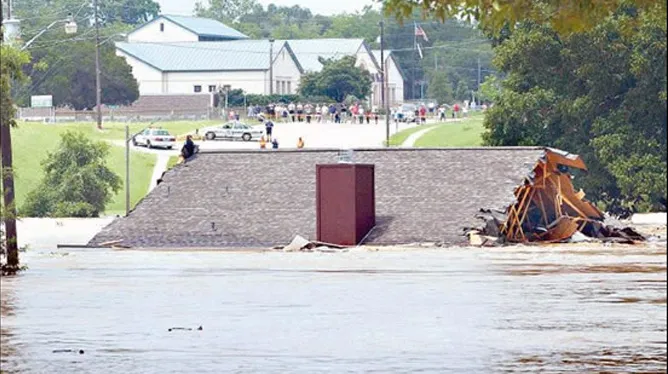
We must acknowledge that this area is known as “Flash Flood Alley” for a reason. It has unique geologic features and rocky, thin soils that mean devastating flash floods can and do occur, as we have witnessed through many incidents. The July 4th floods were unprecedented in many ways, but we have seen similar levels of flooding in this area before.
However, we must also acknowledge the changing intensity and frequency of large rain events as more “rain bombs” occur, and weather systems hang out longer. The Guadalupe, Llano and San Gabriel Rivers have seen similar floods before, but the speed was unprecedented, giving a very small window to get out of harm’s way.
Policy Response: A Moment for Action
The July 21 Special Session: Four Flood-Related Charges
It is appropriate to learn lessons from these events, and do what we can at the state and local level to improve our systems and protections. Fortunately, many of the solutions are already developed or proposed, and it is only political will and action - most of which can happen at the state level - that is needed.
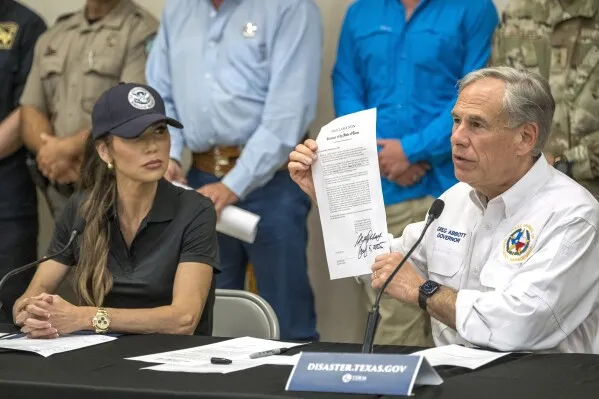
The upcoming July 21st special session offers a unique opportunity in a short window of time to make changes now that will help in the future. Recently, the Governor added four flood-related charges to the special session, which include:
FLOOD WARNING SYSTEMS: Legislation to improve early warning systems and other preparedness infrastructure in flood-prone areas throughout Texas.
FLOOD EMERGENCY COMMUNICATIONS: Legislation to strengthen emergency communications and other response infrastructure in flood-prone areas throughout Texas.
RELIEF FUNDING FOR HILL COUNTRY FLOODS: Legislation to provide relief funding for response to and recovery from the storms which began in early July 2025, including local match funding for jurisdictions eligible for FEMA public assistance.
NATURAL DISASTER PREPARATION & RECOVERY: Legislation to evaluate and streamline rules and regulations to speed preparedness for and recovery from natural disasters
A full list of all the special session charges can be found here.
Past Lessons, Missed Opportunities
HB 13: A Missed Chance to Strengthen Disaster Communications
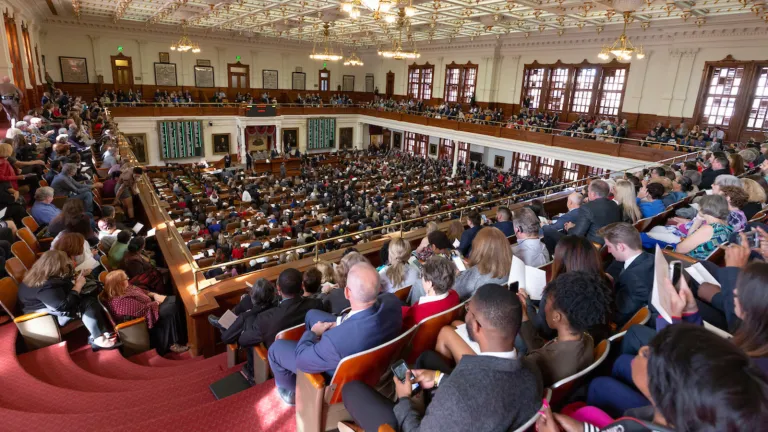
Following the devastating Panhandle fires, Chairman Ken King introduced HB 13 - a broad bill to deal with communications during disasters - last session.
Specifically, HB 13 sought to address the inability of first responders to communicate with outside departments and facilitate interoperable communications by creating the Texas Interoperability Council, which is charged with developing and coordinating the implementation of a statewide strategic plan for the interoperability of emergency communication systems for first responders and, where appropriate, public alert systems.
The bill also charges the council with incorporating necessary communication technologies into the state's emergency communications network and creates a grant program for local governments to acquire and construct communication equipment. The bill passed the House easily on a 129-18 vote, but was never considered in the senate. The Sierra Club officially supported the bill in committee.
It is important to note that while the bill was estimated to cost about $6 million to implement over the next few years, and this total did not include actual grant amounts, which would significantly increase the program’s cost.
The 2015 Blanco River Flood: What Wimberley Got Right
An example of what can be done following disaster events was Wimberley, TX’s response to the 2025 Blanco and Hays County floods.
On the night of May 23rd, 2015, the Blanco River rose approximately 45 feet in an hour which took the lives of 13 people and destroyed almost 400 homes. Many lessons were learned, including the refusal of local officials to utilize the latest FEMA floodplain maps and to rely on more rosy predictions about how high the river could rise in the area.
However, changes were made, as new floodplain maps were adopted limiting some development in the area. River gauges were added, and a new comprehensive flood early warning system was implemented. These steps are ones that the wider Guadalupe River has not adopted, but could be with either state or local action. In fact, proposals to do so have existed but never been implemented in the wider basin.
Texas State Flood Plan: A Blueprint Yet to Be Followed
What Is the State Flood Plan?
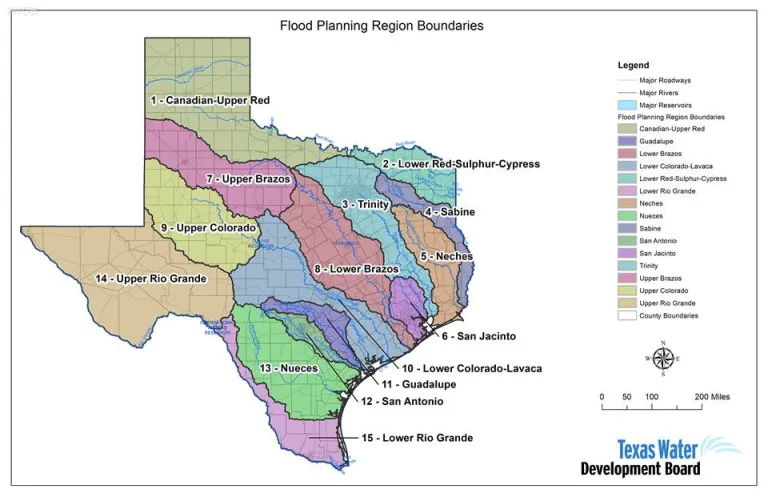
There are already detailed recommendations included in the Texas State Flood Plan, most of which have not been taken up by the legislature. Adopted in August of 2024, the State Flood Plan followed legislation passed in 2019 that required the Texas Water Development Board to create the state’s first flood plan. As part of the plan, the TWDB invited input and made Board recommendations to the Legislature, as well as put forth recommendations that came out of the regional planning process.
Working alongside our colleagues through the Texas Living Waters project, our groups supported many of the recommendations found in the State Flood Plan, which we reported on back in 2024. We showed up at public meetings, calling on the Board to adopt these recommendations and the legislature to take action, but also in some cases to go beyond those recommendations.
Climate Science Must Be Central
We specifically called on future versions of the flood plan to incorporate climate change and science. Regional groups took different approaches in their methodology on how the climate is changing and what a 100-year or 500-year flood might look like, and we asked them to create guidance that regional groups and the state should follow, which can be found here.
Regional and Statewide Recommendations
It is difficult to summarize all of these recommendations in a short “blog” - all of them merit consideration and many directly address the tragedy Texas just endured. The first set of recommendations is more state level and funding strategies, while the policies supported by many regional flood planning groups are more focused on county authority, and statewide guidance to improve management of floods and flood infrastructure.
Among the statewide solutions are specific funding streams for flood infrastructure, technical assistance to rural communities, a specific focus on low-water crossings and the need for regional flood early warning systems. The regional flood planning groups recommended 4,609 flood risk reduction solutions: 3,097 flood management evaluations, 615 flood mitigation projects, and 897 flood management strategies in the regional flood plans with an estimated total implementation cost of more than $54.5 billion.
Expanding County Authority for Flood Management
The Case for Local Power to Protect Communities
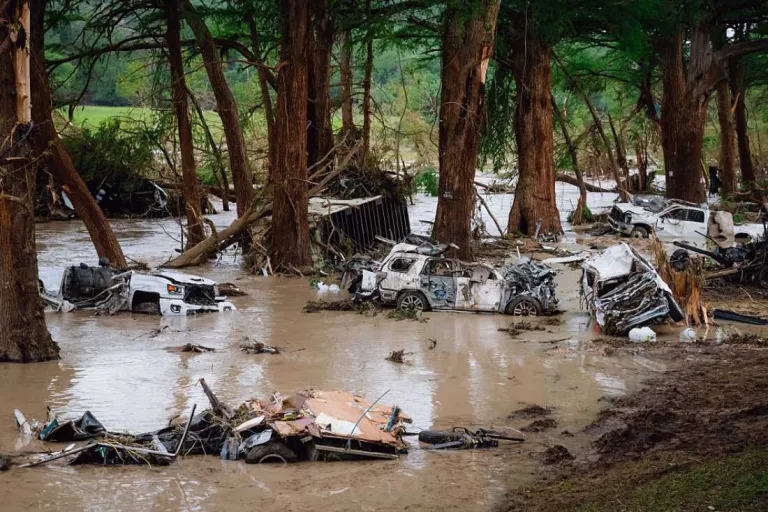
In our comments on the state flood plan, we pointed out the need to expand some of the recommendations to give more authority to local county governments. Specifically, we supported enhanced County Authority to Protect Communities from Flooding. Land development codes and the location of infrastructure can play a major role in exacerbating or mitigating flooding. The Texas Water Code gives counties the power to mitigate stormwater runoff and protect their constituents from flooding, but it is not clear how widely that authority can be applied. With the rapid development of unincorporated areas of the state, it is increasingly important to clarify and expand county tools to regulate land use for the purpose of flood hazard mitigation. The legislature should clarify and enhance the regulatory authority of counties regarding land use and floodplain management.
Of particular need is expanded authority to protect natural Aquifer Storage and Recovery (ASR) features, like karst recharge zones and sinkholes, which mitigate flooding by transferring potential floodwaters into aquifers, while also recharging our groundwater supplies. Both setbacks and impervious cover limits can be effective strategies to this end. Similarly, floodplain managers should be equipped and empowered to manage floodplains as a nature-based solution for flood mitigation since a well-functioning floodplain slows and sinks floodwater.
Legislative Attempts That Fell Short
One bill was filed that addressed these issues - SB 1954 by Donna Campbell - would have significantly expanded county authority to regulate land use in and around hydrologically sensitive areas. The bill was focused on counties in the Hill Country and their ability to protect features like sinkholes, caves and karst formations that play an unsized role in flood management. The bill never received a hearing.
In our comments, we stated that counties should also be given expanded authority to implement, charge fees, and enforce newbuilding codes and minimum design standards for infrastructure and buildings. These could include opt-in provisions for counties that wish to avail themselves of this expanded authority.
One such bill - HB 882 by Ron Reynolds - would have raised the minimum commercial and residential codes in counties and given more authority to counties to enforce those codes. While the bill got a hearing, it didn’t move out of committee. A separate bill - HB 871 - which focused on building code standards and enforcement in cities, did pass out of committee, and passed the House of Representatives but never got a hearing in the Senate.
Finally, the Legislature should clarify provisions that provide counties with legislative authority to establish drainage utilities and assess drainage fees similar to those authorized for municipalities under LGC Title 13, Subtitle A, Chapter 552, and also provide clarity on county and municipal roles and responsibilities within ETJ areas related to floodplain management activities under Chapter 212 and other provisions of the Local Government Code.
The legislature failed to address these issues in regular session, but could address them now.
Flood Funding: What Was Funded - and What Wasn’t
“Water Session” Recap: Where the Money Went
Wait, didn't the Legislature just fund a lot of water infrastructure?
The 89th Legislative Session - which just ended in June - was considered a water session because of the incredible “extra” $2.5 billion investment made in water infrastructure through FY 2027, along with a $1 billion commitment per year going forward beginning in FY 2028 - subject to voter approval. However, it is important to note that, while the Legislature did increase “water” funding, much of it was focused on water supply, drinking water, and wastewater treatment.
What Flood Projects Got Funded in the Budget
This is not to say there is no funding for flood mitigation - there is. SB 1 (the budget bill) does include some specific money for flood infrastructure in the “regular” budget - about $90 million in FY 2026 and $91 million in FY 2027 spread across several funding strategies and programs. In addition, there were two specific TWDB requests made on flood planning and science that were partially funded.
First, TWDB made a request for two FTEs, and $1,612,368 in funding for Surface Water Data Collection and Analysis, and were ultimately granted half the money - $806,134 - and one employee. This funding supports improved data on evaporation, reservoir sedimentation, and streamflow - critical to flood modeling, permitting, and long-term planning.
Second, the TWDB also asked to expand the weather stations, asking the Legislature for $1,880,000 to support several dozen new weather stations. Ultimately, the Legislature did approve again half the funding - $940,000 - which supports approximately 25 new weather stations to the TexMesonet network. This effort aims to achieve statewide hydrometeorological coverage by 2030, and also funds development of a statewide evapotranspiration dataset - key for agricultural planning and drought resilience.
The Flood Infrastructure Fund is now being incorporated into the wider “Texas Water Fund” under SB 7 (The Water Infrastructure Fund) and will be competing with many other needs. While there is no specific bucket of funds created for technical assistance for communities like Kerrville and Kerr County, those communities could likely qualify to apply for a small pot of funds known as the Statewide Floodplain and Grant Management System. If voters do approve the constitutional amendment in November as expected, it could make available up to $500 million (out of the $1 billion) for flood infrastructure, including flood planning and mitigation, but the $500 million would be shared among many programs, including drinking water and wastewater, the Economically Distressed Areas Program, agricultural water conservation, and other needs. Given the $54.5 billion price tag of the 2024 Flood Plan, the money approved by the legislature and the future money to be approved by voters will not cover all of these needs
What’s Next: Turning the Plan Into Action
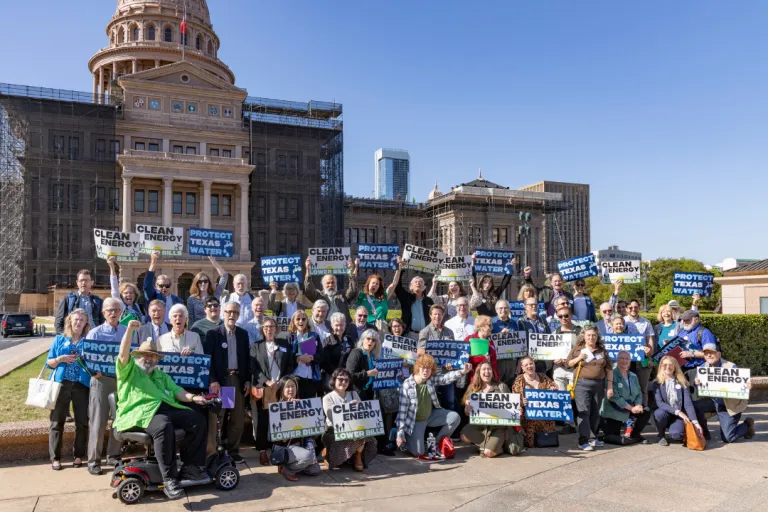
From enhanced flood infrastructure funding to flood early warning systems, statewide building codes, enhanced regulatory authority for counties, improved design standards, and nature-based solutions to stormwater managements, the Texas’ State Flood Plan contains many recommendations that the Legislature could address this special session - or take up more fully in 2027. The Texas Sierra Club will be advocating for several of these solutions - as we have in the past - in the upcoming legislative session.
Get Updates Straight to Your Inbox
Want to help shape community resilience, climate policy, and water justice in Texas? Sign up for our legislative alerts to get timely updates, advocacy opportunities, and ways to make your voice heard at the Capitol.