What Is the Texas Commission on Environmental Quality (TCEQ)?
The Texas Commission on Environmental Quality (TCEQ) is the state agency responsible for protecting Texas’ public health and natural resources. From issuing air and water permits to monitoring pollution and enforcing environmental standards, the agency plays a major role in how Texans experience clean water, breathable air, and healthy communities.
What Does the TCEQ Do?
Because of its broad authority, TCEQ’s decisions directly shape Texans’ everyday lives. The Commission oversees a wide range of environmental protections, including:
- Water quality - ensuring rivers, lakes, and drinking water sources meet safe standards.
- Air quality - regulating industrial emissions, oil and gas pollution, and toxic air contaminants.
- Waste management - overseeing solid waste, hazardous materials, and landfills.
- Public health - monitoring environmental risks that affect people across the state.
Sierra Club’s Meeting Priorities
Protecting Texas Water Quality
Several important issues related to the state’s surface water quality standards were discussed during the meeting. We talked about the need for stronger standards for salinity in light of the growing seawater desalination industry along the Texas coast, which would harm our bays, wildlife, communities, and coastal economies, if left unchecked. We also raised the need for regulations focused on pre-production plastics pollution, as well as protections around treated produced water (oil and gas wastewater) discharges into Texas rivers and streams. While these issues aren’t included in the state’s current surface water quality standards update, we appreciated the TCEQ representatives’ time and interest in continuing the conversation.
Strengthening Clean Air Protections
No state emits more emissions of methane - the main component in “gas” - than Texas and yet Texas has no state-level regulations. EPA rules implemented in 2023 require TCEQ to develop a state plan to control emissions of these gases that impact our health and cook our climate. Unfortunately, we are still waiting for this plan to be developed. In addition, Texas oil and gas, wastewater, refineries and other industries emit dangerous levels of hydrogen sulfide, and Texas regulations regarding this dangerous and deadly gas are decades out of date.
Community Voices: Letters Delivered to TCEQ
Ahead of the meeting, Sierra Club members and supporters submitted personal letters urging TCEQ to take stronger action on clean air and water. These letters reflect the lived experiences of Texans across the state - people who want safe drinking water, clean air to breathe, and stronger accountability for polluters.
Delivering these letters in person shows TCEQ that Texans are paying attention and expect their leaders to act.
The Room Where it Happened: Meeting with TCEQ
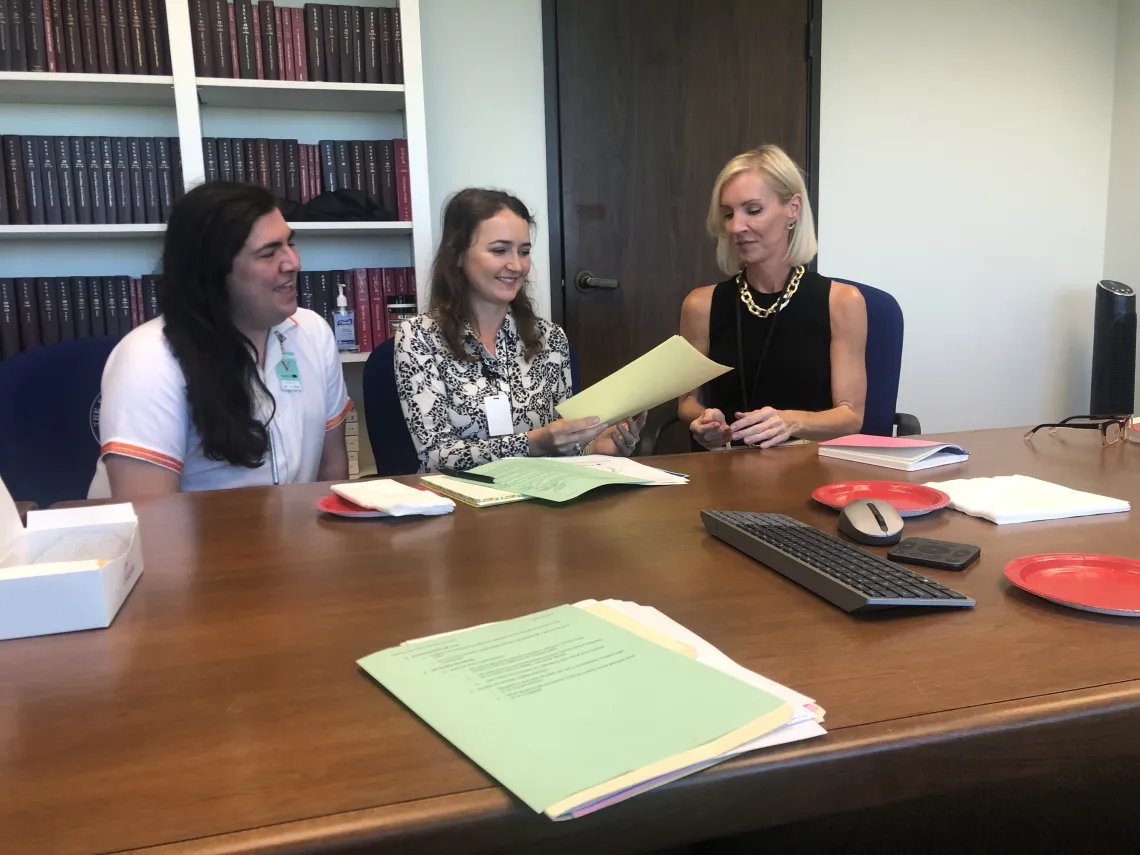
While there were no concrete decisions made, this meeting offered a great opportunity to raise important water quality and air quality concerns and begin a conversation with TCEQ leadership. We confirmed that the agency is working on rulemaking under SB 1145, a recently passed legislation that shifted oversight of produced water management from the Railroad Commission to TCEQ and allowed the use of treated produced water for irrigation. We also provided an overview of several important bills related to preproduction plastics, salinity standards and hydrogen sulfide standards from the recent legislative session that didn’t pass but would have strengthened the state’s surface water quality and air quality protections.
Additionally, in discussing the need for stronger standards for salinity, we highlighted the importance of responsible deployment of seawater desalination, including the recommendation that water diversion and brine discharges by seawater desalination facilities should be directed out into the Gulf of Mexico. This recommendation is supported by a special study conducted by TPWB and GLO following the passing of HB 2013 by the 84th Legislature.
In addition, we pointed out the commitment TCEQ made in 2024 to begin a rulemaking to better control methane by August of 2025, which has not yet occurred. The Sierra Club is involved in a coalition of citizens and organizations working to make sure that the rule adopted by the EPA in December of 2023 is actually implemented in Texas. Recently, the Trump administration proposed delaying the methane rule by 18 months, and the Sierra Club is arguing through several court cases that the delay is not legal. Therefore it is incumbent for TCEQ to begin a rulemaking process to meet the requirements to have a state plan to reduce methane emissions by March of 2026.
Finally, we let the commissioner know that TCEQ has an existing standard for the ambient concentration of hydrogen sulfide that was developed more than 50 years ago, and is not protective of public health. Several recent failures at industrial facilities have led to deaths of workers in both West Texas and along the Texas Gulf. We called on TCEQ to review the standard and consider more robust standards.
We’ll continue to stay engaged as these issues move forward.
Next Steps: How Sierra Club Will Work with TCEQ
Sierra Club will continue to monitor TCEQ’s actions, meet with agency leadership, and amplify community voices to hold polluters accountable. Texans deserve an environmental agency that prioritizes health and safety over industry influence, and the Sierra Club will keep pushing for that vision, and bringing you along with us.
How You Can Get Involved
Texans across the state can make a difference in how TCEQ operates. Here are some ways to get involved:
- Sign up for our newsletter so you can stay informed, and learn more about direct ways to take action.
- Share your story - community voices are powerful in pushing for change!
- Tell the TCEQ to take action on methane now!
Together, we can hold TCEQ accountable and ensure Texans have the clean air and water we all deserve.