Last week, the Environmental Protection Agency (EPA) held a public hearing on a controversial proposal to roll back key parts of the Greenhouse Gas Reporting Program (GHGRP). This proposal could permanently alter reporting requirements for major polluting industries and suspend reporting in the oil and gas sector until 2034. Without this data, the public, organizations like the Sierra Club, and policymakers lose a critical tool to hold polluters accountable. Importantly, even many corporate interests and investors rely on the programs to keep tabs on how industry is doing to meet their greenhouse gas reduction goals, and many industrial stakeholders are not supportive of the Trump administration’s proposal.
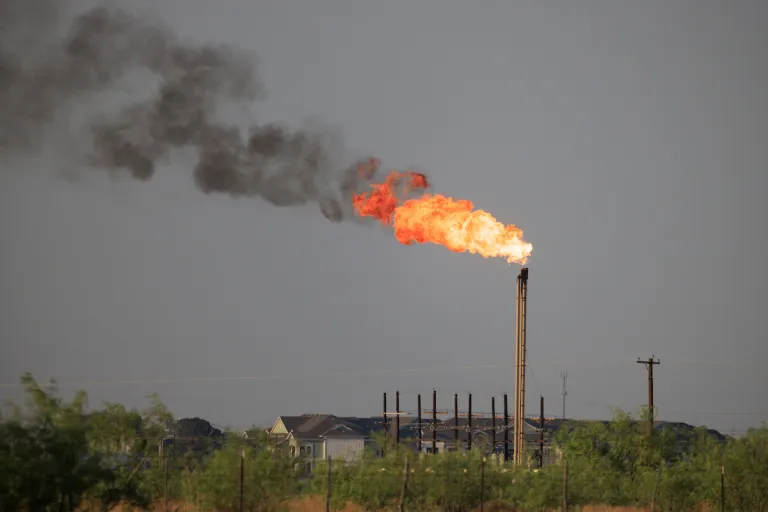
What Is the Greenhouse Gas Reporting Program (GHGRP)?
Created in 2009 under the Clean Air Act, the GHGRP requires large industrial sources to report their greenhouse gas emissions to EPA. More than 8,000 facilities across 47 industries are currently covered.
This program has built the most comprehensive public dataset greenhouse gas pollution, helping inform climate policies, track industry trends, and support innovations in clean energy. Without it, the public loses its right to know who is polluting and by how much, and all stakeholders lose a valuable tool in tracking reduction in pollution.
In addition, as part of the 2022 Inflation Reduction Act, Congress added additional clarifications and reporting requirements specific to the oil and gas industry and methane emissions that are key to wider methane fee and methane control regulations adopted under the previous administration. Along with their efforts to implement legislation delaying the methane fee and to postpone the methane control regulations, EPA is seeking to delay GHG reporting requirements for oil and gas sources as well.
EPA’s Proposed Rollback
EPA claims this rollback would save industry billions in compliance costs. But those “savings” come at the expense of climate stability, public health, and transparency. In addition, many industries rely on the data to meet certain requirements, including the ability to access certain markets in Europe that have greenhouse gas reporting and reduction requirements. Other industries rely on the reporting requirements to meet requirements to gain access to certain tax incentives available from the federal government. The current proposal would:
- Permanently eliminate reporting requirements for 46 industries, including cement, aluminum, steel, refineries, petrochemicals, and municipal landfills.
- Suspend methane reporting for oil and gas facilities - one of the most potent climate pollutants - until 2034.
- Delay reporting deadlines for existing obligations, creating a dangerous decade-long gap in climate accountability.
Why Climate Data Transparency Matters
Greenhouse gas data is not just numbers on a spreadsheet - it’s the foundation for climate accountability. Without it, we cannot track emissions reductions, communities cannot hold industries accountable, and even companies themselves lose benchmarks to measure progress. At a time when extreme heat, wildfires, droughts, and storms are devastating communities across Texas and the country, hiding pollution data is the last thing we should do.
Sierra Club - and many others - Speaks Out at the EPA Hearing
At last week’s hearing, Cyrus Reed, our legislative & conservation director, delivered testimony opposing the rollback, underscoring why this proposal would be a disaster for Texans and the climate.
In addition, our volunteer conservation chair, Dr. Craig Nazor reviewed the science behind climate change and why the proposal is so dangerous - it essentially pretends climate change isn’t happening by refusing to measure the emissions. Other Sierra Club speakers included our colleague from New Mexico, Rio Grande Chapter director Camila Feibelman, who reiterated that New Mexico and west Texas are ground zero for methane emissions from the oil and gas industry that are hurting communities right now. Several other Sierra Club staff and volunteers from around the US also spoke, as well as many Texas allied organizations. In all, more than 70 individuals spoke, with only one person - representing the National Propane Association - speaking in favor of the regulation. Surprisingly, several individuals representing other industries opposed the rollback, citing the uncertainty it would create.
Texas is ground zero for climate pollution and indeed the impacts of climate change. In 2023, Texas industries emitted nearly 670 million metric tons of carbon dioxide equivalents - more than twice as much as California. Unlike some states, Texas has no independent greenhouse gas reporting requirements, making federal data essential, and we need data to back up promises. From oil and gas companies pledging to end routine flaring to steelmakers investing in sustainability, industry claims of emissions reductions must be backed by transparent reporting. Without it, the public has no way to know whether progress is real.
Furthermore, Methane is over 80 times more potent than CO₂ in the short term. Delaying methane reporting until 2034 would severely undermine climate goals.
Climate change and its impacts are already being felt in Texas. From the recent Central Texas floods, to Winter Storm Uri, to Hurricane Harvey and Hurricane Beryl, to devastating wildfires in West Texas, to the incredible and unprecedented heatwaves and droughts, Texans are reeling from these impacts.
What Happens Next: Public Comment Period
The EPA is accepting public comments on this proposal through November 3rd in the Federal Register. The public has a vital opportunity to speak up before this rollback is finalized.
You can submit a comment here.
Sierra Club is also working on an action alert and we will share it once it is available.
Watch Now: Cyrus Reed Comments
Take Action: Speak Out Against the Rollback
Texans and communities nationwide deserve the truth about who is polluting our air and threatening our climate future. We cannot afford to let the EPA shield polluters by hiding emissions data. Here are three steps you can take to make a difference:
- Submit your public comment today.
- Share this blog to spread the word.
- Join the Sierra Club in fighting for climate accountability.
Together, we can stop this rollback and protect our right to know the truth about who is polluting our communities, our air, and our planet.