On Friday, December 12, the Public Utility Commission of Texas finally kept a promise they had made back in 2021 - assess and make changes to the energy efficiency and “load management” programs that the state’s eight private transmission and distribution utilities are required to run under Texas law. These are the programs that many thousands of Texans use to weatherize their homes, reduce their electricity bills, and help the environment in the process by relying less on polluting power plants.
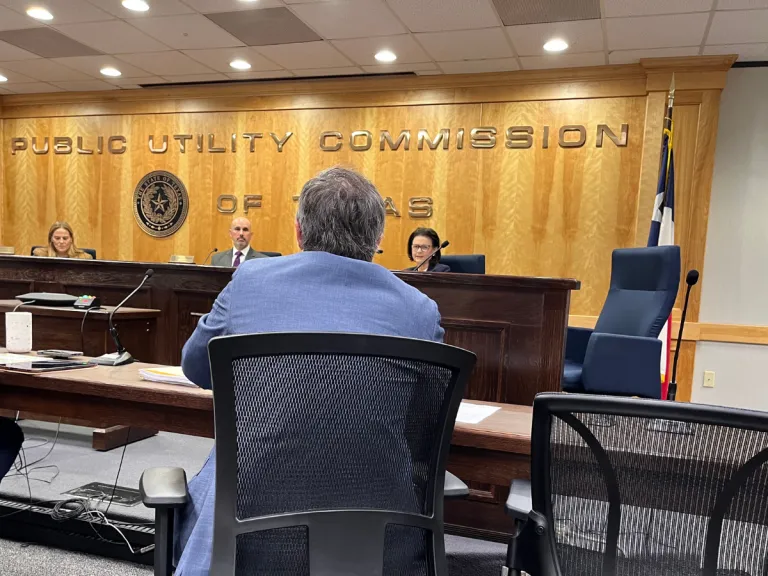
While the commission made it clear this was just the first step in the process, the new rules adopted under Project No. 57743, make five important changes:
- More realistic savings estimates should mean more money goes to programs - not huge performance bonuses for big utilities. The most important change is ERCOT’s calculation of the avoided cost of energy is now based on seven years of data - not just two - and is calculated in April rather than in November, giving more time for utilities to actually plan their programs with cost data in hand. Because the avoided cost of energy drives the determination of whether programs are cost-effective, but also the “incentive” that utilities can earn by exceeding the modest goals set in statute, utilities were routinely earning “bonuses” that were eating up the budgets intended to help their customers save energy. In the most recent round of annual energy efficiency programs scheduled for 2026, about a third of the overall budgets were dedicated to these incentives, driven by the high cost of energy in recent years. Averaging the cost of energy over seven years provides a much better baseline.
- More limits placed on what utilities can charge Texans to benefit themselves. The rules also limit the benefit or incentive utilities can earn to 5 percent of the net benefit of the program, reducing it from 10 percent. Because net benefit is based on the benefits to the utilities, staff proposed limiting those incentives to a more reasonable level. While it is too early to tell the effect, incentives that were routinely in the 30 to 40 percent level will likely be in a more reasonable 10 to 15 percent incentive with this change.
- More Texans could qualify for special energy savings incentives. The amendments also clarify the distinction between targeted low-income programs and a program for hard-to-reach customers. Under the changes in definition, low-income customers who have historically been served by hard-to-reach programs should continue to be included as potential hard-to-reach customers, but the adopted rule also expands the proposed definition of "hard-to-reach" so that utilities can expand their programs beyond the traditionally served low-income customers to those that may not have been served historically, including rural landowners, and small businesses with a demand less than 50 KW.
- More Texans could be eligible for free weatherization programs. The updated rule refines the definition of low-income customer to be based on a calculation of 80% of the area median income, or resides in a household in which at least one person receives economic assistance through a program listed in the Texas technical reference manual (TRM) for the applicable program year. Existing §25.5 also includes a definition for "low-income customer" that is based on whether the customer qualifies for the Supplemental Nutrition Assistance Program (aka, SNAP) or medical assistance from a state agency. In essence, with this change in definition, more Texans should have access to “free” weatherization programs in Texas.
- Utility energy efficiency plans should be easier to read now. Finally, the updated rule creates a new template that utilities must use when they file their annual energy efficiency plan, making it easier for the public to understand what is being proposed by the utility for upcoming years.
While modest, the Sierra Club, the South Central Partnership for Energy Efficiency as a Resource, the Office of Public Utility Counsel, the City of Houston, the American Council on an Energy Efficient Economy, and others were largely supportive of the rule change, even as the utilities themselves disagreed with some of the changes related to the incentives. In adopting the rules, both Chairman Gleeson and Commissioner Kathleen Jackson praised staff - and stakeholders - for finally taking on the programs, which are another important tool to assure affordability and reliability.
The PUCT is not done, and in its reply to the Sierra Club comments, the Commission noted that many additional issues raised by the Sierra Club - including energy savings goals, cost caps, and the difference between ERCOT and non-ERCOT utilities - will be addressed in future rulemaking. As part of our filing, we turned in comments from more than 600 Texans calling for change and expansion of the energy efficiency programs. Thanks!
How Long Does Rulemaking Take?
It was back in December 2021 that the Commission adopted its blueprint for reliability reforms, which included a provision that it would make its “energy efficiency” programs more “efficient.” However, when the Commission took no action, the Sierra Club first initiated a petition for rulemaking in 2022, and then attempted to pass legislation in both 2023 and 2025 to reform and expand the energy efficiency programs. While the PUCT rejected the petition for rulemaking, and only the Senate advanced energy efficiency legislation, the action last week marked the first major change to the programs in more than 15 years. The Sierra Club is not giving up and will continue to press for further changes in 2026.
Centerpoint Settlement Agreement At the PUCT
The PUCT also adopted a settlement agreement between the Sierra Club, City of Houston, and Centerpoint Energy on Centerpoint’s 2026 energy efficiency programs. Under the agreement, Centerpoint Energy agrees to spend more than $50 million on energy efficiency programs in 2026, while keeping a healthy $40 million in incentives, allowed under the rules before they were just changed. We argued strenuously that Centerpoint should spend more on programs that help Texans and less on bonuses for themselves, but in the end the wealthy utility will take more than 40% of their energy efficiency budget as a bonus for the next year. However, Centerpoint Energy will continue to conduct a market potential study on energy efficiency in its service territory, meet with the Sierra Club to review its programs and consider improvements, provide information to customers about potential federal funding available through the State Energy Conservation Office, and hold a public meeting in the Houston area to help customers learn about how to access Centerpoint Energy programs. A copy of the settlement can be found here.
Sierra Club reached a similar agreement with AEP Texas in their 2026 energy efficiency case, though we are waiting for the Commission to formally adopt the order. In both cases, while we are unable to reduce the very large bonuses for the utilities in 2026, the changes in rules will prevent such large bonuses or incentives from occurring in the future!