For decades, Sierra Club Lone Star Chapter Clean Air Director, Dr. Neil Carman, has been a leading voice on air pollution in Texas, pushing for transparency, stronger protections, and accountability from regulatory agencies. As he retires this Earth Month, one issue captures the urgency of his work: ethylene oxide (EtO), a cancer-causing chemical affecting communities across Texas. Understanding ethylene oxide and how it’s regulated has never been more important - especially for vulnerable Texas communities.
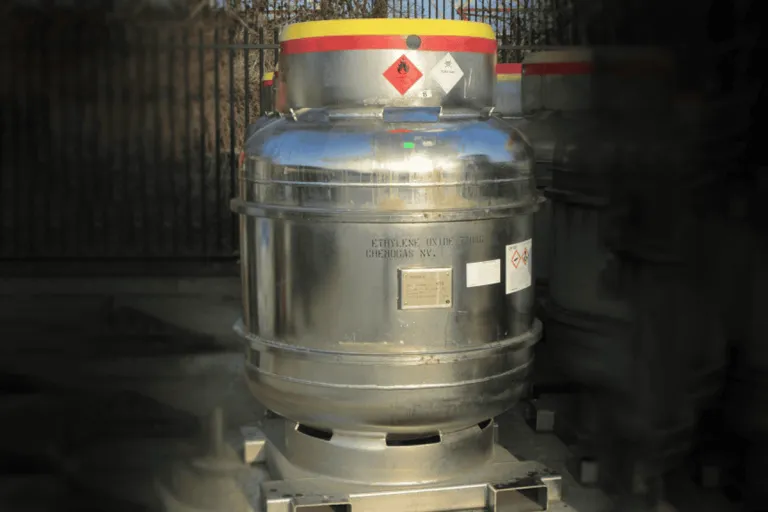
What Is Ethylene Oxide?
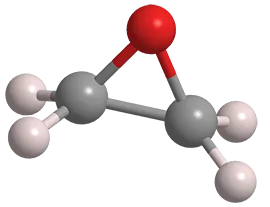
Ethylene oxide (EtO) is a colorless, flammable gas used to manufacture a wide range of products, including plastics, antifreeze, and detergents. It is also commonly used to sterilize medical equipment. But ethylene oxide is not just an industrial chemical - it is classified by the U.S. Environmental Protection Agency (EPA) as a known human carcinogen, meaning it can cause cancer even at relatively low levels of exposure.
Why Is Ethylene Oxide Dangerous?
The danger of ethylene oxide is long-term exposure. Even small amounts in the air can significantly increase cancer risk over time, especially for people living near facilities that emit it. Communities across Texas, particularly those near petrochemical plants, medical sterilization facilities and industrial corridors, have reported serious health concerns linked to air pollution, including cancer, respiratory illness, and reproductive harm. Ethylene oxide is considered more potent as a carcinogen than many other toxic air pollutants, making strong health standards and transparent regulation essential. It is of particular concern to the very young and the very old.
Where Does Ethylene Oxide Come From in Texas?
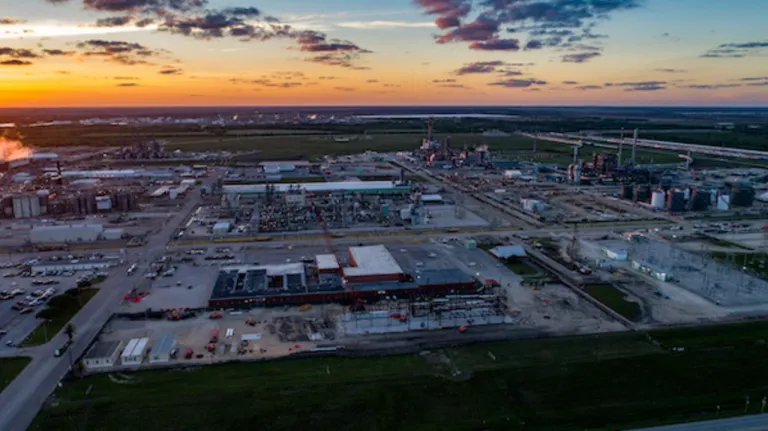
Ethylene oxide emissions in Texas primarily come from large industrial sources, including chemical manufacturing
plants, petrochemical facilities like ethane crackers, and commercial sterilization operations. Texas leads the nation in chemical production, with dozens of major facilities that emit or use ethylene oxide, especially along the Gulf Coast. Millions of Texans live in or near these industrial areas, often facing cumulative exposure from multiple sources.
Many of the highest-risk areas are home to communities of color and low-income families, making ethylene oxide pollution a significant environmental justice issue. Communities in the Houston, Beaumont-Port Arthur, Dallas-Fort Worth area, El Paso and Laredo face particular issues with these facilities.
Who Regulates Ethylene Oxide in Texas?
Ethylene oxide regulation in Texas is shared between federal and state agencies. The EPA sets national standards using its Integrated Risk Information System (IRIS), which determines how dangerous a chemical is and what level of exposure is considered safe. At the state level, the Texas Commission on Environmental Quality (TCEQ) is responsible for permitting and regulating industrial emissions.
However, the TCEQ has utilized ethylene oxide risk standards that are dramatically weaker than the EPA (for example in setting Effects Screening Levels in permitting), by as much as thousands of times, raising serious concerns about whether current protections are sufficient for public health. Under the Trump administration, the EPA has been relying partially on this same TCEQ risk analysis, and has proposed a rule rolling back critical public health protections finalized in 2024 for ethylene oxide emissions from commercial sterilizer facilities. Recently, in an EPA public hearing, the Lone Star Chapter of the Sierra Club joined dozens of community members impacted by emissions from medical sterilization commercial facilities to argue against the proposed Trump rule to roll back ethylene oxide standards just put into place in 2024. See here for a copy of our comments.
Want to take action? Tell the Trump administration to keep the current rules in place and reject the rollback.
Why the Ethylene Oxide Fight in Texas Matters
In 2019, Sierra Club requested documents from TCEQ to better understand how the agency developed its ethylene oxide standards. More than 6,400 pages of records were withheld, sparking a years-long legal battle over transparency and public access to information.
This fight highlights a critical issue: when agencies make decisions about cancer risk without public transparency, communities are left without the information they need to protect themselves. For Neil Carman, this case is part of a broader pattern he has observed throughout his career where regulatory decisions too often favor industry over the health of nearby communities.
Texas Supreme Court Case On Ethylene Oxide Records
After years of litigation, the Texas Supreme Court issued a ruling in April 2026 that found TCEQ met a procedural deadline in requesting an opinion from the Office of the Attorney General about whether the documents could be withheld. Importantly, the Court did not decide whether the records must be released. Instead, the case was sent back to lower courts, leaving the central question of public access unresolved.
More than seven years after the initial request, the public still does not have access to the full set of documents used to shape ethylene oxide regulations in Texas - raising ongoing concerns about transparency and accountability in decisions that affect public health.
Neil Carman’s Legacy on Ethylene Oxide and Clean Air
Neil Carman’s career spans more than 40 years, from his early work as a TCEQ investigator to his leadership in clean air advocacy with the Sierra Club Lone Star Chapter. He has spent decades working with communities across Texas, especially those living near industrial facilities, documenting the real-world impacts of pollution and advocating for stronger safeguards. His work has consistently highlighted environmental justice concerns, particularly in communities disproportionately exposed to toxic chemicals like ethylene oxide.
What Happens Next?
As Neil Carman retires, the fight over ethylene oxide in Texas continues. Key questions remain unanswered: How are ethylene oxide cancer risk standards set? Are they protective enough? And why has critical information about these decisions been withheld from the public? For communities across Texas, the answers to these questions are not abstract - they are about health, safety, and the right to know.
And thanks to advocates like Neil Carman, those questions are still being asked.
You can help carry on this work by getting involved with the Sierra Club Lone Star Chapter. Make a donation or sign up for our newsletter now. And consider letting the EPA know you don’t want them to roll back standards on commercial medical sterilizer facilities.